March 19, 2024

Photography Group Gathers in Borrego Springs: Galleta Meadows

Share

Borrego Springs Full Moon Photography Meetup


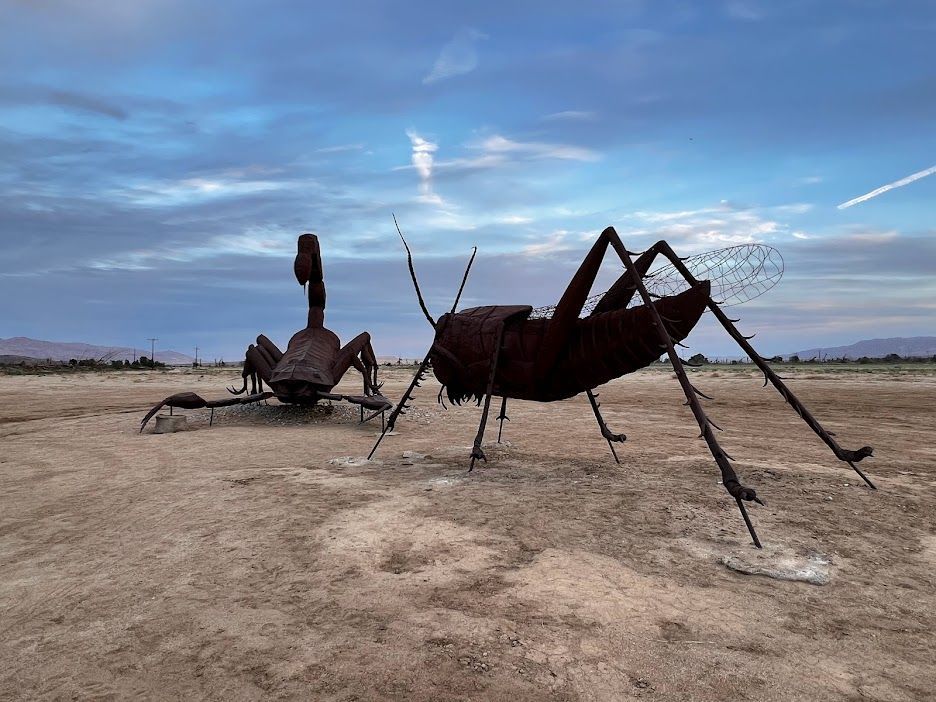
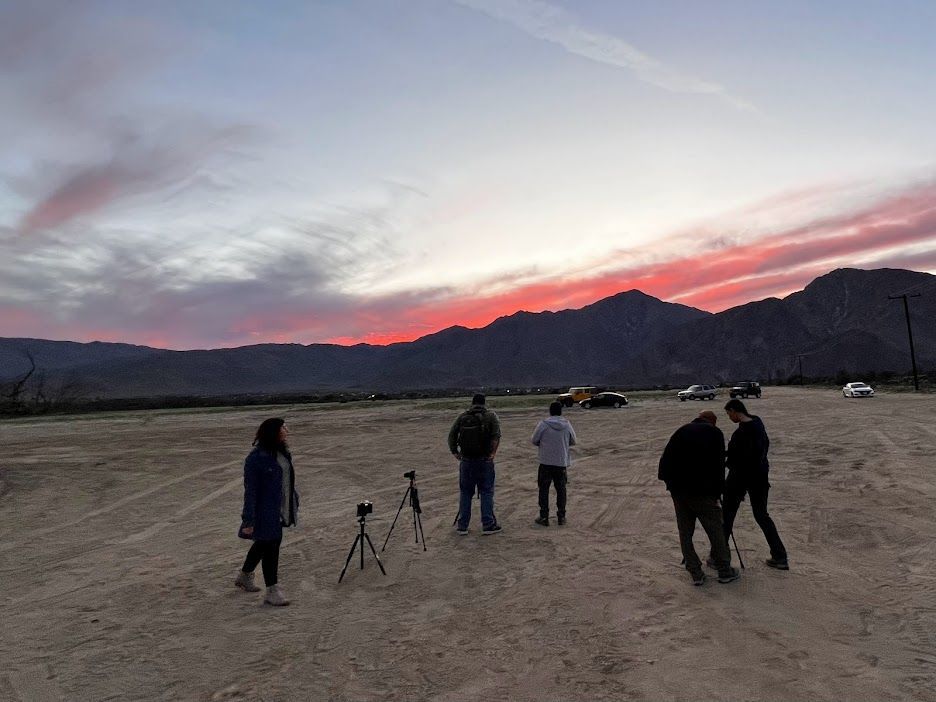
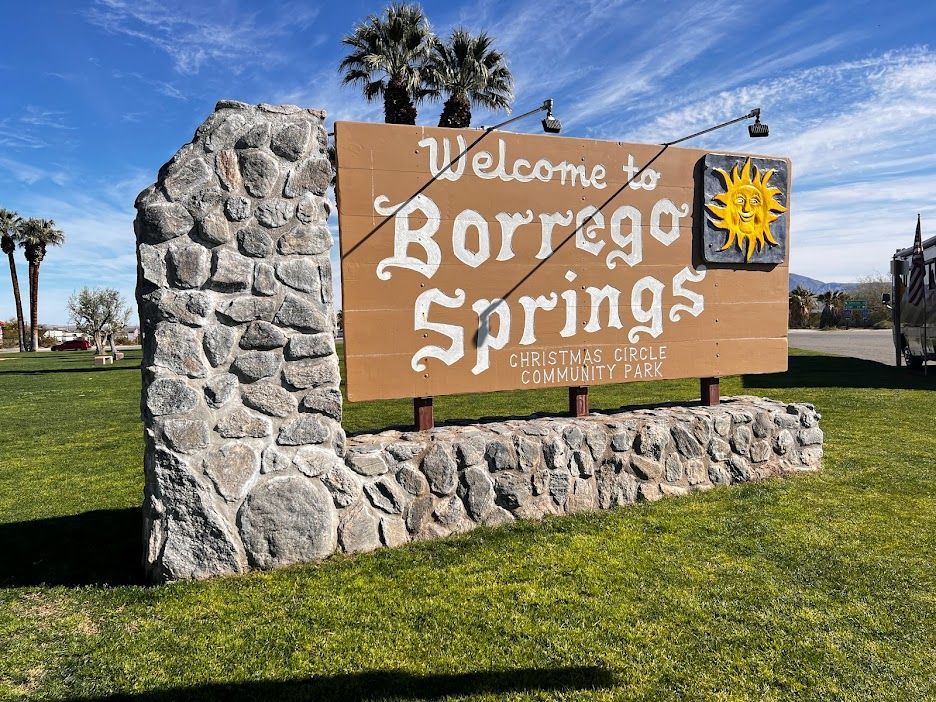
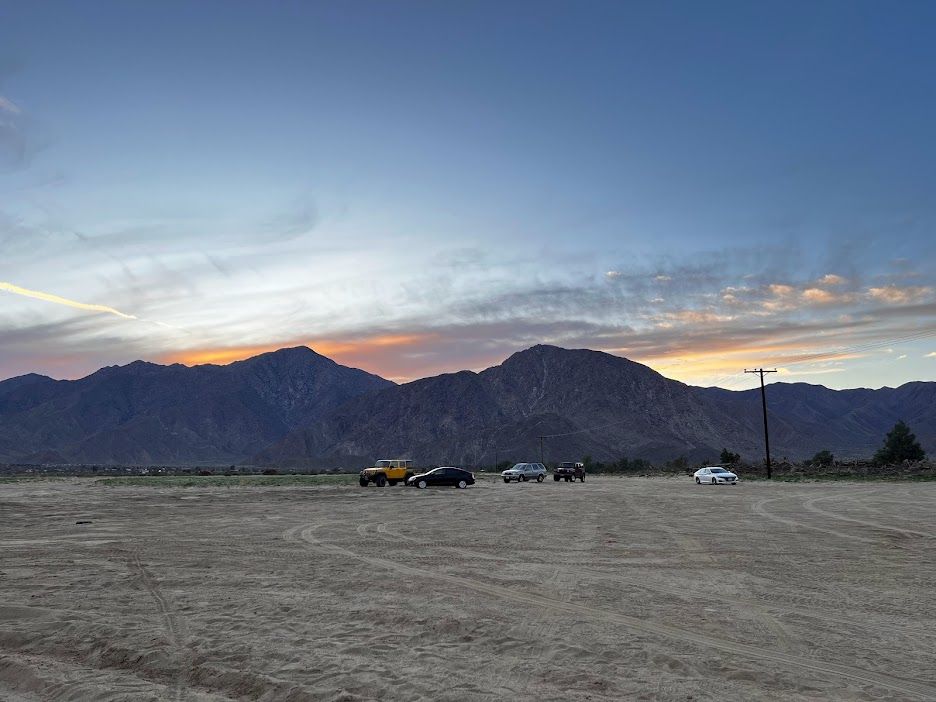
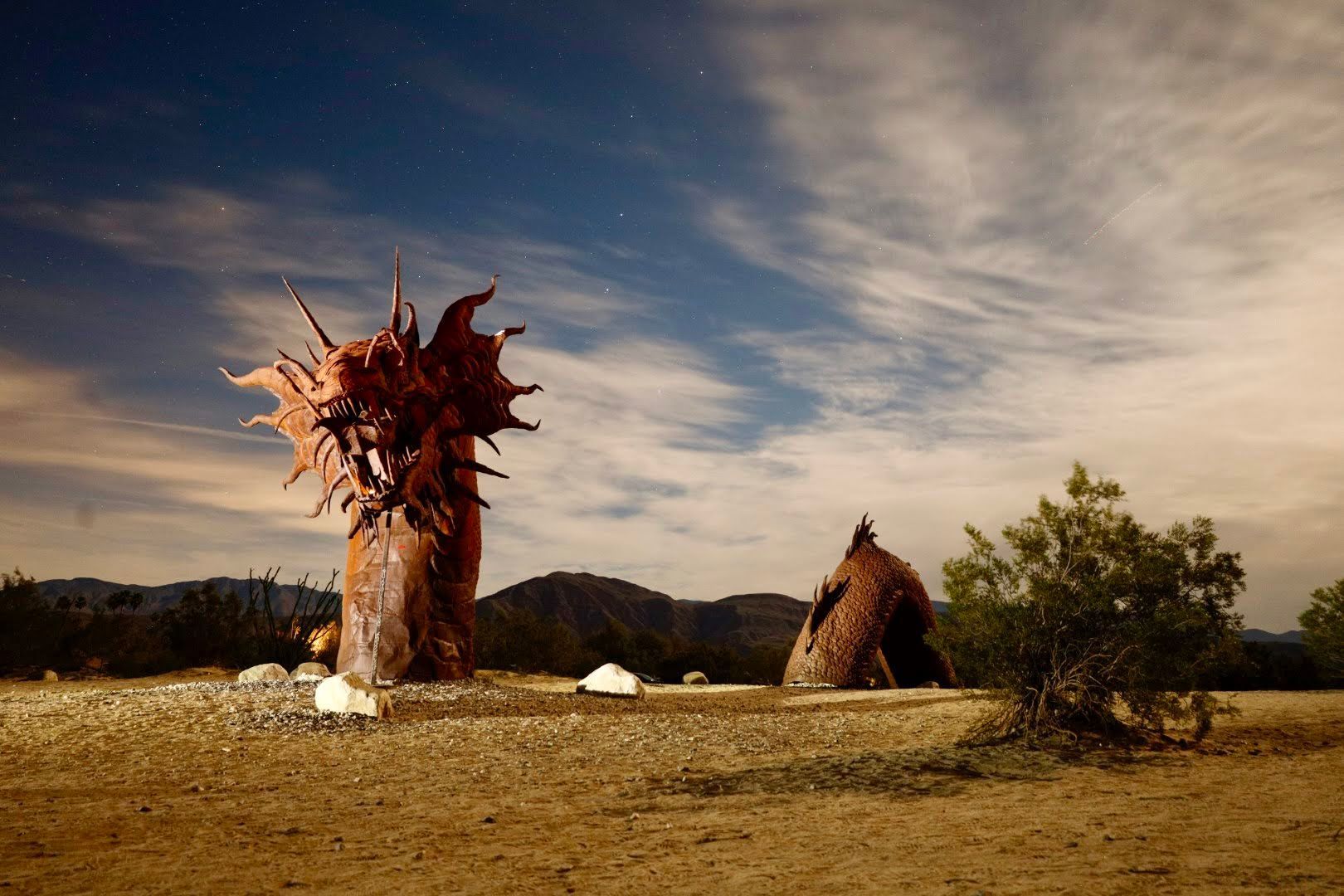
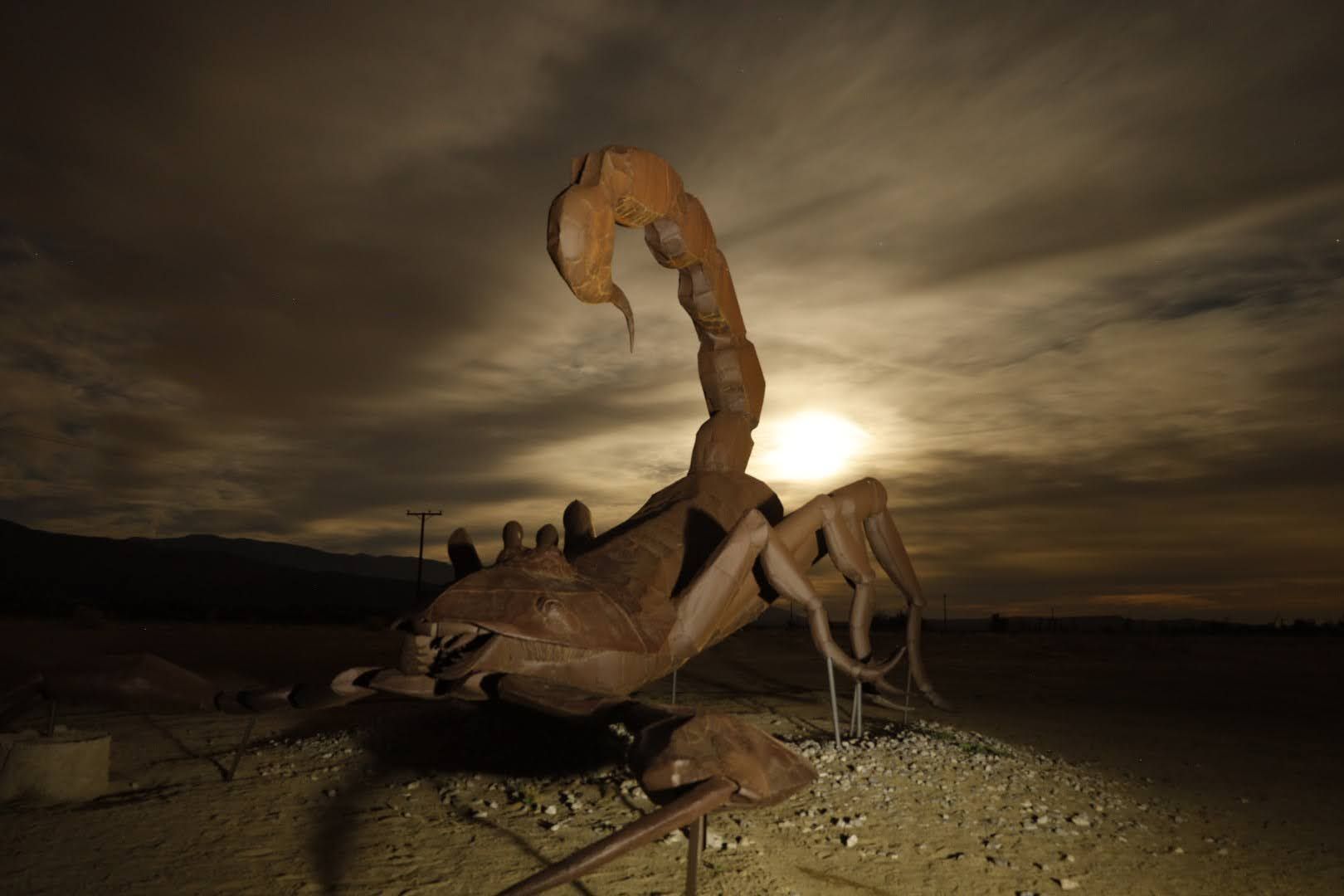
On February 24th, 2024, a group of photographers from the "The Best Places To Photograph in San Diego" Facebook group met up in Borrego Springs. The get-together, put together by Johnny Bradley, one of the group's admins, gathered to take photos of the desert landscape and the well-known metal sculptures at Galleta Meadows, starting with the scorpion and grasshopper and finishing at the Serpent.


(And there were home made delicious chocolate chip cookies involved too)

  • Slide title

    Write your caption here
    Button
  • Slide title

    Write your caption here
    Button
  • Slide title

    Write your caption here
    Button
  • Slide title

    Write your caption here
    Button

Galetta Meadows: A Desert Stage Under Moonlight


Galleta Meadows in Borrego Springs showcases over 130 striking metal sculptures by artist Ricardo Breceda, commissioned by Dennis Avery. The collection, ranging from prehistoric to mythical figures, is set in an open desert landscape, making it a favored spot for photographers, especially under the night sky of this International Dark Sky Community​.


Borrego Springs, California was designated as an International Dark Sky Community by the International Dark Sky Association on July 31, 2009, marking a significant recognition for its efforts to preserve the night sky from light pollution.


Borrego Springs: A Photographer's Nighttime Paradise


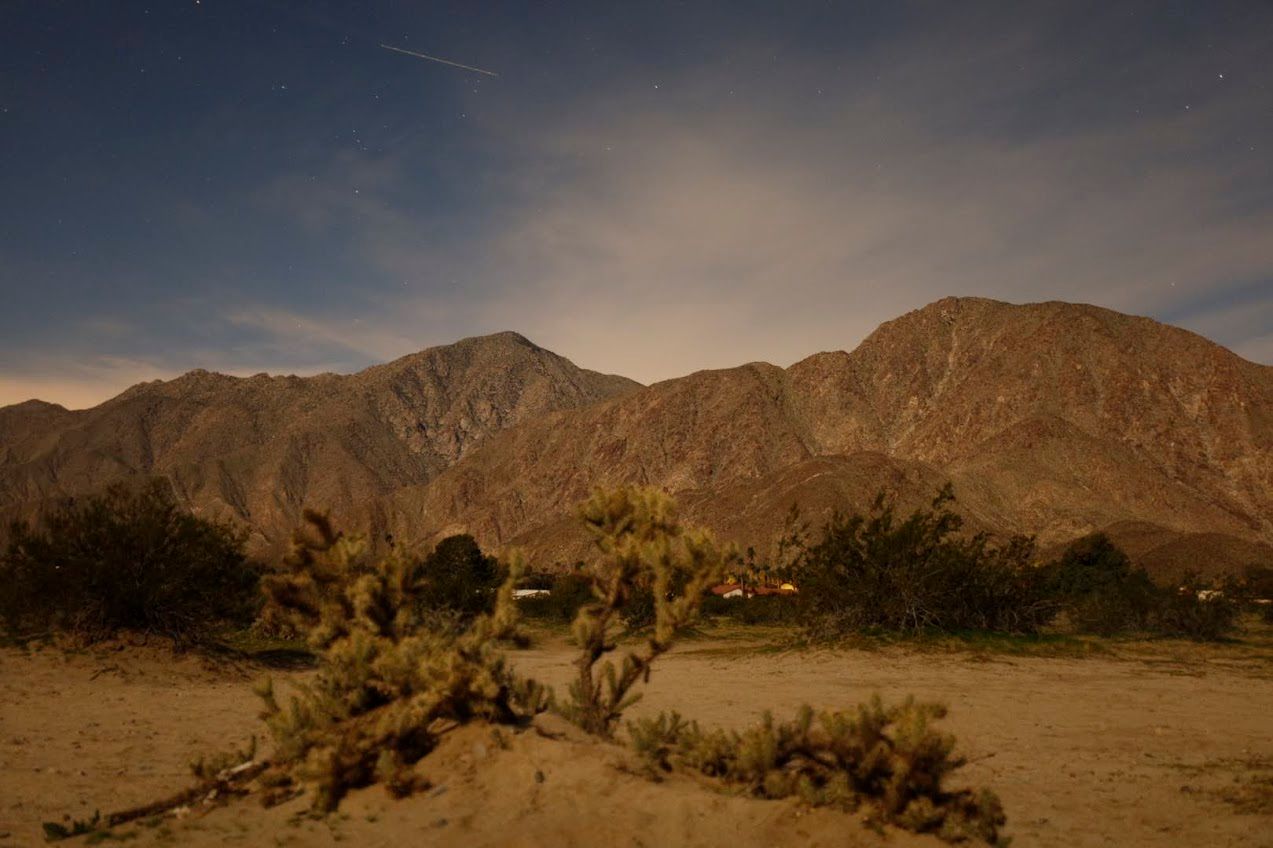
Borrego Springs is recognized as an International Dark Sky Community, making it an ideal spot for photographers, especially for those interested in astrophotography. The area's clear, dark skies away from city light pollution enhance the visibility of stars and celestial events. This photography event coincided with a full moon, which, along with a thin layer of clouds, added an extra layer of intrigue and beauty to the nightscapes captured by the attendees.


A Community of Passionate Photographers


The event brought together photographers of all sorts from the "The Best Places To Photograph in San Diego" group. They came with different skills and from various places, but all shared a love for photography. Together, they swapped tips on where to shoot and helped each other out with camera settings. It was great to see them chat about photography and explore Galleta Meadows, capturing the unique sculptures and landscape.


Photos by Group Member Christine Shaw


Here are some photos from group member Christine Shaw. Christine, who also has GIS expertise, provided a helpful map of the Galleta Meadows sculptures (Download Map). Christine's photos beautifully reflect the essence of the destination and highlight the collaborative and engaging nature of our group excursions.


Note: The map works great with the Avensa Map App: The Avenza Maps® app uses your device's built-in GPS to display your exact location on any georeferenced map, even when you’re out of network range or without an internet connection. The blue dot follows you wherever you go, keeping you on the trail while staying safe.
  • Slide title

    Write your caption here
    Button
  • Slide title

    Write your caption here
    Button
  • Slide title

    Write your caption here
    Button
  • Slide title

    Write your caption here
    Button

Source: Photographer Christine Shaw


Interview with Photographer Johnny Bradley: Meet Up Coordinator


In an interview, Johnny shared his thoughts on organizing such events and the allure of Borrego Springs for night photography:


Q: Why did you pick Borrego Springs for your meet up?


A: To give people a change of scenery and get them out into nature. Borrego has so many things to offer for a wonderful adventure.


Q: What tips do you find yourself giving when taking pictures at night?


A: To give yourself 0 expectations and enjoy the night first. Most people get frustrated taking night photos with it being a learning curve. In those moments I tell people to shut their camera off sit and enjoy your surroundings. Take a breath and then come back to it. When beginning you need to make it fun or you will learn to not enjoy it.


Q: Did you eat in town?


A: I ate at Kendall's and had a nice big breakfast which was fantastic. Plus the people were amazing.


Q: What other parts of the Borrego Springs are do you plan to photograph in the future? 


A: I love driving out into Henderson Canyon. Plus drive the Coyote Canyon wash is always amazing with just the massive fields of Ocotillo. 


-----

This meetup under the full moon in Borrego Springs not only provided a platform for photographers to practice and improve their craft but also highlighted the natural beauty and artistic offerings of the area. The event, enriched by the diverse backgrounds of its participants, stands as a testament to the vibrant community of photography enthusiasts in San Diego and beyond.


Explore More with Johnny Bradley


Interested in seeing more of Johnny Bradley's work or joining a community of photography enthusiasts in San Diego County?


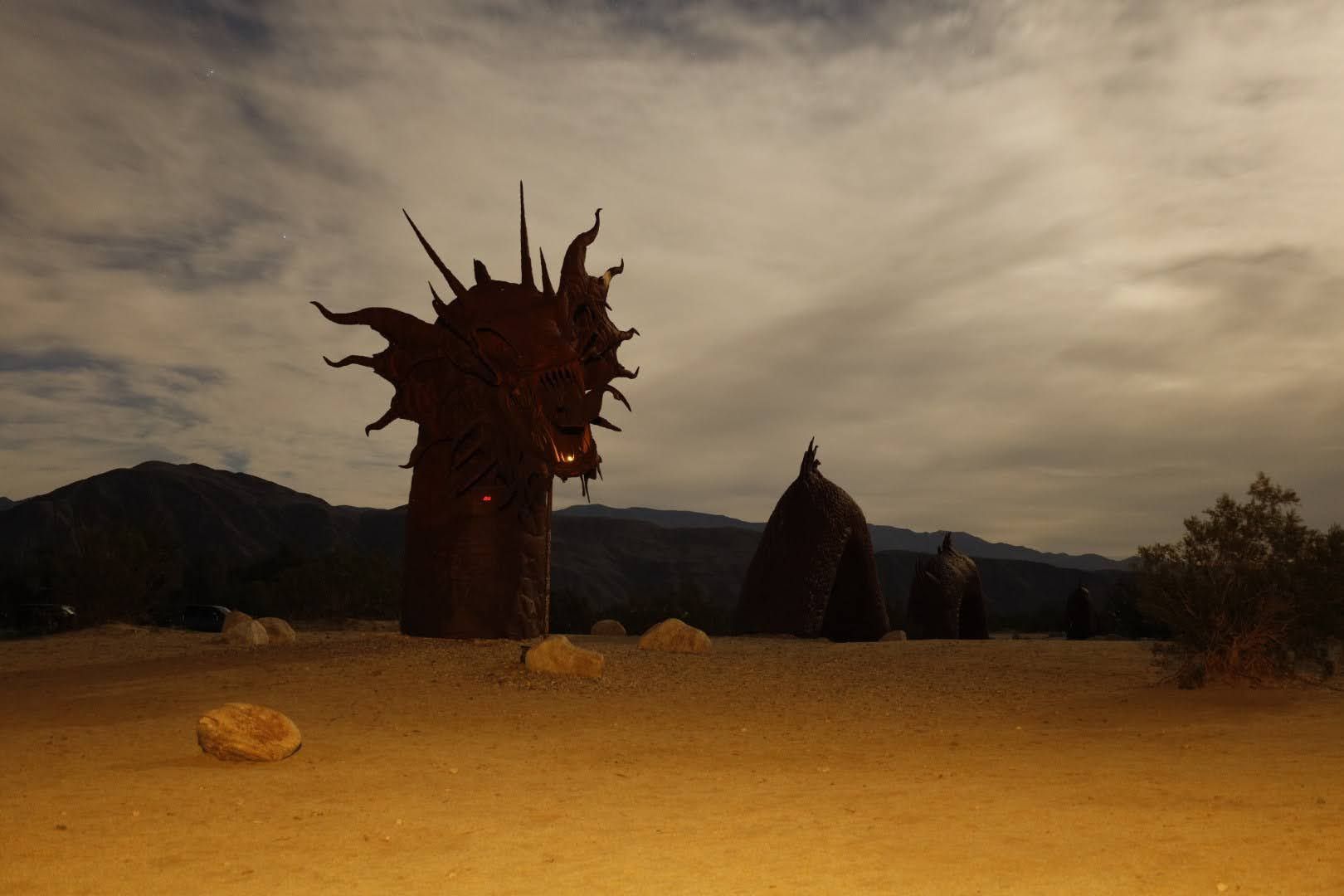
Johnny Bradley: Galleta Meadows Serpent Photo

While engaging in light hearted banter and helping others with their camera settings and set-up in Galleta Meadows, Johnny Bradley still managed to take some incredible photos of the serpent sculpture under the stars.
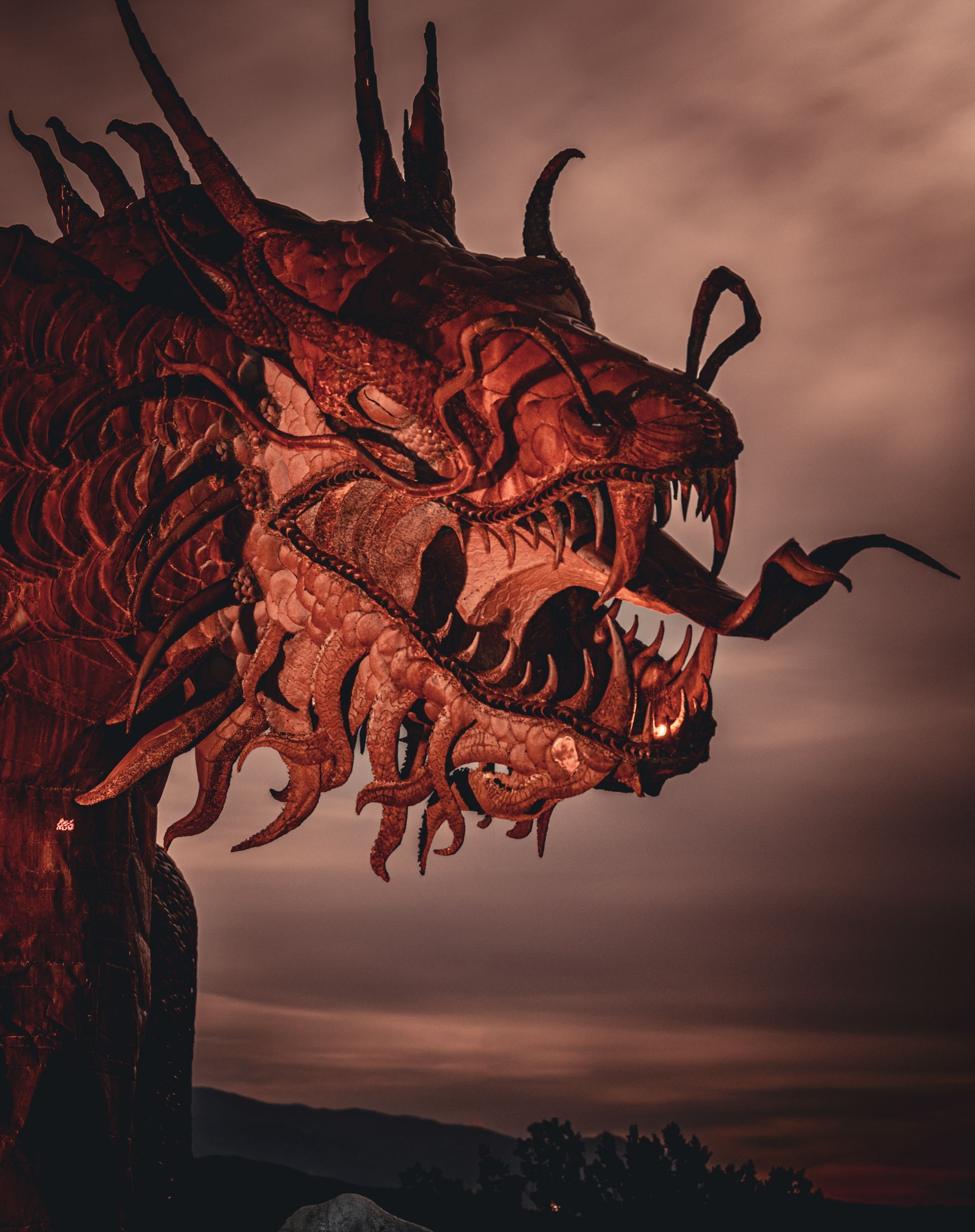

Johnny Bradley aka @manbehindalens    photo at Galleta Meadows in Borrego Springs.

Follow Johnny on YouTube: @Manbehindalens

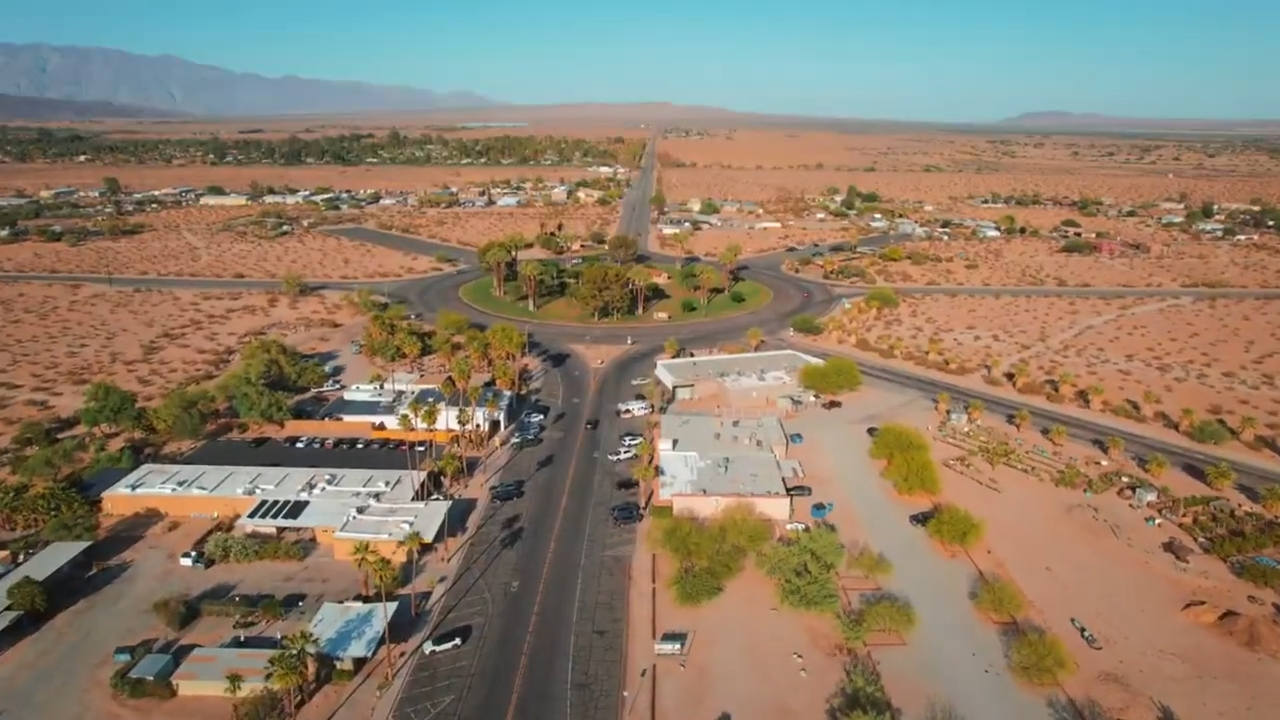
Learn More About Borrego Springs

March 6, 2026
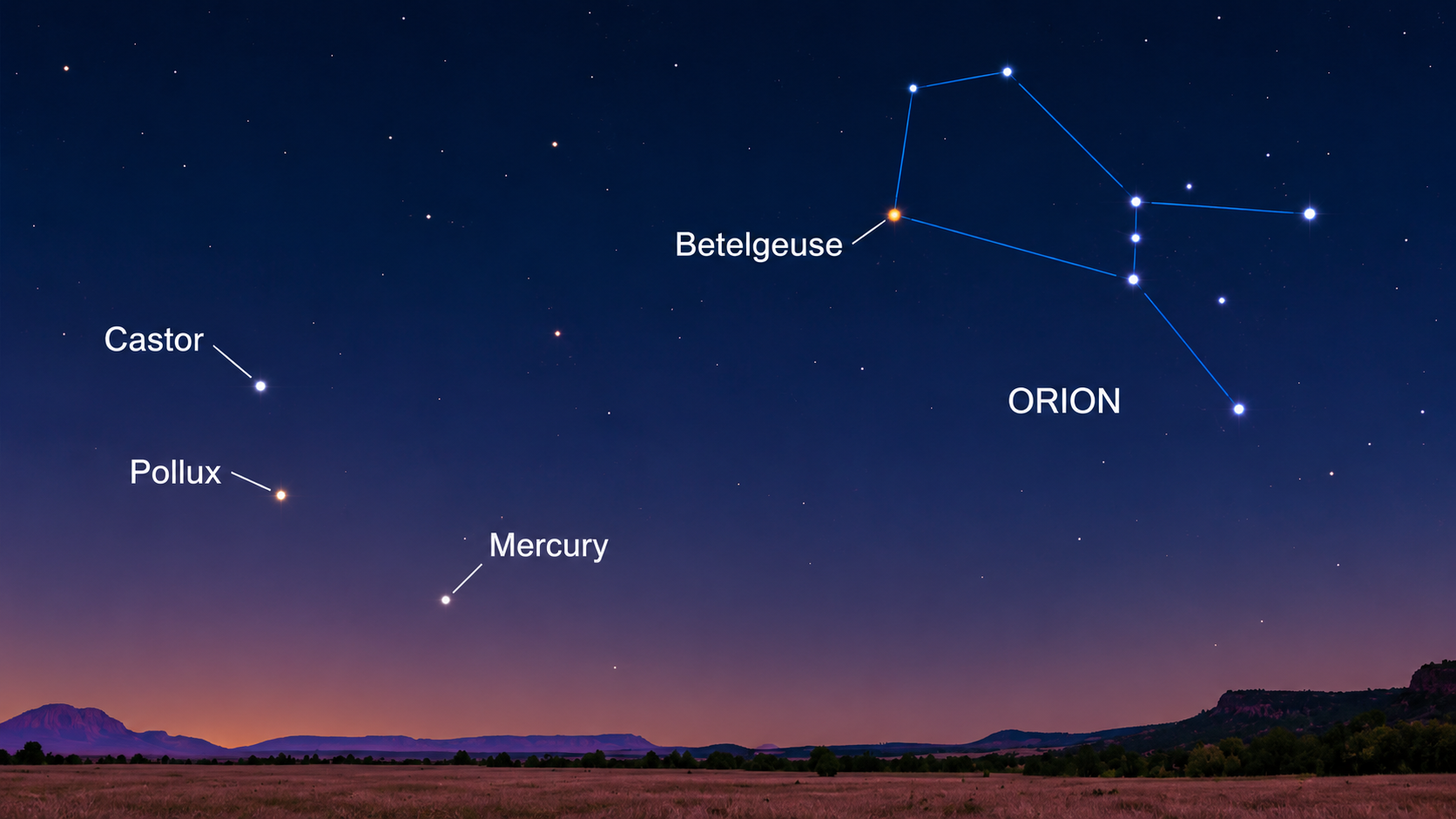
By Dennis Mammana Week of March 8-14, 2026 If you hear the word "superstar," what immediately comes to mind? Perhaps names like Tom Hanks, Taylor Swift or LeBron James? That's certainly understandable; they are all undisputed superstars who attract the attention of paparazzi and fans alike. If you're an astronomer, however, you may answer this question differently. For example, when I hear the word "superstar," I think of UY Scuti, WOH G64 or RSGC1-F01. Yes, these are superstars, but not quite how people may think. These are some of the largest stars known in our galaxy and, for that reason, are quite intriguing to us celestial paparazzi. Regular readers of this column know that our sun is also a star. It appears big and bright in our daytime sky because not only is it rather close (about 93 million miles away), it's also pretty large (nearly a million miles across). It sounds huge, but our star is rather small on a cosmic scale, and believe it or not, there are stars out there that would dwarf our sun and make it look tiny. These are the true superstars! Until recently, the largest star known was given the hopelessly poetic name of UY Scuti. At a distance of some 9,500 lightyears from Earth, UY Scuti is what is known as a red hypergiant star, with a diameter some 1,700 times that of the sun! All that changed recently, however, when astronomers found a gargantuan star some 2,150 times larger than our sun! It's named Stephenson 2-18, and if you'd like to get a peek at this stellar behemoth, you'll need more than your eyes. At a distance of some 18,900 lightyears, it appears 5,100 times fainter than we can see without a telescope. If you have no telescope but would still like to see a celestial superstar, you're in luck. There's one shining in our night sky right now; it's one of the brightest up there and is named Betelgeuse. Betelgeuse sparkles brightly in the northeastern corner of Orion, the hunter, and you can see its orange light midway up in the southern sky after dark this week. With about 15-20 times more mass than our sun, Betelgeuse is known as a red supergiant star for good reason. While we could align 109 Earths across the face of our sun, we would need at least 700 suns to cross the face of Betelgeuse! Indeed, this star is so immense that if it replaced our sun at the center of our planetary system, Betelgeuse would engulf the orbits of Mercury, Venus, Earth and Mars, and stretch part of the way to Jupiter! Yet it appears as a simple point of light in our night sky because of its tremendous distance from us — some 3,100 trillion miles, or about 520 lightyears. Betelgeuse is easily one of the largest known stars, though its size fluctuates by as much as 60% as the star shudders and pulsates on its way to an eventual supernova explosion, thousands or millions of years from now. Or tonight. We just don't know.  I hope you'll step out under the night sky soon to meet this remarkable superstar for yourself! Visit Dennis Mammana at dennismammana.com. To read features by other Creators Syndicate writers and cartoonists, visit the Creators Syndicate website at www.creators.com. Learn More About Borrego Springs
February 25, 2026
By Dennis Mammana Week of March 1-7, 2026 Attention, night owls and insomniacs! The sky show this week is just for you! Much of North America is about to see the moon experience one of nature's most beautiful sky shows: a total lunar eclipse. A lunar eclipse occurs when the full moon slips into the Earth's shadow far out in space, either partially or completely, and that's just what will happen during the wee hours of March 3. Skywatchers throughout North America will see the start of this eclipse (weather permitting, of course), but depending on where you live, you may see only a portion of the sky show. In general, the farther west you live, the more of the eclipse you will see before the moon sets behind the western horizon. The eclipse begins at 12:44 a.m. PST (3:44 a.m. EST), when the moon enters the Earth's light outer shadow (known as the penumbra), but this shadow is so thin that no one will notice a darkening of the moon's appearance. Within an hour or so, that will change significantly. As the moon approaches the dark inner shadow of the Earth (known as the umbra), skywatchers will notice the eastern side of the moon beginning to darken slightly. The real show begins at 1:50 a.m. PST (4:50 a.m. EST) when the moon officially enters the umbra. No one gazing skyward will have any doubt that a "bite" has been taken out of the moon — a bite that will grow larger with each passing minute. For the next hour or so, the moon will dim as it slips more deeply into our planet's umbra, until 3:04 a.m. PST (6:04 a.m. EST) when it's completely engulfed and the total eclipse begins. Unfortunately, those in the far eastern part of North America may miss this since the moon will lie quite close to (or even below) the western horizon. During the total phase, the moon will take on a dim coppery hue. This occurs because sunlight passing through our atmosphere is reddened and bent inward toward the darkened surface of the eclipsed moon, now suspended eerily against the stars of Leo, the lion. Only those viewing from the Midwest to the West Coast will see mid-eclipse, which occurs at 3:33 a.m. PST (5:33 a.m. CST). Those in the Midwest may miss the end of totality at 4:02 a.m. PST (6:02 a.m. CST), however, as the moon will be setting in the west. The entire event will end at 5:17 a.m. PST (4:17 a.m. MST) with the moon approaching the western horizon for viewers in western North America. Unlike an eclipse of the sun, a lunar eclipse is perfectly safe to view without protective filters. Your eyes are all you need to enjoy the show, but you'll have even more fun viewing through binoculars or a small telescope. If the sky is cloudy that morning, or if you live where the eclipse won't be visible, you can watch a livestream of the sky show online. Visit timeanddate.com and click on "Sun, Moon & Space" at the top to find details for your location, as well as links to view the eclipse live online. Visit Dennis Mammana at dennismammana.com. To read features by other Creators Syndicate writers and cartoonists, visit the Creators Syndicate website at www.creators.com.  Learn More About Borrego Springs
By Dennis Mammana February 11, 2026

Among Eridanus’ prominent stars is Epsilon Eridani. Creators.com illustration
By Dennis Mammana January 22, 2026
The Great Orion Nebula is visible with the unaided eye.
By Jake Hinton January 10, 2026
This segment aired on KTLA's Off the Clock on Jan. 7, 2026.
By Jake Hinton January 13, 2025
Explore one of Anza-Borrego Desert’s hidden gems—Borrego Ridge, a popular three-mile loop hike that offers breathtaking views over downtown Borrego Springs.
By Jake Hinton November 2, 2024
Explore Borrego Valley Airport! Get pilot tips on parking, fuel, and local highlights in this detailed video guide.
By Jake Hinton September 15, 2024
Explore the best stargazing spots in Borrego Springs, California, with a stargazing map by the Dark Sky Coalition. Discover popular locations and tips for a perfect night under the stars.
By Jake Hinton September 12, 2024
Meet Dennis Mammana, a passionate astronomer with nearly five decades of experience in unraveling the mysteries of the cosmos. Dennis’s journey began in Easton, PA, where he was captivated by the launch of the first Earth-orbiting satellites in the late 1950s.
Show More

Share This Post