Jake Hinton • June 27, 2024

Paul Thomas Anderson Filming Around Borrego Springs

Share

Paul Thomas Anderson's New Film Partially Filmed Around Borrego Springs

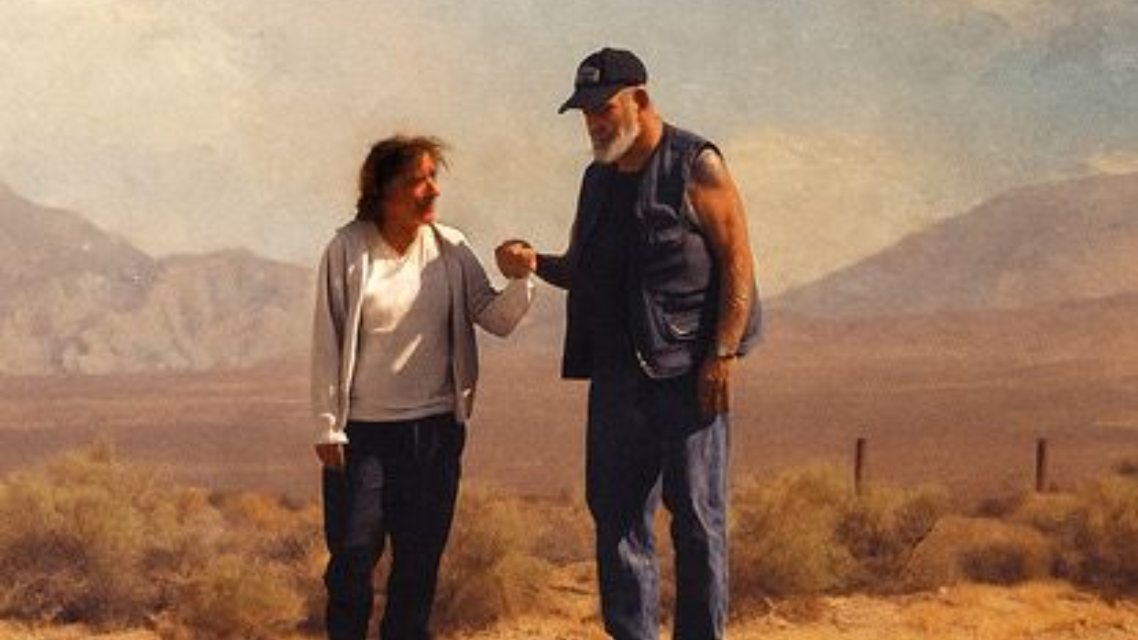
An upcoming untitled film directed by Paul Thomas Anderson and starring Leonardo DiCaprio, Regina Hall, and Sean Penn is set to hit theaters on August 8, 2025. This film has generated buzz not just for its star-studded cast and director, but also for its unique filming locations, including in and around Borrego Springs.


YouTube: @Road2

Local Filming Locations


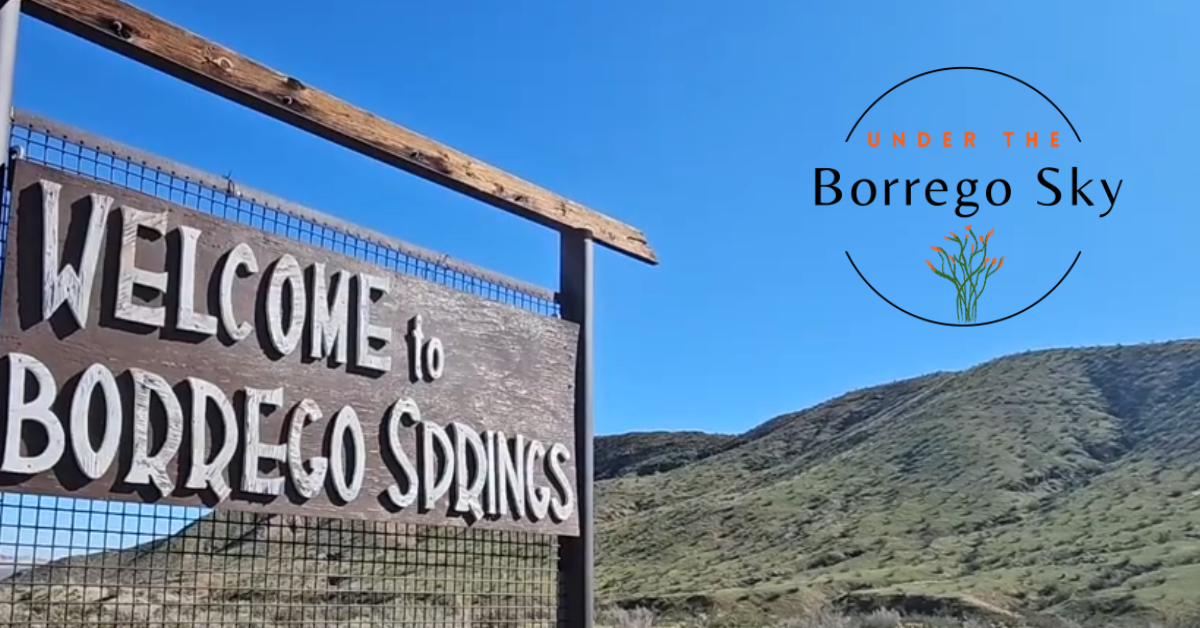
Part of the film's production took place in and around Borrego Springs, capturing the natural beauty and landscapes that define our area. Key scenes were shot along Montezuma Road, Henderson Canyon, Hellhole Canyon, and other spots within the Anza-Borrego Desert area. These locations will provide a stunning and authentic desert backdrop for the film.


Who is Paul Thomas Anderson?


Paul Thomas Anderson, also known as P.T. Anderson, is an acclaimed American filmmaker born on June 26, 1970, in Studio City, California. He is known for his distinctive storytelling and stylistic filmmaking, influenced by his early access to a vast array of films and his upbringing in the San Fernando Valley.


Notable Films:


  • Hard Eight (1996)
  • Boogie Nights (1997)
  • Magnolia (1999)
  • Punch-Drunk Love (2002)
  • There Will Be Blood (2007)
  • The Master (2012)
  • Inherent Vice (2014)
  • Phantom Thread (2017)


P.T. Anderson's films are known for their complex characters, innovative use of lighting, and ensemble casts.


Crashed Cars Parked at Borrego Springs Resort - Paul Thomas Anderson Movie

Borrego Springs Resort Hosts Hollywood


Borrego Springs Resort hosted the production crews during their stay, providing accommodation and serving as a venue for wrap-up events and other logistics. The resort became a hub of activity, offering a glimpse into the workings of a major film production.


Actor Leonardo DiCaprio spotted filming in Anza-Borrego Desert State Park on May 24, 2024, for Paul Thomas Anderson's untitled film, releasing Aug. 8, 2025.

Film's Plot


Fox5SanDiego suggested that Sicco Rood believes the movie is a modern adaptation of the 1990 Thomas Pynchon novel “Vineland.” According to Goodreads, the book is about “a group of Americans in Northern California in 1984 that are struggling with the consequences of their lives in the 60s.” Learn More About Vineland


"It will be the director's most commercial effort to date, with Variety reporting the budget is approaching $100 million."  - Variety


Social Media Mentions:

Montezuma Valley Rd. closed for filming
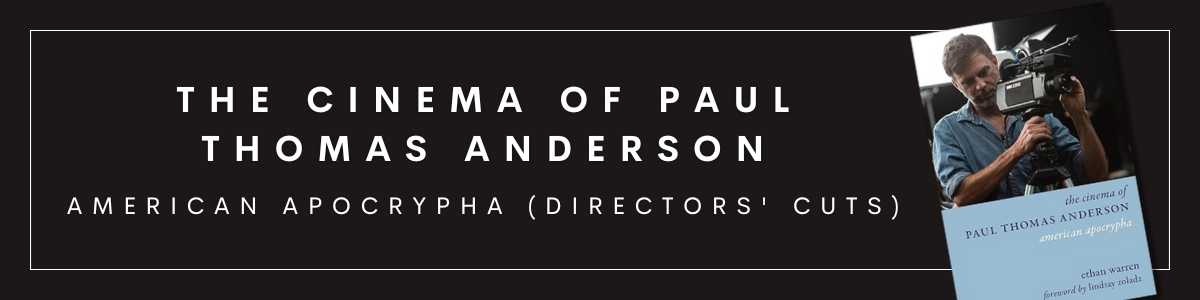
The Cinema of Paul Thomas Anderson  (Director Cuts)

Learn More About Film in Borrego Springs
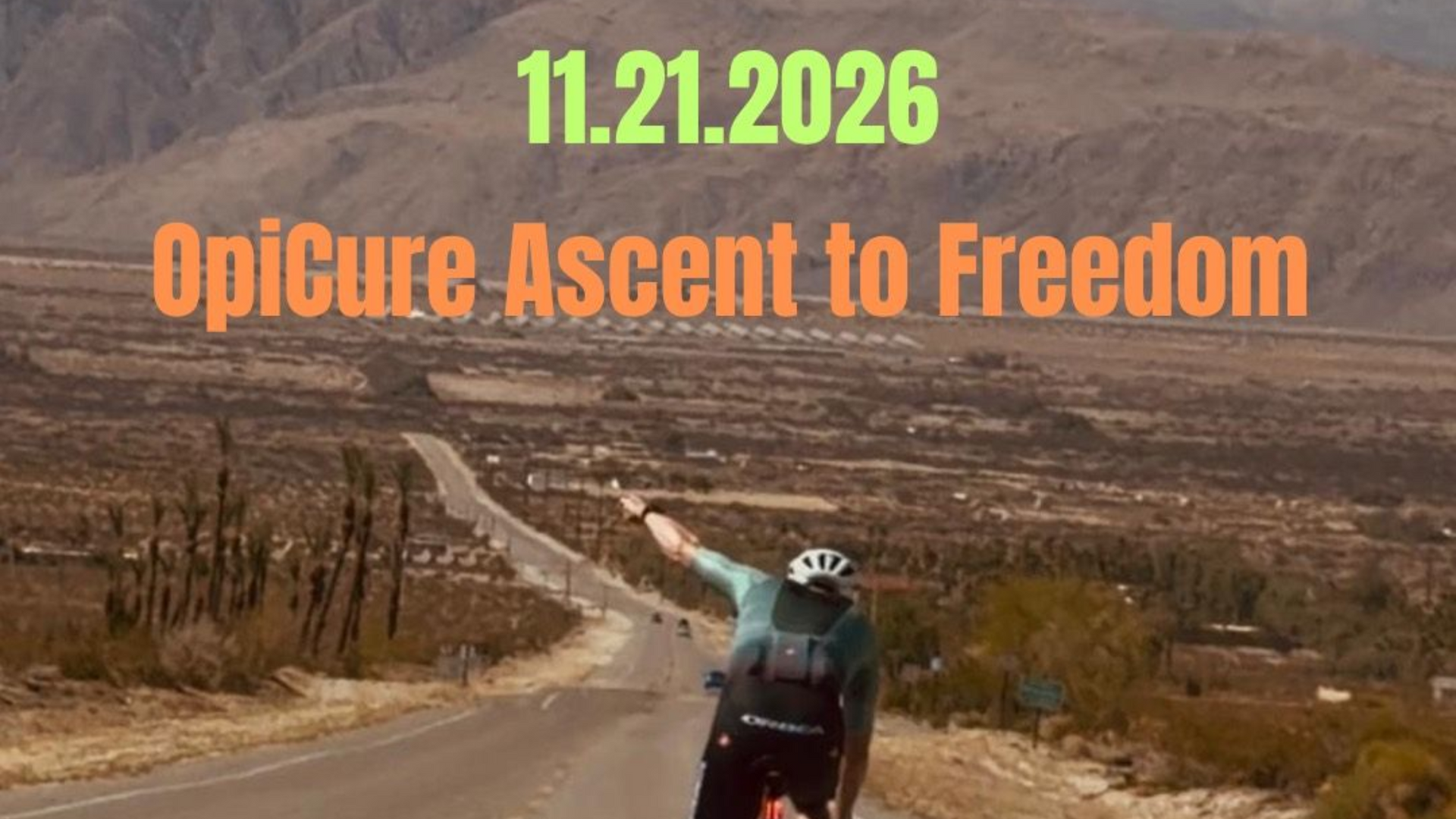
By Matt Bosson, BSFI July 20, 2026
On Wednesday, July 29, at 7pm BSFI presents: A Simple Plan – 1998 – Rated R – 2h 1m A Simple Plan is a gripping neo-noir crime thriller that represents a striking departure from Sam Raimi's reputation as a master of horror and stylized genre filmmaking. Directed by Raimi and written by Scott B. Smith, adapting his own 1993 novel, the film stars Bill Paxton, Billy Bob Thornton, and Bridget Fonda, and is set in rural Minnesota. The story follows brothers Hank (Paxton) and Jacob Mitchell (Thornton), who, along with Jacob's friend Lou (Brent Briscoe), stumble upon a crashed plane in the woods containing $4.4 million in cash. The four — including Hank's wife Sarah (Fonda) — go to great lengths to keep the money secret, but begin to doubt each other's trust, resulting in lies, deceit, and murder. Roger Ebert, who ranked the film fourth on his list of the best films of 1998, praised how rarely a film is "this skillful at drawing us, step by step, into the consequences of criminal action," and Gene Siskel called it "an exceedingly well-directed genre picture" in which Raimi "does an excellent job of presaging the lethal violence that follows." A Simple Plan premiered at the 1998 Toronto International Film Festival to critical acclaim, before a limited US release in 1998. It underperformed at the box office, grossing $16.3 million, but was widely praised by critics. On the awards front, the film earned two Academy Award nominations: one for Best Supporting Actor for Thornton and one for Best Adapted Screenplay for Smith. After Paxton's death in 2017, critic Matt Zoller Seitz declared his performance as Hank the finest of Paxton's career — a fitting testament to a film that, despite its modest box office, has only grown in reputation as one of the most emotionally devastating thrillers of its era. This season’s BSFI movie screenings are being generously underwritten by the Borrego Valley Endowment Fund (BVEF). A Simple Plan — Free BSFI Movie Screening When: Wednesday, July 29 at 7 p.m. Doors open at 6:30 p.m. Where: Borrego Springs Performing Arts Center, 590 Palm Canyon Drive, Borrego Springs Rating/Runtime: Rated R | 2 hours, 1 minute
By Marine Science Institute July 20, 2026
Marine Science Institute has named Lisa Biasillo its new Executive Director, succeeding longtime leader Marilou Seiff.
By Dennis Mammana July 18, 2026
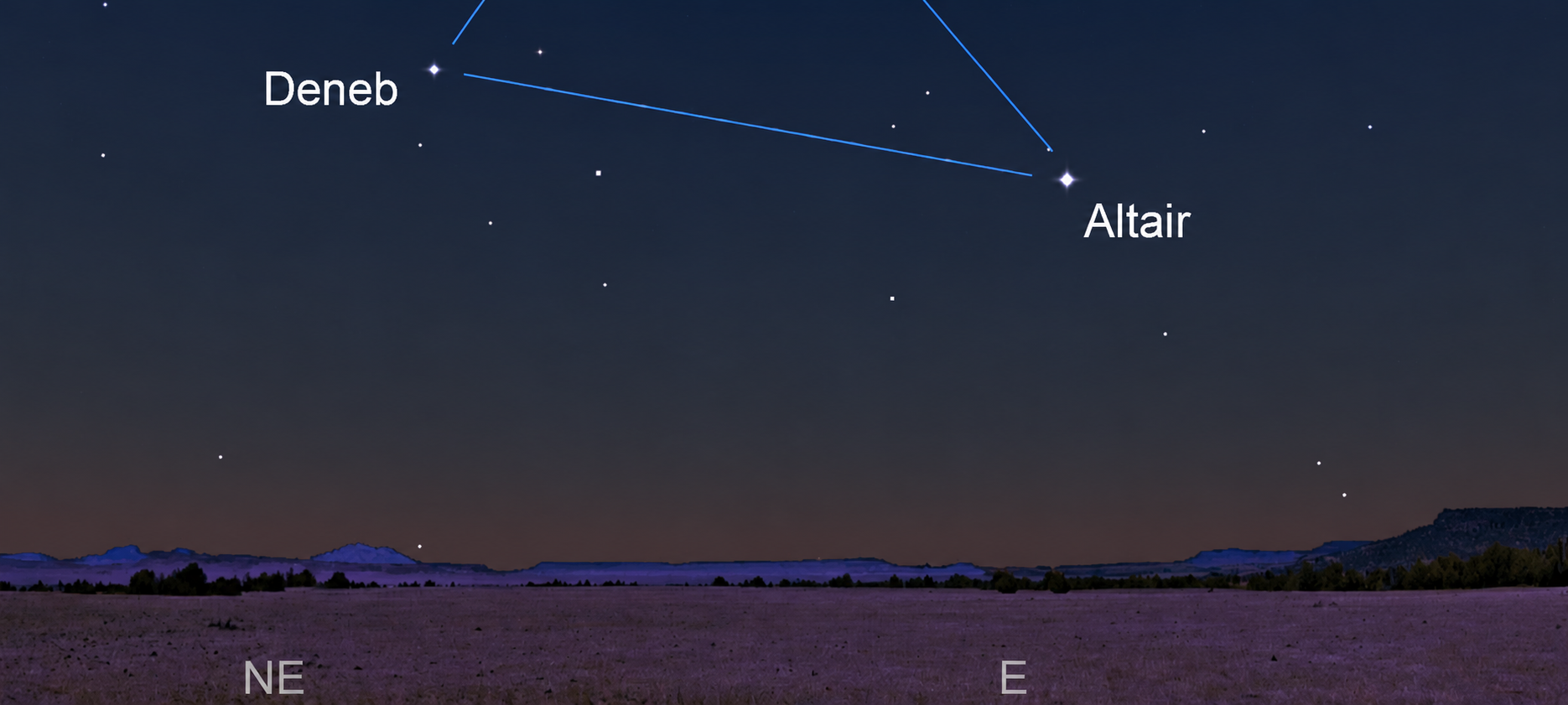
By Dennis Mammana Week of July 19-25, 2026 We can spend our time under the stars trying to find constellation figures from mythological times, but we'll always have limited success. If we really want to see pictures among the stars, I'm afraid we need to create our own. You may remember from previous articles that constellations are simply areas of the sky, and do not resemble their namesakes. Corvus looks nothing like a crow. Trying to find a bear in Ursa Major? Fuhgetaboutit! And Scorpius, the scorpion ... well, OK, there will always be one exception. No, if you want to see pictures among the stars, you must invent your own. And that's where asterisms come in. An asterism is a group of stars that we connect in our imaginations to look like something. Some of the easiest of these to create are geometrical figures. If you ever took a geometry class, you may recall that a point is the simplest of these — a figure with no length, width or depth. In the sky, every star forms a point; connect any three of these, and you'll create a triangle. One in particular, though, is different. It's larger and brighter, and we can find it midway up in our eastern sky after dark. It's called the Summer Triangle. It's not a constellation but rather an asterism made of three stars from three separate constellations, but that doesn't mean that early storytellers overlooked this prominent star grouping. For example, an ancient Chinese love tale tells that the star Deneb represents a magpie bridge over the Milky Way, which allows the separated lovers Altair and Vega to be reunited on only one summer night each year.  The brightest of the stellar trio — and highest in the sky this week — is Vega, the most prominent star in the constellation of Lyra, the harp. It lies 150 trillion miles from us (about 25 lightyears); in other words, the light arriving tonight from Vega began its journey toward our eyes in 2001. The southeasternmost of the three stars is Altair, the brightest in the constellation of Aquila, the eagle. Its name comes from the Arabic Al Nasr al Tair, meaning in English "the flying eagle." Altair lies about 96 trillion miles (17 lightyears) from us. Not only is Altair one of the nearest stars, it's also one of the most rapidly spinning, completing one rotation in just 6.5 hours! Finally, farthest to the northeast lies Deneb, marking the tail of the great swan Cygnus, more easily recognized as the Northern Cross. It's not certain, but we think that Deneb could lie as far away as 2,600 lightyears from Earth. If it's truly that distant, this star could be one of the most brilliant in our entire galaxy, with a luminosity equivalent to 200,000 suns, and would generate more light in one day than our sun has produced since the days of Marco Polo at the end of the 13th century! With the overwhelmingly bright moonlight this week and next, the brightest stars are about all we'll be able to see, but you can still head outdoors to check out the brightest of the summer — the Summer Triangle. Visit Dennis Mammana at dennismammana.com. To read features by other Creators Syndicate writers and cartoonists, visit the Creators Syndicate website at www.creators.com . Learn More About Borrego Springs
 Military history of Borrego Maneuver Area
By Fred Jee July 17, 2026
Discover the military history of Borrego Maneuver Area in Anza-Borrego Desert State Park, highlighting its role from 1942 to 1959 as a crucial military training and testing ground.
By BSCCA Board July 16, 2026
Celebrating another year of exceptional performances while bringing free concerts to local school children.
By Matt Bosson BSFI July 15, 2026
Free Summer Movies Continue in Borrego Springs This July
By Andrea McKenna July 12, 2026
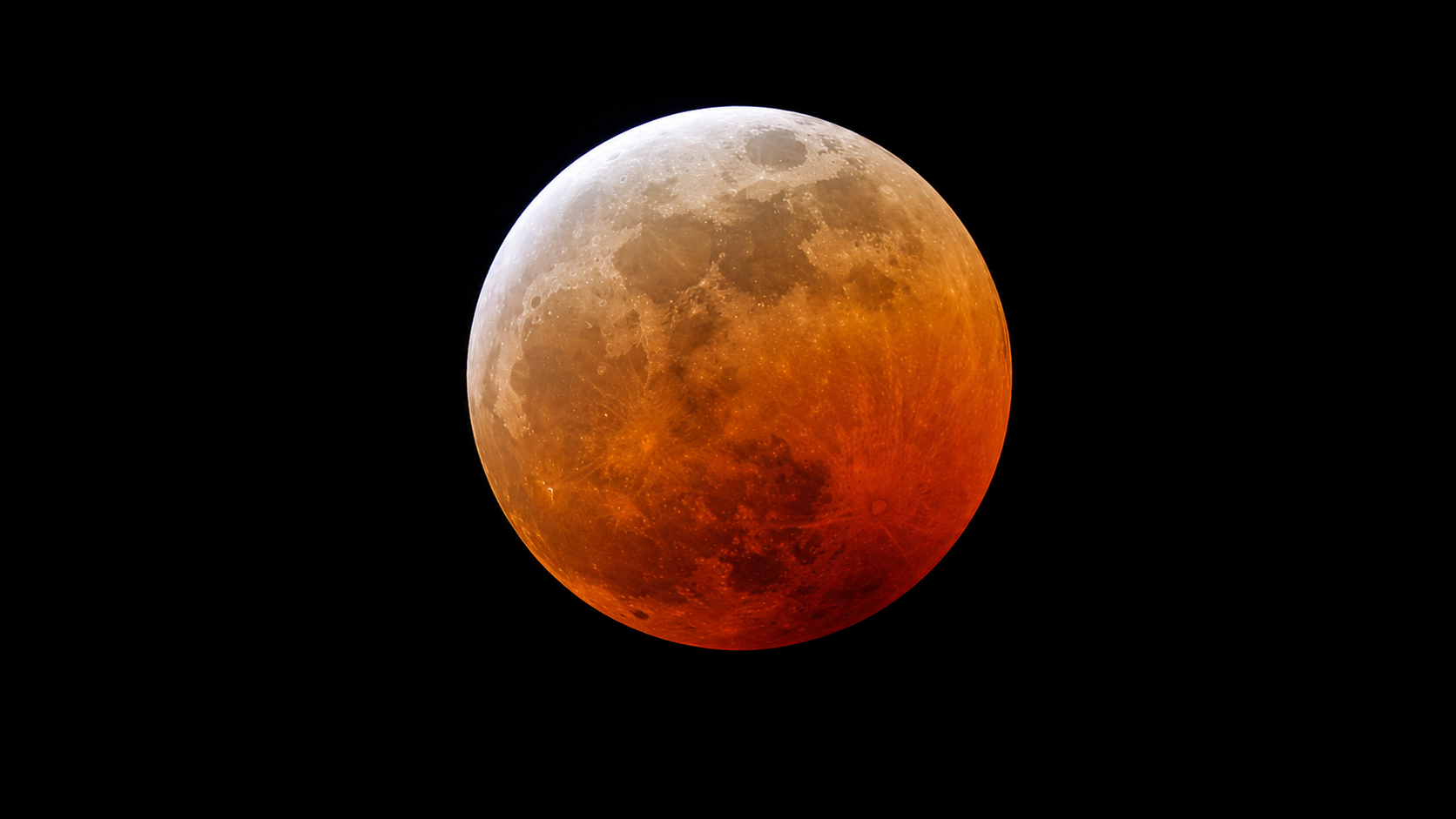
Reserve Your Spot for the Lunar Eclipse Spectacular
By Andrea McKenna July 12, 2026
Participants experienced Borrego Springs' dark skies through guided telescope viewing and expert commentary.
By Andrea McKenna July 8, 2026
When the future of the Community Concert Association was uncertain, Bill Wright inspired a path forward through growth, volunteers and community support. As the Borrego Springs Community Concert Association announces its new season, it is worth remembering the people who helped keep this tradition alive. Founded in 1975, the all-volunteer nonprofit brings high-quality, eclectic music to Borrego Springs. Each season includes five public concerts and four free educational concerts for local students. Children are bused to the Borrego Springs Performing Arts Center to experience professional live music, and musicians also visit local schools for interactive programs that introduce students to music up close. That tradition almost came to an end. When the Association had fallen on hard times (2015) and was preparing to disband, Bill Wright stepped forward. By reaching out to his many business associates, Bill raised enough money to help save the organization and keep professional musicians coming to the Borrego stage. Among his written correspondence with the board, Bill Wright repeatedly advocated for “growth, not reduction,” encouraged members to “recruit new volunteers” and “develop sponsorship opportunities,” and closed one letter with a promise that captured his commitment: “We will do more than our share to keep the great music series going.”
By Andrea McKenna July 7, 2026
Make a Night Sky Tour Part of Your July Getaway
By California Wolf Center July 6, 2026
Limited-time summer promotion encourages families to explore wolf conservation and education in Julian.
By Dennis Mammana July 5, 2026
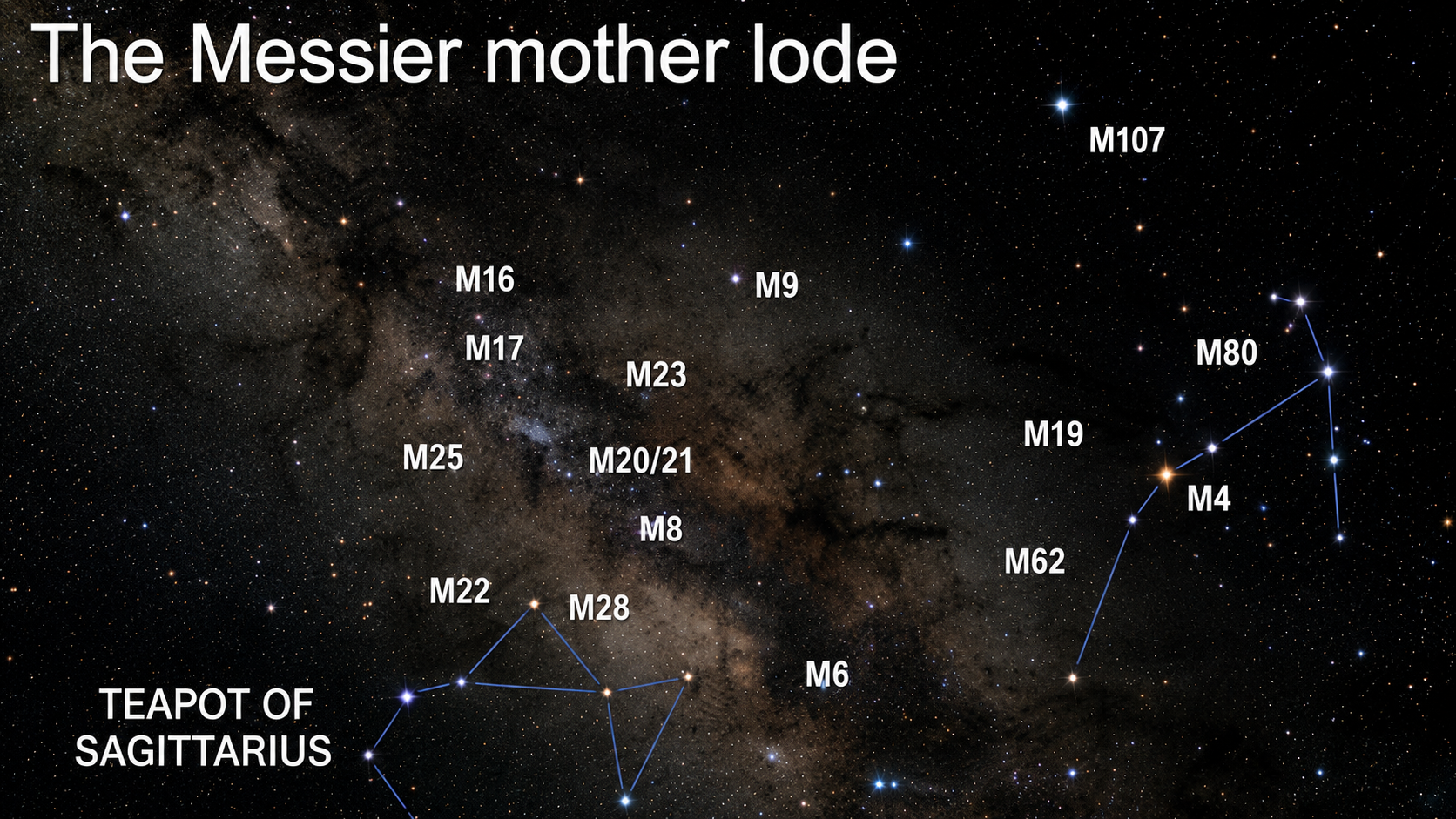
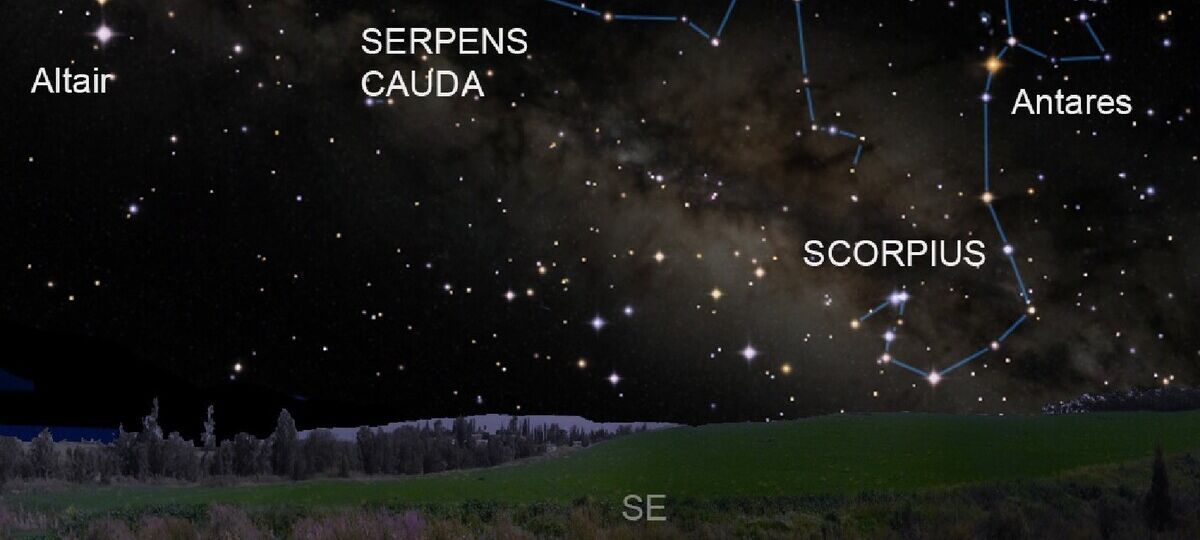
By Dennis Mammana Week of July 5-11, 2026 There's a constellation in our night sky right now that is somewhat unknown to stargazers. Despite being huge — it's the 11th-largest in all the heavens — it has no stars brighter than the North Star, so you won't find it easily without a pretty dark sky. Its name is Ophiuchus (oh-fee-YOU-kuhs), and if you'd like to find it this month, you'll need to get away from the city lights and gaze midway up in the southeast shortly after dark. Ophiuchus (the serpent-bearer) represents Aesculapiu, the ancient Greco-Roman god of medicine, healing and physicians, and its brightest star is named Rasalhague, which is Arabic for "Head of the Snake Charmer." Draped from one side of Ophiuchus to the other lies Serpens — the only two-part constellation in the heavens — with its head on one side (Serpens Caput) and its tail on the other (Serpens Cauda). I admit that it requires quite an imagination to find these star groupings, but once you do, you'll know them forever. In fact, you may even recognize this shape, especially if you've ever searched online for the name of a physician. Quite often, you'll find the image of two serpents wrapped around a vertical staff that appears topped by a round knob and is flanked by wings. It's known as the "caduceus," and since 1902, when the U.S. Army adopted it as the insignia of its Medical Corps, it has been the familiar emblem of the American medical profession. Many medical associations — including the World Health Organization — use what some consider to be the "correct" and traditional symbol of medicine: the staff of Asclepius, with a single serpent encircling a staff. Either way, people have long associated the serpent with medicine. Once you find its stars, you'll see that Ophiuchus lies along some of the thickest star clouds of the Milky Way. If you've managed to get yourself to a rural location with a non-light-polluted sky, you'll have little trouble finding the hazy band of the Milky Way passing near this constellation, along with the bright reddish-orange star Antares (the heart of Scorpius, the scorpion) just to its lower right. Be sure to take binoculars with you so you can scan this celestial region. Here you'll find countless "faint fuzzies" (as amateur astronomers affectionately call deep-sky objects). Many of these are star clusters — collections of dozens, hundreds or even thousands of stars held together by gravitation — and interstellar nebulae, where stars and planetary systems are constantly forming. Now, while you're gazing at the stars of Ophiuchus, here's a little tidbit to wrap your head around: This constellation is not one of the official signs of the zodiac, but it should be. Why, you ask? Because the sun spends three times as many days in front of the stars of Ophiuchus as it does in Scorpius. So why, then, is this constellation missing from the official zodiacal signs in horoscope tables? Your guess is as good as mine. Just remember, if you were born between Nov. 29 and Dec. 17, you're not a "Scorpio" or "Sagittarius," as you might have thought. You're actually an Ophiuchan! Make of that what you will... Visit Dennis Mammana at dennismammana.com. To read features by other Creators Syndicate writers and cartoonists, visit the Creators Syndicate website at www.creators.com . Learn More About Borrego Springs
Film History in Borrego: Fred Jee
By Fred Jee July 5, 2026
Explore Borrego Springs' cinematic history with insights into classic films and TV series filmed in this picturesque desert, including "The X-Files." Perfect for film lovers and history buffs.
By Andrea McKenna July 1, 2026
A Hollywood fun fact courtesy of longtime Park Ranger Fred Jee.
By Andrea McKenna July 1, 2026
Don't Miss These Summer Night Sky Events
By East County Performing Arts June 30, 2026
East County Performing Arts Association unveils six shows for its fifth season in Julian.
June 30, 2026
Join Bingo Nights every Tuesday at The American Legion Post 853 in Borrego Springs!
By Dennis Mammana June 27, 2026
By Dennis Mammana Week of June 28 - July 4, 2026 It was bound to happen: The heat of summer has arrived at my desert home. As I write these words, it's 115 F outside, and it's just the beginning of the blistering heat we'll experience for months. This is no surprise, of course. We're all quite familiar with this seasonal pattern; in fact, most of us learned in grade school about the seasons and what causes them, but you'd be surprised how little some people remember of those basic lessons. I was stunned when I first heard of a 1987 video in which filmmakers Matthew H. Schneps and Philip Sadler of the Harvard-Smithsonian Center for Astrophysics interviewed recent Harvard University graduates, faculty members and alumni — some with science backgrounds — and asked them a simple question: What causes our seasons? Twenty-one of the 23 people interviewed did not know the answer. This is Harvard, people. Harvard! If you can't believe it, watch it online here. Oh, sure, they offered elaborate explanations and tried to be convincing, but it's obvious they had no clue. The most common reason they cited for the summertime heat was that the Earth lies closest to the sun at that time of year, and the cold of winter is caused by our greater distance from the sun. Sounds perfectly reasonable, doesn't it? But it's wrong. So very wrong. Now it is true that our planet orbits the sun not in a circular path but in an elliptical path, and that our distance from the sun varies throughout the year, but only by about 3%. What seems counterintuitive, however, is that we're closest to the sun not during our Northern Hemisphere summer but during our winter! In 2026, the Earth will reach its farthest point from the sun ("aphelion") on July 6, when we will lie 94,502,961 miles from our star. This occurs during the Northern Hemisphere summer. The Earth's nearest point ("perihelion") won't arrive until Jan. 2, 2027 (during our winter), when we'll be 91,406,556 miles from the sun. Of course, if you happen to live in the Southern Hemisphere, where seasons are reversed from those north of the equator, our planet's perihelion does occur during their summertime. But that's a story for another time. So, if our distance from the sun doesn't cause seasonal temperature changes throughout the year, what does? Well, as we all learned in third grade, it's the tilt of the Earth's axis. Our planet is tipped about 23.4 degrees to the plane of its orbit around the sun. From mid-March to mid-September, the Earth's Northern Hemisphere is tilted toward the sun, allowing solar rays to beat directly down upon us. During these longer days, heat accumulates in our atmosphere while having little time to escape into space during the much shorter nights. In other words, it's not our changing distance from the sun that causes the buildup of summer heat; it's the tilt of our planet that produces long days and short nights — just as it always has. Unfortunately, few still seem to understand this simple phenomenon, and I suspect if we did this same interview today, we'd see even less informed answers than four decades ago! Visit Dennis Mammana at dennismammana.com. To read features by other Creators Syndicate writers and cartoonists, visit the Creators Syndicate website at www.creators.com . Learn More About Borrego Springs
June 21, 2026
Prepared with information from ABDNHA's Dark Sky resources, Michael Poirier, Astrophotographer, and the Sky Calendar from Michigan State University. Learn more about Borrego Springs dark skies at: https://abdnha.org/darksky/sky / Note: You can subscribe to the Sky Calendar from Abrams Planetarium, Michigan State University, 755 Science Rd, East Lansing, MI 48824. Borrego Springs offers some of the darkest skies in Southern California, making summer an excellent time to observe the Milky Way, planets, meteor showers, and other celestial events. Here's what to look for in June and July 2026. Early June Sunrise: 5:38 a.m. Sunset: 7:50 p.m. PST Day Length: 14 hours 12 minutes June Highlights June 1 (Monday) Venus and Jupiter appear within 8° of each other in the west-northwestern sky after sunset. June 3–16 Milky Way viewing conditions are excellent, with dark, moonless skies after nightfall. The Milky Way rises at 10:57 p.m. on June 7 and as early as 10:30 p.m. on June 14. It remains visible for up to 4 hours and 29 minutes. June 6–13 Grand Canyon Star Party, Arizona. Learn more at www.grandcanyon.org . June 11 (Thursday) Venus, Jupiter, and Mercury span their shortest angle in the evening sky, just 13.2° apart. June 15 (Monday) New Moon — one of the darkest nights of the month for stargazing and astrophotography. June 15 (Monday) Mercury reaches greatest elongation, 24.5° from the Sun, making it the best evening appearance of the year shortly after sunset. June 21 (Sunday) June Solstice marks the beginning of summer in the Northern Hemisphere. It is the longest day of the year with 14 hours and 20 minutes of daylight. June 22–July 2 June Bootids Meteor Shower. June 29 (Monday) Full Moon rises at 8:17 p.m. and sets at 5:04 a.m. June 30 (Tuesday) Asteroid Day. Early July Sunrise: 5:41 a.m. Sunset: 7:59 p.m. Day Length: 14 hours 18 minutes July Highlights July 5 (Sunday) The Milky Way rises at 9:38 p.m. and remains visible for 3 hours and 58 minutes. July 12 (Sunday) The Milky Way rises at 9:34 p.m. and remains visible for 3 hours and 35 minutes. July 14 (Tuesday) New Moon — ideal conditions for stargazing and astrophotography. July 15 (Wednesday) Mercury reaches greatest elongation, 24.5° from the Sun. July 28–29 (Tuesday–Wednesday) Delta Aquariids Meteor Shower peaks. July 29 (Wednesday) Full Moon rises at 8:17 p.m. and sets at 5:04 a.m. The Planets and the Milky Way in June Evening Planets Venus and Jupiter dominate the western sky after sunset throughout June. Around June 8–9, the two planets appear in conjunction, creating a striking close encounter in the west-northwestern sky. Venus, often called the "Evening Star," shines brilliantly as it moves from Taurus toward Gemini and climbs higher in the evening sky each night. Jupiter remains nearby and is also easily visible. Mercury becomes visible low in the western sky during the second half of June. June 15 offers the best viewing opportunity, as Mercury reaches its greatest elongation and highest apparent position above the horizon. Morning Planets Saturn and Mars are visible before sunrise. Mars remains low in the east-northeast, while Saturn rises higher from the east to east-southeast. Early June provides a chance to see the two planets relatively close together. Summer Milky Way Summer is the prime season for viewing the bright central core of the Milky Way. From June through August, the galaxy's core rises in the southeastern sky and becomes one of the most spectacular sights available to dark-sky observers. June Bootids Meteor Shower The June Bootids occur annually from June 22 through July 2 and peak around June 27. Most years produce only one or two meteors per hour. However, this shower has occasionally surprised observers with dramatic outbursts. In 1998, rates briefly reached approximately 100 meteors per hour. The shower originates from debris left by Comet Pons-Winnecke, which orbits the Sun every 6.3 years. June Bootids are known for their unusually slow speed, entering Earth's atmosphere at approximately 14 kilometers per second. Asteroid Day – June 30 Asteroid Day is a United Nations-sanctioned global awareness campaign held annually on June 30. The event educates the public about asteroid impacts, planetary defense, and ongoing research into near-Earth objects. The date commemorates the Tunguska Event of June 30, 1908, when a massive airburst explosion flattened approximately 830 square miles of Siberian forest. The blast is estimated to have released energy equivalent to between 3 and 50 megatons of TNT, making it the largest recorded impact event in modern history. For more information, visit www.un.org. Delta Aquariids Meteor Shower The Delta Aquariids meteor shower peaks on the night of July 28 and the morning of July 29. This annual shower can produce up to 20 meteors per hour under ideal conditions and is associated with debris from Comets Marsden and Kracht. The shower runs from July 12 through August 23 each year. Unfortunately, the 2026 peak coincides with a Full Moon, which will wash out many fainter meteors. Patient observers may still catch some of the brighter meteors throughout the night. The meteors appear to radiate from the constellation Aquarius but can be seen anywhere in the sky. Learn More About Borrego Springs' Dark Skies Borrego Springs is California's first International Dark Sky Community and one of the best places in Southern California to experience the Milky Way, meteor showers, planets, and other celestial events. To learn where to observe, dark sky etiquette, upcoming programs, and more about stargazing in Borrego Springs, visit the Anza-Borrego Desert Natural History Association's Dark Sky resources: https://abdnha.org/darksky/sky/
By Andrea McKenna June 18, 2026
Regional event celebrates the night sky, science, and dark sky preservation Borrego Springs residents who enjoy stargazing, astronomy, and protecting the night sky may want to mark their calendars for the 2026 San Diego Dark Sky Festival , scheduled for August 15 from 3 p.m. to 11 p.m. at Julian Union High School in Julian. The festival will feature distinguished speakers, telescope viewing, hands-on activities, educational exhibits, and opportunities to learn more about the growing dark sky movement throughout San Diego County. The event is organized by DarkSky San Diego County and regional partners committed to reducing light pollution and preserving access to natural darkness. Activities are designed for families, students, amateur astronomers, and anyone interested in the night sky. Festival organizers describe it as a celebration of stars, science, and community. For Borrego Springs residents, the festival highlights a cause that has become part of the community's identity. Borrego Springs was California's first International Dark Sky Community , earning recognition for its efforts to reduce light pollution and preserve exceptional night-sky viewing. Julian followed with its own International Dark Sky Community designation in 2021, creating a network of dark-sky advocates in San Diego County's backcountry. The festival also showcases the growing regional movement to protect dark skies. Organizations from Borrego Springs, Julian, Fallbrook, Mission Trails Regional Park, and the Laguna Mountain area are working together to promote responsible lighting and preserve natural darkness for future generations. Visitors can expect telescope viewing, astronomy demonstrations, educational booths, and presentations on the importance of natural darkness for wildlife, human health, and energy conservation. Similar festivals have drawn large crowds and provided opportunities for the public to experience some of Southern California's best night skies. For many Borrego Springs residents, the event offers a chance to connect with neighboring dark-sky communities while celebrating one of the region's greatest natural resources—the star-filled skies that make both Borrego Springs and Julian special destinations for stargazing. ------------------ Fun Local Fact: K-RAM 90.5 FM at 730 Christmas Circle recently received a Night Sky Friendly Business Certificate of Merit from the Borrego Springs Dark Sky Coalition. The building also houses a Dark Sky visitor center and Borrego Valley Realty, where realtor Mary Watkins helps visitors learn more about protecting Borrego Springs' famous night skies.





Show More

Share This Post