Jake Hinton • January 14, 2024

Valentine's Day in Borrego Springs: A Romantic Desert Hideaway

Share

Celebrate Love in the Heart of the Desert
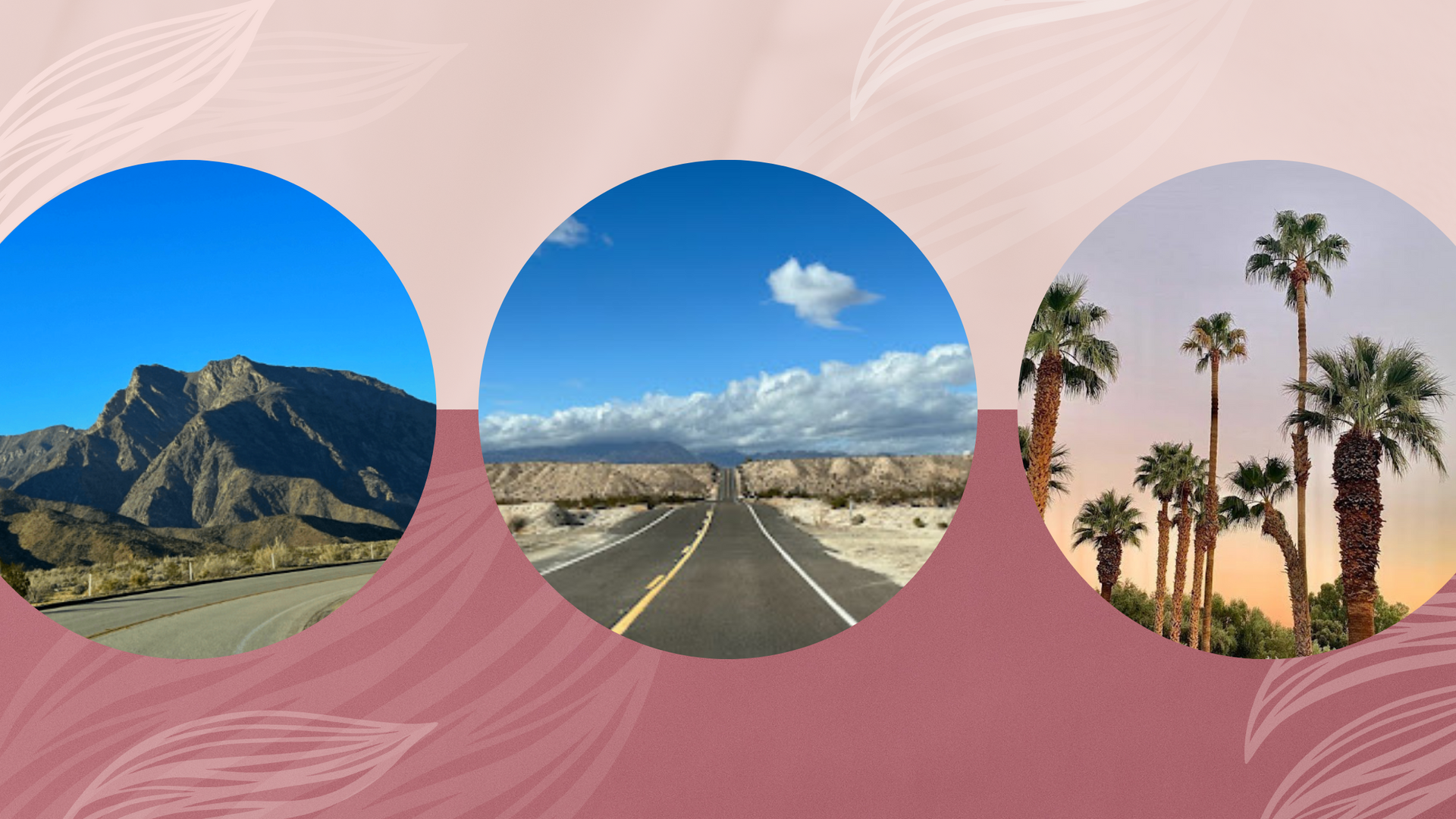
Valentine's Day In Borrego Springs

Embrace the allure of the desert this Valentine's Day in Borrego Springs, a charming town nestled in the vast expanse of the Anza-Borrego Desert. A perfect escape from the bustling cities of Southern California, it offers a unique blend of adventure, relaxation, and romantic experiences.


Easily Accessible from Major Cities


  • Los Angeles: Approximately 2 ½ hours (150 miles)
  • San Diego: About 2 hours (85 miles)
  • Palm Springs: Roughly 1 ½ hours (85 miles)
  • Temecula: Nearly 1 ½ hours (85 miles)


Valentine's Day Activities in Borrego Springs


1. Star Gazing: An Intimate Cosmic Dance


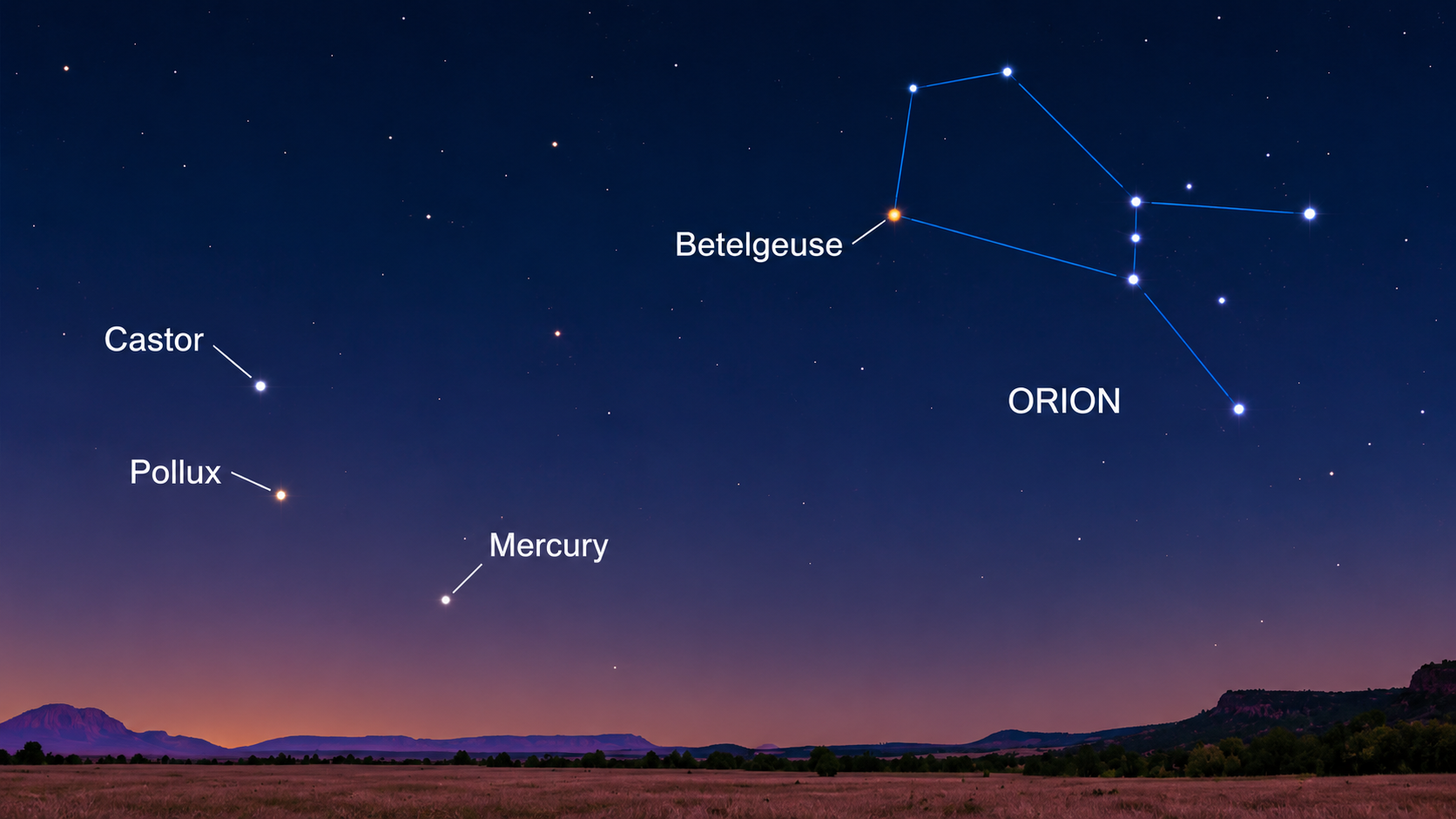
Borrego Springs, as an International Dark Sky Community, provides an unspoiled view of the night sky. Couples can marvel at the Milky Way and countless stars, creating a romantic and unforgettable experience.


2. Hiking: Trails of Togetherness


Explore the scenic beauty of Anza-Borrego Desert State Park. Trails like the Palm Canyon Trail offer breathtaking vistas and the possibility of spotting the elusive bighorn sheep. Learn more.


3. Scenic Drives: Love on the Open Road


Embark on a journey through the captivating Borrego Badlands or explore the diverse landscapes along the Erosion Road tour, enjoying the desert's serene beauty together.


4. Unique Accommodations:


  • La Casa del Zorro: This luxurious resort offers an idyllic setting with elegant rooms and casitas, some featuring private pools or spas. Ideal for a romantic escape, with food onsite. Discover more.
  • Borrego Valley Inn: Provides a tranquil and intimate experience, complete with hot tubs and desert views. Perfect for couples seeking serenity. Learn more.
  • Palm Canyon Hotel & RV Resort: Offers a variety of hotel rooms that combine the charm of the desert with modern comforts, ideal for a cozy and romantic stay, with food on site. Explore their hotel
  • Bungalows of the Desert: Offers cozy and private vintage camping trailers, ideal for a secluded romantic retreat. Check availability.
  • Mid-Century Modern Airbnbs and Unique Desert Homes: For a distinctive stay, consider renting one of the many mid-century modern Airbnbs or unique desert homes in Borrego Springs​​​​.
  • Borrego Springs Resort & Spa: This resort is an exquisite blend of comfort and elegance, set against the breathtaking backdrop of the Santa Rosa Mountains, food on-site. Learn more.


5. California Overland Desert Excursions:


Experience the desert like never before with California Overland's desert tours. From off-road adventures to astronomy camping trips, these excursions provide an adventurous and memorable Valentine's Day experience. Book your adventure.


6. Dining Delights:


Savor a romantic meal at one of Borrego Springs' restaurants, offering a variety of cuisines from gourmet dishes to local flavors.


7. Art and Culture: A Visual Love Story


Visit the Borrego Art Institute at Christmas Circle to enjoy an array of high-quality art. Admission is free, perfect for an artistic date.


8. Galleta Meadows: Sculptures in the Sand


Discover the magnificent metal sculptures of Galleta Meadows, set against the desert landscape, offering a unique and romantic backdrop.


Planning Your Trip


  • Ideal Duration: A 3-4 day stay is recommended to fully immerse in the beauty and offerings of Borrego Springs.
  • Transportation Tips: Renting a car, especially a 4×4, is advisable to explore the various attractions comfortably.


Quick Summary


Borrego Springs is a dreamy Valentine's Day destination, offering an enchanting mix of adventure, serenity, and romantic moments. With its clear night skies, beautiful landscapes, and unique accommodations, it promises an unforgettable experience for couples.


Stay Connected with Borrego Springs


By Andrea McKenna July 7, 2026
Make a Night Sky Tour Part of Your July Getaway
By Dennis Mammana July 5, 2026
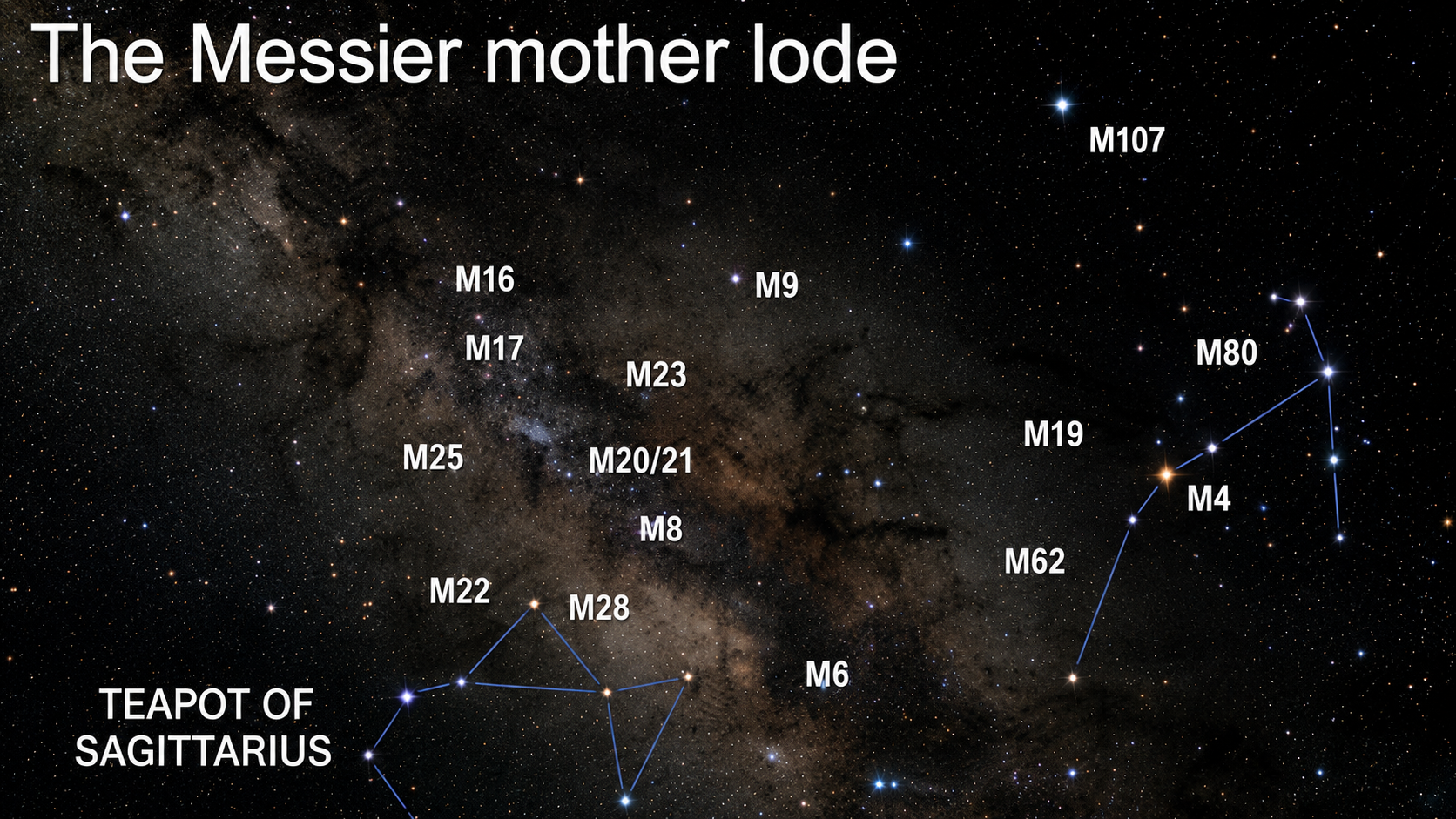
By Dennis Mammana Week of July 5-11, 2026 There's a constellation in our night sky right now that is somewhat unknown to stargazers. Despite being huge — it's the 11th-largest in all the heavens — it has no stars brighter than the North Star, so you won't find it easily without a pretty dark sky. Its name is Ophiuchus (oh-fee-YOU-kuhs), and if you'd like to find it this month, you'll need to get away from the city lights and gaze midway up in the southeast shortly after dark. Ophiuchus (the serpent-bearer) represents Aesculapiu, the ancient Greco-Roman god of medicine, healing and physicians, and its brightest star is named Rasalhague, which is Arabic for "Head of the Snake Charmer." Draped from one side of Ophiuchus to the other lies Serpens — the only two-part constellation in the heavens — with its head on one side (Serpens Caput) and its tail on the other (Serpens Cauda). I admit that it requires quite an imagination to find these star groupings, but once you do, you'll know them forever. In fact, you may even recognize this shape, especially if you've ever searched online for the name of a physician. Quite often, you'll find the image of two serpents wrapped around a vertical staff that appears topped by a round knob and is flanked by wings. It's known as the "caduceus," and since 1902, when the U.S. Army adopted it as the insignia of its Medical Corps, it has been the familiar emblem of the American medical profession. Many medical associations — including the World Health Organization — use what some consider to be the "correct" and traditional symbol of medicine: the staff of Asclepius, with a single serpent encircling a staff. Either way, people have long associated the serpent with medicine. Once you find its stars, you'll see that Ophiuchus lies along some of the thickest star clouds of the Milky Way. If you've managed to get yourself to a rural location with a non-light-polluted sky, you'll have little trouble finding the hazy band of the Milky Way passing near this constellation, along with the bright reddish-orange star Antares (the heart of Scorpius, the scorpion) just to its lower right. Be sure to take binoculars with you so you can scan this celestial region. Here you'll find countless "faint fuzzies" (as amateur astronomers affectionately call deep-sky objects). Many of these are star clusters — collections of dozens, hundreds or even thousands of stars held together by gravitation — and interstellar nebulae, where stars and planetary systems are constantly forming. Now, while you're gazing at the stars of Ophiuchus, here's a little tidbit to wrap your head around: This constellation is not one of the official signs of the zodiac, but it should be. Why, you ask? Because the sun spends three times as many days in front of the stars of Ophiuchus as it does in Scorpius. So why, then, is this constellation missing from the official zodiacal signs in horoscope tables? Your guess is as good as mine. Just remember, if you were born between Nov. 29 and Dec. 17, you're not a "Scorpio" or "Sagittarius," as you might have thought. You're actually an Ophiuchan! Make of that what you will... Visit Dennis Mammana at dennismammana.com. To read features by other Creators Syndicate writers and cartoonists, visit the Creators Syndicate website at www.creators.com . Learn More About Borrego Springs
By Andrea McKenna July 1, 2026
A Hollywood fun fact courtesy of longtime Park Ranger Fred Jee.
By Andrea McKenna July 1, 2026
Don't Miss These Summer Night Sky Events
By Dennis Mammana June 27, 2026
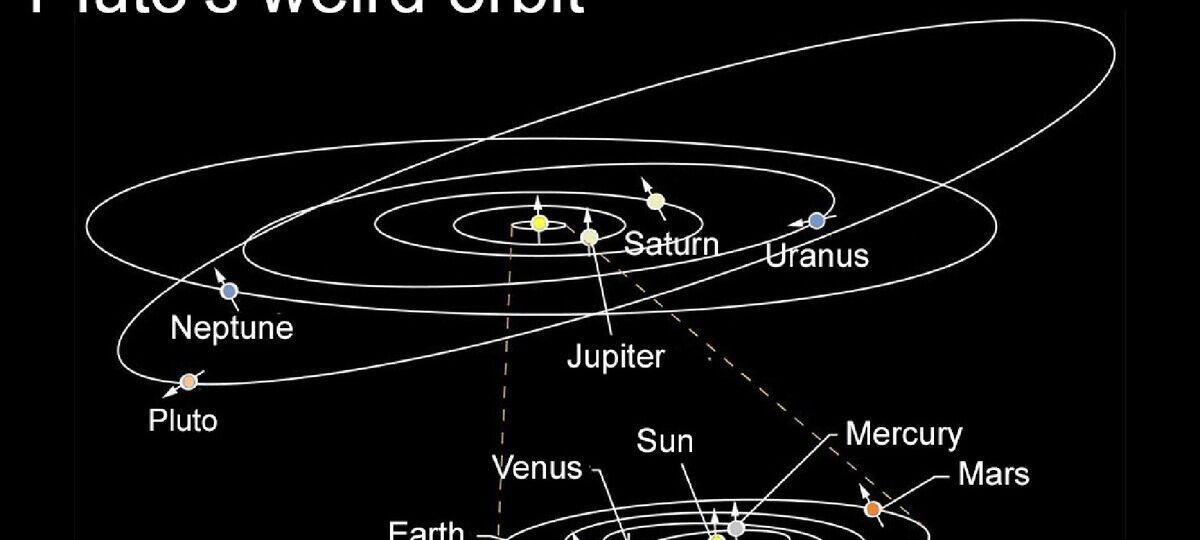
By Dennis Mammana Week of June 28 - July 4, 2026 It was bound to happen: The heat of summer has arrived at my desert home. As I write these words, it's 115 F outside, and it's just the beginning of the blistering heat we'll experience for months. This is no surprise, of course. We're all quite familiar with this seasonal pattern; in fact, most of us learned in grade school about the seasons and what causes them, but you'd be surprised how little some people remember of those basic lessons. I was stunned when I first heard of a 1987 video in which filmmakers Matthew H. Schneps and Philip Sadler of the Harvard-Smithsonian Center for Astrophysics interviewed recent Harvard University graduates, faculty members and alumni — some with science backgrounds — and asked them a simple question: What causes our seasons? Twenty-one of the 23 people interviewed did not know the answer. This is Harvard, people. Harvard! If you can't believe it, watch it online here. Oh, sure, they offered elaborate explanations and tried to be convincing, but it's obvious they had no clue. The most common reason they cited for the summertime heat was that the Earth lies closest to the sun at that time of year, and the cold of winter is caused by our greater distance from the sun. Sounds perfectly reasonable, doesn't it? But it's wrong. So very wrong. Now it is true that our planet orbits the sun not in a circular path but in an elliptical path, and that our distance from the sun varies throughout the year, but only by about 3%. What seems counterintuitive, however, is that we're closest to the sun not during our Northern Hemisphere summer but during our winter! In 2026, the Earth will reach its farthest point from the sun ("aphelion") on July 6, when we will lie 94,502,961 miles from our star. This occurs during the Northern Hemisphere summer. The Earth's nearest point ("perihelion") won't arrive until Jan. 2, 2027 (during our winter), when we'll be 91,406,556 miles from the sun. Of course, if you happen to live in the Southern Hemisphere, where seasons are reversed from those north of the equator, our planet's perihelion does occur during their summertime. But that's a story for another time. So, if our distance from the sun doesn't cause seasonal temperature changes throughout the year, what does? Well, as we all learned in third grade, it's the tilt of the Earth's axis. Our planet is tipped about 23.4 degrees to the plane of its orbit around the sun. From mid-March to mid-September, the Earth's Northern Hemisphere is tilted toward the sun, allowing solar rays to beat directly down upon us. During these longer days, heat accumulates in our atmosphere while having little time to escape into space during the much shorter nights. In other words, it's not our changing distance from the sun that causes the buildup of summer heat; it's the tilt of our planet that produces long days and short nights — just as it always has. Unfortunately, few still seem to understand this simple phenomenon, and I suspect if we did this same interview today, we'd see even less informed answers than four decades ago! Visit Dennis Mammana at dennismammana.com. To read features by other Creators Syndicate writers and cartoonists, visit the Creators Syndicate website at www.creators.com . Learn More About Borrego Springs
June 21, 2026
Prepared with information from ABDNHA's Dark Sky resources, Michael Poirier, Astrophotographer, and the Sky Calendar from Michigan State University. Learn more about Borrego Springs dark skies at: https://abdnha.org/darksky/sky / Note: You can subscribe to the Sky Calendar from Abrams Planetarium, Michigan State University, 755 Science Rd, East Lansing, MI 48824. Borrego Springs offers some of the darkest skies in Southern California, making summer an excellent time to observe the Milky Way, planets, meteor showers, and other celestial events. Here's what to look for in June and July 2026. Early June Sunrise: 5:38 a.m. Sunset: 7:50 p.m. PST Day Length: 14 hours 12 minutes June Highlights June 1 (Monday) Venus and Jupiter appear within 8° of each other in the west-northwestern sky after sunset. June 3–16 Milky Way viewing conditions are excellent, with dark, moonless skies after nightfall. The Milky Way rises at 10:57 p.m. on June 7 and as early as 10:30 p.m. on June 14. It remains visible for up to 4 hours and 29 minutes. June 6–13 Grand Canyon Star Party, Arizona. Learn more at www.grandcanyon.org . June 11 (Thursday) Venus, Jupiter, and Mercury span their shortest angle in the evening sky, just 13.2° apart. June 15 (Monday) New Moon — one of the darkest nights of the month for stargazing and astrophotography. June 15 (Monday) Mercury reaches greatest elongation, 24.5° from the Sun, making it the best evening appearance of the year shortly after sunset. June 21 (Sunday) June Solstice marks the beginning of summer in the Northern Hemisphere. It is the longest day of the year with 14 hours and 20 minutes of daylight. June 22–July 2 June Bootids Meteor Shower. June 29 (Monday) Full Moon rises at 8:17 p.m. and sets at 5:04 a.m. June 30 (Tuesday) Asteroid Day. Early July Sunrise: 5:41 a.m. Sunset: 7:59 p.m. Day Length: 14 hours 18 minutes July Highlights July 5 (Sunday) The Milky Way rises at 9:38 p.m. and remains visible for 3 hours and 58 minutes. July 12 (Sunday) The Milky Way rises at 9:34 p.m. and remains visible for 3 hours and 35 minutes. July 14 (Tuesday) New Moon — ideal conditions for stargazing and astrophotography. July 15 (Wednesday) Mercury reaches greatest elongation, 24.5° from the Sun. July 28–29 (Tuesday–Wednesday) Delta Aquariids Meteor Shower peaks. July 29 (Wednesday) Full Moon rises at 8:17 p.m. and sets at 5:04 a.m. The Planets and the Milky Way in June Evening Planets Venus and Jupiter dominate the western sky after sunset throughout June. Around June 8–9, the two planets appear in conjunction, creating a striking close encounter in the west-northwestern sky. Venus, often called the "Evening Star," shines brilliantly as it moves from Taurus toward Gemini and climbs higher in the evening sky each night. Jupiter remains nearby and is also easily visible. Mercury becomes visible low in the western sky during the second half of June. June 15 offers the best viewing opportunity, as Mercury reaches its greatest elongation and highest apparent position above the horizon. Morning Planets Saturn and Mars are visible before sunrise. Mars remains low in the east-northeast, while Saturn rises higher from the east to east-southeast. Early June provides a chance to see the two planets relatively close together. Summer Milky Way Summer is the prime season for viewing the bright central core of the Milky Way. From June through August, the galaxy's core rises in the southeastern sky and becomes one of the most spectacular sights available to dark-sky observers. June Bootids Meteor Shower The June Bootids occur annually from June 22 through July 2 and peak around June 27. Most years produce only one or two meteors per hour. However, this shower has occasionally surprised observers with dramatic outbursts. In 1998, rates briefly reached approximately 100 meteors per hour. The shower originates from debris left by Comet Pons-Winnecke, which orbits the Sun every 6.3 years. June Bootids are known for their unusually slow speed, entering Earth's atmosphere at approximately 14 kilometers per second. Asteroid Day – June 30 Asteroid Day is a United Nations-sanctioned global awareness campaign held annually on June 30. The event educates the public about asteroid impacts, planetary defense, and ongoing research into near-Earth objects. The date commemorates the Tunguska Event of June 30, 1908, when a massive airburst explosion flattened approximately 830 square miles of Siberian forest. The blast is estimated to have released energy equivalent to between 3 and 50 megatons of TNT, making it the largest recorded impact event in modern history. For more information, visit www.un.org. Delta Aquariids Meteor Shower The Delta Aquariids meteor shower peaks on the night of July 28 and the morning of July 29. This annual shower can produce up to 20 meteors per hour under ideal conditions and is associated with debris from Comets Marsden and Kracht. The shower runs from July 12 through August 23 each year. Unfortunately, the 2026 peak coincides with a Full Moon, which will wash out many fainter meteors. Patient observers may still catch some of the brighter meteors throughout the night. The meteors appear to radiate from the constellation Aquarius but can be seen anywhere in the sky. Learn More About Borrego Springs' Dark Skies Borrego Springs is California's first International Dark Sky Community and one of the best places in Southern California to experience the Milky Way, meteor showers, planets, and other celestial events. To learn where to observe, dark sky etiquette, upcoming programs, and more about stargazing in Borrego Springs, visit the Anza-Borrego Desert Natural History Association's Dark Sky resources: https://abdnha.org/darksky/sky/
Show More

Share This Post