Andrea McKenna • August 8, 2026
Tribal Advocates Seek Historic Protection for Sacred Salton Sea Landscape
Share
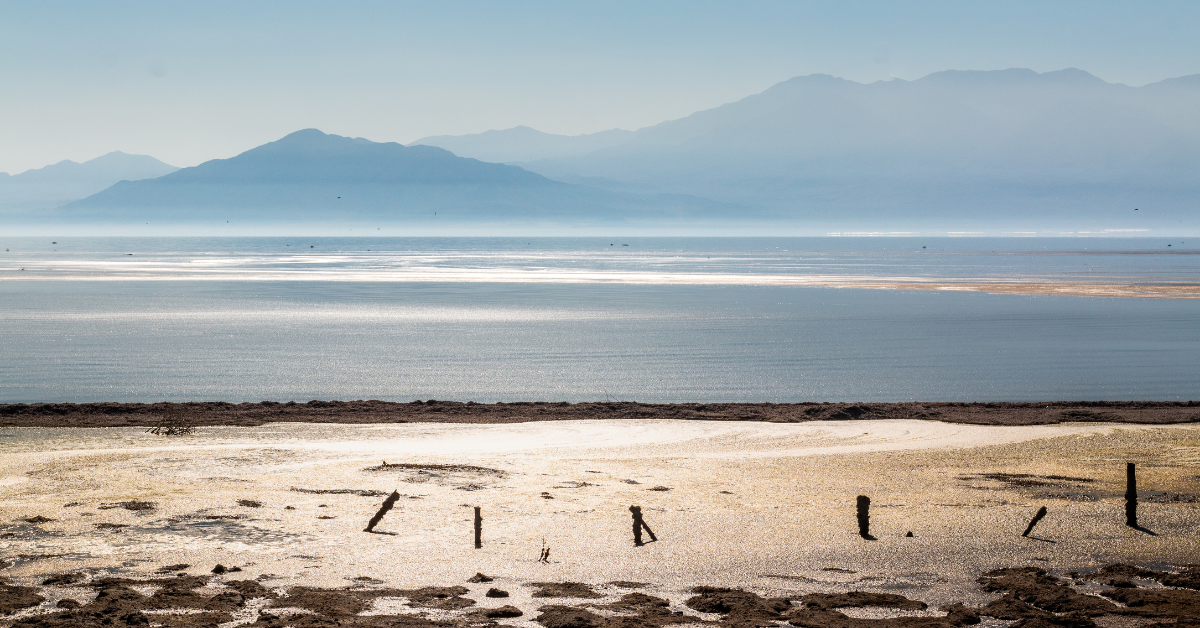
Historic protections proposed amid Lithium Valley development.
Native American leaders and conservation organizations are urging California officials to protect more than 11,000 acres along the southeastern shore of the Salton Sea, saying the area holds significant cultural and spiritual importance as plans move forward for expanded lithium and geothermal development.
The proposed Southeast Lake Cahuilla Active Volcanic Cultural District encompasses approximately 11,162 acres near the Salton Sea's geothermal fields. The landscape includes active mud pots, steam vents, volcanic features, and archaeological sites that tribal representatives say have been used for generations by the Kwaaymii, Kamia, Kumeyaay, Cahuilla, and Quechan peoples.
For many tribal members, the geothermal landscape is considered sacred. According to environmental nonprofit Earthworks, tribal traditions describe the bubbling mud pots as the "heartbeat of Mother Earth" and the geothermal steam as her breath.
"I know that the Earth is alive, and she should not continue to be abused," said Carmen Lucas, a Kwaaymii elder, in a statement released by Earthworks. "I am hopeful that this society is ready to wake up."
The request comes as Imperial County continues planning for Lithium Valley, an initiative intended to develop lithium extraction from geothermal brine beneath the Salton Sea. The project is viewed as an important source of the mineral needed for electric vehicle batteries and other clean-energy technologies while creating new economic opportunities in the Imperial Valley.
Tribal advocates and conservation groups say development should proceed carefully to avoid damaging culturally significant sites. They have expressed concern that additional geothermal drilling and related infrastructure could alter the underground systems that sustain the area's mud pots and steam vents, while also affecting traditional viewsheds and archaeological resources.
Supporters of the nomination are asking California State Historic Preservation Officer Julianne Polanco to place the proposed cultural district on the agenda for the State Historical Resources Commission's November meeting.
If approved by the commission, the nomination would be forwarded to the National Park Service for possible listing on the National Register of Historic Places.
A federal listing would not prohibit development but would require formal review of federally funded or federally permitted projects that could affect the historic district. Under California law, National Register listing would also place the area on the California Register of Historical Resources, requiring state agencies to consider impacts during environmental review under the California Environmental Quality Act (CEQA).
Earthworks says protecting the landscape and developing renewable energy are not mutually exclusive.
"This land does not exist simply as a means of extracting resources," wrote Maya Grace Hausman of Earthworks. "While renewable energy is something to strive for, it cannot come at the expense of sacred land and of the people who care for it."
The proposed cultural district lies south of Borrego Springs in the Imperial Valley. While outside the Borrego Springs area, decisions affecting the Salton Sea and surrounding desert landscapes often have regional significance because of shared ecosystems, cultural history, recreation, and renewable energy development.
For more information about the nomination, visit Earthworks website
You can help ensure these lands are protected. Sign your name today to tell state and federal decision-makers that you support the Southeast Lake Cahuilla Active Volcanic Cultural District.
Learn More About Borrego Springs