Andrea McKenna • August 8, 2026
Desert Food Chain: The Ultimate Survival Battle
Share
www.youtube.com/@Desertusa
How the Desert Food Chain Works
Life in the desert is connected through a complex food web that begins with the sun. Plants capture solar energy, herbivores eat those plants, predators hunt other animals, and decomposers return nutrients to the soil. From tiny insects and kangaroo rats to snakes, hawks, coyotes, and desert plants, each organism plays a role in moving energy through the desert ecosystem.
Desert Food Chain Facts
- The sun is the original energy source for most desert food chains.
- Producers are plants that make their own food using sunlight through photosynthesis.
- Desert producers include cacti, creosote bushes, mesquite trees, grasses, and wildflowers.
- Some desert plants are specially adapted to drought. Cacti store water, while creosote bushes can survive long dry periods.
- Primary consumers eat plants or plant material.
- Kangaroo rats commonly eat seeds.
- Jackrabbits eat grasses and other vegetation.
- Grasshoppers feed on plant leaves and other vegetation.
- Desert tortoises eat foods including wildflowers, grasses, and cactus pads.
- Secondary consumers eat other animals, often including herbivores.
- Snakes may prey on kangaroo rats and other small rodents.
- Roadrunners eat insects, lizards, and small snakes, among other foods.
- Coyotes are opportunistic omnivores and may eat rodents, rabbits, insects, reptiles, fruit, and carrion.
- A simple example of energy moving through the desert is: Sun → desert plant → seeds → kangaroo rat → snake → hawk.
- Desert ecosystems contain many overlapping food chains. Together, these form a food web.
- Hawks and owls are important predators. Owls often hunt at night, while many hawks hunt during daylight hours.
- Predators help influence populations of rodents, reptiles, insects, and other animals within the ecosystem.
- Scavengers consume dead organisms, helping remove animal remains from the landscape.
- Desert scavengers can include vultures and coyotes.
- Decomposers break down dead organic material. Bacteria and fungi are especially important decomposers.
- Insects such as ants and beetles also help break down and recycle organic material.
- Decomposition returns nutrients to the soil, where they can support new plant growth.
- A desert food chain is therefore not simply about predators and prey—it demonstrates how energy and nutrients move through an ecosystem.
- Because animals usually eat more than one type of food, the desert is better understood as a food web rather than a single food chain.
To dive deeper into the history, maps, and desert fact, read DesertUSA's blog:
Learn More About Borrego Springs
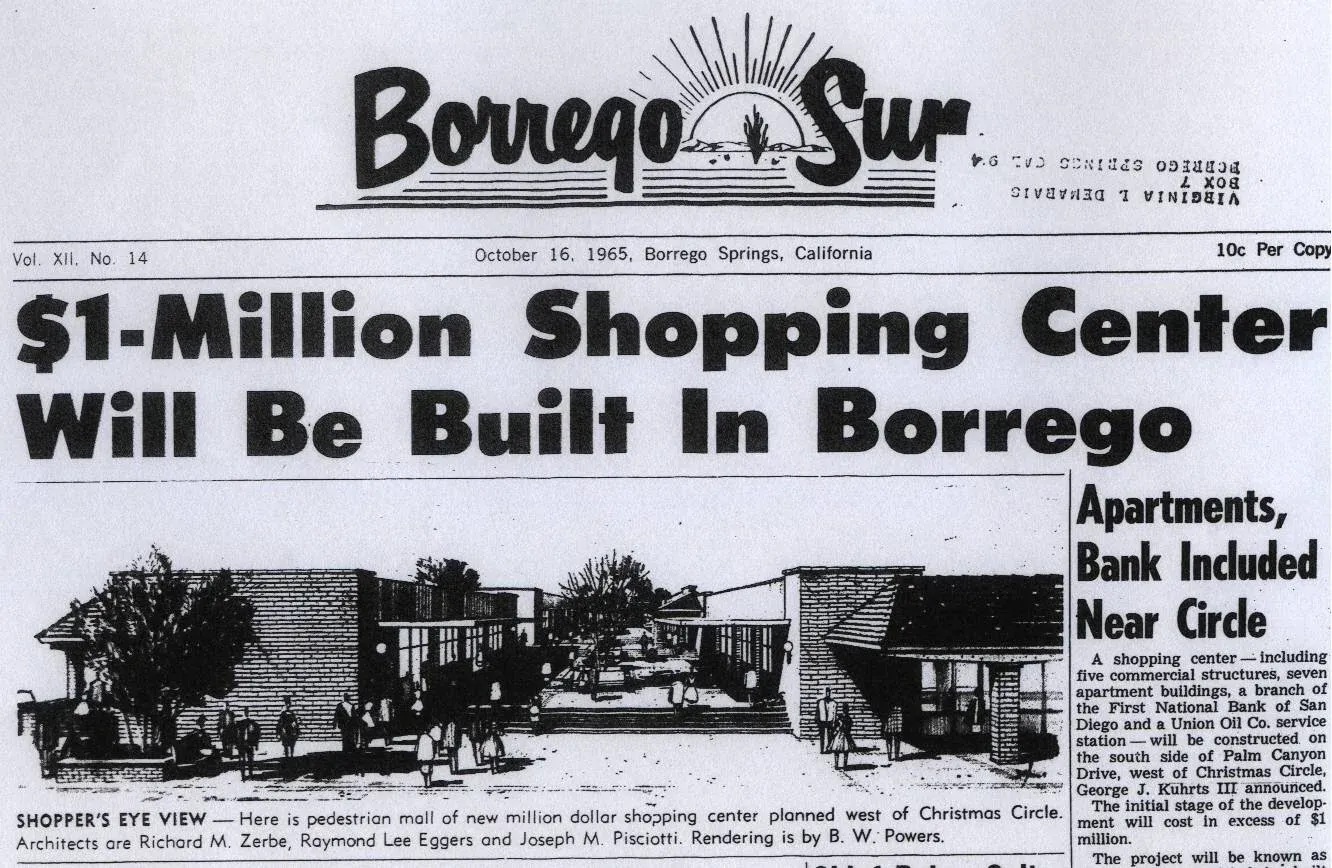
Mid-century design and a community vision that began in 1965.
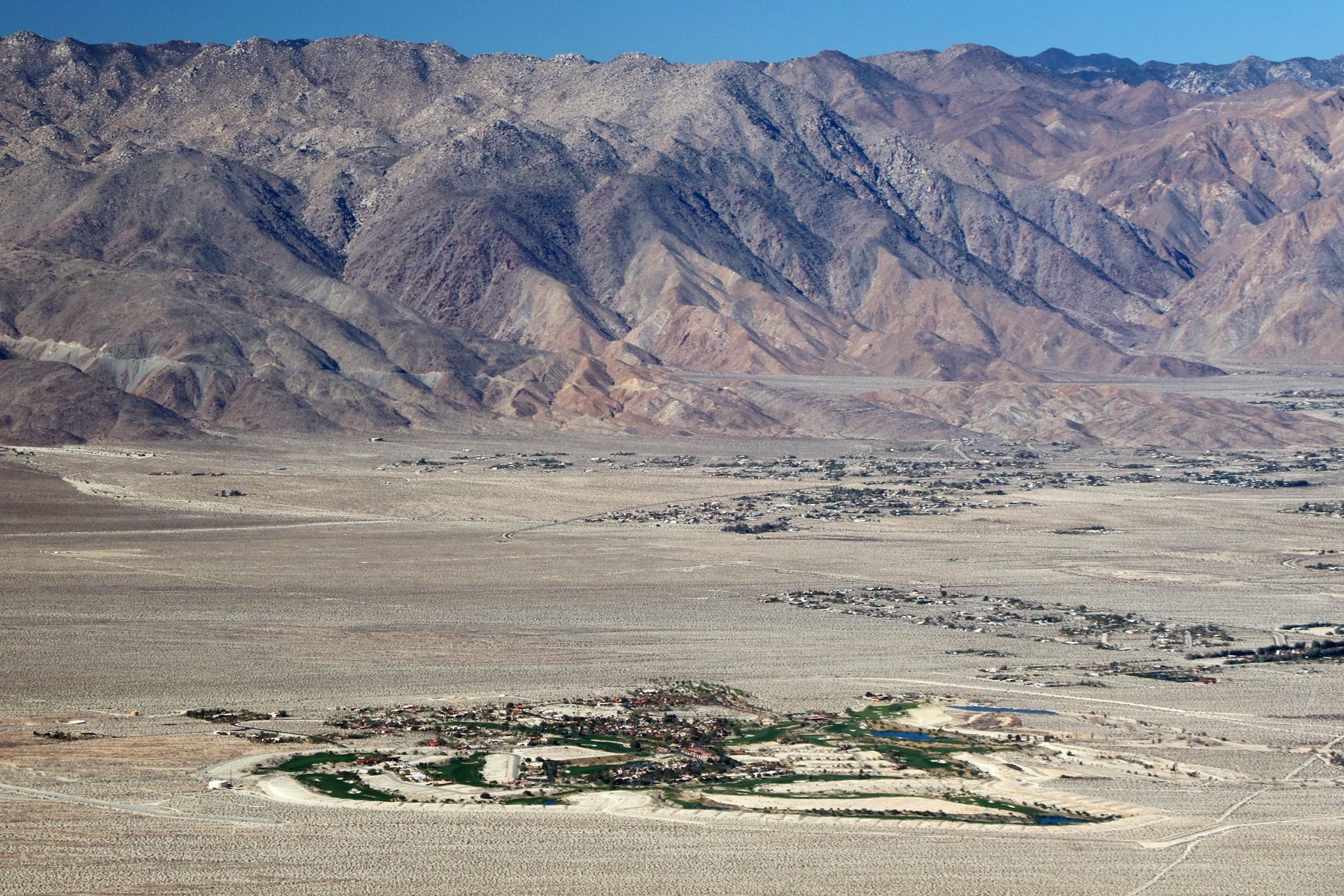
How a view from the sky and a friend’s desert retreat inspired the Pilot House at Borrego Valley Airport.

The Salton Sea was so named in 1905, but its history begins in the Salton Basin of ancient times – a time removed some 10,000 years.