Borrego Sun Community News • May 6, 2026

Large-Scale Animal Rescue Underway in Julian

Share
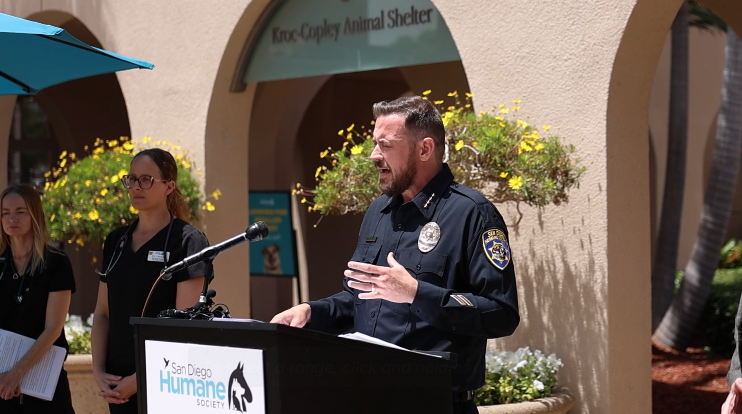
Hundreds of Animals Rescued From Julian Sanctuary During Major Investigation


San Diego Humane Society officials say hundreds of neglected animals are now receiving care after a large-scale rescue operation at Villa Chardonnay in Julian.


Villa Chardonnay had been described online as an animal sanctuary focused on giving animals a safe place to heal and live peacefully. But investigators say the conditions they encountered on the 40-acre property revealed widespread neglect involving hundreds of animals.


According to San Diego Humane Society, the rescue effort began after concerns about conditions at the property continued for years. The case was transferred from San Diego County Animal Services to SDHS in late April due to the scale of the situation and legal complications connected to bankruptcy proceedings.


Officials said a search warrant was served on May 1 after veterinary evidence documented severe neglect, including malnutrition, untreated injuries, infections, and lack of basic care.


Video courtesy of KPBS YouTube


Animals found on the property included approximately 165 horses and ponies, more than 300 cats, 30 dogs, and dozens of other animals such as goats, pigs, alpacas, chickens, ducks, geese, peafowl, ravens, and sheep.

San Diego Humane Society President and CEO Dr. Gary Weitzman called the case one of the most complex rescue operations in the organization’s history. Teams from several agencies and humane organizations are now assisting with medical care, transport, and ongoing animal recovery efforts.


While many animals are expected to recover, some in critical condition had to be humanely euthanized to prevent further suffering, according to SDHS.


San Diego Humane Society said the investigation remains ongoing.


“The actions that we’ve taken and will continue to take are going to be guided by what the facts of the case are and what our legal responsibilities as humane agents here in the state and here in San Diego to assure that justice is served,” said Jace Huggins, Vice President and Chief of Humane Law Enforcement for the Humane Society.


People who previously surrendered or boarded animals at Villa Chardonnay can submit reunification requests through San Diego Humane Society’s rescue page at sdhumane.org/julianrescue.


Full Update: SDHS_Julian-Rescue_Villa-Chardonnay-Update


Learn More About Borrego Springs
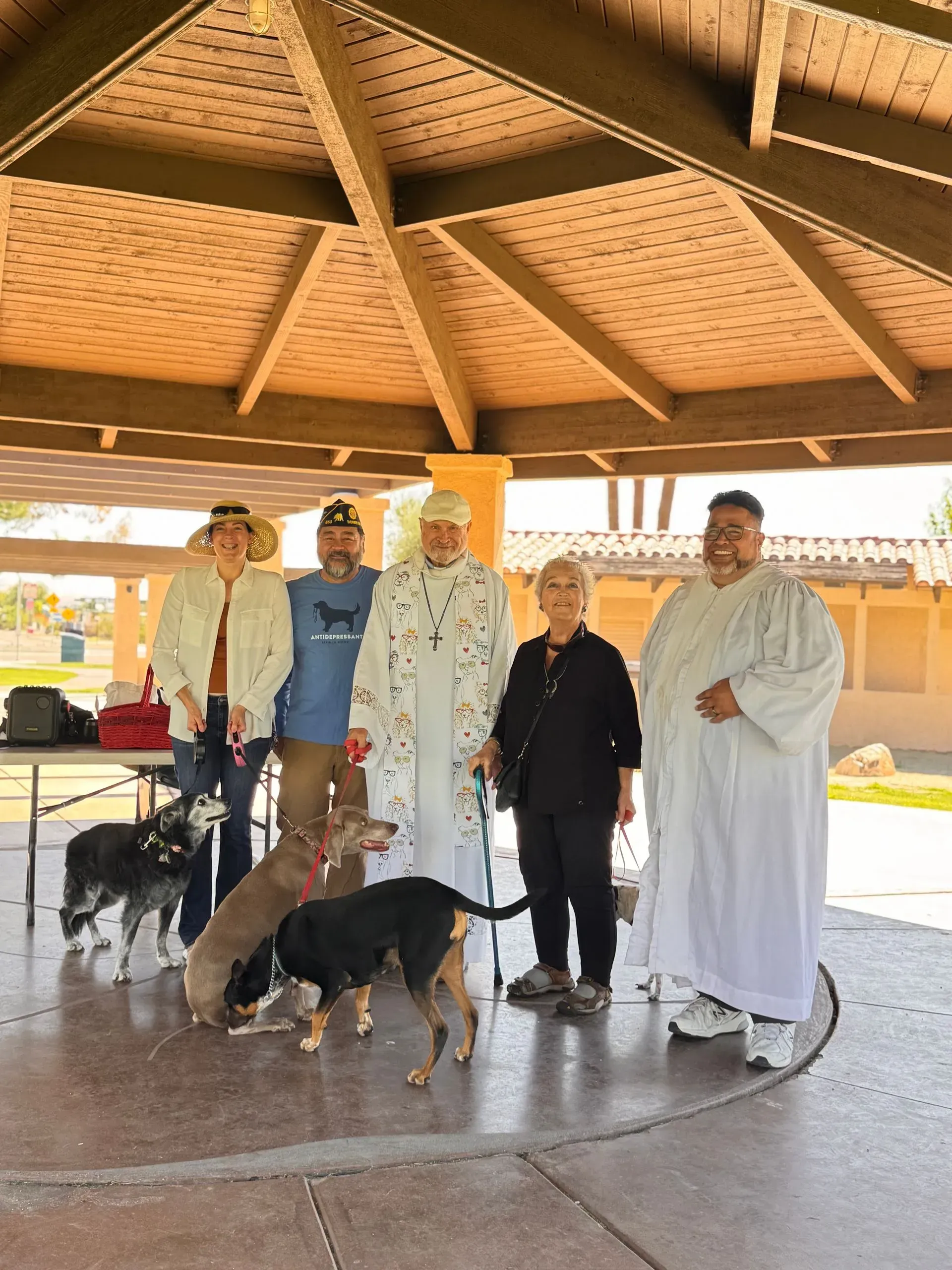
By Fr Michael Plekon - St. Barnabas Episcopal Church, BMA Co-Chair June 21, 2026
Community in Action: The Borrego Ministers Association
June 21, 2026
Prepared with information from ABDNHA's Dark Sky resources, Michael Poirier, Astrophotographer, and the Sky Calendar from Michigan State University. Learn more about Borrego Springs dark skies at: https://abdnha.org/darksky/sky / Note: You can subscribe to the Sky Calendar from Abrams Planetarium, Michigan State University, 755 Science Rd, East Lansing, MI 48824. Borrego Springs offers some of the darkest skies in Southern California, making summer an excellent time to observe the Milky Way, planets, meteor showers, and other celestial events. Here's what to look for in June and July 2026. Early June Sunrise: 5:38 a.m. Sunset: 7:50 p.m. PST Day Length: 14 hours 12 minutes June Highlights June 1 (Monday) Venus and Jupiter appear within 8° of each other in the west-northwestern sky after sunset. June 3–16 Milky Way viewing conditions are excellent, with dark, moonless skies after nightfall. The Milky Way rises at 10:57 p.m. on June 7 and as early as 10:30 p.m. on June 14. It remains visible for up to 4 hours and 29 minutes. June 6–13 Grand Canyon Star Party, Arizona. Learn more at www.grandcanyon.org . June 11 (Thursday) Venus, Jupiter, and Mercury span their shortest angle in the evening sky, just 13.2° apart. June 15 (Monday) New Moon — one of the darkest nights of the month for stargazing and astrophotography. June 15 (Monday) Mercury reaches greatest elongation, 24.5° from the Sun, making it the best evening appearance of the year shortly after sunset. June 21 (Sunday) June Solstice marks the beginning of summer in the Northern Hemisphere. It is the longest day of the year with 14 hours and 20 minutes of daylight. June 22–July 2 June Bootids Meteor Shower. June 29 (Monday) Full Moon rises at 8:17 p.m. and sets at 5:04 a.m. June 30 (Tuesday) Asteroid Day. Early July Sunrise: 5:41 a.m. Sunset: 7:59 p.m. Day Length: 14 hours 18 minutes July Highlights July 5 (Sunday) The Milky Way rises at 9:38 p.m. and remains visible for 3 hours and 58 minutes. July 12 (Sunday) The Milky Way rises at 9:34 p.m. and remains visible for 3 hours and 35 minutes. July 14 (Tuesday) New Moon — ideal conditions for stargazing and astrophotography. July 15 (Wednesday) Mercury reaches greatest elongation, 24.5° from the Sun. July 28–29 (Tuesday–Wednesday) Delta Aquariids Meteor Shower peaks. July 29 (Wednesday) Full Moon rises at 8:17 p.m. and sets at 5:04 a.m. The Planets and the Milky Way in June Evening Planets Venus and Jupiter dominate the western sky after sunset throughout June. Around June 8–9, the two planets appear in conjunction, creating a striking close encounter in the west-northwestern sky. Venus, often called the "Evening Star," shines brilliantly as it moves from Taurus toward Gemini and climbs higher in the evening sky each night. Jupiter remains nearby and is also easily visible. Mercury becomes visible low in the western sky during the second half of June. June 15 offers the best viewing opportunity, as Mercury reaches its greatest elongation and highest apparent position above the horizon. Morning Planets Saturn and Mars are visible before sunrise. Mars remains low in the east-northeast, while Saturn rises higher from the east to east-southeast. Early June provides a chance to see the two planets relatively close together. Summer Milky Way Summer is the prime season for viewing the bright central core of the Milky Way. From June through August, the galaxy's core rises in the southeastern sky and becomes one of the most spectacular sights available to dark-sky observers. June Bootids Meteor Shower The June Bootids occur annually from June 22 through July 2 and peak around June 27. Most years produce only one or two meteors per hour. However, this shower has occasionally surprised observers with dramatic outbursts. In 1998, rates briefly reached approximately 100 meteors per hour. The shower originates from debris left by Comet Pons-Winnecke, which orbits the Sun every 6.3 years. June Bootids are known for their unusually slow speed, entering Earth's atmosphere at approximately 14 kilometers per second. Asteroid Day – June 30 Asteroid Day is a United Nations-sanctioned global awareness campaign held annually on June 30. The event educates the public about asteroid impacts, planetary defense, and ongoing research into near-Earth objects. The date commemorates the Tunguska Event of June 30, 1908, when a massive airburst explosion flattened approximately 830 square miles of Siberian forest. The blast is estimated to have released energy equivalent to between 3 and 50 megatons of TNT, making it the largest recorded impact event in modern history. For more information, visit www.un.org. Delta Aquariids Meteor Shower The Delta Aquariids meteor shower peaks on the night of July 28 and the morning of July 29. This annual shower can produce up to 20 meteors per hour under ideal conditions and is associated with debris from Comets Marsden and Kracht. The shower runs from July 12 through August 23 each year. Unfortunately, the 2026 peak coincides with a Full Moon, which will wash out many fainter meteors. Patient observers may still catch some of the brighter meteors throughout the night. The meteors appear to radiate from the constellation Aquarius but can be seen anywhere in the sky. Learn More About Borrego Springs' Dark Skies Borrego Springs is California's first International Dark Sky Community and one of the best places in Southern California to experience the Milky Way, meteor showers, planets, and other celestial events. To learn where to observe, dark sky etiquette, upcoming programs, and more about stargazing in Borrego Springs, visit the Anza-Borrego Desert Natural History Association's Dark Sky resources: https://abdnha.org/darksky/sky/


By Matt Bosson BSFI June 20, 2026
Free Summer Movies Continue in Borrego Springs This July

By San Diego County June 20, 2026
Up to $75,000 Available for EV Charger Installations
By Miguel Hernández Public Affairs Officer June 20, 2026
Experienced, collaborative, mission-driven professional wanted
By Eric Jones, East County Performing Arts June 19, 2026
Classic musical offers six performances at Julian High School's Little Theater
By Andrea McKenna June 19, 2026
A new partnership brings worship, fellowship, and support to Salton City.

By East County News Service June 19, 2026
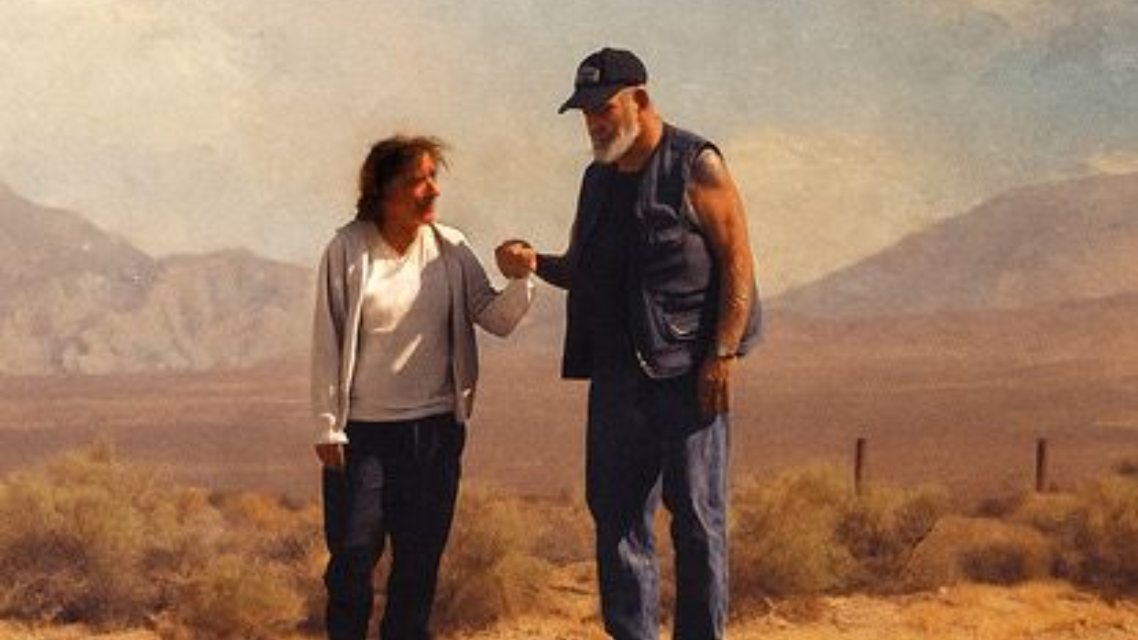
Hubbell’s dining room table bathed in warm light surrounded in beautifully crafted art in addition to surrounding heirloom art from Jones family. Photo courtesy Ilan Lael Foundation, 2020 East County News Services  June 18, 2026 (Julian) — Hidden among 10 acres of oak woodland in the mountains of Santa Ysabel sits an architectural marvel that bridges the boundaries between art and nature — and this local hidden gem has now received new national acclaim. The Ilan-Lael Foundation announced recently that the home and studio of its founders, the late artist James Hubbell and his wife Anne, has been officially accepted into the Historic Artists’ Homes and Studios program, a prestigious coalition under the National Trust for Historic Preservation . By achieving this designation, Ilan-Lael joins an elite group of 93 sites across 32 states, placing Hubbell’s property alongside the creative sanctuaries of renowned American artists such as Thomas Hart Benton, James W. Washington Jr., and Dorothy Riester. James Hubbell (1931–2024) was widely regarded as both a visionary artist and an organic architect. Over a span of more than six decades, he and Anne constructed 13 distinct structures on their Santa Ysabel compound. Often described as “habitable sculptures,” the buildings are defined by their deep roots in the surrounding landscape, utilizing found natural materials, intricate mosaics, stained glass, and custom ironwork. Hubbell’s ethereal designs extend far beyond his mountain retreat; his public and private works have graced hundreds of spaces across Southern California and the Pacific Rim. “We are beyond honored to have received this designation that will help us continue to commemorate Jim’s legacy,” said Marianne Gerdes, executive director at the Ilan-Lael Foundation. “Since his passing, we have strived to uphold his belief that art and nature work harmoniously. The property has always been the best hidden gem of San Diego, and now the recognition helps us to share the magic with the public.” Historic Artists’ Homes and Studios operates as a peer-to-peer museum coalition dedicated to preserving the primary residences and creative workspaces of notable American artists. As the only national entity focused on site-specific narratives in American art history, HAHS provides expertise in historic preservation, visitor programming, and community outreach. For the Ilan-Lael Foundation, this induction reinforces its ongoing mission to act as a community educator and arts advocate. Following James Hubbell’s passing in 2024, the foundation has actively expanded public access to his lifework. Historically, the private property was only open to the community during an annual Father’s Day weekend tour hosted by James and Anne. Today, the ILF has broadened its reach to include year-round tours with expanded access to the Santa Ysabel headquarters and studios; public exhibition showcasing Hubbell’s work at prominent locations (including the San Diego International Airport and the Oceanside Museum of Art); and educational partnerships, fostering continuous learning environments with local institutions such as UC San Diego, Palomar College and the Julian Union School District. Through these initiatives, the foundation continues to explore new avenues to engage the community, inspire creativity, and sustain Hubbell’s vision of a sanctuary where art and nature coexist perfectly. To learn more about the Ilan-Lael Foundation, explore James Hubbell’s artistic legacy or schedule a visit to the newly recognized historic property, visit ilanlaelfoundation.org


By East County News Services June 19, 2026
Source: East County News Services
Show More

Share This Post