

Borrego Springs: Una comunidad para todos
Ya sea que sea residente de Borrego Springs o simplemente esté de visita, manténgase informado sobre los últimos eventos, noticias y acontecimientos locales en el área.

Please join the Civic Foundation for its annual Old Borego Days celebration No, Borrego is not misspelled in the title above. This is the way Borrego was spelled back in 1928, when the first post office opened in what is now called “Old Borego.” The site is located at 1580 Rango Way. Please join the Civic Foundation for its annual Old Borego Days celebration of the historic heart of the Borrego Valley on Sunday, November 8, from 1 p.m. to 3 p.m. The turnoff from Rango Way will be marked with a sign. Please note that no restrooms are available. Visitors will be able to enter the old post office and general store, originally run by Eslie Wynn, and view a fascinating video from the 1950s extolling the virtues of life in Borrego Springs. One of the first homes in Borrego Springs will also be open for public viewing, offering a nostalgic look back at life in the community’s earlier years. In addition, Borrego Springs Elementary School fourth graders, who study California history, will have their essays on display. Three students will receive awards for their writing on “Borego Now and Then.” Old Borego Days Sunday, November 8, 2026 1 p.m. – 3 p.m. 1580 Rango Way, Borrego Springs
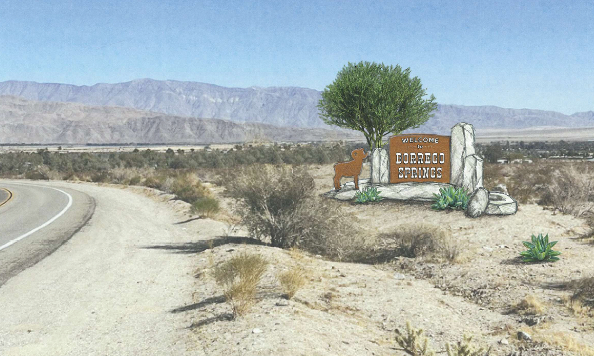
New sign by artist John Richen is planned for installation soon!

As a 501(C)(3) non-profit organization, the store's proceeds benefit the Borrego Springs Children's Center, making every purchase impactful and meaningful.

The Ascent to Freedom celebration is OpiCure Foundation's inaugural cycling event, uniting riders and community in Borrego Springs, California. It will be held on November 21, to honor recovery and the power of the bicycle to heal. The event is a significant milestone in the Foundation’s journey, as brothers and founders Cullen and Griffin Easter welcome members of the community to La Casa del Zorro for a day of riding, reflection and conviviality, and to strengthen the message and work of OpiCure. A community spirit will be at the forefront of an event dedicated to raising awareness through on-site information and advice around recovery, activities including a pickleball tournament, and a ride for those who wish to participate. The ride will be led by the Easter brothers and will take in the stunning scenery of Borrego Springs – it will cater to all levels of ability, with the aim to highlight the empowering joy that riding can bring to anyone willing to jump on a bicycle. Cullen Easter: “Please join us for the inaugural Ascent to Freedom Celebration. This day has been a long time in the making, and we’re incredibly excited to begin what we hope becomes a yearly tradition. It’s a day for community, a day for adventure on the bicycle, and a day to celebrate recovery and the freedom that can come from simply moving forward. “Borrego Springs and the desert feel like the perfect place to begin this journey—open roads, big skies, and a landscape that invites you to get outside, connect, and experience something together. Whether you come to ride, learn, support someone you love, or simply spend the day with us, you are welcome. We can’t wait to see you out there.” Griffin Easter: “OpiCure Foundation’s Ascent to Freedom Ride will be a day in the desert with friends and family you won’t want to miss. A beautifully curated ride with desert vistas, unique lifesize art metalwork, post ride lunch and even a pickleball tournament, there’s something for everyone. We’re so proud to host this inaugural event and celebrate both recovery as well as the freedom a bicycle provides. Mark this ride on your calendar, November 21st. I can’t wait to see everyone there.” Further details will be announced in due course, with a full program confirmed closer to the event date of November 21. The official ride website can be found at opicureride.com OpiCure Foundation was established by the Easter brothers to utilize the bicycle as a tool to assist those struggling with opioid addiction in their recovery process. Through bringing awareness to opioid abuse, redefining best practices for addiction recovery and devoting resources to affect positive change, it is in partnership with the cycling community that we can make a difference. Cullen Easter is an Emergency Department-registered nurse with a Bachelors in Nursing, who has first-hand professional experience in addiction recovery. He is also a proud father, professional cyclist, and leads the mission. Griffin Easter is Director of the team's elite competitive racing program, and competes at the world’s top gravel events across four continents, bringing the OpiCure name to recognition on an international stage.

A full season of music, theater, film and community favorites.

Borrego Sun youth intern Mia Garcia talks with Martha Deichler about the Community Resource Center, the people it serves and what Borrego Springs needs for the future. When Martha Deichler first came to Borrego Springs about 20 years ago to work as an elementary school principal, she quickly noticed something that would shape much of her work in the community: opportunities and services readily available in larger cities were often difficult to access in Borrego Springs. Deichler went on to serve as superintendent of the Borrego Springs Unified School District. After retiring, she found she wasn’t ready to stop working for the community. “There’s just too much work to do,” she told Borrego Sun youth intern Mia Garcia during a recent interview at the Borrego Springs Community Resource Center. That work became especially urgent during the COVID-19 pandemic. As residents lost jobs and struggled to navigate unemployment, vaccinations and online government services, a local food distribution effort began growing into something much larger. Computers were made available to help residents access online services, and assistance expanded to include unemployment applications, English classes, employment resources and other programs. Today, the Borrego Springs Community Resource Center connects residents with a wide range of services and opportunities. Deichler said the center helps connect people with programs including CalFresh, Medi-Cal and CalWORKs, while also providing classes, community activities and access to visiting county services. But for Deichler, the impact is best understood through individual lives. She recalled watching a local worker improve his English and advance from dishwasher to busser, then waiter and eventually cook. “That’s what we’re about,” Deichler said, “giving people the opportunities they need to go to the next step of success in their life.” Why Borrego? Garcia also asked Deichler what she loves most about Borrego Springs. Her answer came quickly. “I came out here to work because I love the desert,” Deichler said. “I knew nothing about the people, but I stay because I love the people.” She recalled another resident who once asked where she could learn English. With access to classes and continued education, the woman eventually learned enough English to work for the school district, drive a school bus and advance in her career. She later purchased a home, and her daughter went on to graduate from UCLA. For Deichler, stories like that demonstrate what community support can accomplish. “You can make a difference and you can see it,” she said. One Gift for Borrego Springs Garcia ended the interview with a bigger question: If you could give the Borrego Springs community one gift, what would it be? Deichler chose transportation. She envisions a reliable transportation system that would allow young people — and adults — to reach educational and workforce opportunities outside Borrego Springs, including College of the Desert and Imperial Valley College. Her concern is not simply helping young people leave Borrego. It is giving them the ability to gain skills and education and then bring those opportunities home. “You need to be able to get out, get what you need, but come back and live in this beautiful place,” Deichler said. For Garcia, the interview offered a firsthand look at how one community organization — and the people behind it — can help create opportunities in a geographically isolated town. It also underscored a theme that runs throughout Deichler’s work: sometimes helping a person take one next step can change much more than one moment in their life.

Supervisor Jim Desmond outlines County preparations and steps residents can take now.

Here's how the community is getting by amid the heat wave.

Wednesday, September 16

Borrego Springs highlighted as a retirement destination.

Borrego Springs-made short film screens Oct. 11 St. Barnabas Episcopal Church will present the award-winning short film George & Rosa on Sunday, Oct. 11, from 1–2 p.m. as part of its “Who Is My Neighbor?” film and discussion series. Written, produced and directed by Borrego Springs resident Matt Bosson, the 24-minute drama follows George and Rosa, two people living on the margins who form an unexpected bond despite speaking different languages. The story explores loneliness, companionship and human dignity. George & Rosa was produced entirely in Borrego Springs, with local talent involved in the production and the Anza-Borrego desert serving as its backdrop. The film won Best Medium Short in the Reale Film Festival’s June 2026 Monthly Awards. Bosson worked for many years in television video playback on productions including 24, House MD and Grey’s Anatomy before relocating to Borrego Springs, where he teaches English and continues his filmmaking and music work. His previous short BAD was also filmed and premiered in Borrego Springs. The screening will be held at St. Barnabas Episcopal Church, 2680 Country Club Road, followed by a community discussion as part of the ongoing “Who Is My Neighbor?” series.

Anniversary celebration set for Nov. 21

Borrego Springs artist featured in regional landscape exhibition.

Planet Ultra steps in with a new 6-, 12- and 24-hour endurance race for Oct. 31–Nov. 1, pending permits
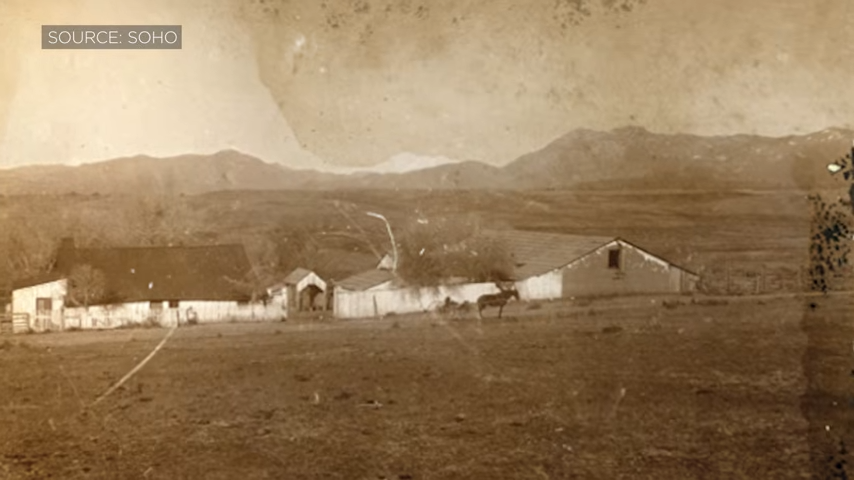
Originally published by KPBS.org on August 20, 2026.

New unscripted series highlights the Imperial County micronation created by longtime radio broadcaster Randy Williams Radio veteran Randy “R Dub!” Williams is launching a new unscripted series centered on the Republic of Slowjamastan, the micronation he established in Imperial County. Greetings from Slowjamastan premieres Thursday, August 27 at 5 p.m. PT on Slowjamastan State Television’s YouTube channel. New episodes are scheduled to be released each Thursday. Williams is Vice President of Communications and Media for Z90 and Magic 92.5 in San Diego and is the creator and host of the syndicated radio program Sunday Night Slow Jams. He has worked in radio for more than three decades as an on-air personality, programmer, executive and syndicated host. The premiere episode, “Big Trouble in Little Slowjamastan,” includes radio consultant Tim Richards and follows interactions between Slowjamastan representatives and local government authoritie s.

September 19 from 2–6 p.m.

Wing-Walking, Skydiving and Stunt Flying in Borrego Springs

Saturdays from 11 to 1 p.m


UCI Nature Chief Administrative Officer Job Posting
www.youtube.com/@under-the-borrego-sky
BASIC (Basic Assistance for Students in the Community) is hiring a Managing Director to lead programs, fundraising, operations, and community partnerships that support education for students and families in Borrego Springs. This is a visible, hands-on leadership role for someone who can build trust, get things done, and champion BASIC's C2G cradle to graduation mission. Key Responsibilities Partner with the Board to set priorities and support strong governance. Manage general daily operations, including use of technology, tracking data and written information, running meetings and supervision of a small staff. Guide BASIC programs, including the Dolly Parton Imagination Library, Learning Academy, and Scholarships. Manage fundraising and communications (external and internal). Build strong partnerships and serve as a trusted community ambassador. Ideal Candidate Bilingual in Spanish and English Proactive, organized, and comfortable in our small community. Strong communicator (written and verbal) and relationship-builder. Leadership experience in nonprofits, fundraising, programs, administration, education or community service. How to Apply Send your resume to basic2026job@borregobasic.org by September 15, 2026 Learn more about BASIC: www.borregobasic.org

Saturday, September 5

New communications tower supports stronger local connectivity


A firsthand account of the Beaty family's homestead, ranching life, the original Borrego school, General Patton's desert training, and the people who helped shape the Borrego Valley.

By Karen Pearlman, East County Magazine Aug. 4, 2026 (Descanso) — Three months after the San Diego Humane Society took custody of more than 700 neglected animals, including more than 150 horses, from the Villa Chardonnay property in Julian, some of the animals are trotting off to the next chapter of their lives. Eight of the horses have found a forever home in East County at Horses of Tir Na Nog in Guatay, near Descanso. Established in 2003, the volunteer-powered nonprofit is the longest-operating equine sanctuary in San Diego County, serving as a non-riding safe haven for horses with medical conditions and advanced age. The arrival of the new horses was a bittersweet moment for the rescued horses-focused sanctuary that is also home to alpacas, sheep, goats, llamas pigs, ducks, cats and dogs: Horses of Tir Na Nog is concurrently mourning the passing of several of its aging, longtime residents, including several horses and burros. “Although we are excited to welcome home the new horses from San Diego Humane Society’s Villa Chardonnay case, the joy of their arrival is tempered by the pain of a number of recent losses,” said Amy Pat Rigney, Administrator for Horses of Tir Na Nog. “As a forever home for residents with medical conditions and often advanced ages, saying goodbye is part of the nature of our sanctuary work. However, it never gets easier to lose a resident.” The San Diego Humane Society reports that other rescued horses are stepping into entirely new roles. Oscar, a horse previously highlighted by SDHS, left last week for the Unconditional Love Foundation in Murrieta, where he will serve as a therapy horse for veterans with PTSD, SDHS officials report. Oscar didn’t make the trip alone; he was accompanied by his pony “girlfriend,” Loretta Lynn, and a horse named Knight King Julian. They join Runner and Alfred, two other horses previously rescued from the Julian property by Unconditional Love Foundation. Of the roughly 165 horses and ponies originally rescued from Villa Chardonnay, 48 remain in SDHS care, with 37 currently ready for adoption. In July, the remaining horses were relocated from Julian to the Willow Glen Equestrian Centre in El Cajon to make them more accessible for staff, volunteers and potential adopters. Four horses requiring more advanced care are now housed at the SDHS Escondido Campus. The 37 horses waiting for homes are looking for patient, experienced owners, SDHS officials report. Because many received little to no veterinary care in the years prior to their rescue, they are being adopted out strictly as companion animals. SDHS notes their rideability is unknown, and riding should not be expected. Interested adopters must complete an application at sdhumane.org/horses and, if approved, make an appointment to meet the horses in El Cajon. The ongoing placements mark a significant milestone in what SDHS officials have called one of the largest and most complex rescues in their history that raised awareness throughout Southern California earlier this year. On May 1, SDHS carried out a massive, multi-agency rescue operation and authorities served a search warrant at the 40-acre Villa Chardonnay, Horses With Wings LLC property amid bankruptcy proceedings and mounting reports of extreme animal neglect. While the Julian area encompasses the County of San Diego and its Department of Animal Services’ jurisdiction, due to the scale of the situation, DAS handed the case to SDHS. The case was officially transferred from DAS to SDHS on April 24, due to the extreme scope of the rescue and complexities stemming from the bankruptcy issue. SDHS was subsequently granted legal ownership of all 728 animals on site — including cats, dogs, farm animals and equines — many of which were suffering from emaciation, untreated injuries and a severe lack of basic care. The investigation into the Julian facility remains ongoing.

Nearly every issue from 1958 to 2008 is now searchable online.

Providing temporary cooling units while residents repair their air conditioning systems or explore HVAC financing options.

Award-Winning Filmmakers Return With Anza Borrego Sunrise to Sunset Documentary

Park closures highlight growing heat dangers as Borrego Springs temperatures climb toward 115°F.

2027 Concert Season
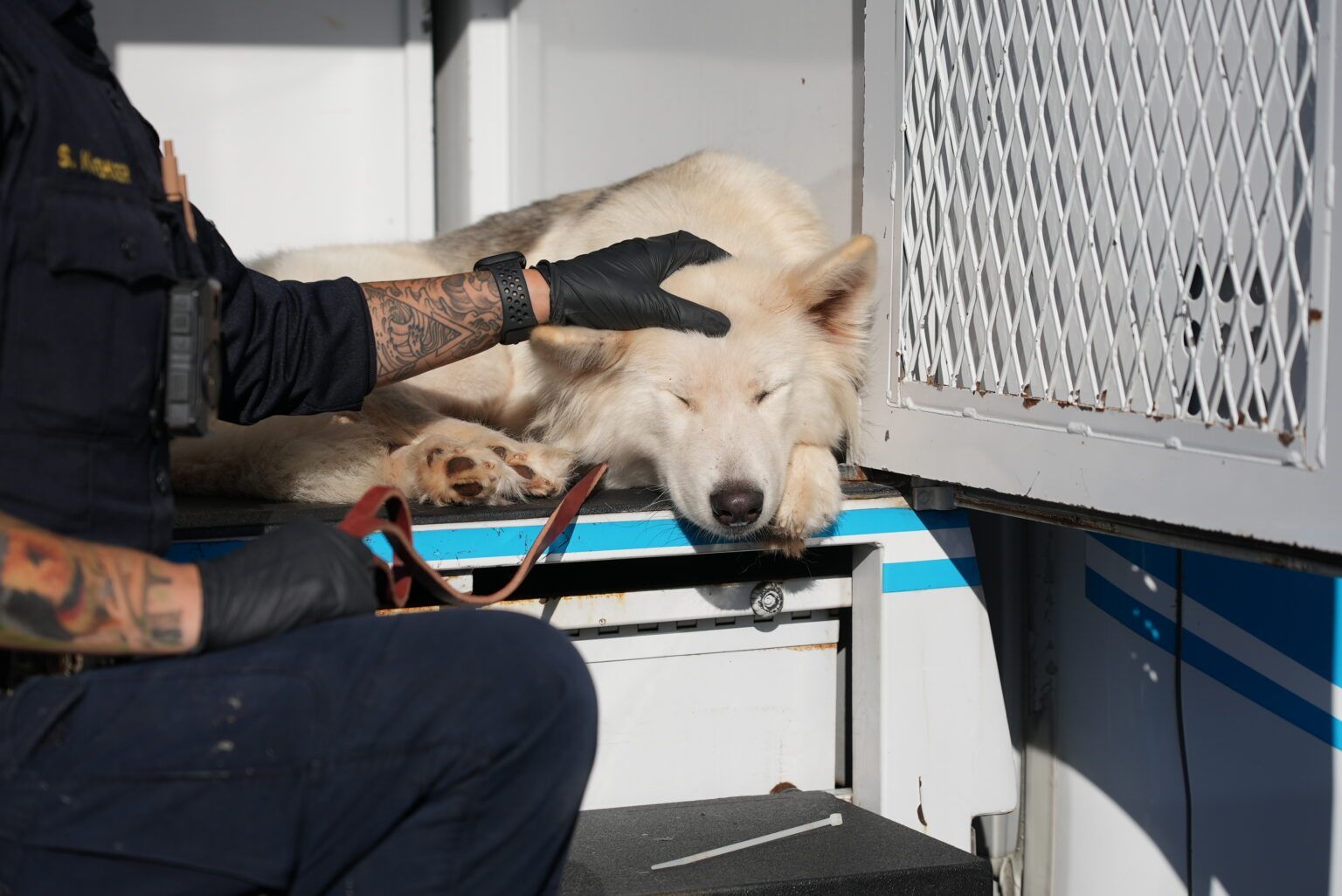
Shelter Near Capacity as San Diego Humane Society Seeks Homes for Hundreds of Animals

Complimentary Tram Admission in August for Qualifying First Responders

Longtime Borrego Springs resident remembered for her photography, artistic leadership, and community service.

Award-Winning Cellist Ruslan Biryukov Performs Two Concerts in Julian

Extreme Heat Expected as Highs Near 121°F This Weekend Triple-digit temperatures are expected to continue through the week, with highs climbing from 111°F Tuesday and Wednesday to 114°F Thursday , 119°F Friday , and 121°F Saturday , according to the National Weather Service . Need a Place to Cool Off? The Borrego Springs Library is serving as a Cool Zone , offering an air-conditioned place to escape the heat. The library has also scheduled free Saturday matinee movies during August from 2–4 p.m. , providing another opportunity to stay cool while enjoying a film. Help Is Available for AC Problems The Borrego Ministers Association is continuing to work closely with licensed HVAC professionals to help residents experiencing emergency air conditioning failures. The program provides temporary portable AC units while evaluating longer-term solutions for qualifying households. With temperatures expected to remain above 110 degrees for several days, residents are encouraged to: Stay hydrated. Limit outdoor activity during the hottest part of the day. Check on neighbors and older adults. Never leave children or pets in parked vehicles.

Help Keep Borrego Springs Safe This Summer When the desert heat becomes dangerous, your support can save lives. For the past two summers, the Borrego Ministers Association (BMA) has provided emergency portable air conditioners at no cost to Borrego Springs residents whose home cooling systems unexpectedly fail. Units are delivered, installed, and evaluated by licensed HVAC professionals to provide immediate relief. Right now, 6 portable air conditioners are already deployed in homes across Borrego Springs, helping keep local residents safe during extreme heat. With demand increasing rapidly, we urgently need to expand our inventory. Your gift provides immediate protection: $1,000 provides 2 high-powered portable air conditioners $2,000 provides 4 high-powered portable air conditioners Every donation helps protect vulnerable neighbors from heat-related illness and potentially life-threatening conditions. About the Borrego Ministers Association The Borrego Ministers Association is a coalition of local faith communities working together to serve Borrego Springs through emergency assistance, community outreach, and programs that support residents in times of need. To learn more contact: Andrea McKenna 619-892-0393 Donations may also be made online through the Borrego Ministers Association.

The Man Who Helped Shape Borrego Springs

San Diego broadcaster and local Ram Media Foundation founder returns to the convention where his Comic-Con journey began. Gabriel B. Wisdom, founder of Ram Media Foundation and creator of KRAM 90.5 FM Borrego Springs, will speak at San Diego Comic-Con on Friday, July 24. Founded in 1970, San Diego Comic-Con has grown into one of the world’s largest pop culture conventions, drawing more than 130,000 attendees for panels, exhibits and appearances by creators, artists, filmmakers and celebrities from around the globe. Wisdom will join Radio Hall of Fame inductee (Shotgun) Tom Kelly for "A Conversation with San Diego Celebrities Gabriel Wisdom and (Shotgun) Tom Kelly," from noon to 1 p.m. at the Marriott Marquis San Diego Marina. Beginning at KPRI-FM San Diego in the late 1960s, Wisdom went on to work at KGB-FM San Diego and KMET-FM Los Angeles during the formative years of FM rock radio in the 1970s. Today, he leads Ram Media Foundation and, among other roles, serves as a portfolio manager with American Money Management, LLC (AMM),

By Karen Pearlman, East County Magazine July 20, 2026 (Ramona) — San Diego County’s aerial firefighting capabilities have been boosted with the reopening of the modernized Ramona Air Attack Base, where state and local officials on Monday morning unveiled nearly $20 million in upgrades designed to get aircraft back into the air faster and expand around-the-clock wildfire response. The renovated base at 2498 Montecito Road now houses a new 4,000-gallon CAL FIRE C-130 Hercules air tanker, a night-capable S-70 CAL FIRE Hawk Helicopter, two S-2 air tankers and an OV-10 Air Tactical aircraft. The group of aircraft is creating what officials called one of California’s most advanced aerial firefighting hubs. The base’s aging infrastructure has been replaced with a modern retardant mixing plant capable of storing 20,000 gallons of fire retardant, redesigned aircraft loading bays that dramatically reduce turnaround times, and expanded ramp space to accommodate additional air tankers during major wildfire incidents. “This base is a regional asset,” CAL FIRE/San Diego County Fire Chief Tony Mecham said at a press conference that was livestreamed on YouTube . “When there is smoke in the sky, the citizens don’t care what color the fire engine is or what patch is on the uniform. They just want people to show up quickly.” The improvements come as California faces increasingly destructive wildfire seasons fueled by hotter temperatures, prolonged drought and more extreme weather conditions. CAL FIRE Director and Fire Chief Joe Tyler said the Ramona facility reflects years of investment in modernizing California’s aerial firefighting fleet. Over the past two years, CAL FIRE aircraft have flown more than 11,500 flight hours annually while maintenance crews logged more than 90,000 hours keeping aircraft mission-ready, Tyler said. Among the most significant additions is the C-130 Hercules air tanker, capable of dropping 4,000 gallons of fire retardant — more than three times the capacity of CAL FIRE’s traditional S-2 air tankers. The aircraft is part of the state’s new fleet of converted military transport planes that entered service beginning in 2024. Also based in Ramona is the county’s new S-70 Firehawk helicopter, which can perform water drops after dark — a capability officials said is already proving invaluable. It has an integrated 1,000-gallon water tank with hoist rescue capability and the ability to transport helicopter crews into remote terrain. San Diego County Board of Supervisors Chair Terra Lawson-Remer pointed to last week’s Thorn Fire, where the Firehawk flew nighttime suppression missions that slowed the fire’s progression and helped prevent flare-ups the following morning. “Our days are getting hotter, our nights are getting warmer, the winds are stronger and fuels are drier,” Lawson-Remer said. “Wildfire does not stop when the sun goes down.” She urged residents to prepare for wildfire emergencies by signing up for emergency alerts, planning evacuation routes and heeding evacuation orders when issued. For East County backcountry communities, the upgrades could mean quicker aerial response to fires threatening homes. Aircraft assigned to Ramona regularly respond throughout the county. Mecham twice shared the importance of coordinated and consolidated efforts between firefighting agencies across the county. “We fight fire without boundaries and without egos,” he said. Mecham said the modernization project focused on improving efficiency as much as expanding capabilities. Previously, air tankers were forced to maneuver awkwardly into a single retardant loading area, creating backups during major wildfire incidents. The redesigned facility features three drive-through loading pits that allow aircraft to taxi in, reload and immediately return to the fire. “The S-2s can reload in about two to three minutes,” Mecham said. “The C-130, under 10 minutes, it’s on the ground here at Ramona before it’s back in the sky responding to the next fire.” The expanded ramp now allows up to six air tankers to stage simultaneously. During last week’s Thorn Fire, officials said 11 air tankers were assigned to the incident, underscoring the need for increased loading capacity. Additional improvements are in the planning stages. Construction is expected to begin next year on a 14-person barracks to support future 24-hour operations, along with further expansion of the helicopter facilities. Monday’s ceremony also highlighted the historical significance of the Ramona Air Attack Base, which opened in 1957 as CAL FIRE’s first aviation base. While the facility received new buildings in 2000, much of its underground infrastructure — including water lines, electrical systems and retardant delivery equipment — had remained unchanged until the recent reconstruction. San Diego County Supervisor Joel Anderson, who lives in the fire-prone area of Alpine, thanked leaders for their understanding of the importance of the Ramona airport site… “not just in San Diego County but for Southern California in general.” “CAL FIRE has been an essential partner for the County Fire, providing joint fire protection in emergency services for more than 1.7 million acres,” Anderson said. “Since CAL FIRE’s creation in 2008, the Board of Supervisors have invested over a billion dollars into fire protection in emergency medical services. “In the years since we created County Fire, we have also expanded our partnership in collaborations. In 2022, CAL FIRE successfully collaborated with the Ramona Municipal Water District to establish the Ramona Airport as a hub for aerial firefighting teams, in addition to replacing fire engines and adding a third ambulance, which was so important to the backcountry and to all my constituents.”

Photo courtesy County of San Diego

Marine Science Institute has named Lisa Biasillo its new Executive Director, succeeding longtime leader Marilou Seiff.
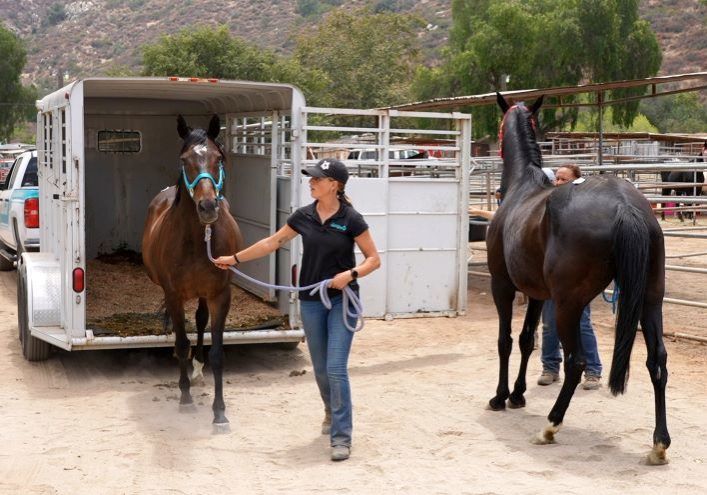
Photo courtesy County of San Diego