January 24, 2025

Local Author Michael Plekon Reflects on Modern Ministry

Share

How the Borrego Ministers' Association Exemplifies Ministry in Action


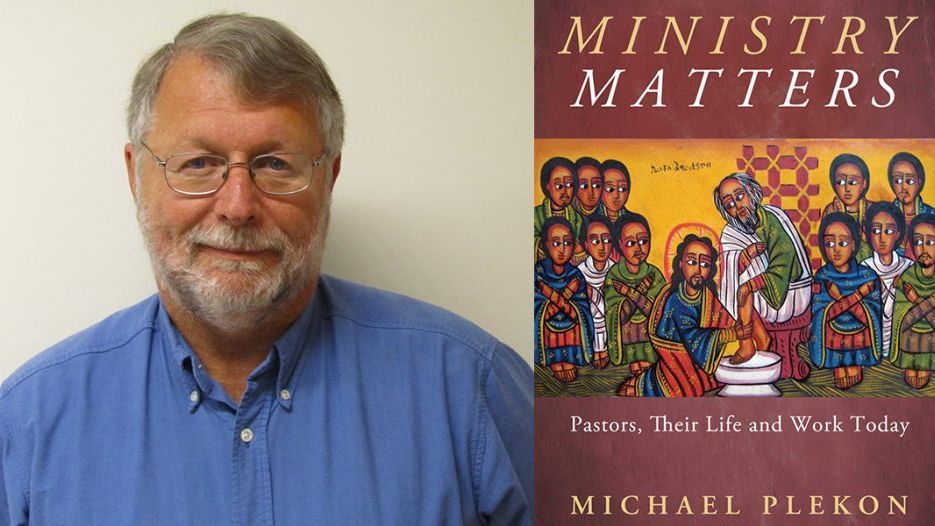
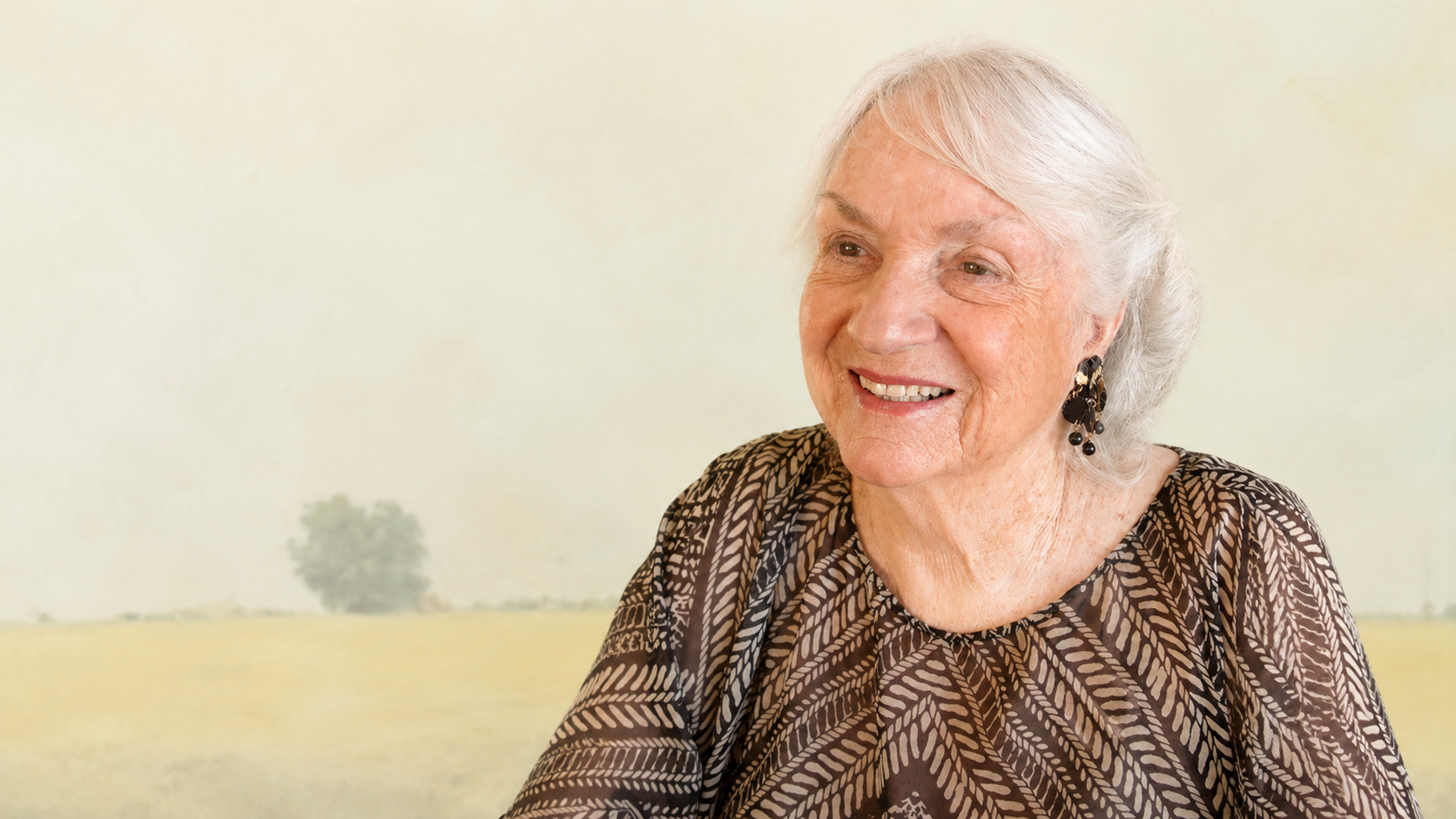
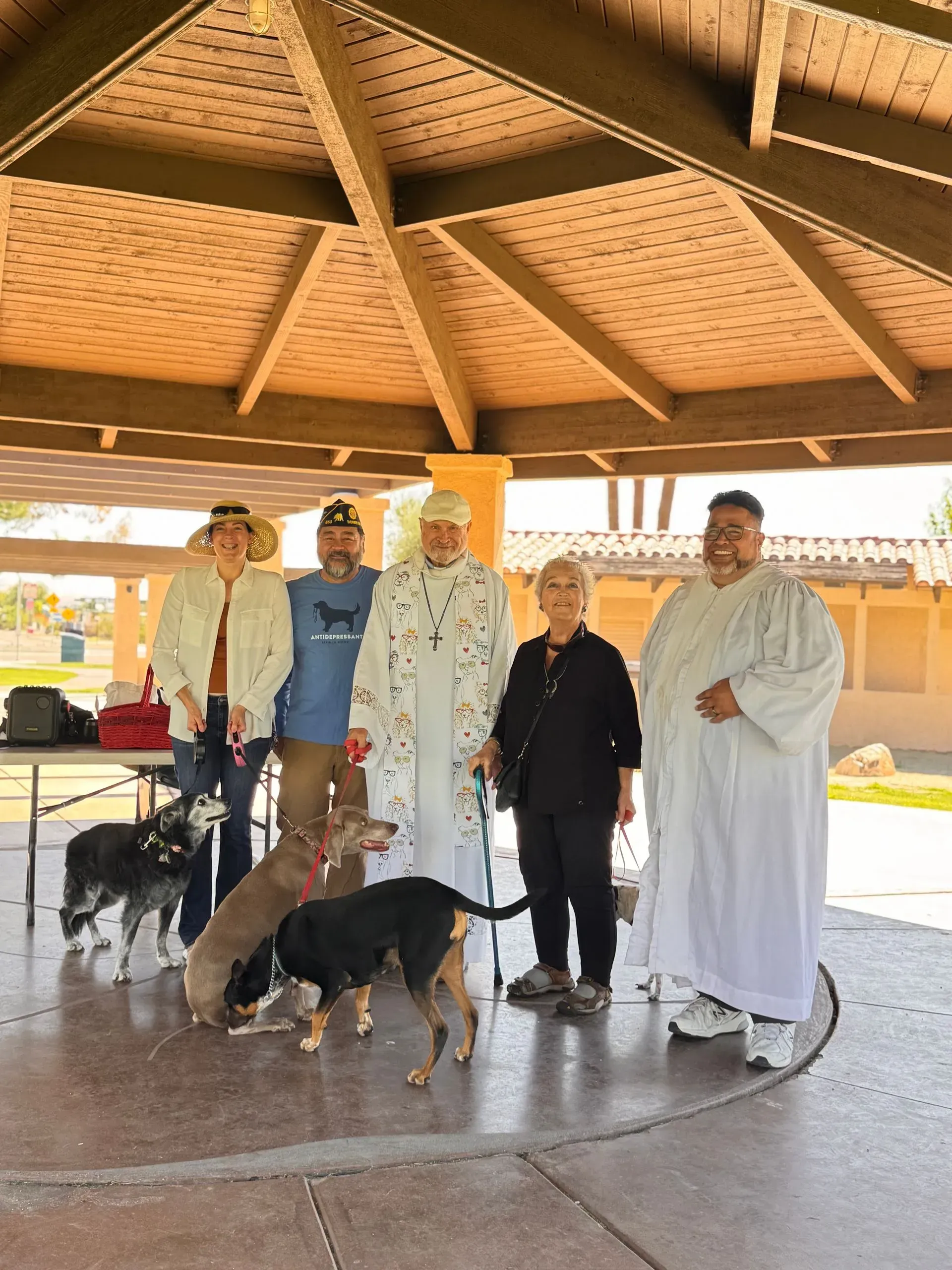
Michael Plekon, a local author, retired pastor, and co-chair of the Borrego Ministers' Association (BMA), continues to inspire and serve the Borrego Springs community. Known for his thoughtful writing and decades of ministry, Fr. Plekon provides pastoral counsel at St. Barnabas and beyond, offering support to those in need.


In his recent interview with Living Lutheran, Plekon discusses his latest book, Ministry Matters: Pastors, Their Life and Work Today. He reflects on the evolving role of clergy and the challenges of guiding congregations in today’s changing world. Through stories of diverse faith leaders like Pope Francis, Nadia Bolz-Weber, and Barbara Brown Taylor, his book highlights the vital role of pastors in fostering community, reconciliation, and faith.


The Borrego Ministers' Association embodies the spirit of Ministry Matters. As an ecumenical group, the BMA provides tangible support to local residents, helping with rent, utilities, medical transportation, property cleanup, and food coupons. This work showcases how ministry extends far beyond church walls, offering practical and compassionate care to the community.


To delve deeper into Fr. Plekon’s thoughts on modern ministry, read the full interview on Living Lutheran: https://www.livinglutheran.org/2025/01/what-is-the-role-of-the-pastor-today/.


Learn More About Borrego Springs

January 11, 2026
Music,Food & Community The BYOB (Bring Your Own Bowl & Spoon) concert series at St. Barnabas Church is a relaxed, midday gathering built around live music and community. It’s the place to go to see friends, catch up with neighbors, and enjoy performances in an easy, welcoming setting. Open to everyone, the series runs weekly at noon and features a rotating lineup of local and visiting musicians. Great opportunity to meet your neighbors or plan a friend meet up!
January 9, 2026
Located at the Borrego Community Resource Center
January 2, 2026
Strengthening Health Care in Borrego Springs
December 29, 2025
An Invitation Without Conditions
December 17, 2025
By Fr. Michael Plekon Every year in December we come around to a holiday that still for many is a holy day. It has different names in different languages and cultures—Yuletide, Jul, Weinachten, Noel, Navidad, Natale, Rizdvo and more. Christmas comes from “Christ’s Mass,” denoting the sacred service known in many churches and languages as the “Mass.” There are feasts of other faith traditions that often come close to the end of the year. Hannukah is the Jewish celebration of the victory of the Maccabees and the restoration of the sacred lights on the menorah or candlestick in the Jerusalem Temple. Despite not being filled with enough oil, the lamps burned for eight days. There is the Hindu celebration of light in darkness, Diwali. And the African-American holiday of Kwanzaa. Christmas also has other special days associated with it. December 6 is the feast of St. Nicholas, the original Santa Claus, a 4th century bishop renowned for his generosity to those in need. In some countries this is the day of the exchange of gifts. Likewise January 6 is the feast of Epiphany or the day of the Three Magi Kings, when in Hispanic countries gifts are given. Central to Christmas is the celebration of Jesus’ birth. The gospel of Luke tells the familiar story of the parents, Mary and Joseph’s journey to Bethlehem to enroll in a census. While there, lodging in a stable, their son is born, wrapped in swaddling clothes and placed in a manger, a feed trough for domestic animals. Angels announced this birth to shepherds in the surrounding countryside. These herdsmen came and honored the newborn child, having heard a song from the angels: “Glory to God in the highest, peace to all people on earth.” Later, in Matthew’s gospel, three astronomers, perhaps also royalty, came from further East to visit the child, following a star which led them to where the family was. This gospel does not mention the angels, the manger or shepherds, but notes that King Herod was fearful of the newborn as a threat to his power, asking the three astronomers to report back and disclose where the child was. They did not do this and went home on another route. The male children of Bethlehem were subjected to a massacre. Thus, the birth of Jesus was not without pain and suffering also. Christmas evokes images of trees twinkling with lights and ornaments, dinner tables loaded with food, the faces of children lit up with glee, not just at their presents but also at the warmth of family and friends. Christmas is an event that was to bring peace to the world, the birth of someone who became a teacher and healer later in life, one whom his followers saw, in Matthew’s words as “God with us,” Emmanuel, God becoming a human being, part of our world, of space and time. But Jesus was born in a land under the occupation of the Roman Empire, in a society in which most people teetered on the edge of extreme hunger and poverty. The birth happened in a barn where domestic animals lived, and the first visitors were scruffy sheep herders, thought of as not trustworthy. Two thousand years later, Christmas remains a moment in a world torn apart by suspicion, hatred, violence and anger. The holiday sees millions of dollars spent on gifts, parties, decorations, and entertainment. And yet, the story of how this birth came to take place remains one that faces us with a helpless infant, loving parents, the sense of joy from heavenly beings, the welcome of very humble as well as some very elite, privileged visitors. Christmas can still stand as a sign of light in the darkness, a message of joy and goodness despite everything that might appear as opposed to this. You don’t need to be religious to see in this holiday something of hope and joy. Merry Christmas! --- The Rev. Michael Plekon, PhD Professor Emeritus: Sociology, Religion & Culture The City University of New York - Baruch College Learn More About Borrego Springs

December 14, 2025
Guadalupe Procession Honors Tradition in Borrego Springs Borrego Springs observed the annual Guadalupe Procession on Saturday, December 13, as community members marked the occasion with prayer, music, and a public walk led by Fr. Anthony “Tony” Stanonik of St. Richard’s Catholic Church. The route started at Christmas Circle, continued past the Borrego Art Institute and the Borrego Springs Post Office, and made its way to St. Richard’s Catholic Church. The observance centers on Our Lady of Guadalupe, the name given to the Virgin Mary following her 1531 apparition to Saint Juan Diego in Mexico. According to Catholic tradition, her image appeared on Juan Diego’s cloak, becoming a powerful and enduring symbol of faith, Mexican identity, and the Catholic Church. Her feast day, celebrated annually on December 12, is among the most significant religious observances in the Americas and draws millions of pilgrims to the Basilica of Our Lady of Guadalupe in Mexico City. Throughout the walk, traditional music filled the route, and several participants wore masks and attire reflecting Guadalupe symbolism. Families, longtime residents, and visitors took part, highlighting the multigenerational nature of the tradition. The gathering continued at St. Richard’s Catholic Church with Mass and an evening celebration. For many in Borrego Springs, the annual procession remains a meaningful expression of faith during the Advent season and a reflection of the area’s enduring cultural and spiritual heritage.
December 8, 2025
SHORT | 24:35 | THE 2026 BSFF COMMUNITY FILM!
December 6, 2025
The second community Shape Note Sing in Borrego Springs
Show More

Share This Post