
Dónde alojarse

Encuentre su alojamiento perfecto en Borrego Springs, ya sea que busque hoteles boutique, escapadas fuera de la red, complejos turísticos de lujo o tranquilos retiros en el desierto.
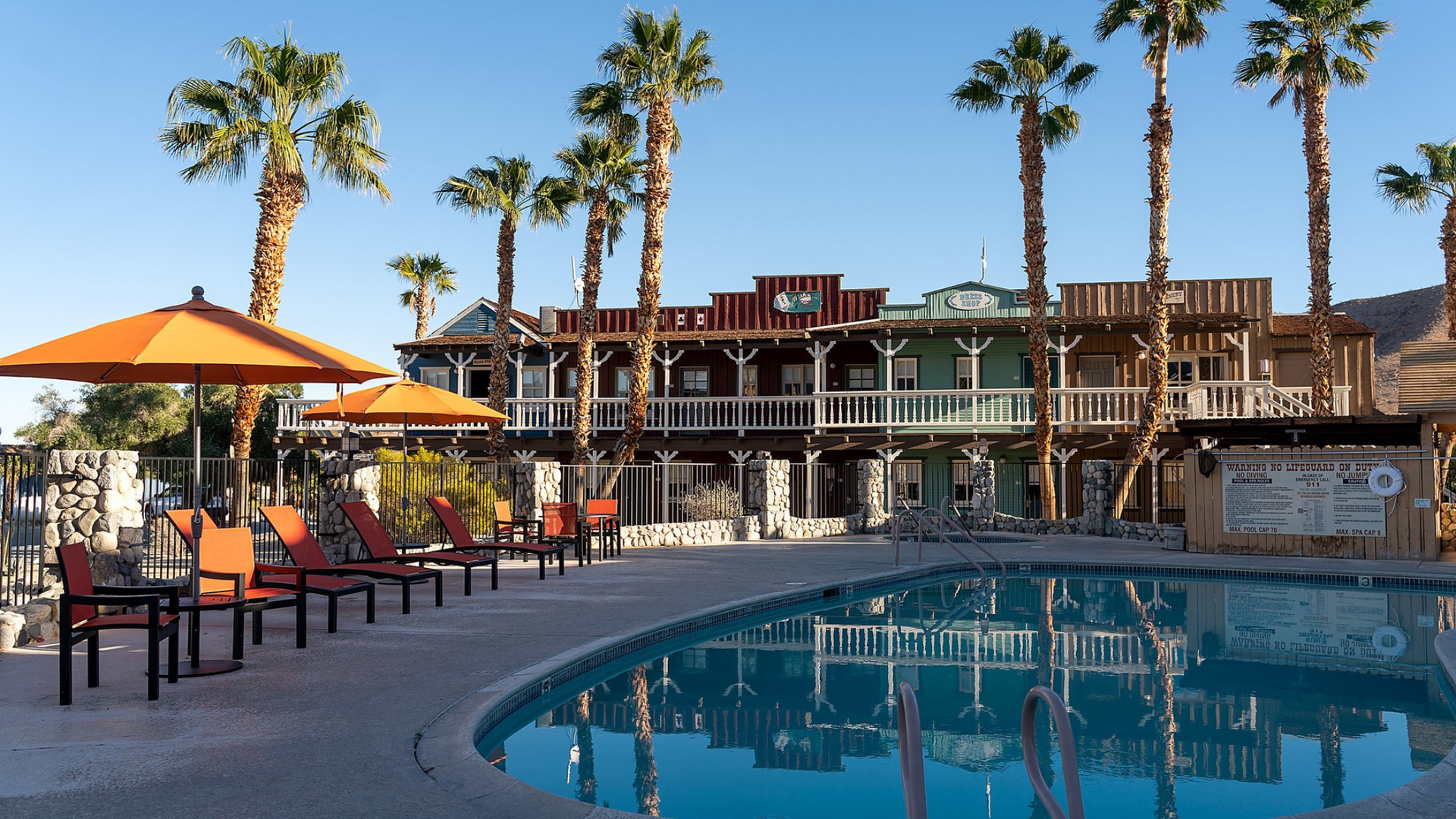
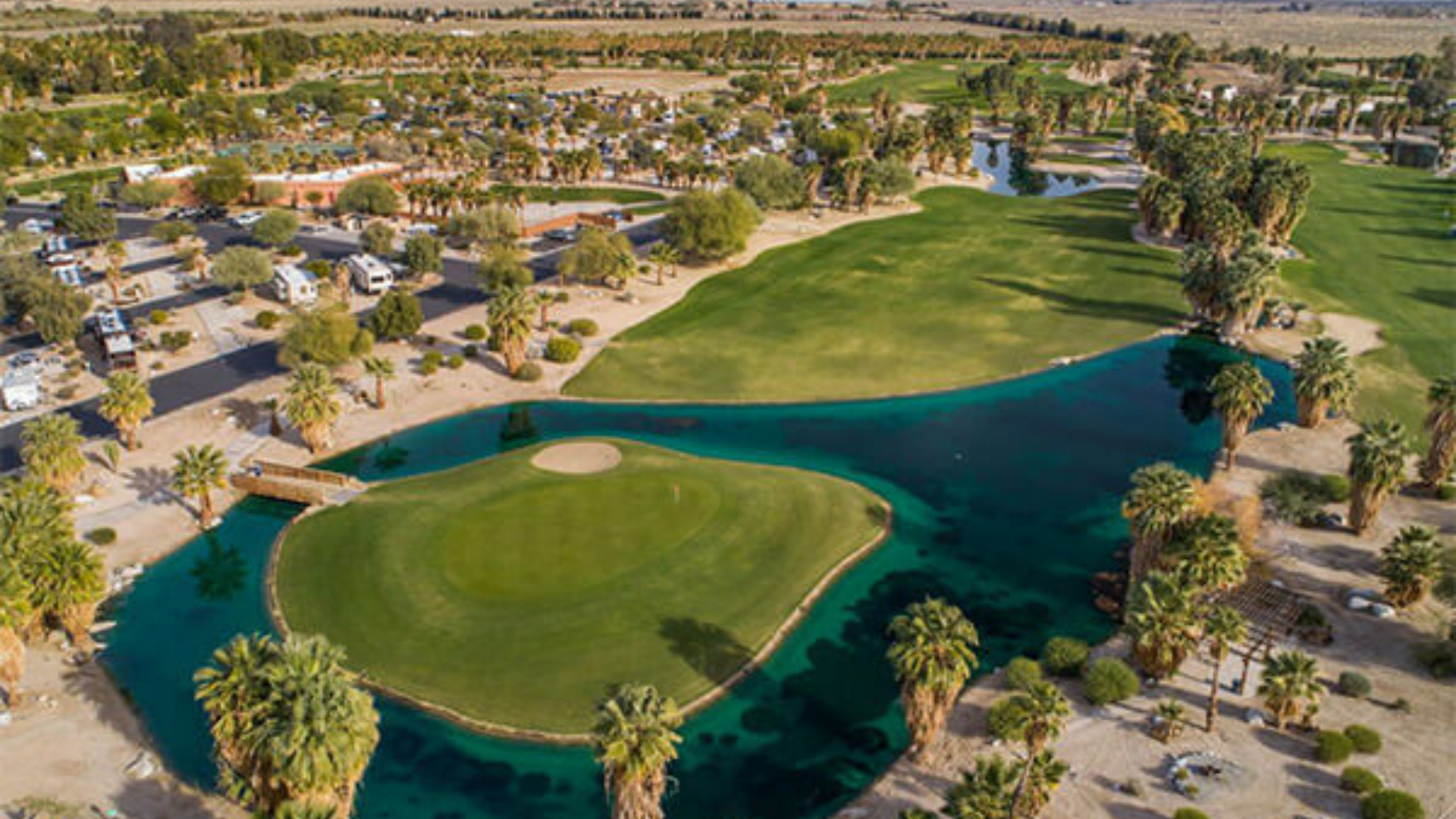
Palm Canyon Hotel & RV Resort

Palm Canyon Hotel & RV Resort

A Wild West resort offering desert wonders, saloon dining, and the best stay in Borrego Springs.

221 Palm Canyon Dr,
Borrego Springs, CA 92004
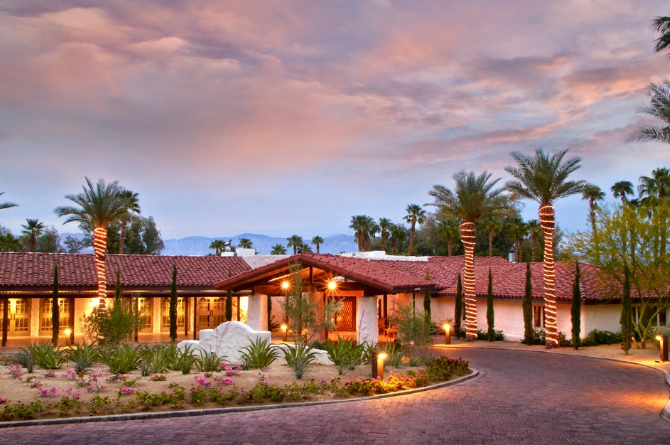
La Casa Del Zorro Resort

La Casa Del Zorro Resort

La Casa del Zorro, built in 1937, offers 42 acres of desert refuge with a spa, swimming, dining, & stargazing near Anza-Borrego.

3845 Yaqui Pass Rd,
Borrego Springs, CA 92004
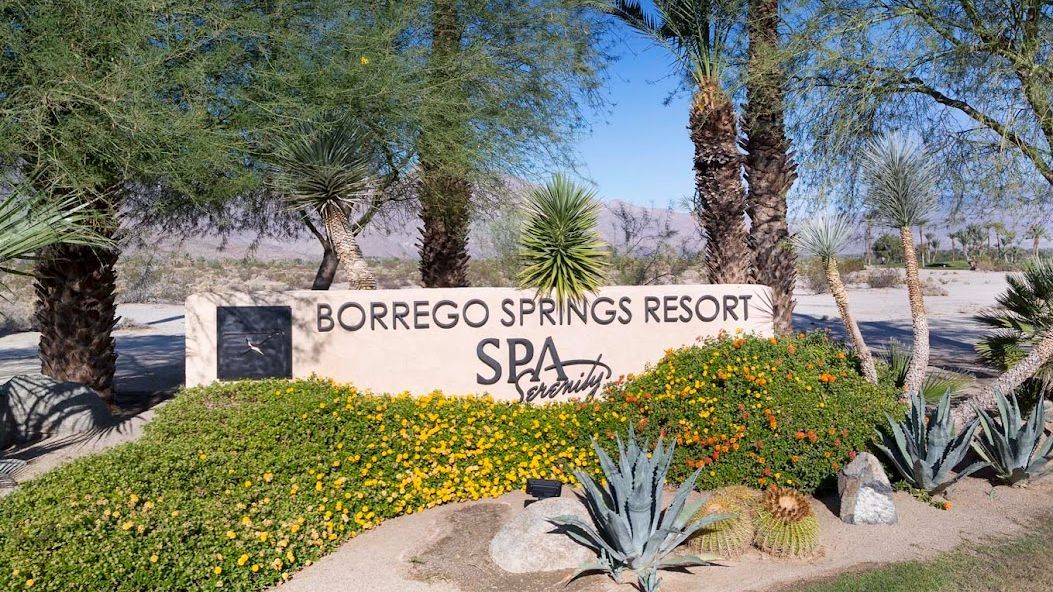
Borrego Springs Resort

Borrego Springs Resort

Borrego Springs resort offers luxury, stargazing, swimming, and exceptional dining for the perfect escape.

1112 Tilting T Dr,
Borrego Springs, CA 92004
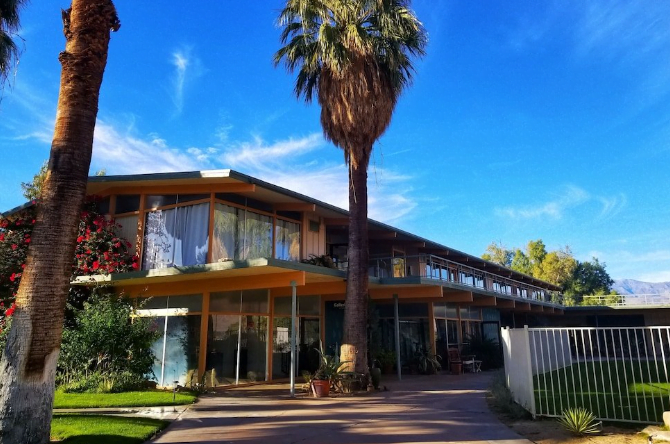
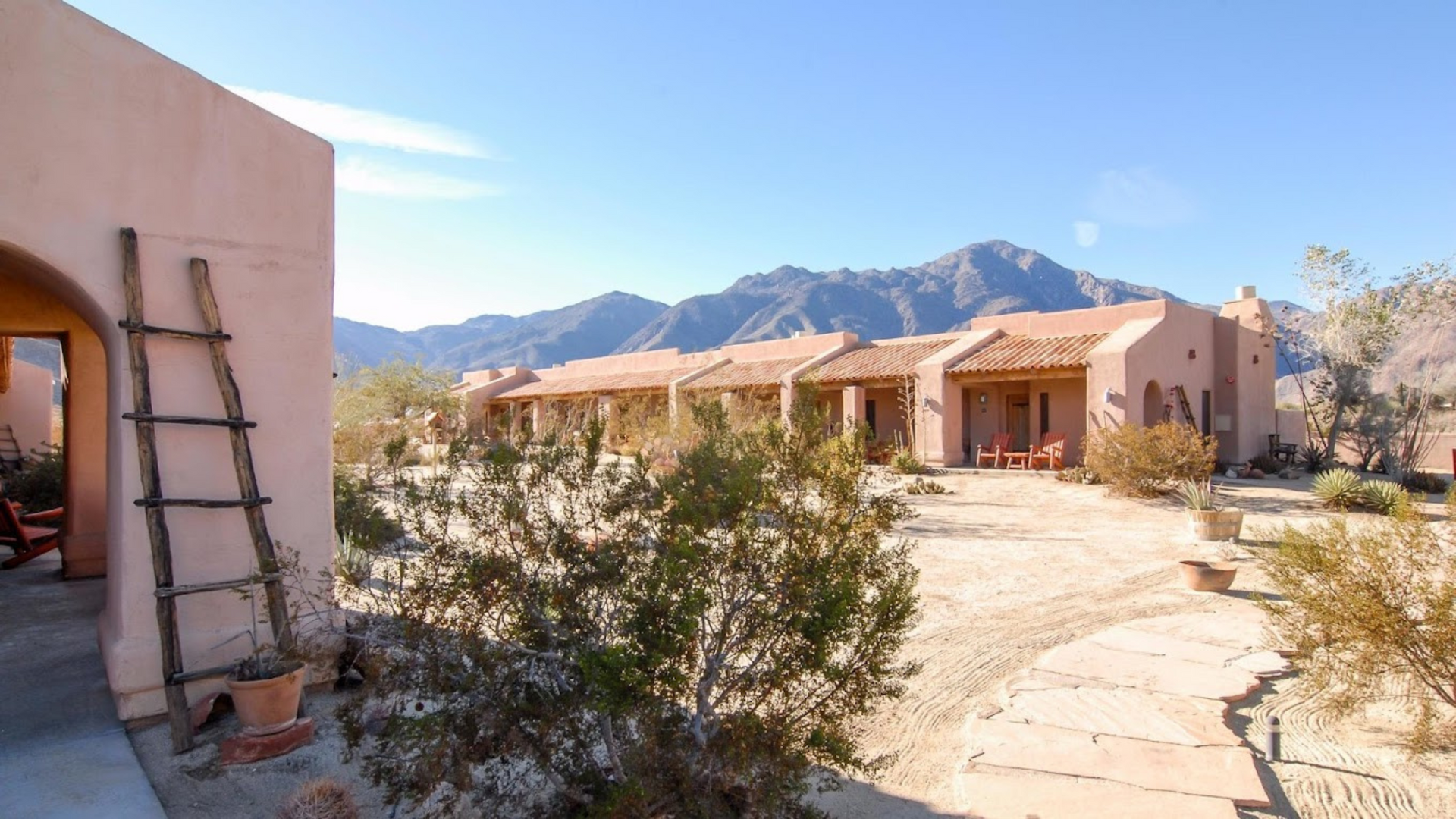
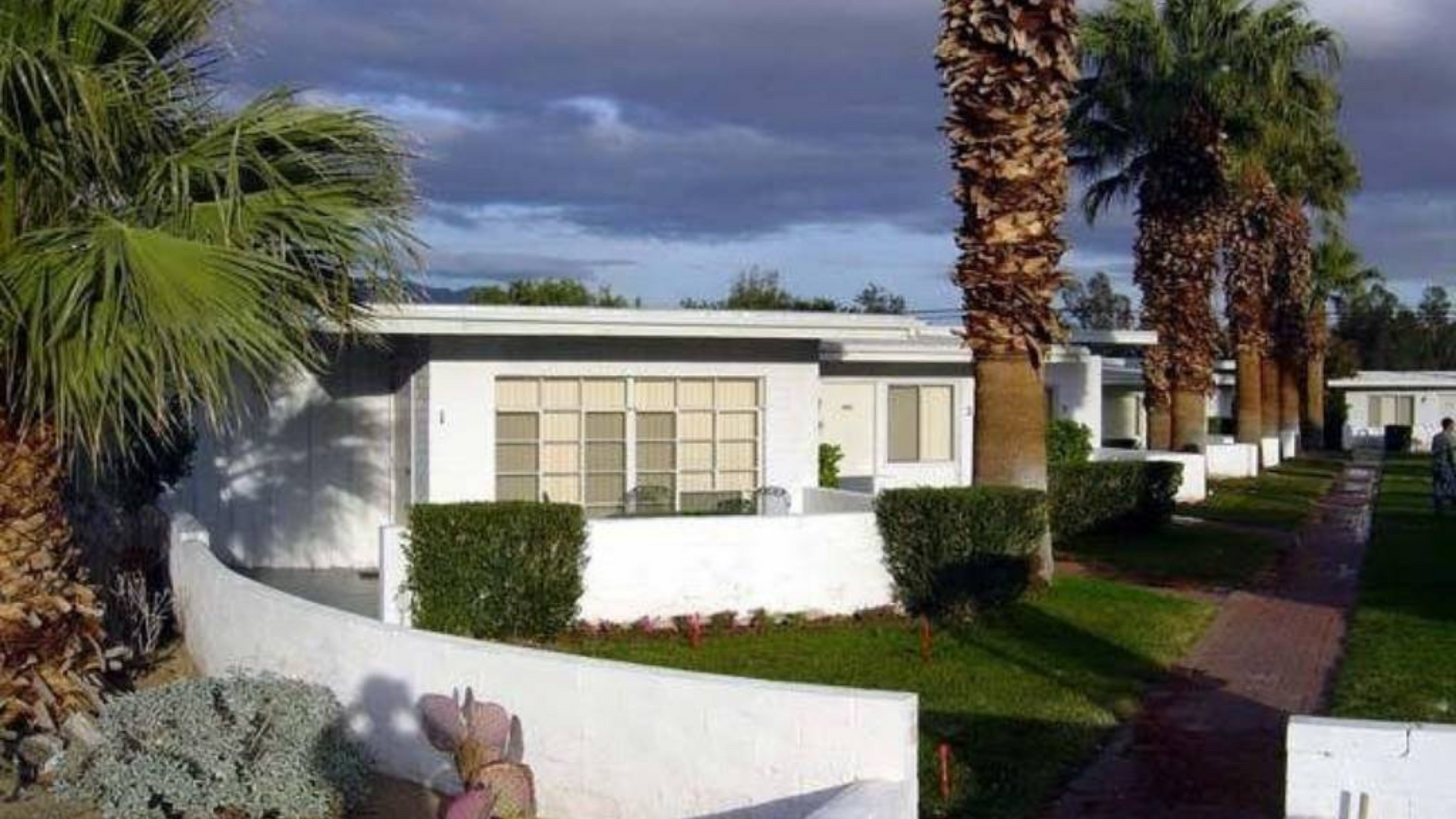
The Palms at Indian Head

The Palms at Indian Head

Mid-Century Modern Boutique Hotel. Built in 1947, it's the first major lodging facility in Borrego Springs.

2220 Hoberg Rd,
Borrego Springs, CA 92004
Borrego Valley Inn

Borrego Valley Inn

Borrego Valley Inn offers stylish rooms, desert charm, a clothing-optional pool, and stunning views. Adults only.

405 Palm Canyon Dr,
Borrego Springs, CA 92004
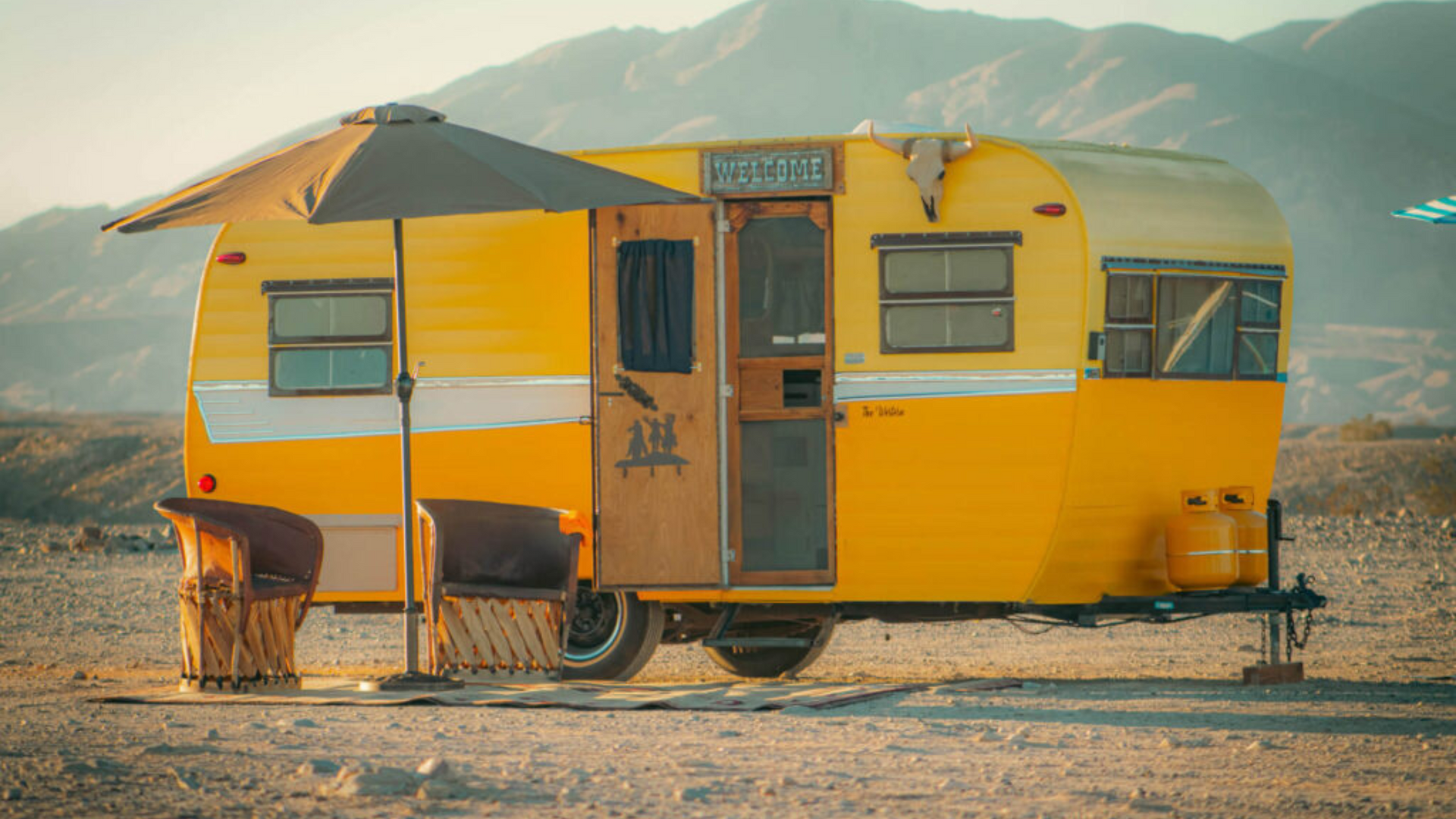
Bungalows of the Desert

Bungalows of the Desert

Bungalows of the Desert offers dry camping in restored 1950s-60s vintage trailers, preserving their charm.

860 Palm Canyon Dr,
Borrego Springs, CA 92004
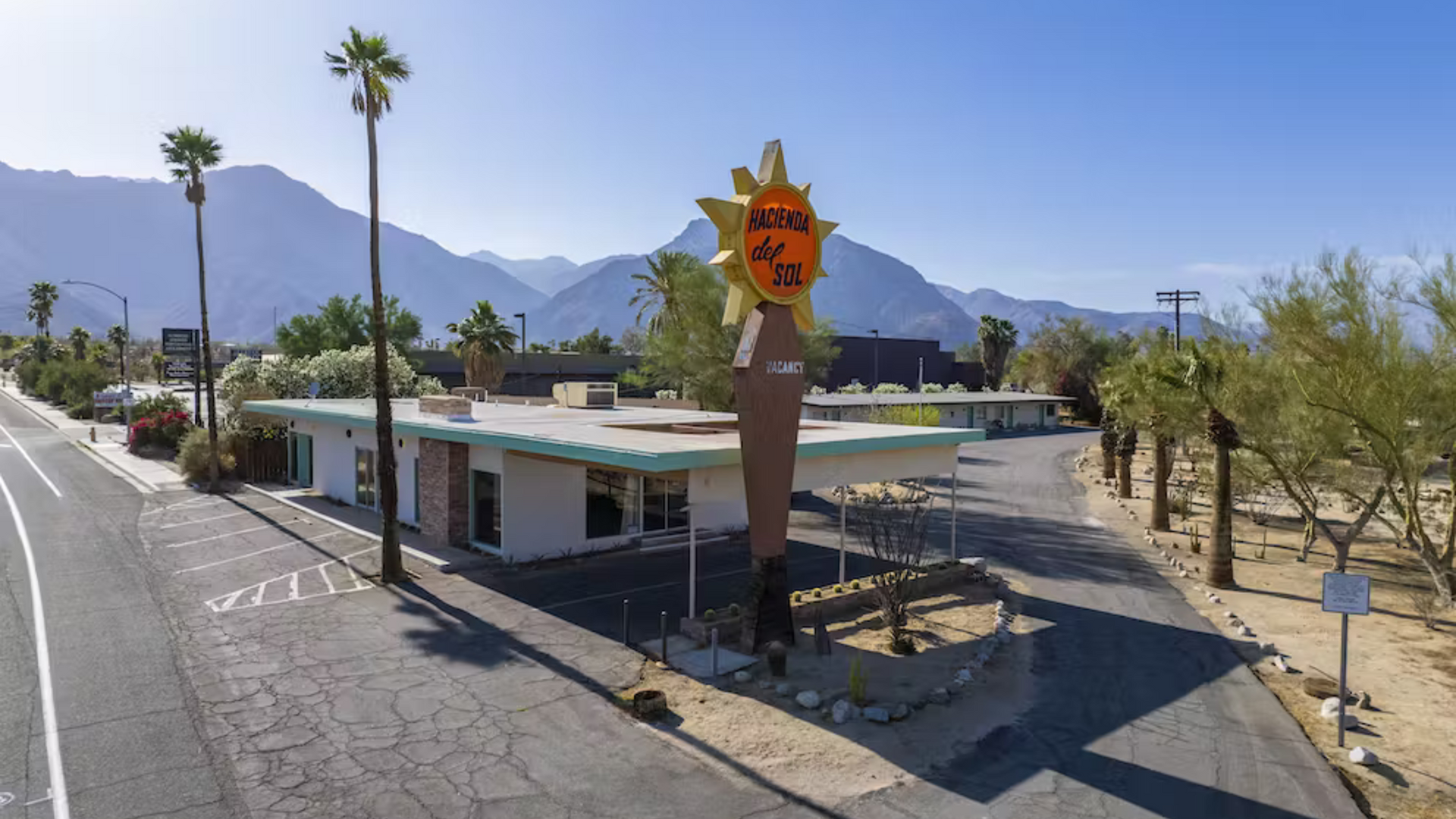
Hacienda Del Sol

Hacienda Del Sol

Hacienda del Sol, set on 6 acres in central Borrego Springs, offers a private mid-century modern retreat with dining and shops nearby.

610 Palm Canyon Dr,
Borrego Springs, CA 92004
The Springs at Borrego

The Springs at Borrego

The Springs at Borrego offers RV sites, furnished park models, great amenities, and recreation.

2255 Di Giorgio Rd,
Borrego Springs, CA 92004
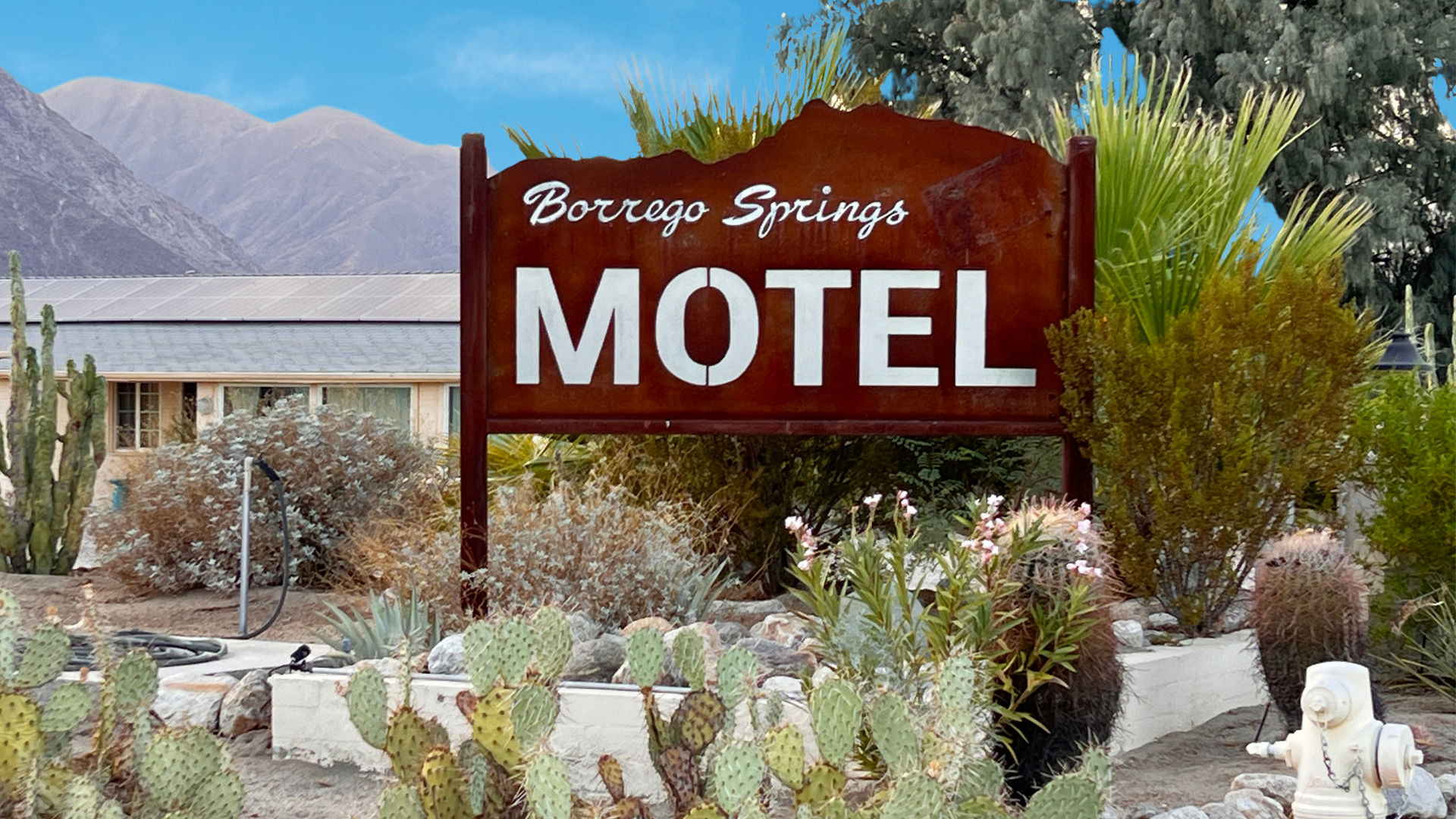
Borrego Springs Motel

Borrego Springs Motel

Borrego Springs Motel offers clean, affordable rooms with WiFi, mini-fridges, a saltwater pool, and stunning desert views.

2376 Borrego Springs Rd,
Borrego Springs, CA 92004
Stanlunds Inn & Suites

Stanlunds Inn & Suites

Stanlunds Inn & Suites, a classic 1960s desert motel, offers free WiFi, parking, a year-round pool, and pet-friendly rooms.

2771 Borrego Springs Rd,
Borrego Springs, CA 92004
Divine Desert Destination

Divine Desert Destination

Luxury Desert Retreat: 180-degree mountain, pool, and golf course views. Book direct & save!


Borrego Springs, CA 92004
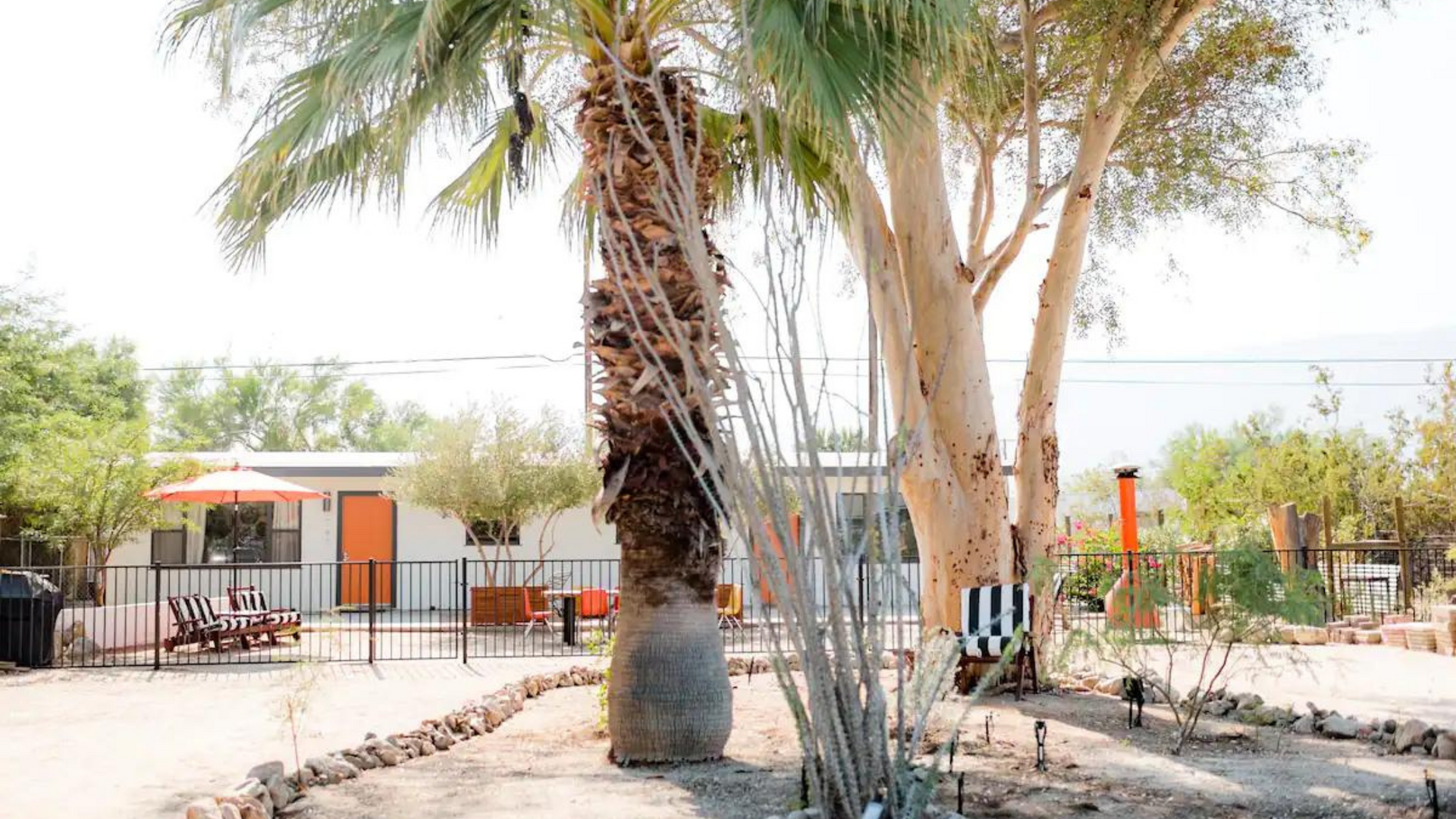
Cactus & Stars

Cactus & Stars

Cactus and Stars offers two-bedroom, one-bath units with mountain views, outdoor seating, and a relaxing yard.

741-743 Diamond Bar Rd,
Borrego Springs, CA 92004

Preguntas frecuentes

¿Tienes alguna pregunta? Estamos aquí para ayudarte. ¡Contáctanos!

  • ¿Por qué es conocido Borrego Springs?

    Borrego Springs destaca como un destino verdaderamente único. No solo es el único pueblo de California completamente rodeado por un parque estatal, sino que también es una Comunidad Internacional de Cielo Oscuro oficial, la primera y única del estado. Esta prestigiosa designación forma parte de nuestro compromiso con la protección y el disfrute de nuestros cielos nocturnos prístinos, libres de contaminación lumínica. Como reconocido destino geoturístico, Borrego Springs ofrece una variedad de experiencias de viaje sostenibles perfectas para todos, desde amantes de la naturaleza hasta turistas culturales. Ya sea que planee una escapada tranquila o una exploración aventurera, Borrego Springs le ofrece un entorno inigualable con una amplia gama de alojamientos para mejorar su estancia.

  • ¿Cuáles son mis opciones de transporte en Borrego Springs si no tengo un automóvil?

    Borrego Springs no ofrece Uber ni servicios de transporte compartido similares. Si visita sin vehículo, considere reservar alojamiento con servicio de transporte. Algunos resorts y hoteles de la zona ofrecen opciones de transporte a las principales atracciones y al centro. Como alternativa, puede alquilar una bicicleta para recorrer el pueblo y los lugares cercanos, ya que la zona es apta para bicicletas, aunque tenga en cuenta que hay largos tramos desérticos entre los puntos de interés.

  • ¿Cómo puedo moverme por Borrego Springs en bicicleta?

    El ciclismo es una forma popular de explorar Borrego Springs y el Parque Estatal del Desierto de Anza-Borrego. El pueblo es pequeño y fácil de recorrer en bicicleta, y muchos visitantes disfrutan de ir en bicicleta a tiendas, restaurantes y galerías locales. Para aventuras un poco más lejanas, como visitar las esculturas de metal en Galleta Meadows, prepárese para recorridos más largos por los pintorescos paisajes desérticos. Asegúrese de llevar un buen mapa, abundante agua y protección solar.

  • ¿Qué debo tener en cuenta al elegir un lugar para alojarme en Borrego Springs?

    Su elección de alojamiento dependerá de las actividades que planee realizar durante su estancia en Borrego Springs. Si viene a disfrutar de la belleza natural y las actividades al aire libre del Parque Estatal del Desierto de Anza-Borrego, busque opciones de alojamiento en las afueras de la ciudad para acceder más fácilmente al parque. Si prefiere estar a poca distancia a pie de restaurantes y tiendas, podría ser preferible alojarse más cerca del centro. Recuerde, si no dispone de vehículo, consulte si su hotel ofrece servicio de transporte o considere llamar con antelación para alquilar una bicicleta eléctrica.

  • ¿Hay servicios de alquiler de bicicletas en Borrego Springs?

    Aunque no hay tiendas tradicionales de alquiler de bicicletas en Borrego Springs, algunos hoteles locales ofrecen bicicletas para sus huéspedes. Consulte con su hotel con antelación para ver si pueden adaptarlas a sus necesidades. Si le interesan las bicicletas eléctricas, I-Bike Borrego ofrece una excelente selección de bicicletas eléctricas, perfectas para explorar tanto el pueblo como los paisajes desérticos circundantes. Le recomendamos contactarlos antes de su visita para verificar la disponibilidad.

  • ¿Cuáles son algunas atracciones cercanas que puedo visitar durante mi estadía en Borrego Springs?

    Borrego Springs tiene una ubicación ideal para explorar el Parque Estatal del Desierto de Anza-Borrego, conocido por sus impresionantes flores silvestres, senderos y cielos despejados. No se pierda las singulares esculturas de metal de Galleta Meadows, fácilmente accesibles en coche o bicicleta. También vale la pena visitar el Instituto de Arte de Borrego Springs, las galerías locales y el Centro de Visitantes de Borrego Springs para descubrir el arte, la cultura y la historia locales.

Obtenga más información sobre Borrego Springs
6 de marzo de 2026
By Dennis Mammana Week of March 8-14, 2026 If you hear the word "superstar," what immediately comes to mind? Perhaps names like Tom Hanks, Taylor Swift or LeBron James? That's certainly understandable; they are all undisputed superstars who attract the attention of paparazzi and fans alike. If you're an astronomer, however, you may answer this question differently. For example, when I hear the word "superstar," I think of UY Scuti, WOH G64 or RSGC1-F01. Yes, these are superstars, but not quite how people may think. These are some of the largest stars known in our galaxy and, for that reason, are quite intriguing to us celestial paparazzi. Regular readers of this column know that our sun is also a star. It appears big and bright in our daytime sky because not only is it rather close (about 93 million miles away), it's also pretty large (nearly a million miles across). It sounds huge, but our star is rather small on a cosmic scale, and believe it or not, there are stars out there that would dwarf our sun and make it look tiny. These are the true superstars! Until recently, the largest star known was given the hopelessly poetic name of UY Scuti. At a distance of some 9,500 lightyears from Earth, UY Scuti is what is known as a red hypergiant star, with a diameter some 1,700 times that of the sun! All that changed recently, however, when astronomers found a gargantuan star some 2,150 times larger than our sun! It's named Stephenson 2-18, and if you'd like to get a peek at this stellar behemoth, you'll need more than your eyes. At a distance of some 18,900 lightyears, it appears 5,100 times fainter than we can see without a telescope. If you have no telescope but would still like to see a celestial superstar, you're in luck. There's one shining in our night sky right now; it's one of the brightest up there and is named Betelgeuse. Betelgeuse sparkles brightly in the northeastern corner of Orion, the hunter, and you can see its orange light midway up in the southern sky after dark this week. With about 15-20 times more mass than our sun, Betelgeuse is known as a red supergiant star for good reason. While we could align 109 Earths across the face of our sun, we would need at least 700 suns to cross the face of Betelgeuse! Indeed, this star is so immense that if it replaced our sun at the center of our planetary system, Betelgeuse would engulf the orbits of Mercury, Venus, Earth and Mars, and stretch part of the way to Jupiter! Yet it appears as a simple point of light in our night sky because of its tremendous distance from us — some 3,100 trillion miles, or about 520 lightyears. Betelgeuse is easily one of the largest known stars, though its size fluctuates by as much as 60% as the star shudders and pulsates on its way to an eventual supernova explosion, thousands or millions of years from now. Or tonight. We just don't know.  I hope you'll step out under the night sky soon to meet this remarkable superstar for yourself! Visit Dennis Mammana at dennismammana.com. To read features by other Creators Syndicate writers and cartoonists, visit the Creators Syndicate website at www.creators.com. Learn More About Borrego Springs
4 de marzo de 2026
Artists painted live during the Plein Air Quick Draw at Rams Hill in Borrego Springs.
25 de febrero de 2026
By Dennis Mammana Week of March 1-7, 2026 Attention, night owls and insomniacs! The sky show this week is just for you! Much of North America is about to see the moon experience one of nature's most beautiful sky shows: a total lunar eclipse. A lunar eclipse occurs when the full moon slips into the Earth's shadow far out in space, either partially or completely, and that's just what will happen during the wee hours of March 3. Skywatchers throughout North America will see the start of this eclipse (weather permitting, of course), but depending on where you live, you may see only a portion of the sky show. In general, the farther west you live, the more of the eclipse you will see before the moon sets behind the western horizon. The eclipse begins at 12:44 a.m. PST (3:44 a.m. EST), when the moon enters the Earth's light outer shadow (known as the penumbra), but this shadow is so thin that no one will notice a darkening of the moon's appearance. Within an hour or so, that will change significantly. As the moon approaches the dark inner shadow of the Earth (known as the umbra), skywatchers will notice the eastern side of the moon beginning to darken slightly. The real show begins at 1:50 a.m. PST (4:50 a.m. EST) when the moon officially enters the umbra. No one gazing skyward will have any doubt that a "bite" has been taken out of the moon — a bite that will grow larger with each passing minute. For the next hour or so, the moon will dim as it slips more deeply into our planet's umbra, until 3:04 a.m. PST (6:04 a.m. EST) when it's completely engulfed and the total eclipse begins. Unfortunately, those in the far eastern part of North America may miss this since the moon will lie quite close to (or even below) the western horizon. During the total phase, the moon will take on a dim coppery hue. This occurs because sunlight passing through our atmosphere is reddened and bent inward toward the darkened surface of the eclipsed moon, now suspended eerily against the stars of Leo, the lion. Only those viewing from the Midwest to the West Coast will see mid-eclipse, which occurs at 3:33 a.m. PST (5:33 a.m. CST). Those in the Midwest may miss the end of totality at 4:02 a.m. PST (6:02 a.m. CST), however, as the moon will be setting in the west. The entire event will end at 5:17 a.m. PST (4:17 a.m. MST) with the moon approaching the western horizon for viewers in western North America. Unlike an eclipse of the sun, a lunar eclipse is perfectly safe to view without protective filters. Your eyes are all you need to enjoy the show, but you'll have even more fun viewing through binoculars or a small telescope. If the sky is cloudy that morning, or if you live where the eclipse won't be visible, you can watch a livestream of the sky show online. Visit timeanddate.com and click on "Sun, Moon & Space" at the top to find details for your location, as well as links to view the eclipse live online. Visit Dennis Mammana at dennismammana.com. To read features by other Creators Syndicate writers and cartoonists, visit the Creators Syndicate website at www.creators.com.  Learn More About Borrego Springs
Show More