April 25, 2024

Borrego Springs Runs on Non-Profits

Share
How Non-Profits Sustain and Enhance Life in Borrego Springs

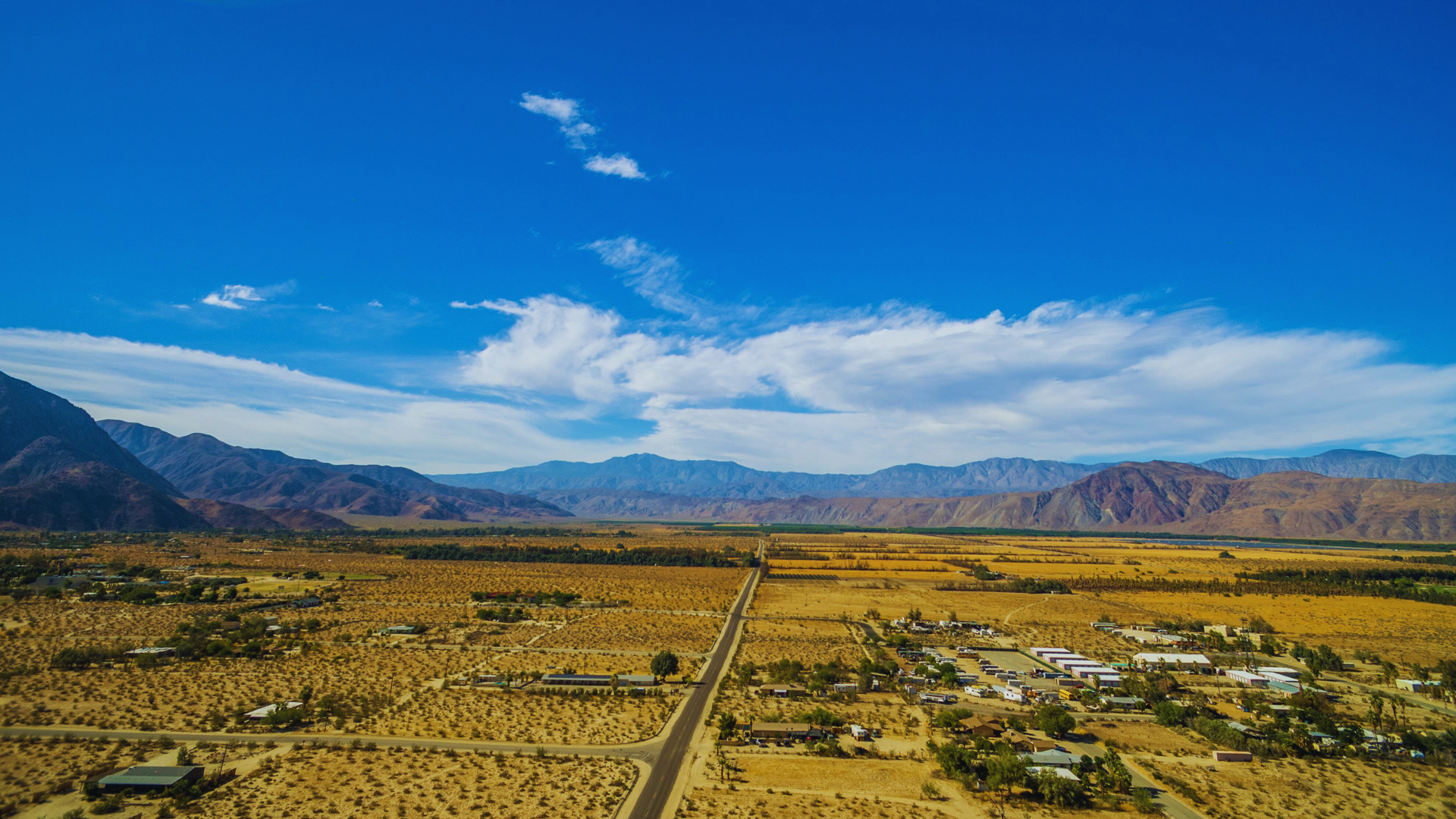
Borrego Springs, a remote community in the California desert, relies heavily on non-profit organizations to address its unique challenges and support its residents. With limited resources, high utility costs, and an economy significantly influenced by seasonal tourism, non-profits play a crucial role in maintaining the community’s well-being and fostering development.


The Importance of Non-Profits in Borrego Springs


Addressing Economic Challenges

Borrego Springs is classified as a Severely Disadvantaged Community, with a median household income significantly lower than the state average. This economic disparity means many residents struggle to meet basic needs. Non-profits like the Borrego Valley Endowment Fund (BVEF) focus on supporting vulnerable populations, including seniors and children, by funding programs that ensure access to food, healthcare, and education.


Supporting Education

The Borrego Springs Civic Foundation and other non-profits recognize the importance of education in breaking the cycle of poverty. Due to the town's geographical isolation, consolidating with neighboring school districts isn’t an option, making local initiatives essential. Non-profits invest in innovative educational programs and partnerships with institutions like the University of California to enhance learning opportunities for local students.


Enhancing Community Services

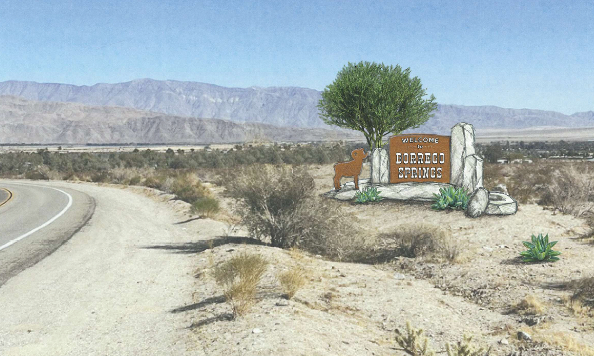
Non-profits also contribute to the quality of life by providing essential services and organizing community events. For example, the Borrego Village Association offers programs like First Aid and CPR certification courses, ensuring residents are prepared for emergencies. These organizations also engage in efforts to improve local infrastructure and promote community pride through projects like the Community Identification Welcome Sign initiative.


Promoting Environmental and Cultural Preservation

Organizations such as the Anza-Borrego Foundation and the Anza-Borrego Desert Natural History Association (ABDNHA) focus on preserving the natural beauty and cultural heritage of the area. They provide educational resources and conduct conservation projects within the Anza-Borrego Desert State Park, ensuring that the park remains a valuable asset for both residents and visitors. ABDNHA also promotes environmental awareness and offers programs that highlight the rich history and biodiversity of the region.


Borrego Ministers' Association: A Pillar of Community Support

The Borrego Ministers' Association (BMA) is a cornerstone of support in Borrego Springs, uniting local churches and faith-based organizations to address both the spiritual and practical needs of the community. They provide essential services such as food distribution, emergency financial assistance, and utility payment support, which are critical during the challenging summer months. Additionally, the BMA offers spiritual guidance, counseling, and organizes community events that foster social interaction and mutual support. By collaborating with other local non-profits like the Borrego Valley Endowment Fund and the Borrego Springs Youth and Seniors Center, the BMA ensures a comprehensive approach to community well-being, making a significant impact on the lives of residents.


The Role of the Borrego Valley Stewardship Council (BVSC)

The Borrego Valley Stewardship Council (BVSC) is a coalition of local organizations—businesses, non-profits, associations, and government agencies—focused on broad community engagement. Formed in 2014, the BVSC addresses community-wide issues such as water quality, economic development, and governance through inclusive discussions and initiatives. It aims to celebrate, promote, and protect the unique character and resources of Borrego Springs.


Community Building and Support

The tight-knit nature of Borrego Springs is reflected in the collaborative spirit of its non-profits. Events and activities organized by these groups help foster a sense of community, bringing people together and encouraging mutual support. This is crucial in a place where residents often have to rely on each other due to the remote and isolated setting.


How You Can Help


Donate

Financial contributions to local non-profits can make a significant impact. Donations help fund vital programs and services that support the community’s most vulnerable members.


Volunteer

Volunteering your time and skills is another way to contribute. Whether it’s helping out at community events, participating in conservation efforts, or offering professional expertise, every bit helps.


Spread the Word

Raising awareness about the needs and initiatives in Borrego Springs is essential. Sharing information through social media, word-of-mouth, and other channels can attract more support and resources to the community.


Borrego Springs exemplifies how non-profits can be the lifeblood of a small, isolated community. Through their dedicated efforts, these organizations ensure that residents not only survive but thrive in this unique desert environment.


Learn More About Borrego Springs

By Andrea McKenna June 6, 2026
What You'll Find at The Mall in Borrego Springs
By Andrea McKenna June 6, 2026
The Man Who Helped Shape Borrego Springs
By Mia Garcia | Borrego Sun Youth Intern June 6, 2026
What Taco and Lotería Night Meant to Me 
By Andrea McKenna June 5, 2026
A Wine Tasting Fundraiser Supporting Women and Girls in Borrego Springs
By Andrea McKenna June 5, 2026
Celebrating Tacos, Lotería, and Community
By Andrea McKenna June 5, 2026
From Norway to Spain: Sylvia Maas Rides for Borrego Springs Students On June 20, 2026, the NorthCape–Tarifa race will begin at 12:01 a.m. at the North Cape in Norway. Described as the world's longest bicycle race, the event follows a route of nearly 7,000 kilometers to Tarifa, Spain, the southernmost point of mainland Europe. Among the riders will be Borrego Springs ultra cyclist Sylvia Maas , who will be riding for her Bike4BorregoKids initiative. Track Sylvia Here The race begins at the North Cape in Norway and ends in Tarifa, Spain. Along the way, riders pass through several major checkpoints, including: Helsinki, Finland Hill of Crosses, Lithuania Torun, Poland Bregenz, Austria Col du Galibier, France Nice, France Port d’Envalira, Andorra Pico del Veleta, Spain Tarifa, Spain The route covers nearly 7,000 kilometers and includes mountain passes, historic cities, and some of the most demanding cycling terrain in Europe.
June 5, 2026
www.youtube.com/@Road2
By Karen Pearlman June 4, 2026
By Karen Pearlman June 3, 2026 (Julian) — Roots rock and Americana tunes are coming to fill the mountains of East and North County with original music this weekend during the Fifth Annual Julian Town Square Music Festival .  The free community celebration will run from noon until 6 p.m., Saturday, June 6 at 2712 Washington St. in Julian. Organized by the nonprofit Julian Community Heritage Foundation , with more support from the Julian Chamber of Commerce , the festival is the main fundraiser for the support of the continued development of the Julian Town Square — a historic corner lot becoming a permanent outdoor park and performance space. The emerging Julian Town Square represents a 10-year, grassroots preservation effort to safeguard the town’s mountain heritage. The site dates back to 1912 when it housed the Silvers Supply Store, before eventually operating as a Chevron gas station in the 1970s. In 2017, a small group of local neighbors formed the JCHF to buy the abandoned corner lot and revitalize it. The foundation has been molding the plot into a permanent cultural epicenter for theater, art and community gatherings. While admission to the festival is free — with parking available for $10 at Frank Lane Park, 2645 Farmer Road in Julian — organizers are looking to the community to help fund the next phases of development. Attendees making on-site or online donations of $300 or more will have their names permanently etched onto the Town Square’s upcoming donor wall. Local artisans, handmade goods, and backcountry vendors will line the venue, alongside food from QUECHO Elevated Mexican Eatery and craft beverages provided by The Toasty Tap . Original music, local artists This year’s festival is anchored by a heavyweight lineup of roots music icons, led by former San Diego Padres fan favorite-turned-Americana-troubadour Tim Flannery and his band, the Lunatic Fringe . For local audiences, Flannery represents a unique intersection of San Diego sports history and grit. Long before he was touring the country with his blend of blue-eyed Irish soul and California country, Flannery (photo, right) spent over three decades in Major League Baseball. He played 11 seasons as a versatile infielder for the Padres (1979-89). He later transitioned to coaching, serving as the third-base coach for the San Francisco Giants during three World Series championships in 2010, 2012 and 2014. Beyond his athletic feats, Flannery’s presence on stage carries a deeper emotional weight for fans following his severe medical crisis. In late 2020, Flannery was hospitalized in San Diego, fighting a life-threatening staph infection that required seven major surgeries and an extensive recovery period. After publicly sharing his battle — during which he credited music and his guitar as vital pieces of his healing process — Flannery’s return to the stage with the Lunatic Fringe marks a triumphant milestone in resilience. Sharing the marquee is Sara Petite, (photo below, left) an award-winning singer-songwriter who has become a fixture of the Southern California Americana scene. Originally from Sumner, Wash., Petite is widely recognized for her raw, roadhouse-rock style of outlaw country. A five-time finalist in the International Songwriting Competition and a frequent winner at the San Diego Music Awards , Petite brings an authentic twang heavily influenced by Loretta Lynn and Lucinda Williams. The afternoon’s diverse musical program will also feature performances by Elizabeth Bowersox , whose album California Queen just won Best Country or Americana Album at this year’s San Diego Music Awards; Salinas Road , Rootful and Donn Bree and friends. For more information on the organization and on the event, visit juliantownsquare.org. For more information on Julian, visit https://visitjulian.com.
By Andrea McKenna June 4, 2026
St. Barnabas Episcopal Church expands its ongoing collaboration with Rostros y Corazón For the first time, Fr. David Madsen and Jan Naragon of St. Barnabas (Borrego Springs) are leading a regular Eucharist service at Rostros y Corazón in Salton City. The gathering will take place the first and third Wednesday, creating a new opportunity for worship, fellowship, and community connection. The service builds on an existing relationship between the two organizations and reflects the many connections already shared between Borrego Springs and Salton City. Many West Shores residents work in Borrego Springs, attend school here, shop here, receive services here, or have family and friends in the Borrego Valley. The two communities are neighbors in many ways. The new service reflects St. Barnabas's commitment to extending ministry beyond its church walls while continuing to support relationships throughout the desert region. By gathering regularly at Rostros y Corazón, organizers hope to create a welcoming space for prayer, conversation, encouragement, and connection. Rostros y Corazón , led by Graciela Mendivil Ramos, is a nonprofit community center serving Salton City and the surrounding West Shores area. The organization is known for supporting families and connecting residents with needed resources. For upcoming service dates or questions, contact Graciela Mendivil Ramos at gracielamramos@gmail.com .
By Andrea McKenna June 4, 2026
Borrego Valley Community Radio – The RAM has moved from its previous location at the Community Resource Center and is now broadcasting from a studio inside WhipperSnappers at 794 Circle J Drive in Borrego Springs. The station, owned by Monica Rue and operated by Mike Rue, continues to serve listeners throughout Borrego Springs and the San Diego County backcountry with a mix of music, community information, local conversations, and volunteer-driven programming. The move gives The RAM additional space to grow while continuing its mission of providing hyper-local radio "by the community, for the community." Mike Rue recently invited residents from Borrego Springs, Julian, Warner Springs, Santa Ysabel, Descanso, Wynola, Mount Laguna, Pauma Valley, Ocotillo Wells, and surrounding communities to get involved. One of the station's goals is to encourage more people to spend time behind the microphone. Rue hopes to provide opportunities for others to share their interests, stories, music, and perspectives with listeners across the region. As The RAM settles into its new location, the station is sharing a short wish list to support its next stage of growth: A Numark dual CD player so volunteer hosts can bring in and play music from their own CD collections during broadcasts Donations of records and CDs to help build a shared community music library for future programming A professional ultra-portable field recorder that can connect to wireless lapel microphones for higher-quality interviews outside the studio Sponsorships from local businesses, organizations, and individuals, including programming blocks, on-air commercials, and regular acknowledgements during broadcasts Good-faith supporters willing to invest in the station’s growth and help create more opportunities for local voices to be heard For Mike Rue, the new studio is about more than equipment or location. It is about creating a place where local voices can be heard and where communities throughout the backcountry can stay connected through music, conversation, and shared experiences. Listeners can listen online at TheRamRadio.com and hear local music, community conversations, interviews, event announcements, and programming created for the San Diego County backcountry.  ------------------------


By County of San Diego Communications Office June 3, 2026
By Fernanda Lopez Halvorson , County of San Diego Communications Office People living in the South Bay, especially those near the Tijuana River Valley (TJRV), are experiencing high hydrogen sulfide (H2S) emissions, often recognized by the strong rotten egg smell produced by untreated wastewater flows. The rise in H2S emissions comes after a recent break in a sewage pipe in Tijuana called the Parallel Gravity Line. The San Diego County Air Pollution Control District (SDAPCD) monitors report that average hydrogen sulfide emissions in the Tijuana River Valley exceeded the 4-hr Level 1 Federal Acute Exposure Guideline Level (AEGL) threshold of 360 ppb for a period between 10 p.m. and 4 a.m. earlier today and reached a one-hour average of 915 parts per billion between 1 and 2 a.m. Current and recent hourly H2S emissions are available online through the SDAPCD’s network of monitors. The U.S. International Boundary and Water Commission (USIBWC) first reported the break over the weekend and has continued to provide updates. The agency says repairs are being expedited, and USIBWC is pressing Mexico to complete them as quickly as possible. While Mexican authorities have indicated repairs could be completed as soon as the end of the week, USIBWC continues to urge an accelerated timeline to halt excess flows to the Tijuana River. The flows are expected to cause an increase in stronger odors in the area. The Parallel Gravity Line is currently being rehabilitated end-to-end under a binational agreement, part of the U.S.-Mexico commitment to a permanent solution to transboundary flows. Visit the USIBWC official X site for the latest updates on the repairs. “We are working closely with our partners at the USIBWC, SDAPCD and others and staying in close communication,” said Dr. Sayone Thihalolipavan, M.D., M.P.H., County Public Health Officer. “We really want to people who live, work or go to school in the area to know where they can find up-to-date information on H2S levels and what steps they can take to reduce their exposure to H2S.” According to the U.S. Environmental Protection Agency , emissions exceeding the AEGL Level 1 can cause “notable discomfort, irritation, or certain asymptomatic non-sensory effects. However, the effects are not disabling and are transient and reversible upon cessation of exposure.” “We are continuously monitoring hydrogen sulfide levels in the Tijuana River Valley to ensure residents are informed and safe, said Paula Forbis, Air Pollution Control Officer for the San Diego County Air Pollution Control District. “We encourage residents to visit our website for the latest information on hydrogen sulfide levels. Our monitoring network provides current data so you can stay informed and take the necessary precautions to protect your health.” People in affected communities can take steps to reduce the impact of the hydrogen sulfide (H2S) by: Limiting their outdoor activities if odors are bothersome. Keeping doors and windows closed when odors are present and air out your home or building when odors improve. Increasing air circulation indoors using fans or air conditioning on recirculation mode. Running an air purifier with a high efficiency particulate air (HEPA) filter and activated charcoal with potassium permanganate, is particularly effective for H2S odors. Those purchasing air purifier can find a verified model with potassium permanganate on the California Air Resources Board (CARB) website and also get more information on a dedicated Tijuana River Valley website created by CARB. People who are more sensitive to air pollution like those with asthma, chronic obstructive pulmonary disease (COPD), or other chronic lung conditions should keep rescue medication(s) readily available. Anyone with persistent, worrisome, or worsening, symptoms should reach out to their medical care provider or seek emergency care if symptoms feel life-threatening. To learn more and get additional resources: Sign up to receive email and/or text alerts when emissions surpass 30 parts per billion Current emission levels and other Tijuana River Valley pollution data are tracked on the County’s Tijuana River Valley dashboard Get Community Hydrogen Sulfide Guidance to follow when levels exceed 30 ppb River flows are monitored on US International Boundary and Water Commission (USIBWC) dashboards A collaborative partnership that includes the USIBWC, U.S. Environmental Protection Agency (EPA), California Department of Public Health (CDPH), San Diego Regional Water Quality Control Board (SDRWQCB), San Diego County Air Pollution Control District (SDAPCD), and the County of San Diego has been working together since 2024 on the sewage treatment issues, progress updates and health concern guidelines. The County also continues to coordinate with the Tijuana River Coalition , healthcare providers and community organizations to support affected residents. More information about the ongoing pollution in the Tijuana River Valley and South County beach water is available from the SDAPCD, IBWC and the County’s dedicated Tijuana River Valley & Beach Water Sewage Crisis webpage. Most recently the County opened up a survey to measure the economic impact of the chronic pollution and entered into a contract with the University of California San Diego to better understand how the pollution is affecting people living and working in nearby communities.
By Andrea McKenna June 3, 2026
Congratulations to the newly elected officers of the Sons of the American Legion
Show More

Share This Post