Jake Hinton • January 15, 2024

Commonly Asked Questions About Borrego Springs

Share

Discovering Borrego Springs: Q&A Guide
What is Borrego Springs Known For?


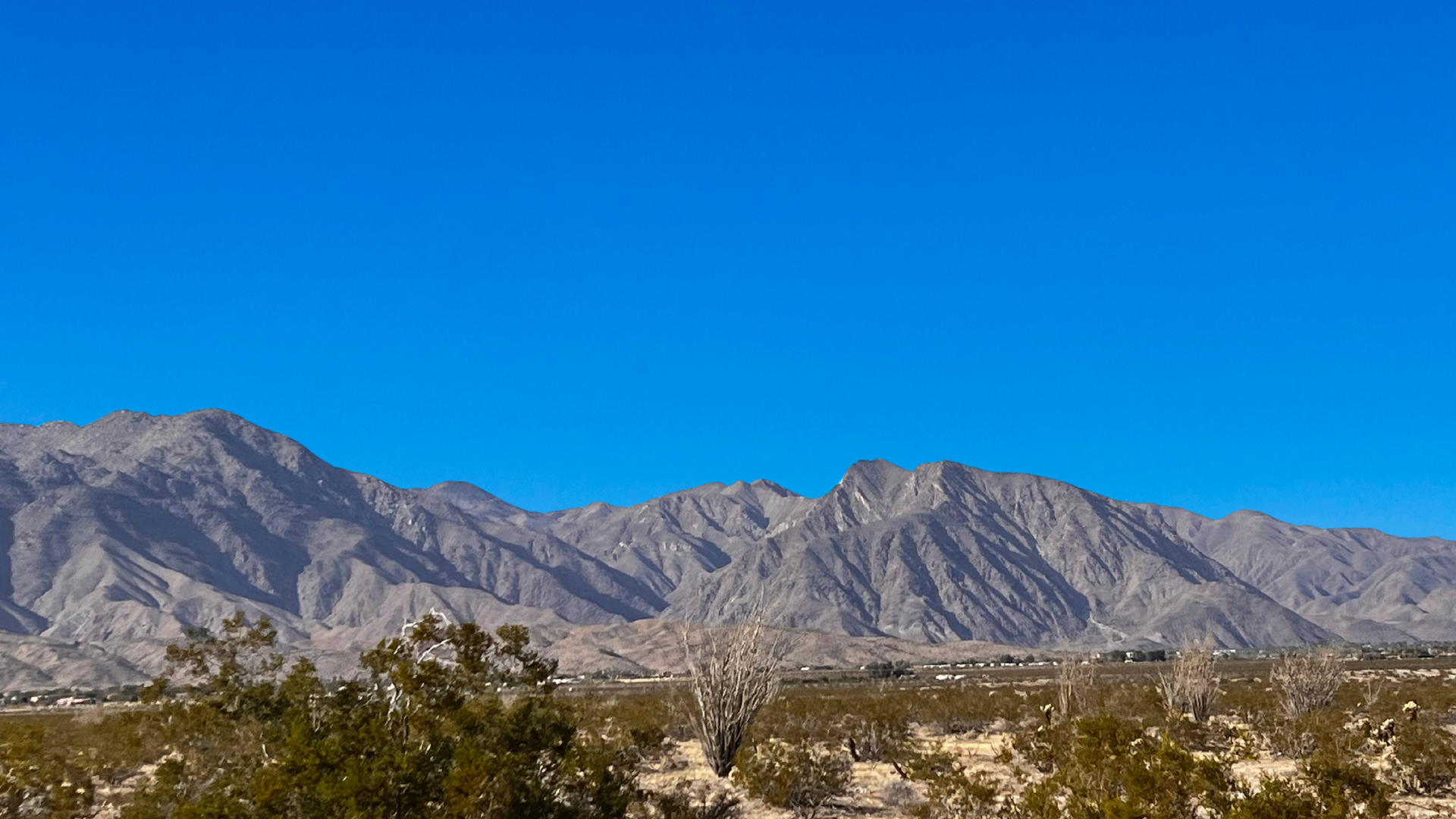
Borrego Springs, set in the vast expanse of the western Sonoran Desert, is encircled by the sprawling Anza-Borrego Desert State Park. This unique geographical setting, nestled between the Salton Sea and the Pacific Ocean, offers an array of natural wonders. The town is flanked by the Santa Rosa, San Ysidro, and Vallecito mountains, creating a strikingly beautiful landscape. Known for its varied topography, Borrego Springs is a paradise for those who appreciate the stark beauty of the desert.


Why Do People Visit Borrego Springs?


Borrego Springs, along with the Anza-Borrego Desert State Park, draws visitors for a multitude of reasons, catering to a wide spectrum of interests:


  • Day Hiking: The park boasts a network of trails, varying in difficulty, perfect for leisurely strolls or adventurous hikes.
  • Geological Exploration: Explore unique slot canyons and ancient fossil beds.
  • Bird Watching: Ideal for bird lovers, with an abundance of desert birds and seasonal migrants.
  • Photography: Capture the stunning landscapes and night skies, perfect for general and astrophotography enthusiasts.
  • Sky Art Sculptures: The Galleta Meadows display over 100 metal sculptures by Ricardo Breceda, a blend of prehistoric and mythical themes.
  • Dark Sky Community: Exceptional stargazing opportunities thanks to minimal light pollution.
  • Biking Trails: Suitable for all cyclists, from peaceful road rides to challenging mountain trails.
  • Drone Flying: "The Drone Zone" offers a unique opportunity for drone enthusiasts.
  • Mid-Century Modern Architecture: A treat for design and history buffs.
  • Golfing: Courses for both casual players and serious golfers.
  • Thrift and Art Shopping: Discover unique finds in local thrift stores and art galleries.
  • Family and Group Gatherings: Ideal for reunions, team building, club meetups, and more. A variety of accommodation options available.
  • Short-Term Rental Getaways: From rustic campers to luxury villas, suitable for all types of short-term stays.


Does Borrego Springs Have a Downtown Area?


Absolutely! Borrego Springs boasts a quaint but vibrant downtown area at the junction of County Highways S-3 and S-22. This central hub is the heart of the community, offering a variety of amenities and attractions. Visitors and locals alike enjoy access to a range of lodgings, diverse dining options, unique shopping experiences, and art galleries. The downtown area is not just a commercial center but also a focal point for social and recreational activities, embodying the spirit of Borrego Springs.


What Cultural and Artistic Experiences Does Borrego Springs Offer?


Borrego Springs is a hub of cultural and artistic vitality, offering a range of experiences:


  • Music, Theater, and Arts: The town is alive with cultural events, including art exhibitions, live music performances, and theater productions, especially active during the desert season from October to April.
  • Sky Art Sculptures: Galleta Meadows stands out as a remarkable open-air art gallery, featuring over 100 sculptures by Ricardo Breceda, offering an immersive artistic experience amidst the desert.
  • Local Galleries: Borrego Springs is home to several galleries that showcase an array of local and regional art, contributing significantly to the town's vibrant cultural scene.


In summary, Borrego Springs is a destination that offers something for everyone. From outdoor adventures and artistic explorations to cultural events and serene family getaways, this desert town promises a rich and varied experience to all its visitors.


Visit "Experience Borrego" for more detailed information!


By Andrea McKenna August 14, 2026
UCI Nature Chief Administrative Officer Job Posting 
By Andrea McKenna August 13, 2026
www.youtube.com/@under-the-borrego-sky
By BASIC August 12, 2026
BASIC (Basic Assistance for Students in the Community) is hiring a Managing Director to lead programs, fundraising, operations, and community partnerships that support education for students and families in Borrego Springs. This is a visible, hands-on leadership role for someone who can build trust, get things done, and champion BASIC's C2G cradle to graduation mission. Key Responsibilities Partner with the Board to set priorities and support strong governance. Manage general daily operations, including use of technology, tracking data and written information, running meetings and supervision of a small staff. Guide BASIC programs, including the Dolly Parton Imagination Library, Learning Academy, and Scholarships. Manage fundraising and communications (external and internal). Build strong partnerships and serve as a trusted community ambassador. Ideal Candidate Bilingual in Spanish and English Proactive, organized, and comfortable in our small community. Strong communicator (written and verbal) and relationship-builder. Leadership experience in nonprofits, fundraising, programs, administration, education or community service. How to Apply Send your resume to basic2026job@borregobasic.org by September 15, 2026 Learn more about BASIC: www.borregobasic.org
By Dennis Mammana August 12, 2026
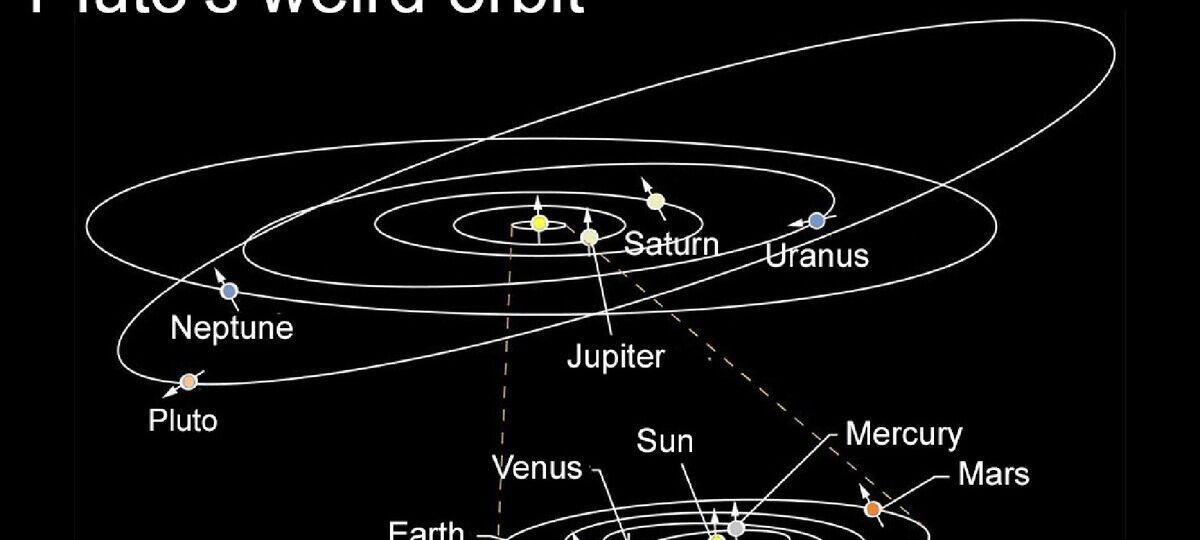
By Dennis Mammana Week of Aug 16-22, 2026 It was 20 years ago that our solar system lost a planet. Well, it didn't really go anywhere, but Pluto is no longer a planet because it's been reclassified. I'm sure you figured out in school that scientists love to classify things. Rocks, clouds, plants and, yes, even stars and planets. So why did they feel the need to reclassify Pluto? Because Pluto doesn't seem to fit the pattern of the rest of the major worlds of our solar system. First, it's a world not even 1,500 miles across; in other words, if we could bring it to Earth, it would fit inside of Mexico. Its orbit is tipped about 17 degrees to the orbits of all the other planets and is so elongated that every 240 years it crosses the orbit of Neptune. In addition, Pluto is an icy world with only five known moons, yet it exists in the realm of the gassy, ringed giants, around which hundreds of moons orbit. This is one strange world, so on Aug. 24, 2006, when the International Astronomical Union reclassified it as a "dwarf planet" — one of five currently known — some folks became quite upset. I hear people say all the time, "Pluto was a planet when I was in school, and by God, it's still a planet!" But that's not how science works. As we learn more about nature, we find characteristics and patterns that don't match up with our previous notions. Sometimes when that happens, we must change the way we think. It's all good science, and it happens more frequently than you might imagine. Ages ago, anyone on the high seas would have considered whales as fish. Though whales were known to have characteristics different from fish, it wasn't until 1758 that the 10th edition of Carl Linnaeus' "System Naturae" officially branded them as mammals. I'd be willing to bet that if the internet had existed back then, folks would have been screaming for Linnaeus' hide, and proclaiming, "Whales were fish when I went to school, and by God, they're still fish!" But here we are, three centuries later, and no one's upset any longer. No, Pluto just doesn't fit the patterns of all the other planets, so for that reason, it seems to me, Pluto cannot legitimately be categorized as a planet. So if Pluto's not a planet, what is it? A moon of one of the outer planets that broke free? A monster comet? A weird missing link? Good questions, all. Unfortunately, we just don't know. It was in 1930 that Clyde Tombaugh found Pluto, and some of his ashes were carried onboard the New Horizons spacecraft as it sped past and explored this distant world in 2015. Those who are more sentimental than scientific believe that this reclassification is an insult to the man who was so very proud of being the discoverer of the last planet of our solar system. I knew Clyde, and I'm pretty sure this wouldn't bother him one bit. In fact, I suspect he would be even more honored to be the discoverer of the first of an entirely new class of worlds! Visit Dennis Mammana at dennismammana.com. To read features by other Creators Syndicate writers and cartoonists, visit the Creators Syndicate website at www.creators.com .
By Andrea McKenna August 11, 2026
Saturday, September 5
By Andrea McKenna August 8, 2026
www.youtube.com/@Desertusa
By Andrea McKenna August 6, 2026
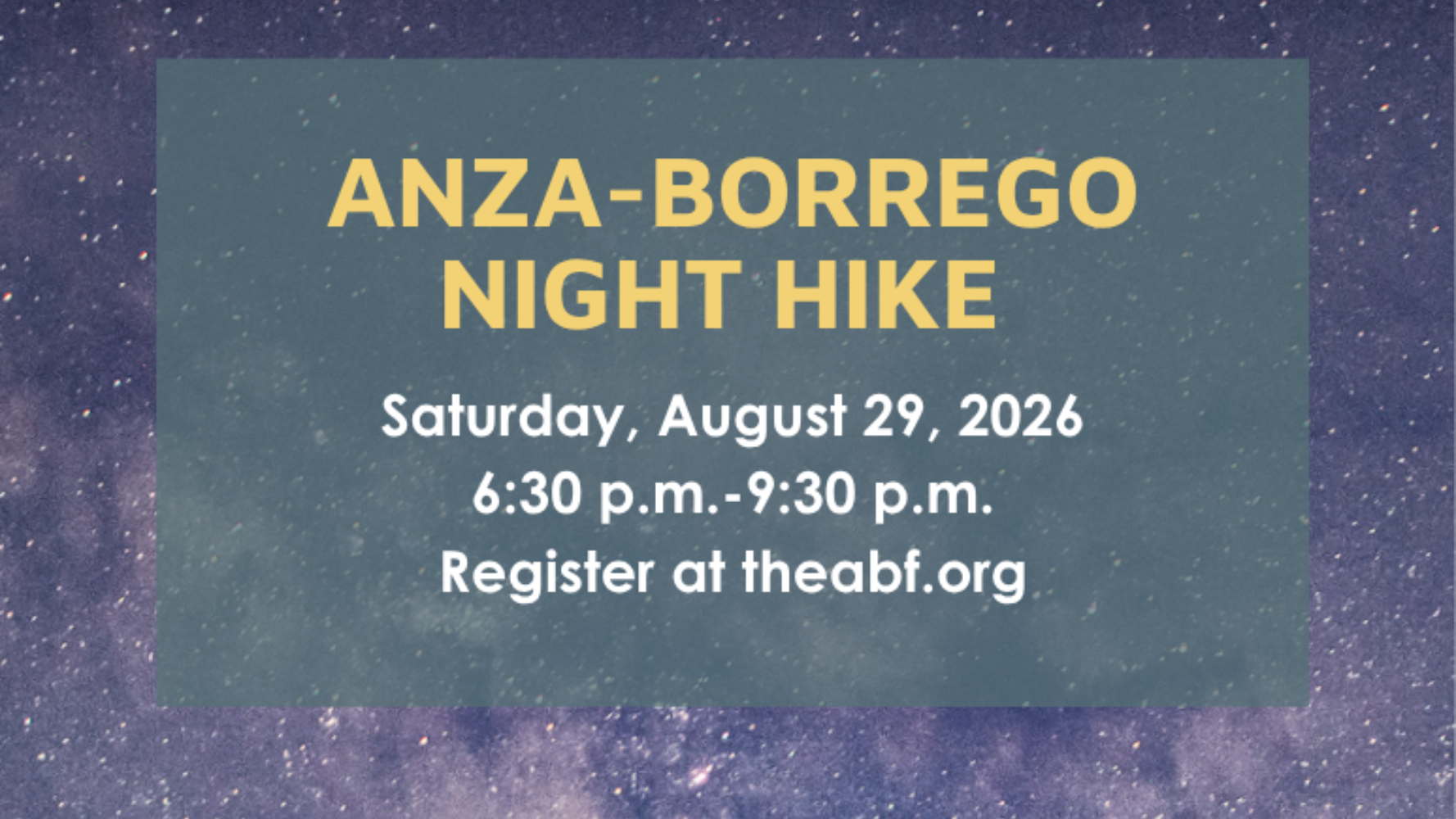
Anza-Borrego Night Hike Experience Anza-Borrego after dark on a guided 2–3 mile hike across natural desert terrain. Participants may observe shifting shadows, nighttime sounds, and nocturnal wildlife such as bats, owls, and scorpions. Event Details Date: Saturday, August 29, 2026 Time: 6:30–9:30 p.m. Meeting Location: Anza-Borrego Foundation Store, 587 Palm Canyon Dr. #110, Borrego Springs Cost: $28 ABF members, $33 non-members, $17 students The group will meet at the ABF store and carpool or caravan to the trailhead. The hike will be led by Wilderness First Responder Matt Nagy. Bring sturdy closed-toe shoes, a flashlight or headlamp, at least 2 liters of water, and snacks. Register Today Space may be limited, so early registration is recommended.  >> Register Here
By Dennis Mammana August 6, 2026
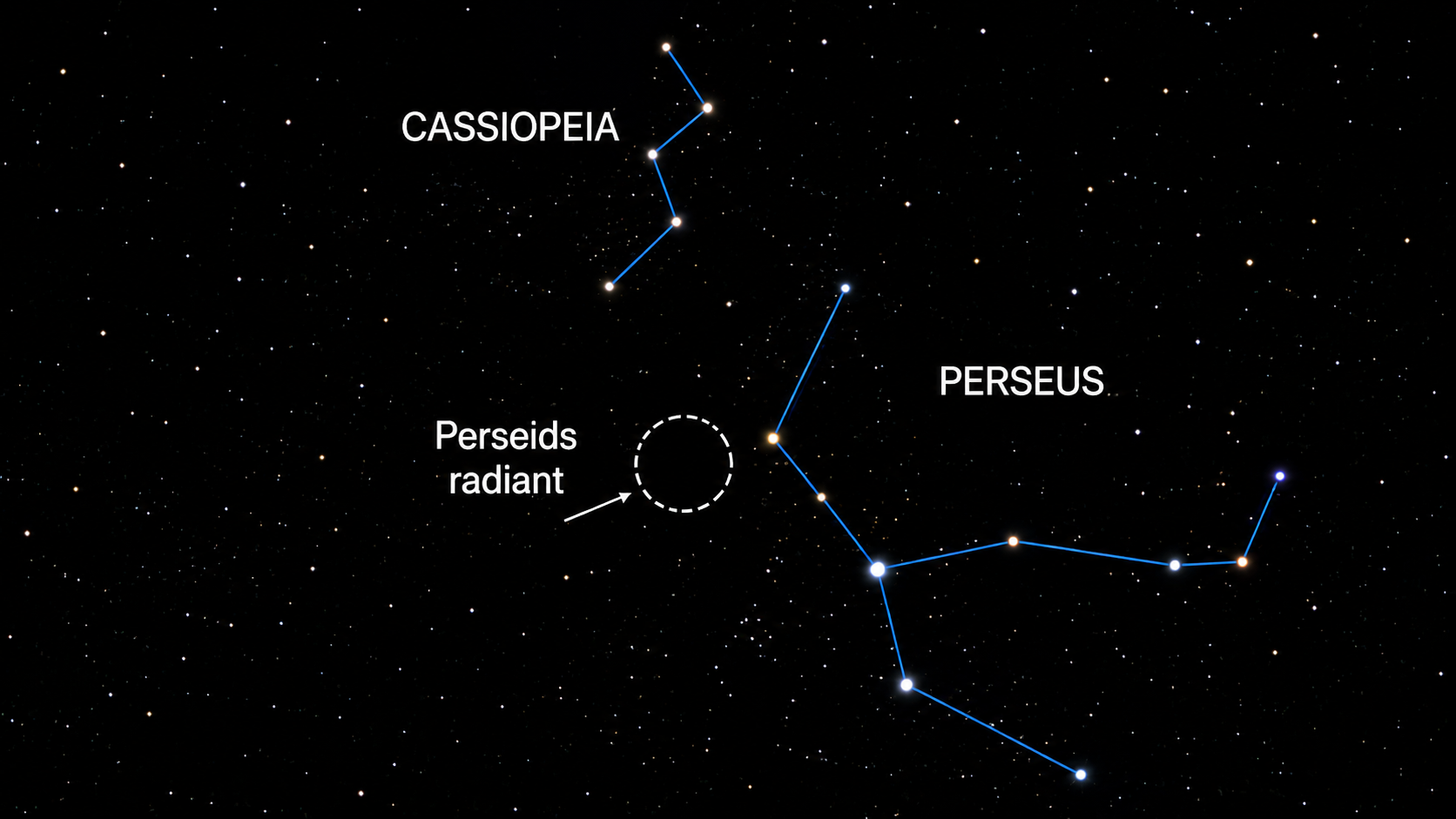
The Perseid meteor shower is expected to peak during the predawn hours of Thursday, Aug. 13.
By Dennis Mammana July 29, 2026
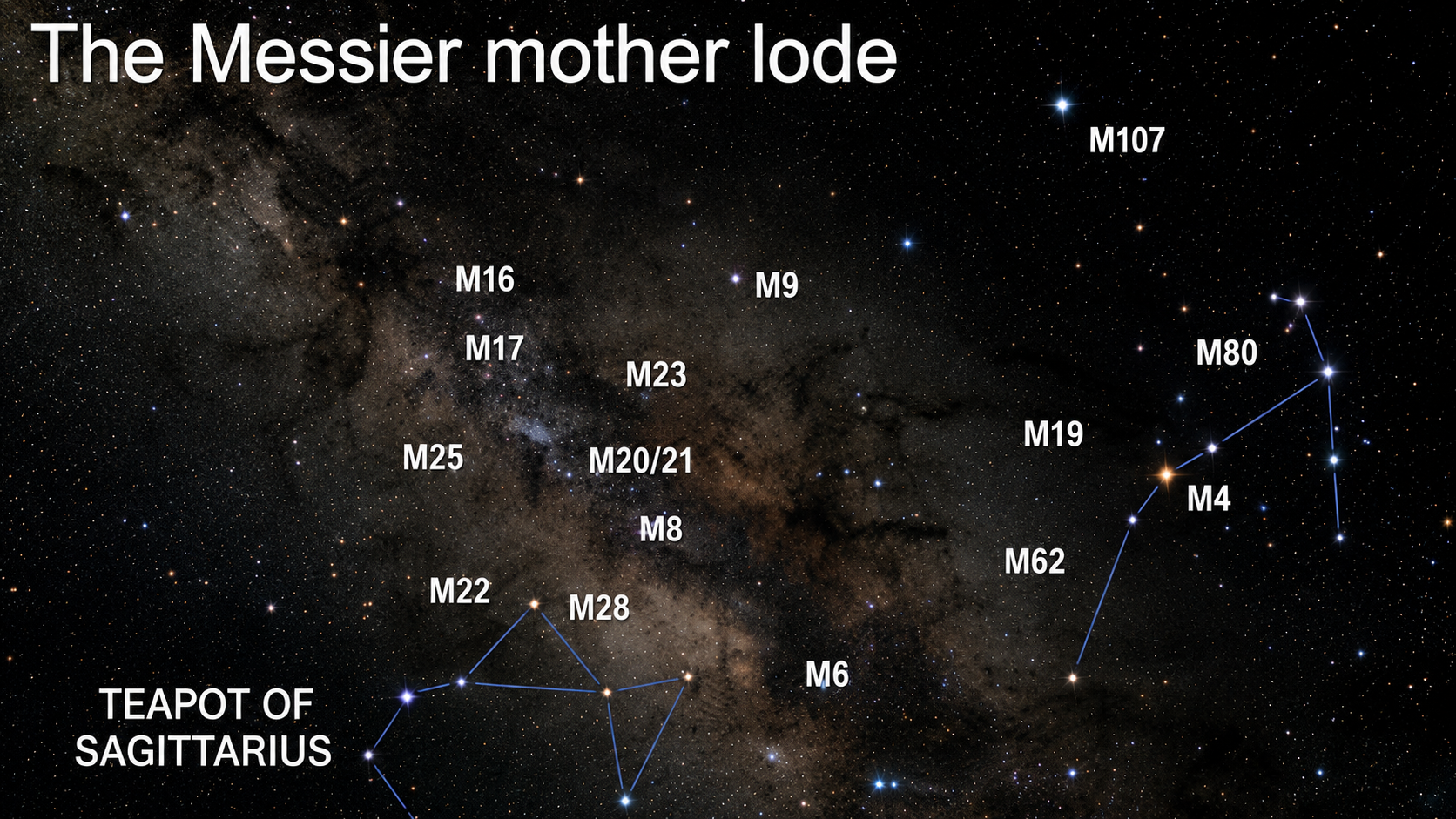
By Dennis Mammana Week of Aug 2-8, 2026  One of the most profound experiences a stargazer can have is to stand under the Milky Way on a clear August night far from city lights and see the wispy bunches of stars so tightly packed that they appear to the eye as a hazy band of light punctuated not only by bright individual stars but by tiny regions that appear as hazy clumps. Aim binoculars or a small telescope toward these "faint fuzzies," as astronomers affectionately call them, and you'll walk the same celestial path as Charles Messier did two and a half centuries ago. Messier was an 18th-century French astronomer who scanned the heavens in search of new comets, hoping that such discoveries would lead him to fame and fortune. He knew that comets often first appear as faint and colorless smudges of light that drift slowly among the stars, so that's what he was seeking. Along the way, however, he encountered dozens of such smudges that did not move. What these were he didn't know and, quite frankly, he didn't care. They weren't comets, so to avoid wasting more of his time on them — and to prevent other comet hunters from being similarly fooled — he began to compile a list of all these false comets he encountered on his nightly watch. Visit Dennis Mammana at dennismammana.com. To read features by other Creators Syndicate writers and cartoonists, visit the Creators Syndicate website at www.creators.com .
Show More
Subscribe for Free Updates!

Share This Post