By Brice Weaver
•
July 11, 2026
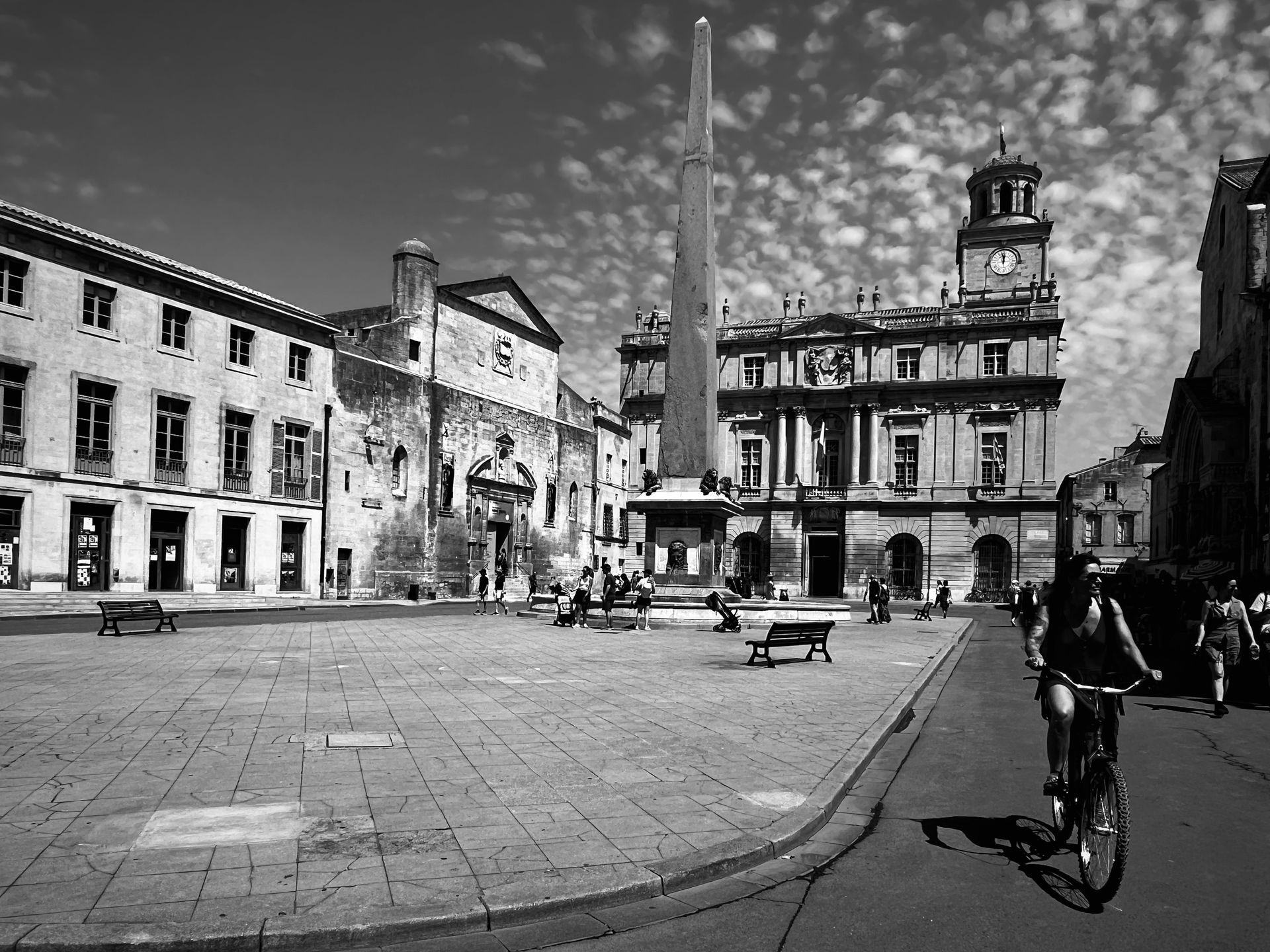
By: Brice Weaver www.briceweaverphotography As I write this, I’m traveling home from Arles, France, after spending the past week participating in the Photo Folio Portfolio Reviews during Les Rencontres d’Arles, one of the world’s largest and most respected photography festivals. For one week each summer, the historic city in southern France becomes a gathering place for photographers, curators, publishers, editors, gallery directors, and artists from around the world. Photography spills out of galleries and into churches, museums, former industrial buildings, courtyards, and public spaces. It feels less like a festival and more like a city-wide conversation. I traveled to Arles to present Evidence, a long-term photographic project exploring memory, environmental change, and the traces people leave behind in the landscape. The work brings together photographs made at California’s Salton Sea, in Patagonia, and throughout Southern California. Getting there was the culmination of months of preparation. Photographs were selected, removed, rearranged, printed, and reconsidered. Like many photographers, I spend most of my time working alone. Arles is the opposite of that experience. Suddenly, you’re surrounded by people from dozens of countries, all there because photography matters to them. The portfolio reviews took place over five days. Each meeting lasted just twenty minutes, but those twenty minutes moved quickly. Some conversations focused on environmental themes. Others centered on publishing, exhibitions, sequencing, or the future of the project. Some people responded strongly to Evidence as a complete body of work, while others became interested in one particular chapter and wanted to spend most of our time discussing it. What became clear very quickly was that there was no single way to read the project. Different people saw different things in the same photographs. At times the conversations confirmed ideas I already had. At other times they took the work in directions I hadn’t considered. By the end of the week, I had pages of notes and plenty to think about on the flight home. One thing I appreciated was that the discussions rarely stayed focused on photography alone. Conversations often expanded into larger subjects: environmental change, memory, history, the passage of time, and the complicated relationship between people and the places they inhabit. Between reviews, I spent as much time as possible exploring the festival. Arles is forever associated with Vincent van Gogh, who moved there in 1888 and produced some of the most important work of his career. More than a century later, artists are still making the journey. Walking through the city, it wasn’t difficult to understand why. The light is extraordinary, and creativity seems woven into everyday life. The exhibitions themselves were remarkable. One might be housed inside a centuries-old church, while another occupied a former warehouse or industrial building. In a single afternoon, it was possible to move from contemporary photography addressing climate change or migration to Roman artifacts that had survived for nearly two thousand years. At one museum, a cat slept quietly among the visitors and ancient stonework, completely unfazed by the steady stream of people passing through. The city was filled with photographers carrying portfolios through narrow streets between review sessions and exhibitions. Conversations started in galleries and continued in cafés. Everywhere I went, people were exchanging ideas, discussing projects, debating books, and sharing experiences. Coming from Borrego Springs, I couldn’t help noticing how often the subjects being discussed in France felt familiar. Landscape. Water. Environmental change. Human impact. Memory. The locations were different, but many of the questions were the same. That felt especially relevant given the origins of Evidence. Much of the project grew from places close to home, particularly the Salton Sea and the changing landscapes of Southern California. Seeing those photographs spark conversations with people from different countries and backgrounds was one of the most rewarding parts of the experience. As the week came to an end, photographers were still moving through the city with portfolios tucked under their arms, heading toward another exhibition, another review, or another conversation. A few hours later, I was on a train leaving Arles, carrying home a notebook full of ideas, new professional connections, and a renewed appreciation for the role photography can play in connecting people and places that might otherwise never meet. For a photographer from a small desert community, it was a week I won’t soon forget.