Borrego Springs Local • August 2, 2022

Discovering the Western Banded Gecko in Borrego Springs and Anza-Borrego State Park

Share
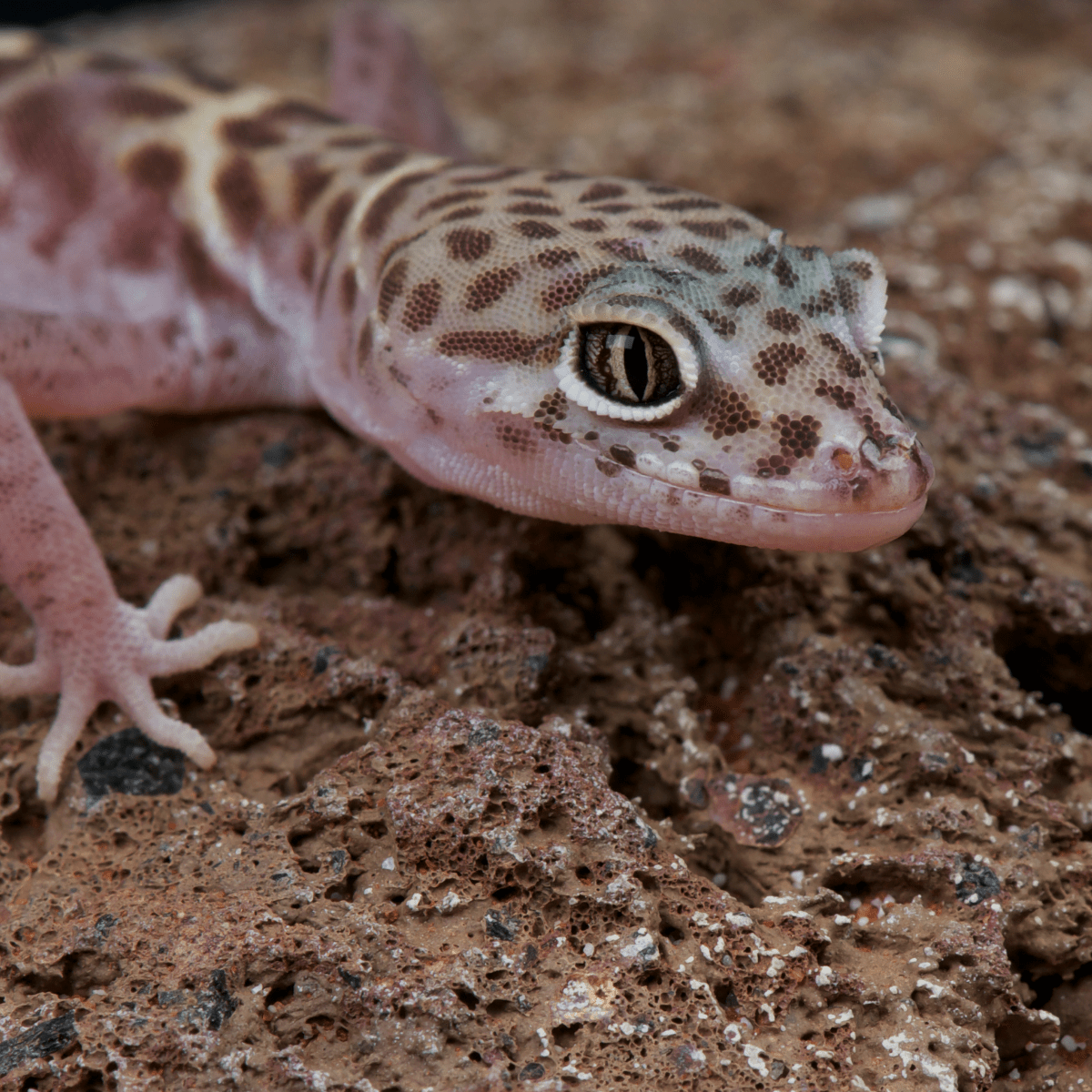
Introduction to the Western Banded Gecko

The desert regions of Borrego Springs and Anza-Borrego State Park, nestled in Southern California, harbor a unique and captivating reptile known as the Western Banded Gecko, scientifically referred to as Coleonyx variegatus. These diminutive lizards are a testament to the remarkable adaptations that thrive in this arid landscape, and their distinctive features set them apart in the world of reptiles.

Habitat and Distribution

Western banded geckos have carved a niche for themselves in a diverse array of desert habitats, showcasing their resilience in the face of challenging conditions. They can be found in rocky outcroppings, where large boulders provide shelter, food, and the perfect sunbathing spot. Sandy washes, with their shifting sands, offer both refuge and sustenance as geckos swiftly navigate the terrain to hunt insects, spiders, and other arthropods.

In creosote bush scrub, Joshua tree woodlands, and pinyon-juniper habitats, these geckos find comfort amidst low-lying shrubs and trees. Here, higher humidity and cooler temperatures provide a haven compared to the harsher, arid environments they also call home. This adaptability enables Western Banded Geckos to thrive in the deserts of California, Nevada, Utah, and Arizona, with a notable presence in Borrego Springs and Anza-Borrego State Park.

Behavior and Diet

As denizens of the night, Western Banded Geckos have perfected the art of nocturnal living. This adaptation allows them to evade the scorching desert sun while capitalizing on the cooler nighttime hours to forage for sustenance and elude potential predators. Their agility is remarkable, aided by clawed toes tailored for gripping rugged surfaces like rocks, bushes, and tree trunks.

A particularly intriguing adaptation is their ability to change color to blend seamlessly with their surroundings. This chameleon-like quality arises from specialized pigment cells called chromatophores in their skin. They can match the color of rocks, soil, bushes, or tree trunks, making them elusive targets for would-be hunters.

When it comes to sustenance, Western Banded Geckos are opportunistic feeders. They indulge in a diet comprising small insects, spiders, and various arthropods. Occasionally, they might nibble on small lizards, spiders, or even partake in minuscule amounts of plant material, such as fruit and flowers.

Conservation and Conclusion

While Western Banded Geckos are not currently classified as threatened or endangered, their populations face challenges posed by habitat loss and degradation. In response, conservation efforts in Borrego Springs and Anza-Borrego State Park include diligent monitoring of population numbers, habitat preservation and restoration, and public education on the importance of safeguarding these remarkable reptiles.

In summary, the Western Banded Gecko is a testament to nature’s ability to adapt and thrive in some of the harshest environments on Earth. Their nocturnal habits, remarkable agility, color-changing abilities, and diverse diet make them a vital component of the desert ecosystem. As stewards of these precious habitats, it is our responsibility to ensure the continued well-being of this captivating reptilian inhabitant.
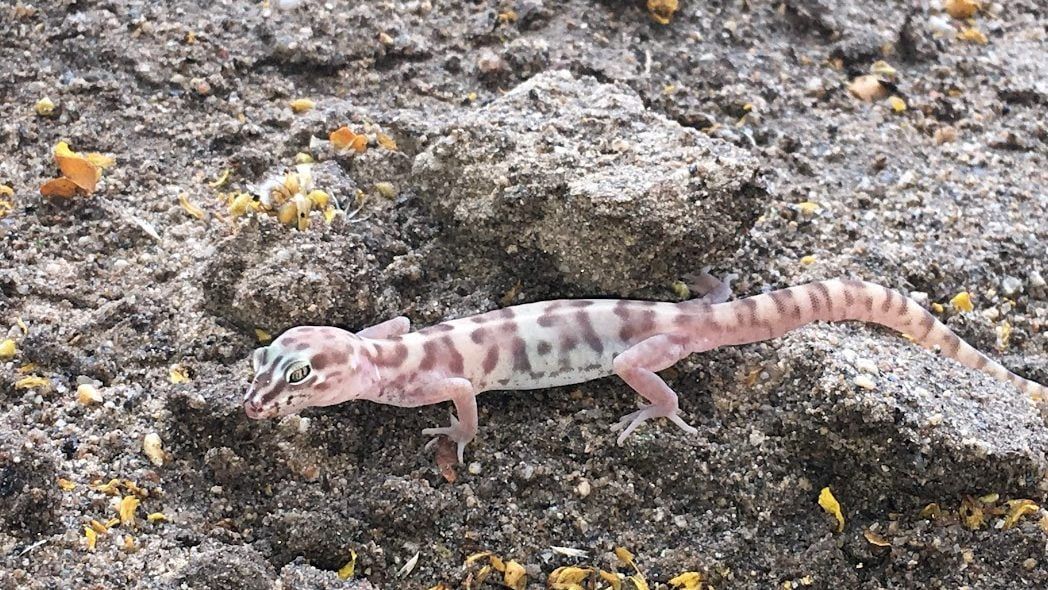


Western Banded Gecko Quick Facts:


1. Habitat Versatility: Western banded geckos exhibit an impressive adaptability to a wide range of desert habitats. From the rugged terrain of rocky outcroppings to the shifting sands of sandy washes, the scrubby expanses of creosote bush terrain, the iconic Joshua tree woodlands, and the pinyon-juniper ecosystems, these geckos demonstrate their remarkable ability to thrive amidst diverse desert landscapes. This adaptability highlights their role as keystone species, contributing to the balance of these delicate environments.

2. Nocturnal Activity: Western banded geckos have chosen the cover of darkness as their domain. Their nocturnal lifestyle is a strategic adaptation to the harsh desert climate, where daytime temperatures can reach scorching levels. By being most active at night, they avoid the searing heat, conserving their energy for hunting and foraging during the cooler nighttime hours. This behavioral pattern has earned them a reputation as creatures of the night.

3. Dietary Preferences: The Western Banded Gecko’s diet primarily consists of small insects, spiders, and a variety of arthropods. Their opportunistic feeding behavior means they are resourceful hunters, making the most of available food sources in their desert homes. Occasionally, they may diversify their diet by consuming small lizards, spiders, and even small amounts of plant material, such as fruit and flowers. Their adaptable palate plays a significant role in controlling insect populations within their ecosystem.

4. Masterful Camouflage: Among the most captivating traits of the Western Banded Gecko is its ability to change color, much like a chameleon. This remarkable adaptation stems from specialized pigment cells called chromatophores in their skin. This color-changing ability allows them to blend seamlessly into their surroundings, whether it’s the rocky terrain of their rocky outcrop homes or the sandy expanses of sandy washes. This camouflage serves multiple purposes, from evading predators to ambushing prey, making them elusive and cryptic creatures.

5. Conservation Efforts: While not currently listed as threatened or endangered, Western Banded Geckos face ongoing challenges, primarily stemming from habitat loss and degradation due to human activities. Conservation initiatives have emerged as a response to these concerns. These efforts include vigilant monitoring of population numbers to assess their status, habitat preservation and restoration projects aimed at maintaining the integrity of their desert homes, and educational campaigns to raise awareness about the importance of protecting this species and its ecosystem. By engaging in these conservation endeavors, we can contribute to the long-term survival and well-being of this remarkable desert dweller.
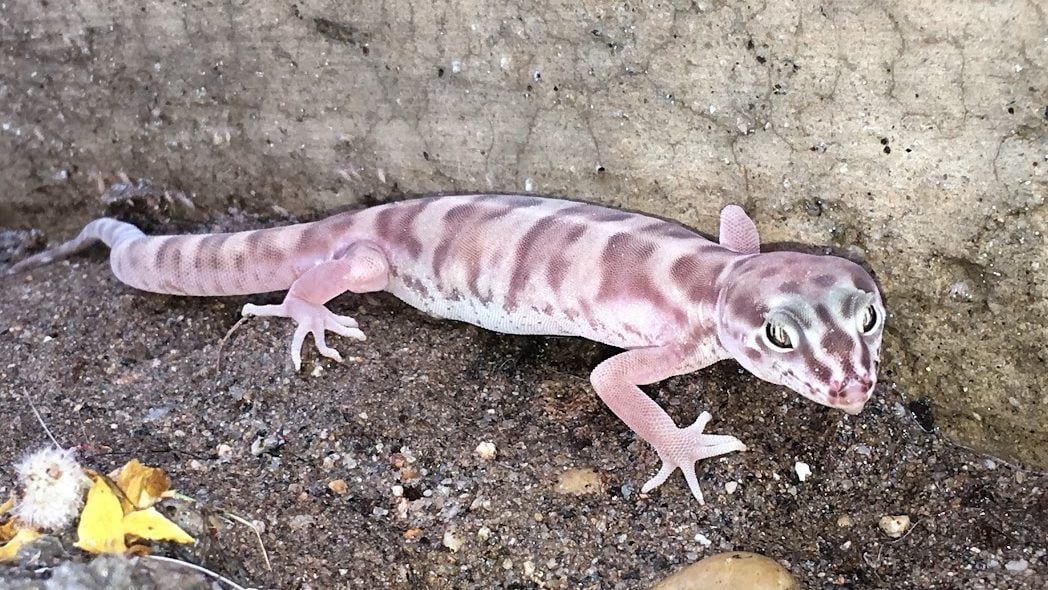


    In conclusion, the western banded gecko is a fascinating desert reptile found in the Borrego Springs and Anza-Borrego State Park area. These small lizards are known for their distinctive coloration and are able to adapt to different habitats and change color to blend in with their surroundings. While they are not considered endangered, conservation efforts are still in place to ensure their populations remain stable. If you’re visiting Borrego Springs or Anza-Borrego State Park, keep an eye out for these unique and fascinating creatures.
    By Karen Pearlman August 5, 2026
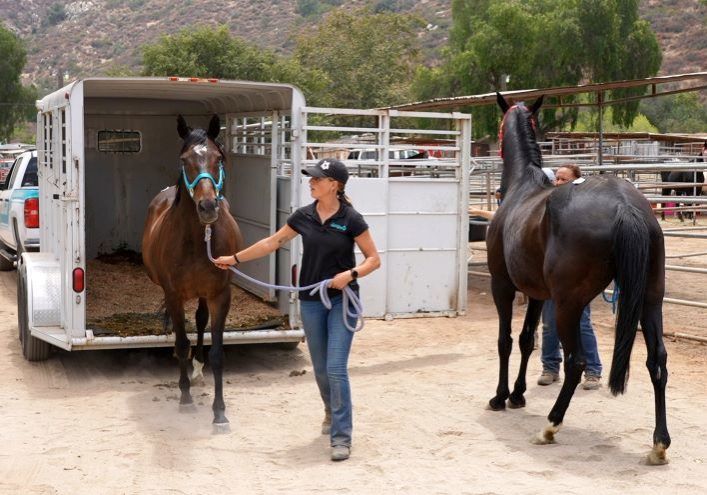
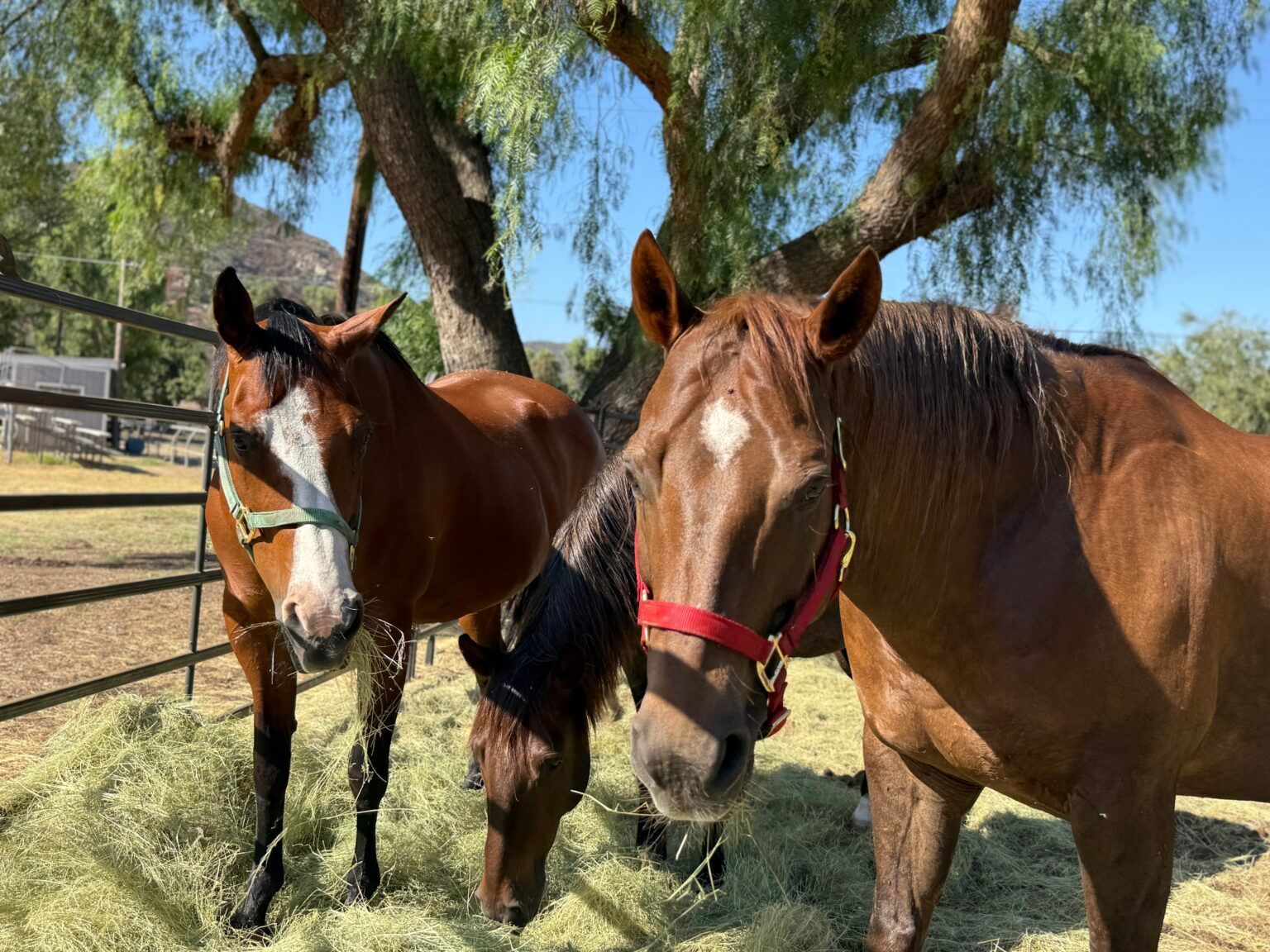
    By Karen Pearlman, East County Magazine Aug. 4, 2026 (Descanso) — Three months after the San Diego Humane Society took custody of more than 700 neglected animals, including more than 150 horses, from the Villa Chardonnay property in Julian, some of the animals are trotting off to the next chapter of their lives. Eight of the horses have found a forever home in East County at Horses of Tir Na Nog in Guatay, near Descanso. Established in 2003, the volunteer-powered nonprofit is the longest-operating equine sanctuary in San Diego County, serving as a non-riding safe haven for horses with medical conditions and advanced age. The arrival of the new horses was a bittersweet moment for the rescued horses-focused sanctuary that is also home to alpacas, sheep, goats, llamas pigs, ducks, cats and dogs: Horses of Tir Na Nog is concurrently mourning the passing of several of its aging, longtime residents, including several horses and burros. “Although we are excited to welcome home the new horses from San Diego Humane Society’s Villa Chardonnay case, the joy of their arrival is tempered by the pain of a number of recent losses,” said Amy Pat Rigney, Administrator for Horses of Tir Na Nog. “As a forever home for residents with medical conditions and often advanced ages, saying goodbye is part of the nature of our sanctuary work. However, it never gets easier to lose a resident.” The San Diego Humane Society reports that other rescued horses are stepping into entirely new roles. Oscar, a horse previously highlighted by SDHS, left last week for the Unconditional Love Foundation in Murrieta, where he will serve as a therapy horse for veterans with PTSD, SDHS officials report. Oscar didn’t make the trip alone; he was accompanied by his pony “girlfriend,” Loretta Lynn, and a horse named Knight King Julian. They join Runner and Alfred, two other horses previously rescued from the Julian property by Unconditional Love Foundation. Of the roughly 165 horses and ponies originally rescued from Villa Chardonnay, 48 remain in SDHS care, with 37 currently ready for adoption. In July, the remaining horses were relocated from Julian to the Willow Glen Equestrian Centre in El Cajon to make them more accessible for staff, volunteers and potential adopters. Four horses requiring more advanced care are now housed at the SDHS Escondido Campus. The 37 horses waiting for homes are looking for patient, experienced owners, SDHS officials report. Because many received little to no veterinary care in the years prior to their rescue, they are being adopted out strictly as companion animals. SDHS notes their rideability is unknown, and riding should not be expected. Interested adopters must complete an application at sdhumane.org/horses and, if approved, make an appointment to meet the horses in El Cajon. The ongoing placements mark a significant milestone in what SDHS officials have called one of the largest and most complex rescues in their history that raised awareness throughout Southern California earlier this year. On May 1, SDHS carried out a massive, multi-agency rescue operation and authorities served a search warrant at the 40-acre Villa Chardonnay, Horses With Wings LLC property amid bankruptcy proceedings and mounting reports of extreme animal neglect. While the Julian area encompasses the County of San Diego and its Department of Animal Services’ jurisdiction, due to the scale of the situation, DAS handed the case to SDHS. The case was officially transferred from DAS to SDHS on April 24, due to the extreme scope of the rescue and complexities stemming from the bankruptcy issue. SDHS was subsequently granted legal ownership of all 728 animals on site — including cats, dogs, farm animals and equines — many of which were suffering from emaciation, untreated injuries and a severe lack of basic care. The investigation into the Julian facility remains ongoing.



    By Karen Pearlman July 21, 2026
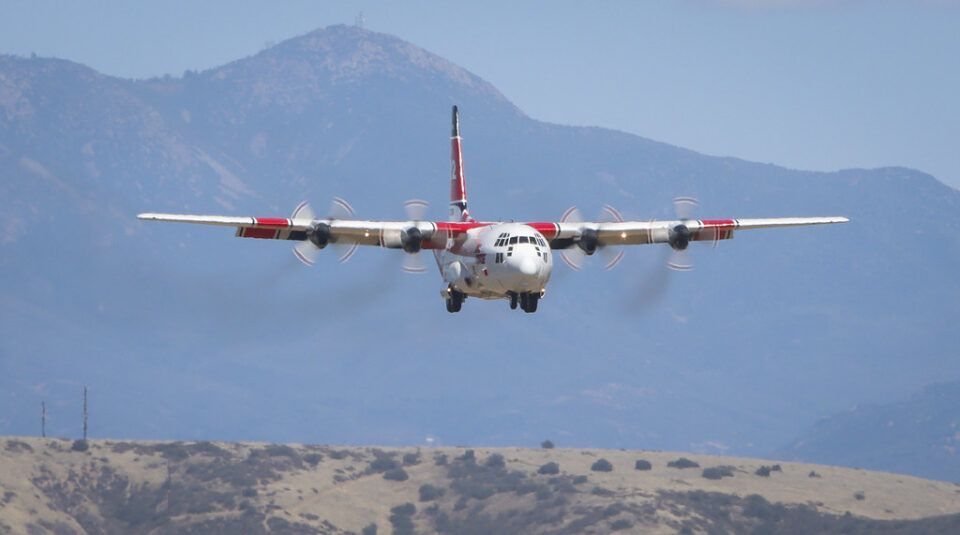
    By Karen Pearlman, East County Magazine July 20, 2026 (Ramona) — San Diego County’s aerial firefighting capabilities have been boosted with the reopening of the modernized Ramona Air Attack Base, where state and local officials on Monday morning unveiled nearly $20 million in upgrades designed to get aircraft back into the air faster and expand around-the-clock wildfire response. The renovated base at 2498 Montecito Road now houses a new 4,000-gallon CAL FIRE C-130 Hercules air tanker, a night-capable S-70 CAL FIRE Hawk Helicopter, two S-2 air tankers and an OV-10 Air Tactical aircraft. The group of aircraft is creating what officials called one of California’s most advanced aerial firefighting hubs. The base’s aging infrastructure has been replaced with a modern retardant mixing plant capable of storing 20,000 gallons of fire retardant, redesigned aircraft loading bays that dramatically reduce turnaround times, and expanded ramp space to accommodate additional air tankers during major wildfire incidents. “This base is a regional asset,” CAL FIRE/San Diego County Fire Chief Tony Mecham said at a press conference that was livestreamed on YouTube . “When there is smoke in the sky, the citizens don’t care what color the fire engine is or what patch is on the uniform. They just want people to show up quickly.” The improvements come as California faces increasingly destructive wildfire seasons fueled by hotter temperatures, prolonged drought and more extreme weather conditions. CAL FIRE Director and Fire Chief Joe Tyler said the Ramona facility reflects years of investment in modernizing California’s aerial firefighting fleet. Over the past two years, CAL FIRE aircraft have flown more than 11,500 flight hours annually while maintenance crews logged more than 90,000 hours keeping aircraft mission-ready, Tyler said. Among the most significant additions is the C-130 Hercules air tanker, capable of dropping 4,000 gallons of fire retardant — more than three times the capacity of CAL FIRE’s traditional S-2 air tankers. The aircraft is part of the state’s new fleet of converted military transport planes that entered service beginning in 2024. Also based in Ramona is the county’s new S-70 Firehawk helicopter, which can perform water drops after dark — a capability officials said is already proving invaluable. It has an integrated 1,000-gallon water tank with hoist rescue capability and the ability to transport helicopter crews into remote terrain. San Diego County Board of Supervisors Chair Terra Lawson-Remer pointed to last week’s Thorn Fire, where the Firehawk flew nighttime suppression missions that slowed the fire’s progression and helped prevent flare-ups the following morning. “Our days are getting hotter, our nights are getting warmer, the winds are stronger and fuels are drier,” Lawson-Remer said. “Wildfire does not stop when the sun goes down.” She urged residents to prepare for wildfire emergencies by signing up for emergency alerts, planning evacuation routes and heeding evacuation orders when issued. For East County backcountry communities, the upgrades could mean quicker aerial response to fires threatening homes. Aircraft assigned to Ramona regularly respond throughout the county. Mecham twice shared the importance of coordinated and consolidated efforts between firefighting agencies across the county. “We fight fire without boundaries and without egos,” he said. Mecham said the modernization project focused on improving efficiency as much as expanding capabilities. Previously, air tankers were forced to maneuver awkwardly into a single retardant loading area, creating backups during major wildfire incidents. The redesigned facility features three drive-through loading pits that allow aircraft to taxi in, reload and immediately return to the fire. “The S-2s can reload in about two to three minutes,” Mecham said. “The C-130, under 10 minutes, it’s on the ground here at Ramona before it’s back in the sky responding to the next fire.” The expanded ramp now allows up to six air tankers to stage simultaneously. During last week’s Thorn Fire, officials said 11 air tankers were assigned to the incident, underscoring the need for increased loading capacity. Additional improvements are in the planning stages. Construction is expected to begin next year on a 14-person barracks to support future 24-hour operations, along with further expansion of the helicopter facilities. Monday’s ceremony also highlighted the historical significance of the Ramona Air Attack Base, which opened in 1957 as CAL FIRE’s first aviation base. While the facility received new buildings in 2000, much of its underground infrastructure — including water lines, electrical systems and retardant delivery equipment — had remained unchanged until the recent reconstruction. San Diego County Supervisor Joel Anderson, who lives in the fire-prone area of Alpine, thanked leaders for their understanding of the importance of the Ramona airport site… “not just in San Diego County but for Southern California in general.” “CAL FIRE has been an essential partner for the County Fire, providing joint fire protection in emergency services for more than 1.7 million acres,” Anderson said. “Since CAL FIRE’s creation in 2008, the Board of Supervisors have invested over a billion dollars into fire protection in emergency medical services. “In the years since we created County Fire, we have also expanded our partnership in collaborations. In 2022, CAL FIRE successfully collaborated with the Ramona Municipal Water District to establish the Ramona Airport as a hub for aerial firefighting teams, in addition to replacing fire engines and adding a third ambulance, which was so important to the backcountry and to all my constituents.” 
    By Karen Pearlman July 20, 2026
    Photo courtesy County of San Diego
    By Karen Pearlman July 19, 2026
    Photo courtesy County of San Diego
    By By Tammy Murga / Environment Reporter July 6, 2026
    Photo courtesy Christina Aiello /Wildlands Network
    By Andrea McKenna June 15, 2026
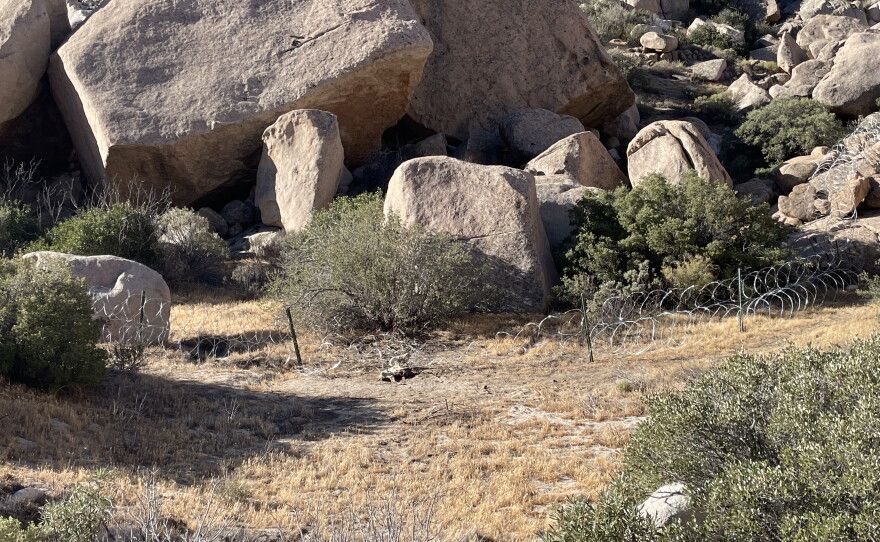
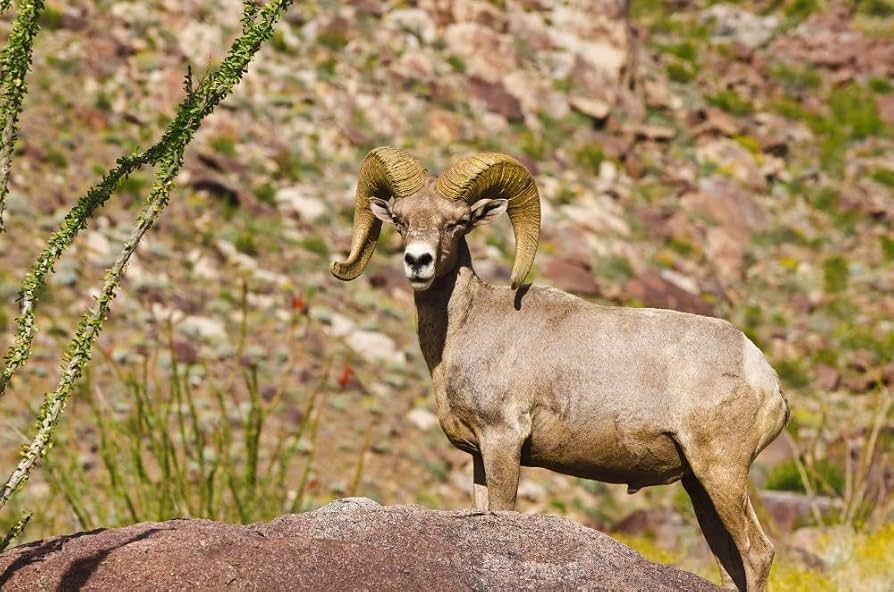
    A recent KPBS report shared heartbreaking news: an endangered Peninsular bighorn sheep was found dead after becoming entangled in concertina wire near the U.S.-Mexico border in the Jacumba Wilderness. The story highlights growing concerns from wildlife biologists and conservationists about how border fencing and razor wire can affect protected species, including bighorn sheep, mountain lions, and wild horses. Wildlife biologist Christina Aiello has been among those warning that barriers can cut animals off from food, water, and safe movement corridors. This issue matters to Borrego Springs and the surrounding desert region because Peninsular bighorn sheep are part of our shared desert landscape. Protecting wildlife movement, water access, and habitat is essential to the long-term health of the Anza-Borrego region. Read the full KPBS report here: [ https://www.kpbs.org/news/environment/2026/06/10/endangered-ram-dies-after-getting-caught-in-concertina-wire-at-us-mexico-border ]
    Show More
    Subscribe for Free Updates!

    Share This Post