

Jake Hinton • January 4, 2026
COLOR dive exhibition at The Gallery at The Palms
Share

COLOR dive at The Gallery
Join The Gallery at The Palms in Borrego Springs for the New Year's Eve Opening Party COLOR dive: Mid-Century Abstract and Geometric Field Paintings and Prints curated by Elizabeth Rodriguez.
Artists include Richard Joseph Anuszkiewicz, Herbert Bayer, Ilya Bolotowsky, Jack Bosson, Gordon Muth, Victor Vasarely and others.
Join us in celebrating COLOR dive and let's toast and ring in the new year together at The Gallery at The Palms.
Learn More About Borrego Springs

Saturday, September 5th | 4:00–5:00 p.m. After years of dedication, generosity and service, Frugal Coyote Resale Shop & Thrift Store is celebrating Anne’s retirement . Frugal Coyote has long been part of the Borrego Springs community, giving donated and secondhand items another life while supporting local causes. Behind that work are the people who have contributed their time and care over the years, and Anne has been an important part of that story. Friends, customers and community members are invited to stop by Frugal Coyote at The Center on Saturday, September 5th, from 4:00–5:00 p.m. to share a memory and celebrate Anne as she begins her next chapter. Cake and champagne will be served while supplies last. Please RSVP: Anne’s Retirement Celebration RSVP
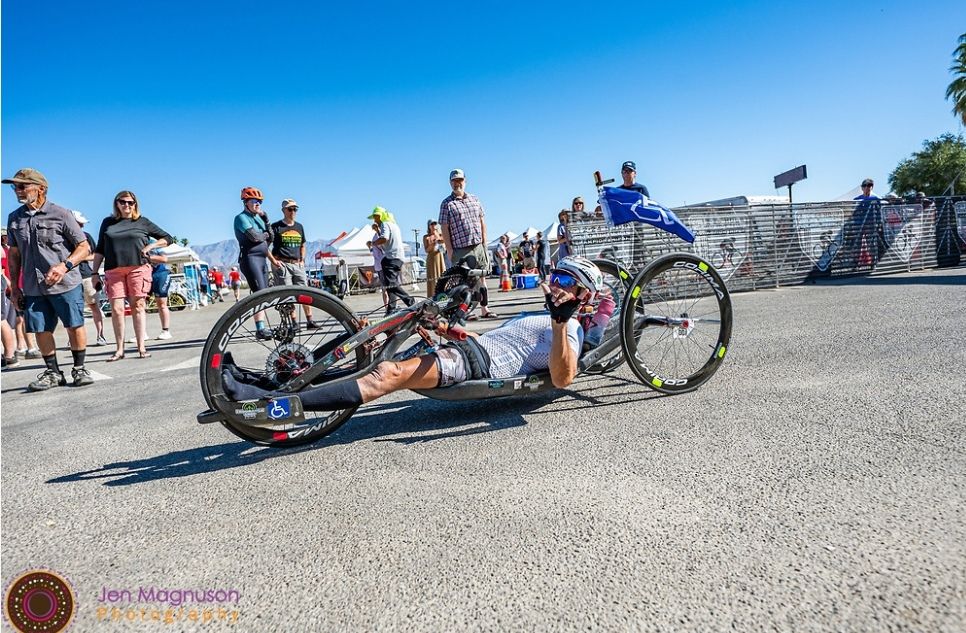
The world champion who races in Borrego Springs trains all summer in a Saskatchewan village Fred LaCroix, a French handcyclist and a familiar sight on Borrego Springs roads, was recently featured by CBC News for his racing in Borrego Springs and his summer training base in rural Saskatchewan. LaCroix, 65, is from the French Alps and has competed in the 6-12-24 Hour World Time Trial Championships in Borrego Springs. He won the 24-hour men’s handcycle event in the 60–69 age division, finishing despite mechanical problems. A former helicopter pilot who worked in 62 countries, LaCroix’s life changed dramatically in 2016 when a virus caused him to lose the use of his legs. The disability ended his aviation career and made him a wheelchair user. He later turned to adaptive sports, first racing in a wheelchair and then discovering handcycling, which allowed him to train for longer distances and endurance competition. LaCroix was looking for somewhere in Canada with flat roads and elevation slightly higher than the Borrego Springs course. He landed in Cadillac, Saskatchewan, a small village about 146 miles southwest of Regina , by chance. This is his third summer there. The village has taken to him. CBC News reported that residents gathered during his interview , and local officials said LaCroix has become part of the community. He has volunteered at fundraiser barbecues and even helped by watering newly planted trees at the village campground. Regional Saskatchewan news outlets have also reported on LaCroix’s training and his preparations for racing in Borrego Springs. His regular appearances on local roads have made LaCroix a familiar figure in Borrego Springs, creating an unexpected connection between this desert community and a small prairie village more than 1,500 miles away.
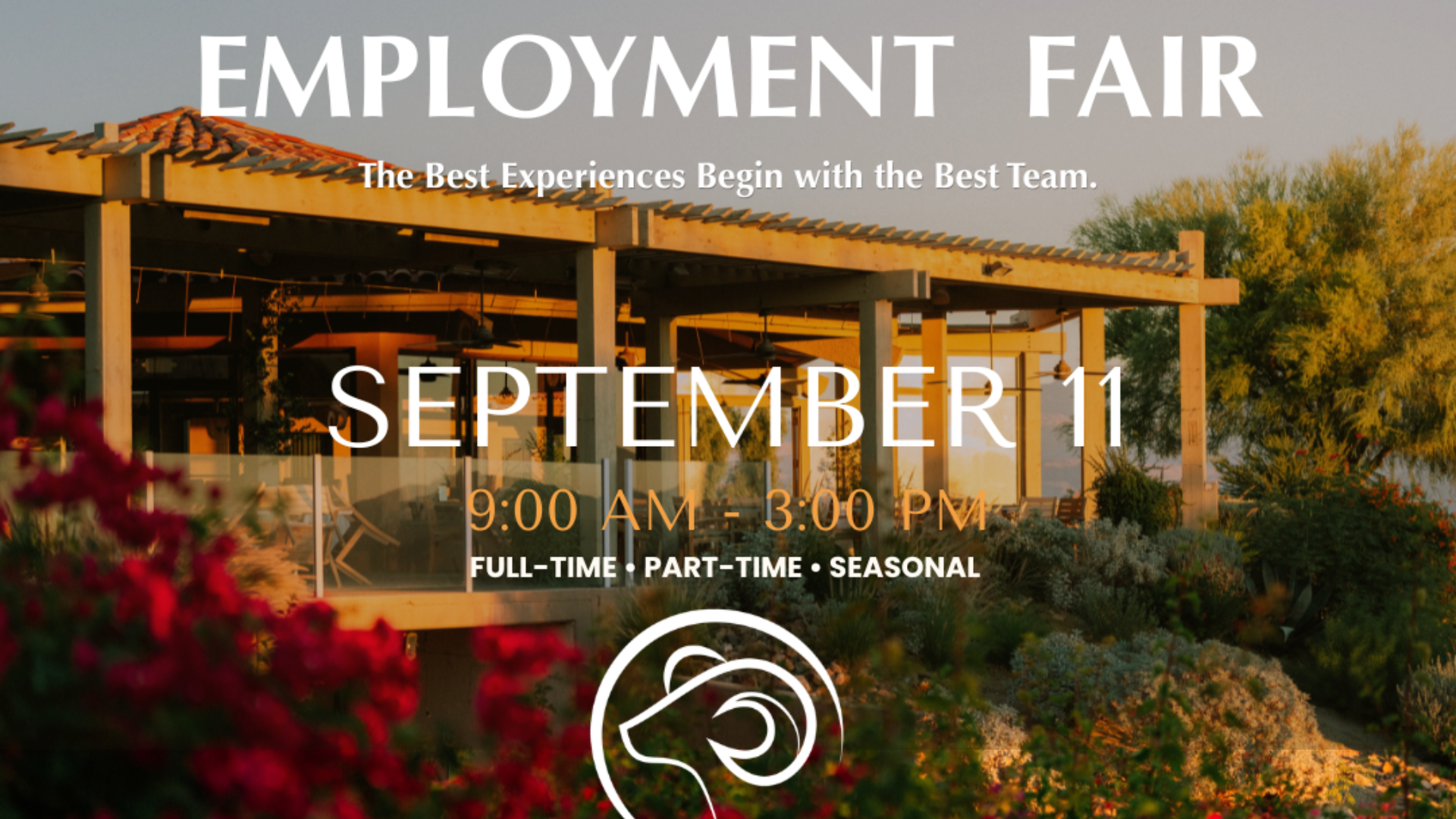
Full-Time, Part-Time and Seasonal Positions Available
FY 26/27 application and instructions will be available on July 1, 2026.
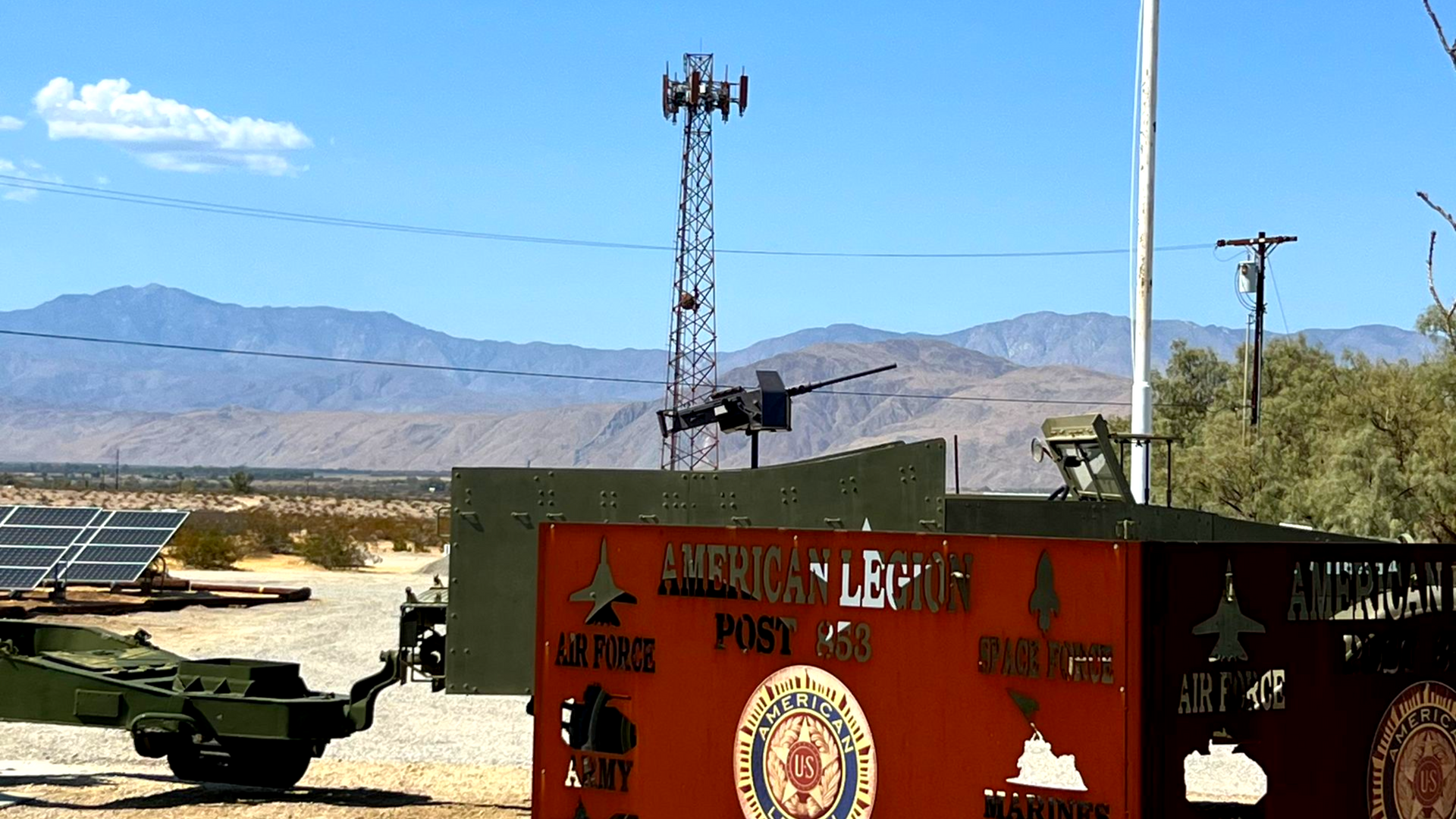
New communications tower supports stronger local connectivity
www.youtube.com/@Desertusa
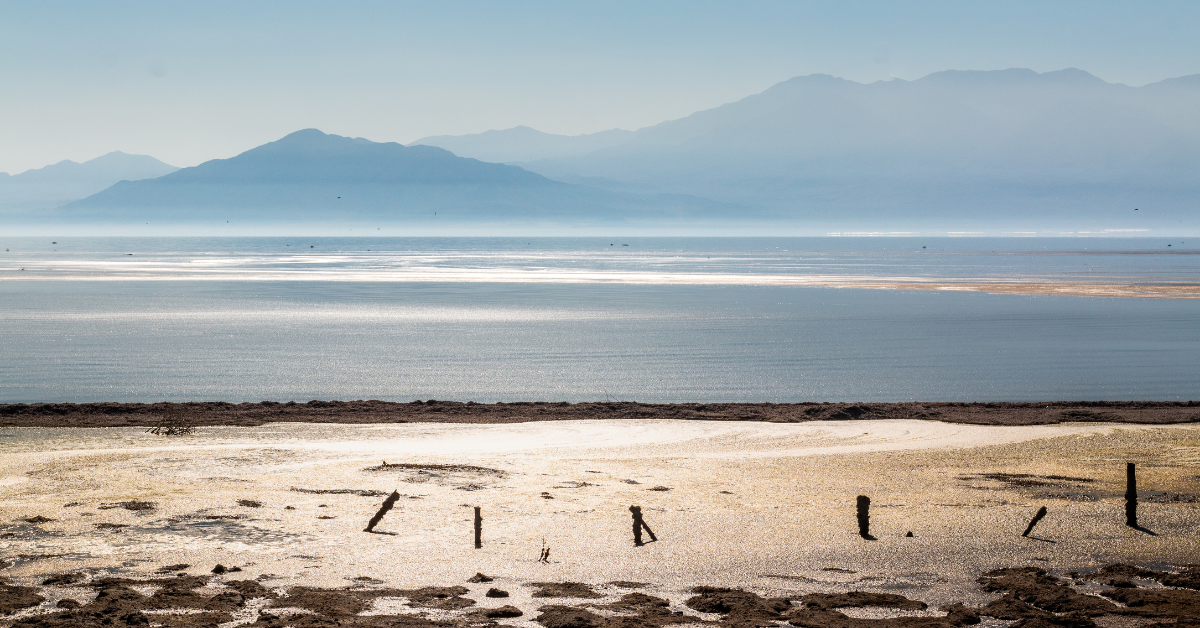
Historic protections proposed amid Lithium Valley development.
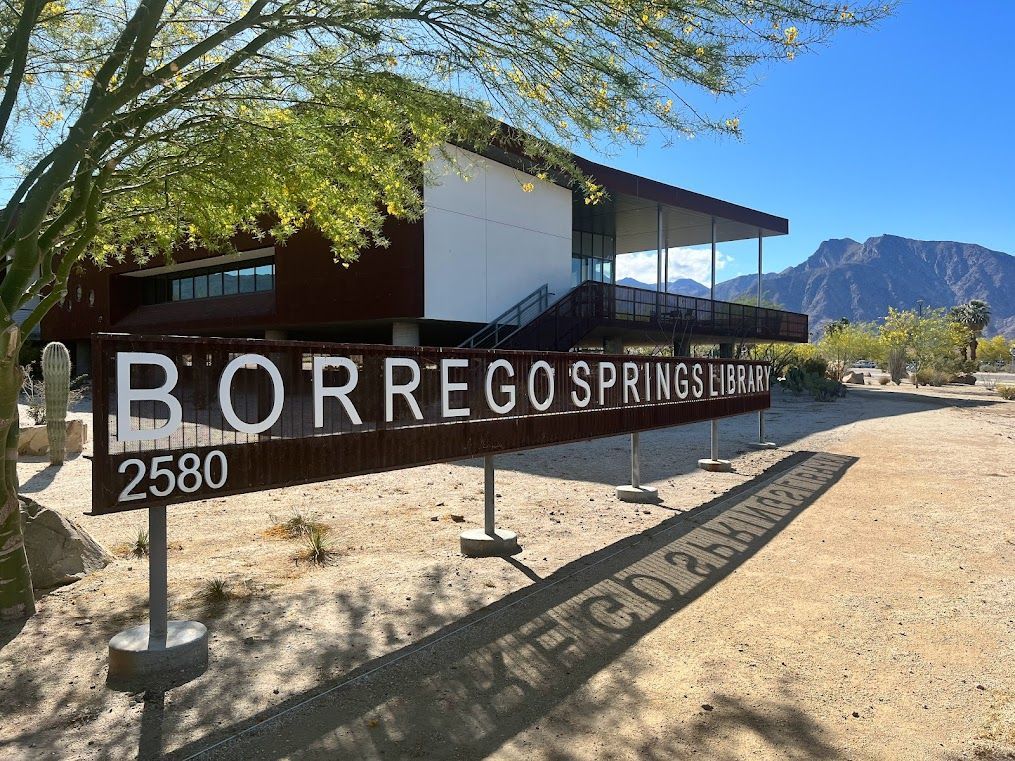
Cool Down at the Library
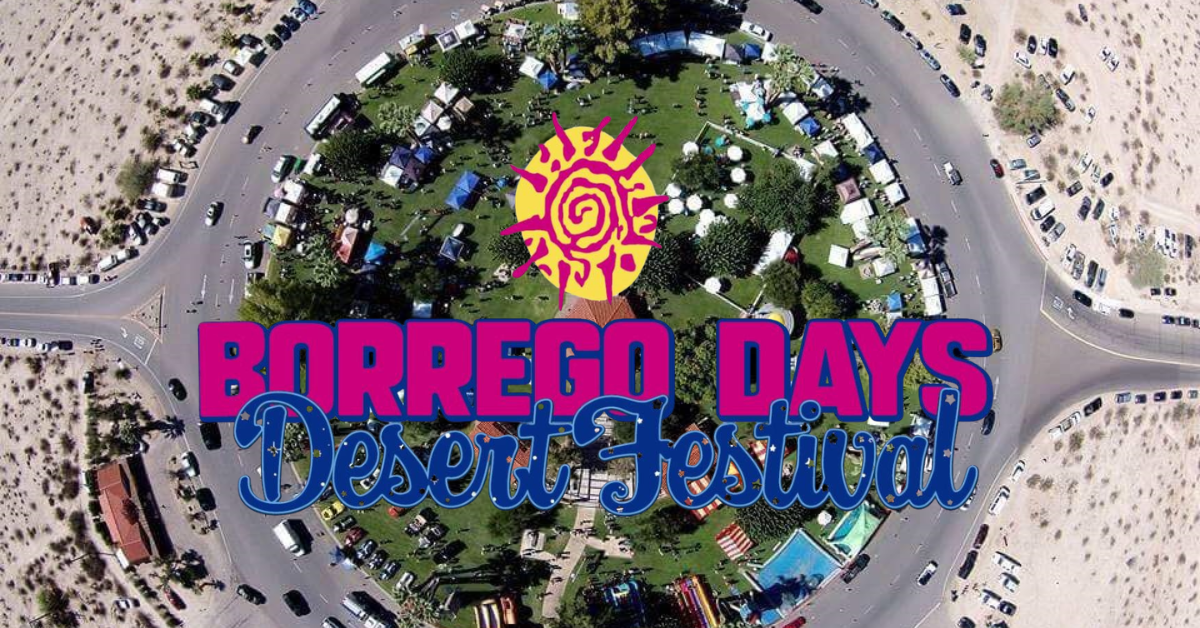
The countdown is on for Borrego Days 2026! The 60th Annual Borrego Days Desert Festival will take place October 17–18, 2026 , bringing two days of free entertainment, a hometown parade, live music, cultural performances, art, food, family activities and more to Borrego Springs. Produced by the Borrego Springs Chamber of Commerce , the annual festival will be held at Christmas Circle Community Park on Palm Canyon Drive . Admission and parking are free. Saturday Starts with National Anthem, Flyover and Parade Saturday, October 17, begins with a whirlwind of activity along Palm Canyon Drive. The National Anthem and flyover begin at 8:45 a.m. , followed by the Borrego Days Parade at 9 a.m. The parade travels down Palm Canyon Drive and ends at Christmas Circle. The theme for the 60th annual parade is “Reach for the Stars.” Festival activities continue Saturday until 6:30 p.m. Free live entertainment will be offered throughout the day, including DJs, PHT and the Honky Tonk Nights , followed by Nacho Bustillos & Band , performing in both English and Spanish. Sunday Features Music and Cultural Performances Borrego Days continues Sunday, October 18, from 9:30 a.m. to 3 p.m. Sunday entertainment includes Ballet Folklorico dancers, Mariachi Estrella , and music from the Borrego Academy of Music and Art . Art, Food, Kids' Activities and Car Show Festivalgoers can experience much more than the parade and live entertainment throughout the weekend. Activities and attractions include art exhibits, a kids' zone, food vendors, artisans, educational displays, an adult beer garden and a free-to-enter car show . The Borrego Days Desert Festival is a family-friendly event with activities and entertainment for all ages. Experience Borrego Springs Borrego Springs is located in the unincorporated area of San Diego County and was the second community in the world to receive International Dark Sky Community designation . It is also home to the approximately 600,000-acre Anza-Borrego Desert State Park and the world-famous Galleta Meadows Sky Art metal sculptures . Visitors to Borrego Springs can explore hiking, biking and equestrian trails along with arts and culture, shopping, dining, historic downtown walks, a Certified Farmers Market and community festivals. Other attractions and activities include the Borrego Springs Film Festival, art festivals, top-ranked golf, camping, glamping, resorts, tennis, mid-century modern architecture and expansive desert views. Additional visitor information and a Borrego Springs visitors guide are available at VisitBorrego.com . 60th Annual Borrego Days Festival Details Event: 60th Annual Borrego Days Desert Festival Dates: October 17–18, 2026 Saturday: 8:45 a.m.–6:30 p.m. Sunday: 9:30 a.m.–3 p.m. National Anthem and Flyover: Saturday at 8:45 a.m. on Palm Canyon Drive Parade: Saturday at 9 a.m. on Palm Canyon Drive 2026 Parade Theme: Reach for the Stars Festival Location: Christmas Circle Community Park, Palm Canyon Drive, Borrego Springs, CA 92004 Admission: Free Parking: Free parking is available surrounding Christmas Circle and within walking distance of the festival. Festival Information: BorregoDays.com or 760-767-5555 Media representatives are invited to attend. About Borrego Days The Borrego Days Desert Festival is a project of the Borrego Springs Chamber of Commerce & Welcome Center , which has served the needs of the Borrego Springs community since 1950. The festival is presented with the support of its 501(c)(3) public benefit fiscal sponsor, the Borrego Festivals Foundation (BFF.NGO). More information about the Chamber is available at BorregoSpringsChamber.com , and visitor information is available at VisitBorrego.com . Media Contact For media inquiries, photographs or interviews: Françoise Rhodes Executive Director Borrego Springs Chamber of Commerce 786 Palm Canyon Drive Borrego Springs, CA 92004 760-767-5555 borregochamberdirector@gmail.com BorregoSpringsChamber.com