Jake Hinton • December 6, 2021

Borrego Valley Hawkwatch: A Unique Migration Event in Borrego Springs

Share
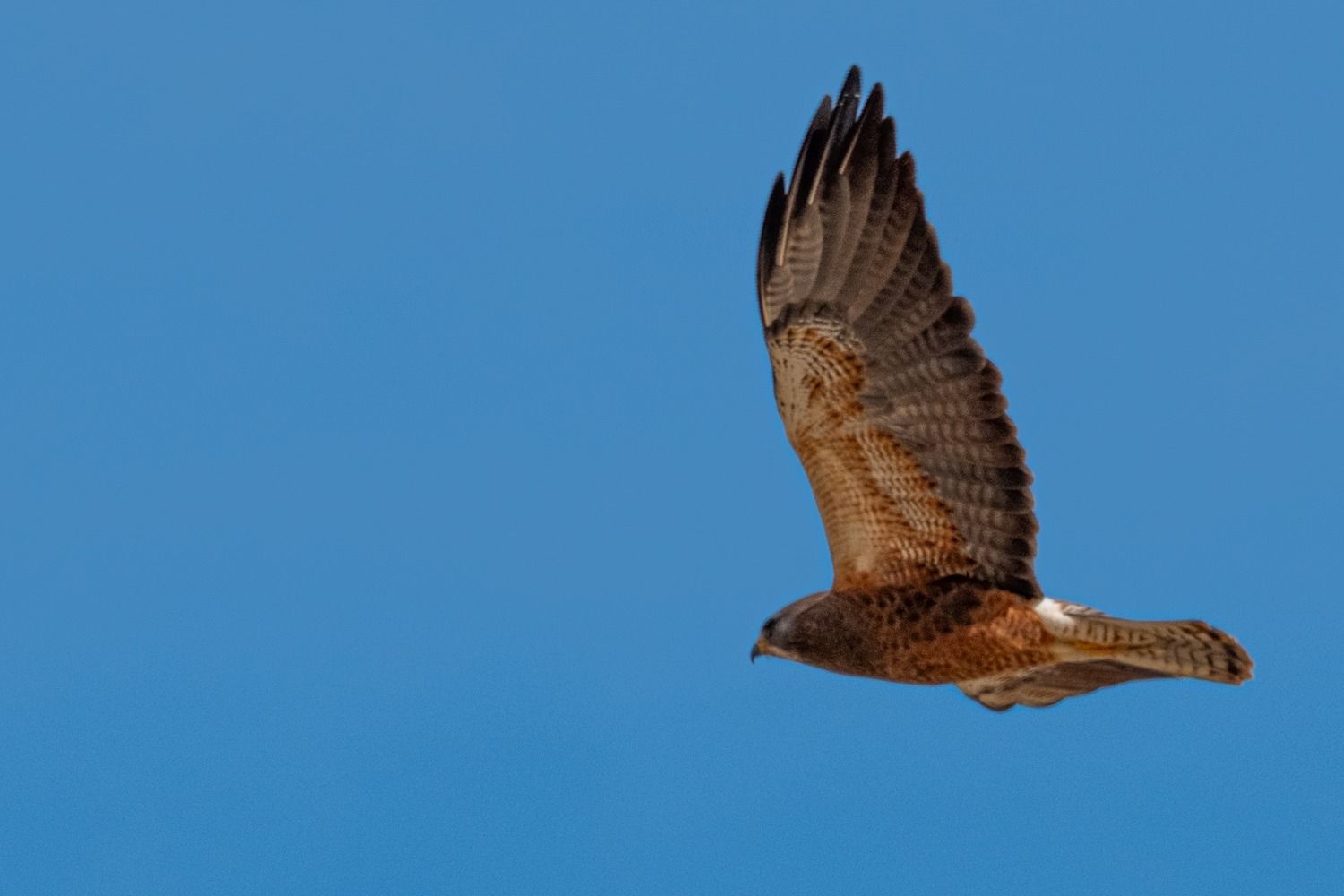
Witness One of the Largest Swainson’s Hawk Migrations in North America


Each spring, Borrego Springs becomes a prime location to observe migrating Swainson’s Hawks as they travel from wintering grounds in Mexico, Colombia, and Argentina to breeding sites in North America. The Borrego Valley Hawkwatch, one of only two official hawkwatches in California, documents this annual migration, attracting birdwatchers, researchers, and nature enthusiasts.


When and Where to Observe the Migration


  • Peak Migration: Mid-February through April, with the highest activity typically in mid to late March.
  • Best Viewing Locations: Key observation points include Borrego Valley, Coyote Canyon, and Henderson Canyon Road.
  • Time of Day: Hawks are most active in the early morning and late afternoon when they take flight from their overnight roosts.


Why Swainson’s Hawks Stop in Borrego Springs


Borrego Springs provides a critical food source for migrating hawks. After winter rains, White-lined Sphinx Moth caterpillars emerge, feeding on blooming wildflowers. The hawks stop to refuel on these caterpillars before continuing their long journey north.


What Birds Can Be Seen?


While Swainson’s Hawks are the primary species observed, other raptors spotted during migration include:

  • Red-tailed Hawk
  • American Kestrel
  • Osprey
  • White-tailed Kite


On peak migration days, it is possible to see hundreds of hawks soaring together in swirling formations known as “kettles.”


How to Get Involved


The Borrego Valley Hawkwatch is a volunteer-driven effort that tracks hawk migration trends. Volunteers are trained to count and document hawks, contributing valuable data for conservation. Both experienced and beginner birdwatchers are encouraged to participate.


Tips for Watching the Migration


  • Bring binoculars or a spotting scope for a closer look.
  • Check weather conditions—clear skies and warm thermals increase hawk activity.
  • Visit multiple times—migration numbers fluctuate, with some days producing thousands of hawks.
  • Look for local updates on peak viewing days and guided observation opportunities.


An Incredible Natural Spectacle


The Borrego Valley Hawkwatch offers a rare opportunity to witness one of North America’s most remarkable bird migrations. With thousands of hawks passing through each season, it is a must-see event for birdwatchers and nature lovers alike.


For more details on participating or viewing opportunities, visit the Borrego Valley Hawkwatch website or follow updates from local birding groups.


Learn More About Borrego Springs
By Explore With Jeven Dovey June 17, 2026
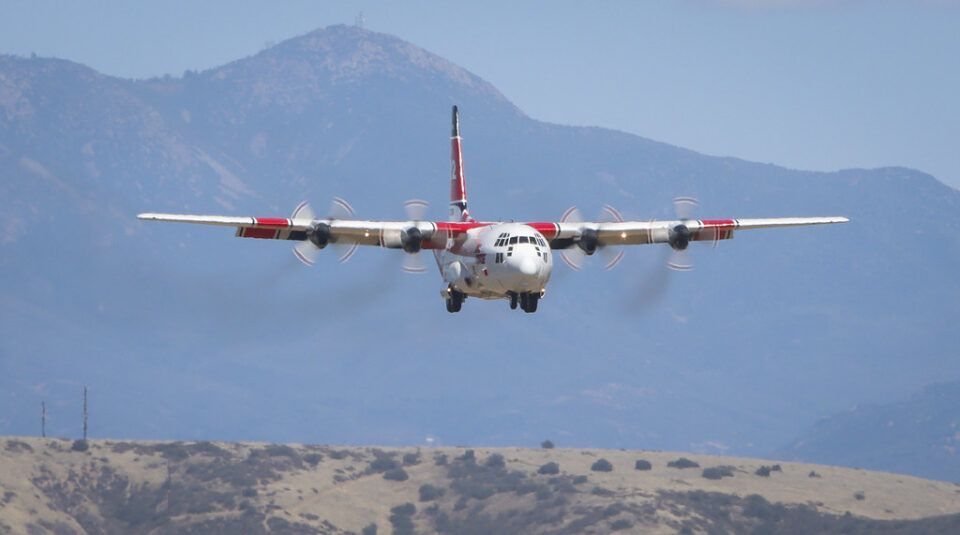
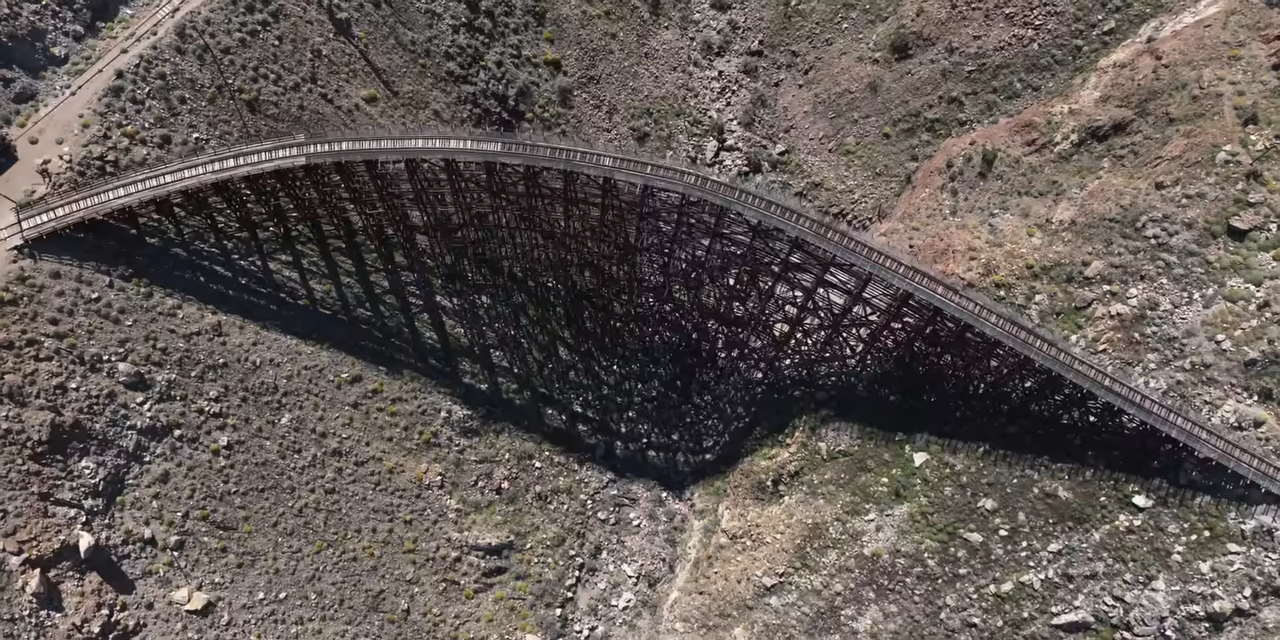
Exploring Goat Canyon Trestle Before It's Gone Adventure filmmaker Jeven Dovey documents one of Southern California's most remote railroad landmarks
By Andrea McKenna June 15, 2026
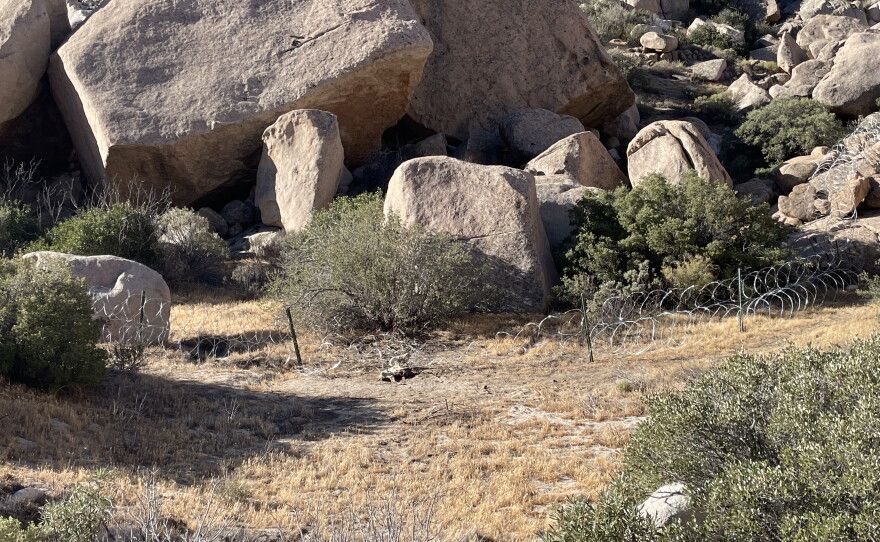
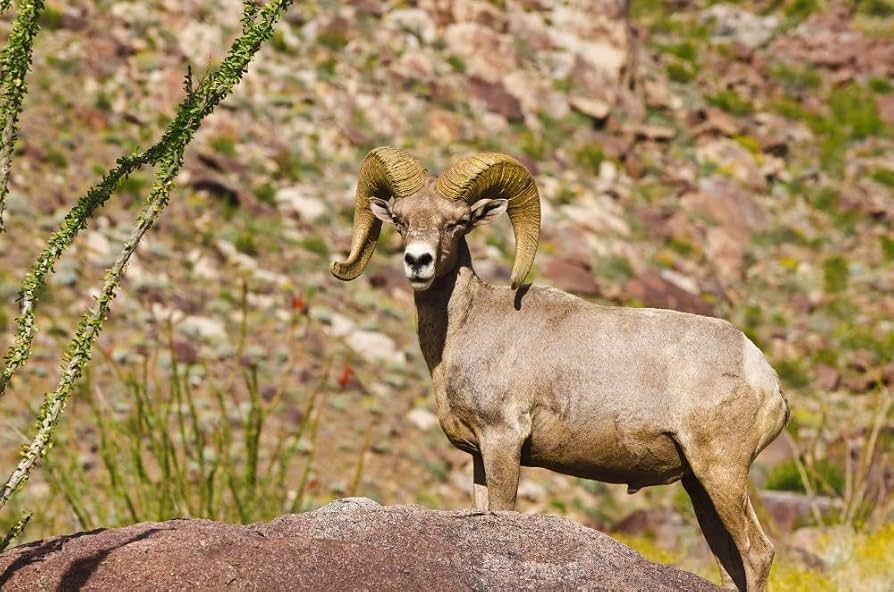
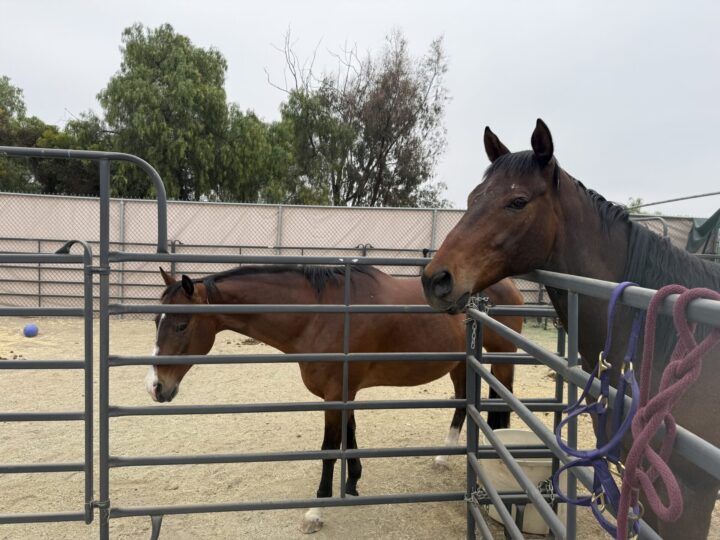
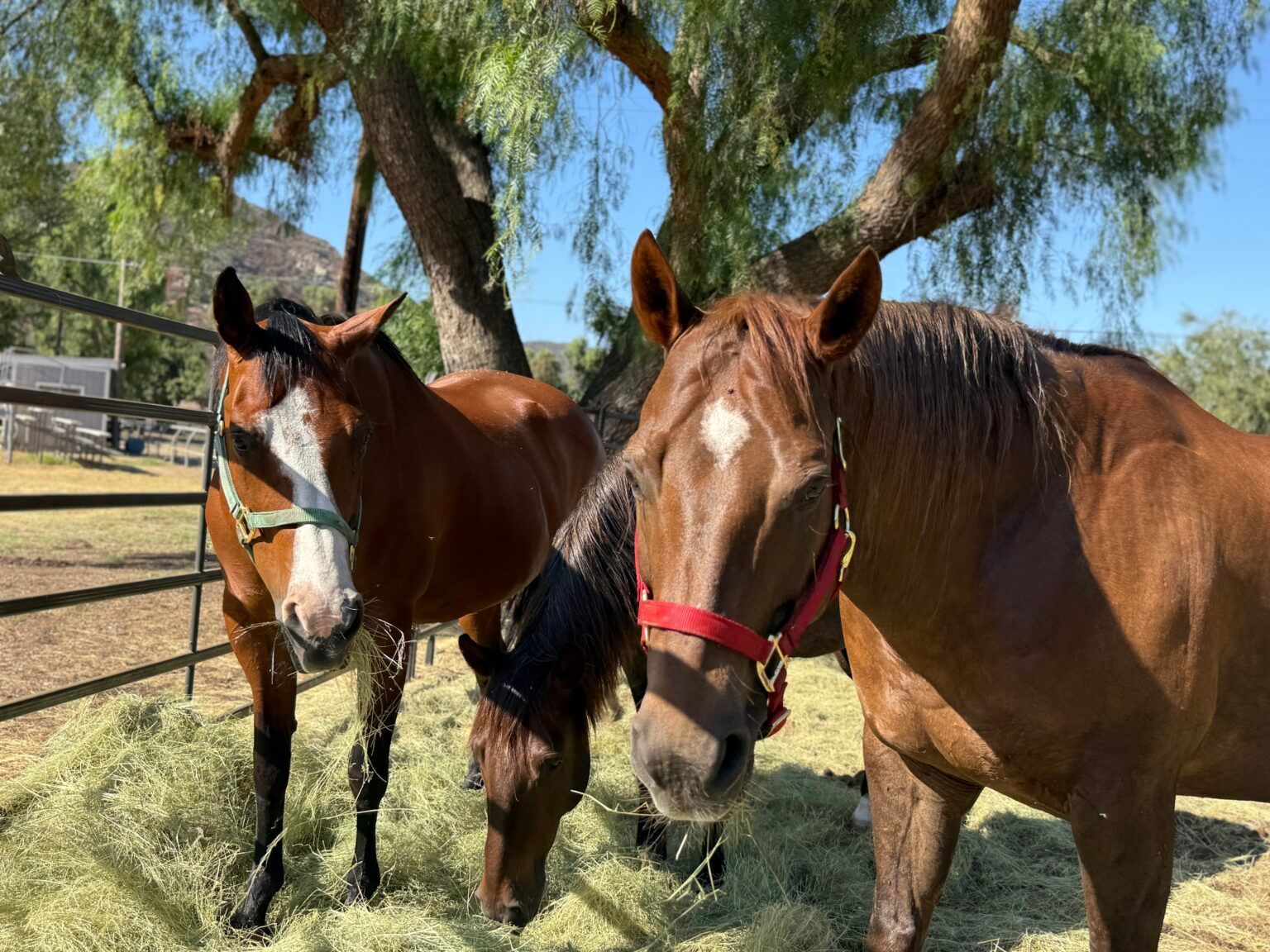
A recent KPBS report shared heartbreaking news: an endangered Peninsular bighorn sheep was found dead after becoming entangled in concertina wire near the U.S.-Mexico border in the Jacumba Wilderness. The story highlights growing concerns from wildlife biologists and conservationists about how border fencing and razor wire can affect protected species, including bighorn sheep, mountain lions, and wild horses. Wildlife biologist Christina Aiello has been among those warning that barriers can cut animals off from food, water, and safe movement corridors. This issue matters to Borrego Springs and the surrounding desert region because Peninsular bighorn sheep are part of our shared desert landscape. Protecting wildlife movement, water access, and habitat is essential to the long-term health of the Anza-Borrego region. Read the full KPBS report here: [ https://www.kpbs.org/news/environment/2026/06/10/endangered-ram-dies-after-getting-caught-in-concertina-wire-at-us-mexico-border ]

By East County News Services  June 13, 2026
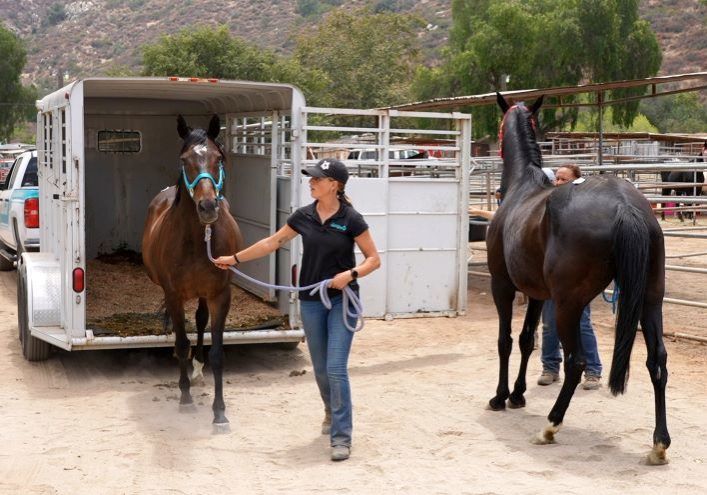
Photo courtesy County of San Diego
By Andrea McKenna June 3, 2026
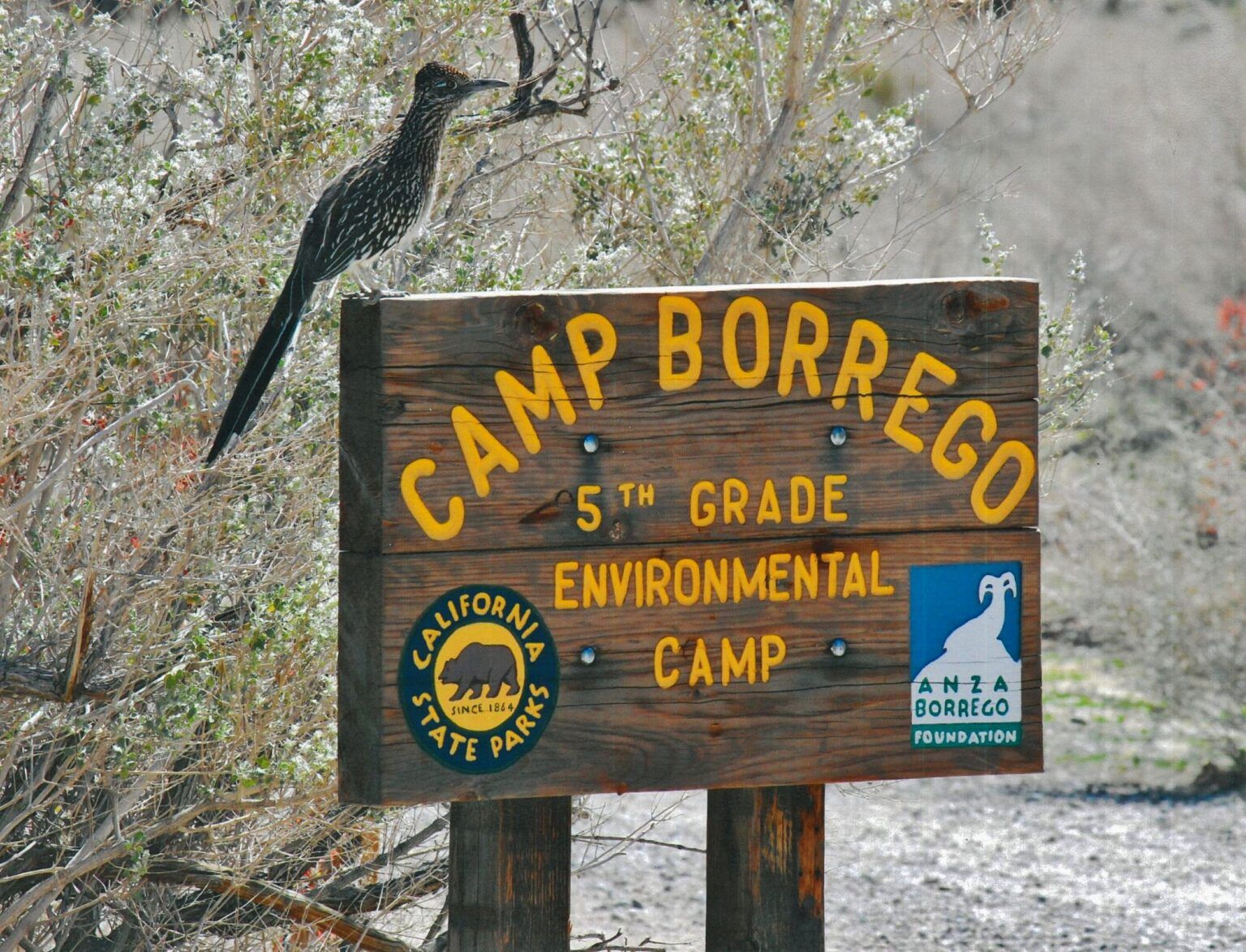
ABF’s latest blog explores the surprising chain of events that led to the creation of Camp Borrego.
By Jake Hinton January 10, 2026
This segment aired on KTLA's Off the Clock on Jan. 7, 2026.
By Jake Hinton September 22, 2024
Fascinating Facts About the Desert Sun Spider (Solifugae) The desert sun spider, scientifically known as Solifugae, is not a true spider but rather a member of the arachnid family closely related to scorpions and mites. Commonly referred to as windscorpions or camel spiders, these fascinating creatures are native to the arid desert regions of the southwestern United States, including Borrego Springs, California. Appearance and Size Desert sun spiders are known for their distinctive appearance and impressive size, with some reaching up to 5 inches in length. They typically have reddish-brown bodies and long, spiny legs that help them move swiftly through the sandy desert terrain. Their most notable feature is their powerful jaws, which they use to capture and subdue prey. Behavior and Habitat Unlike spiders, desert sun spiders do not spin webs. They are active hunters, using their strong jaws to capture insects, small reptiles, and rodents. They thrive in various desert habitats, including sandy dunes, rocky outcrops, and dry washes. Nocturnal by nature, they are most active at night, when they search for food and mates. Are They Dangerous to Humans? Despite their fearsome appearance, desert sun spiders are not dangerous to humans. They are non-venomous and generally pose no threat. However, like any wild animal, they may bite if provoked. It’s best to admire them from a distance to avoid startling them. Impact on Animals As carnivorous predators, desert sun spiders primarily target small prey like insects and occasionally small mammals. Although they are capable of delivering a painful bite, they do not pose a significant threat to larger animals, including pets. These arachnids tend to focus on small, manageable prey rather than larger targets. How to Spot Desert Sun Spiders For those interested in observing desert sun spiders in their natural habitat, nighttime in the desert offers the best opportunity. Visiting areas like Anza-Borrego Desert State Park in Borrego Springs during the evening or early morning hours increases the likelihood of an encounter. Use a flashlight or headlamp, as the reflection of light in their eyes can help spot them easily. Be sure to respect their space and avoid disturbing them to prevent defensive behavior. A Unique Desert Experience in Borrego Springs Borrego Springs is home to a wide range of fascinating desert creatures, including the desert sun spider. Exploring this region offers opportunities to witness a diverse array of wildlife in their natural desert environment. Whether you're an amateur naturalist or simply curious, Borrego Springs is a great destination to learn more about these unique creatures.

By Jake Hinton September 11, 2024
Explore Anza-Borrego's Wind Caves Trail: hiking details and scenic views.
By Jake Hinton September 11, 2024
Discover popular hiking trails in Anza-Borrego Desert State Park. Explore scenic routes, palm oases, and historic sites.
By Jake Hinton August 17, 2024
Exploring Bailey's Cabin in Anza-Borrego’s Upper Coyote Canyon Tucked away in the remote Upper Coyote Canyon, within the vast Anza-Borrego Desert State Park, lies Bailey's Cabin—a historic gem that invites both adventurers and history enthusiasts alike. A Glimpse into the Past Bailey's Cabin was constructed in the late 1930s or early 1940s, likely by the Larner Brothers after acquiring the land from Jim Wellman. Originally used as an outpost for cattle ranching, the cabin has withstood the test of time, serving as a shelter for countless adventurers over the years. The cabin’s stone walls and simple amenities offer a stark contrast to the harsh desert environment, providing insight into the life of early settlers in this rugged landscape. The Journey to Bailey's Cabin Reaching Bailey's Cabin is an adventure in itself. By vehicle, the only route is via the "Turkey Grade," a road that can be treacherous, especially after rain. For those on foot, horseback, or bike, access is also available from Lower Coyote Canyon, offering stunning views and the natural sounds of the desert. Remember to check with Anza-Borrego State Park for updated road conditions and trail closures, as the area is periodically closed to protect bighorn sheep.
By Jake Hinton August 13, 2024
Discover the vibrant landscapes of Rainbow Wash in Anza-Borrego Desert State Park, perfect for hiking, off-roading, and camping adventures.
Pegleg Smith Monument near Borrego Springs

By Jake Hinton August 7, 2024
Discover the fascinating Pegleg Smith Monument near Borrego Springs. Learn about its history, significance, and how to visit this unique landmark.

Fonts Point at Sunset
By Jake Hinton July 29, 2024
In The Finest City, Bri Fordem discusses Anza-Borrego's conservation efforts and ecological significance, and shares how to get involved.
Show More

Share This Post