Borrego Springs Local • December 7, 2021

Borrego Springs: A Destination Worth Visiting

Share
Discover Borrego Springs: A Must-Visit Hidden Gem in California

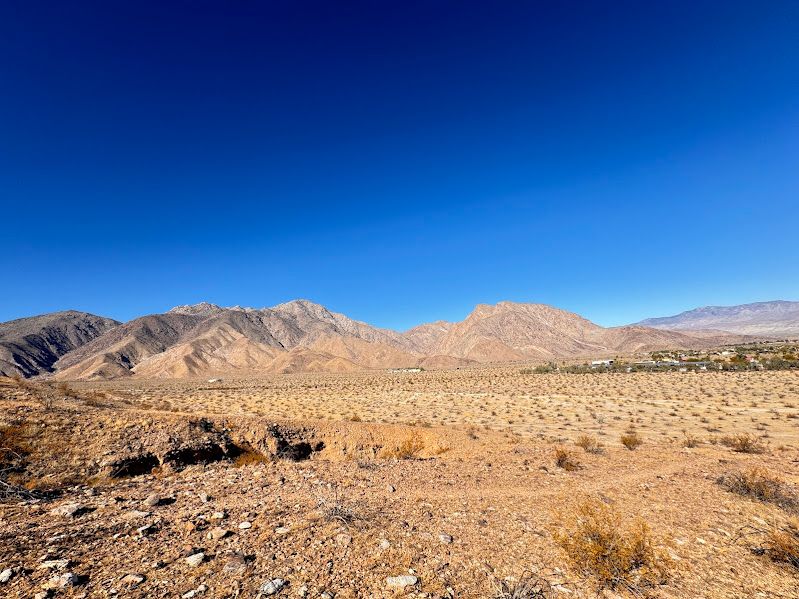
Nestled in the heart of Anza-Borrego Desert State Park, the charming town of Borrego Springs offers a unique blend of natural beauty, intriguing history, and relaxing escapes. This hidden gem is a sanctuary for nature lovers, history enthusiasts, and anyone looking to explore California’s stunning desert landscape.


The Rich History of Borrego Springs


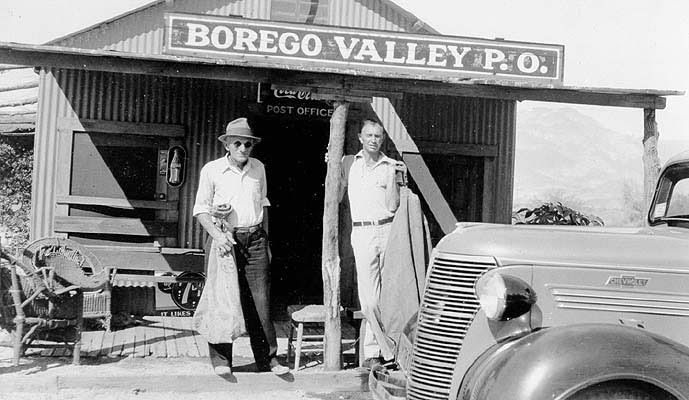
Borrego Springs boasts a captivating history that dates back thousands of years. Originally inhabited by the Native American Kumeyaay tribe, the area is rich with ancient rock art and artifacts. As the town developed in the 20th century, it became a retreat for Hollywood celebrities like Bing Crosby and Desi Arnaz, drawn by its secluded beauty and serene environment. Today, visitors can explore the Borrego Springs Museum to learn about the area's Native American roots, early settlers, and its allure to Hollywood stars.


Top Attractions in Borrego Springs


  • Anza-Borrego Desert State Park: Explore the largest state park in California, offering over 600,000 acres of majestic wilderness, hiking trails, and diverse wildlife.


  • Galleta Meadows: Encounter the famous metal sculptures by Ricardo Breceda, scattered across the town. These life-sized sculptures of prehistoric creatures provide a fantastic photo opportunity and a glimpse into the region’s prehistoric past.


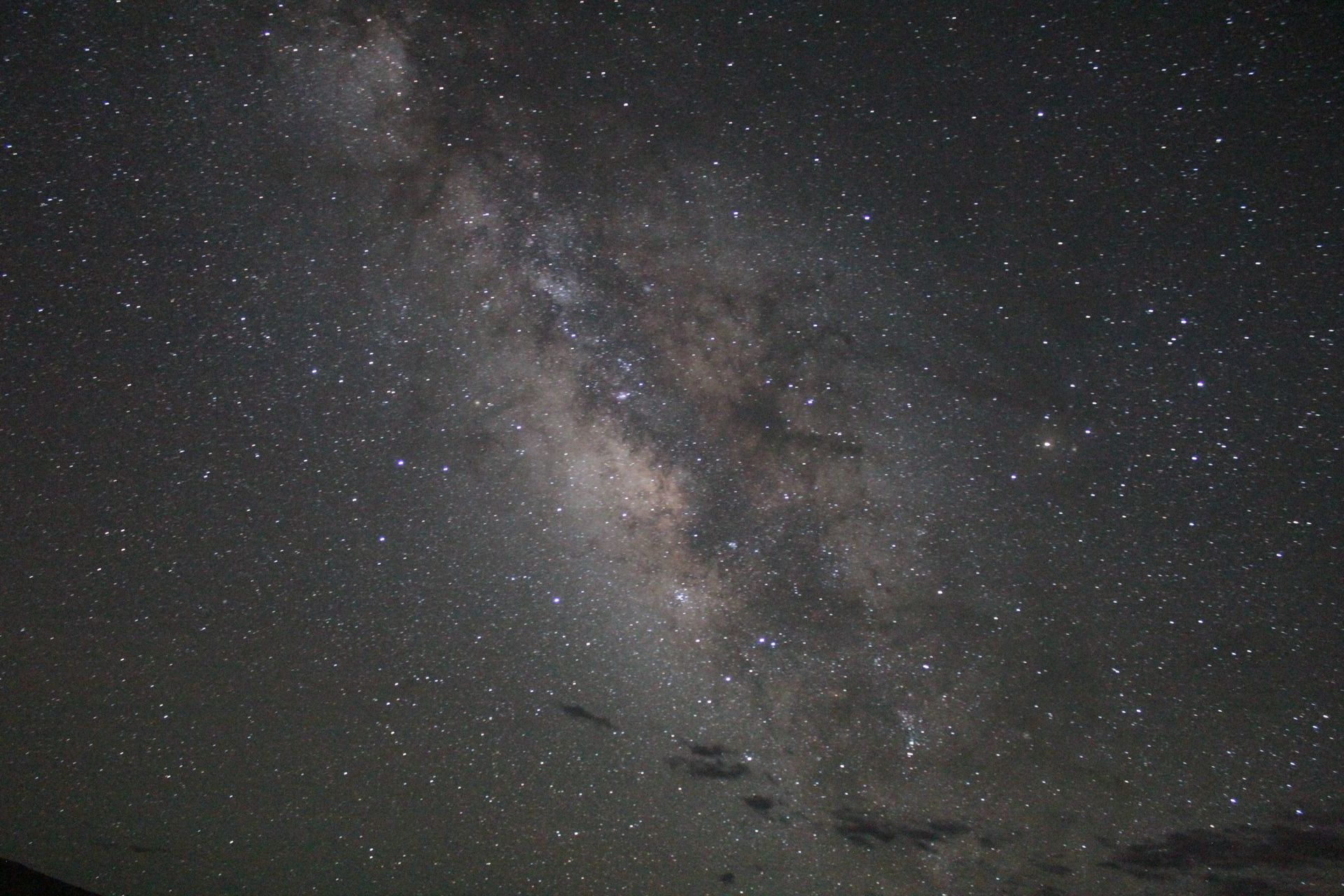
  • Stargazing Adventures: Thanks to its status as an International Dark Sky Community, Borrego Springs offers some of the best stargazing experiences in the country. Join a guided tour or simply gaze up at the starlit sky to see the cosmos unfold above you.


Unique Offerings of Borrego Springs


What sets Borrego Springs apart are its unique features that you won’t find elsewhere:


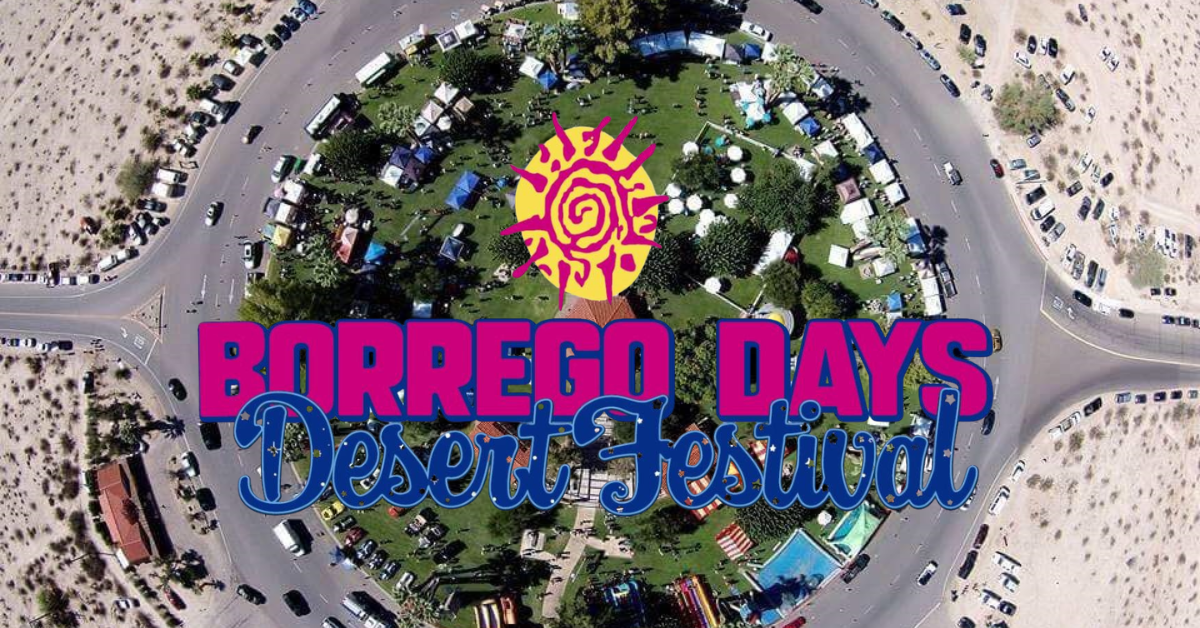
  • No Stoplights: Experience a town without stoplights, where roundabouts keep the traffic flowing smoothly.


  • Desert Wildflowers: During the spring, the desert landscape transforms with vibrant wildflowers, offering spectacular views and photo opportunities.


  • Dark Sky Community: The commitment to preserving the night sky makes stargazing here an unmatched experience.


Fun Facts About Borrego Springs


  • Borrego Springs Film Festival: Annually, this festival showcases independent films, attracting filmmakers and enthusiasts from around the globe.


  • Name Origin: "Borrego" or sheep in Spanish refers to the bighorn sheep that are native to the region, often spotted in the surrounding parklands.


  • Sunshine Haven: Enjoy over 350 days of sunshine, perfect for outdoor activities and adventures.


Lodging in Borrego Springs: Whether you're seeking luxury or budget-friendly options, Borrego Springs offers accommodations that cater to all preferences:


  • Palm Canyon Hotel & RV Resort: Ideal for outdoor enthusiasts, this resort offers a mix of RV sites, cozy cottages, and hotel rooms.


  • La Casa Del Zorro Resort & Spa: For those looking for indulgence and pampering, this luxury resort offers elegant rooms, lush gardens, and spa services.


  • Borrego Springs Resort: A perfect escape with stunning views, golf courses, and spa facilities for a rejuvenating stay.


  • Palms At Indian Head: A budget-friendly hotel with comfortable amenities, close to local attractions.


  • Stanlunds Inn & Suites: An affordable choice with cozy accommodations, conveniently located near the town’s main attractions.


Conclusion


Borrego Springs is more than just a destination; it’s an experience. With its stunning landscapes, rich history, and unique culture, it promises an unforgettable adventure for anyone who visits. Whether you’re hiking through the vast desert, stargazing under the clear night sky, or exploring its historical sites, Borrego Springs is truly a place worth visiting.

Learn More About Borrego Springs
By Andrea McKenna July 1, 2026
Don't Miss These Summer Night Sky Events
June 21, 2026
Prepared with information from ABDNHA's Dark Sky resources, Michael Poirier, Astrophotographer, and the Sky Calendar from Michigan State University. Learn more about Borrego Springs dark skies at: https://abdnha.org/darksky/sky / Note: You can subscribe to the Sky Calendar from Abrams Planetarium, Michigan State University, 755 Science Rd, East Lansing, MI 48824. Borrego Springs offers some of the darkest skies in Southern California, making summer an excellent time to observe the Milky Way, planets, meteor showers, and other celestial events. Here's what to look for in June and July 2026. Early June Sunrise: 5:38 a.m. Sunset: 7:50 p.m. PST Day Length: 14 hours 12 minutes June Highlights June 1 (Monday) Venus and Jupiter appear within 8° of each other in the west-northwestern sky after sunset. June 3–16 Milky Way viewing conditions are excellent, with dark, moonless skies after nightfall. The Milky Way rises at 10:57 p.m. on June 7 and as early as 10:30 p.m. on June 14. It remains visible for up to 4 hours and 29 minutes. June 6–13 Grand Canyon Star Party, Arizona. Learn more at www.grandcanyon.org . June 11 (Thursday) Venus, Jupiter, and Mercury span their shortest angle in the evening sky, just 13.2° apart. June 15 (Monday) New Moon — one of the darkest nights of the month for stargazing and astrophotography. June 15 (Monday) Mercury reaches greatest elongation, 24.5° from the Sun, making it the best evening appearance of the year shortly after sunset. June 21 (Sunday) June Solstice marks the beginning of summer in the Northern Hemisphere. It is the longest day of the year with 14 hours and 20 minutes of daylight. June 22–July 2 June Bootids Meteor Shower. June 29 (Monday) Full Moon rises at 8:17 p.m. and sets at 5:04 a.m. June 30 (Tuesday) Asteroid Day. Early July Sunrise: 5:41 a.m. Sunset: 7:59 p.m. Day Length: 14 hours 18 minutes July Highlights July 5 (Sunday) The Milky Way rises at 9:38 p.m. and remains visible for 3 hours and 58 minutes. July 12 (Sunday) The Milky Way rises at 9:34 p.m. and remains visible for 3 hours and 35 minutes. July 14 (Tuesday) New Moon — ideal conditions for stargazing and astrophotography. July 15 (Wednesday) Mercury reaches greatest elongation, 24.5° from the Sun. July 28–29 (Tuesday–Wednesday) Delta Aquariids Meteor Shower peaks. July 29 (Wednesday) Full Moon rises at 8:17 p.m. and sets at 5:04 a.m. The Planets and the Milky Way in June Evening Planets Venus and Jupiter dominate the western sky after sunset throughout June. Around June 8–9, the two planets appear in conjunction, creating a striking close encounter in the west-northwestern sky. Venus, often called the "Evening Star," shines brilliantly as it moves from Taurus toward Gemini and climbs higher in the evening sky each night. Jupiter remains nearby and is also easily visible. Mercury becomes visible low in the western sky during the second half of June. June 15 offers the best viewing opportunity, as Mercury reaches its greatest elongation and highest apparent position above the horizon. Morning Planets Saturn and Mars are visible before sunrise. Mars remains low in the east-northeast, while Saturn rises higher from the east to east-southeast. Early June provides a chance to see the two planets relatively close together. Summer Milky Way Summer is the prime season for viewing the bright central core of the Milky Way. From June through August, the galaxy's core rises in the southeastern sky and becomes one of the most spectacular sights available to dark-sky observers. June Bootids Meteor Shower The June Bootids occur annually from June 22 through July 2 and peak around June 27. Most years produce only one or two meteors per hour. However, this shower has occasionally surprised observers with dramatic outbursts. In 1998, rates briefly reached approximately 100 meteors per hour. The shower originates from debris left by Comet Pons-Winnecke, which orbits the Sun every 6.3 years. June Bootids are known for their unusually slow speed, entering Earth's atmosphere at approximately 14 kilometers per second. Asteroid Day – June 30 Asteroid Day is a United Nations-sanctioned global awareness campaign held annually on June 30. The event educates the public about asteroid impacts, planetary defense, and ongoing research into near-Earth objects. The date commemorates the Tunguska Event of June 30, 1908, when a massive airburst explosion flattened approximately 830 square miles of Siberian forest. The blast is estimated to have released energy equivalent to between 3 and 50 megatons of TNT, making it the largest recorded impact event in modern history. For more information, visit www.un.org. Delta Aquariids Meteor Shower The Delta Aquariids meteor shower peaks on the night of July 28 and the morning of July 29. This annual shower can produce up to 20 meteors per hour under ideal conditions and is associated with debris from Comets Marsden and Kracht. The shower runs from July 12 through August 23 each year. Unfortunately, the 2026 peak coincides with a Full Moon, which will wash out many fainter meteors. Patient observers may still catch some of the brighter meteors throughout the night. The meteors appear to radiate from the constellation Aquarius but can be seen anywhere in the sky. Learn More About Borrego Springs' Dark Skies Borrego Springs is California's first International Dark Sky Community and one of the best places in Southern California to experience the Milky Way, meteor showers, planets, and other celestial events. To learn where to observe, dark sky etiquette, upcoming programs, and more about stargazing in Borrego Springs, visit the Anza-Borrego Desert Natural History Association's Dark Sky resources: https://abdnha.org/darksky/sky/
By Andrea McKenna June 18, 2026
Regional event celebrates the night sky, science, and dark sky preservation Borrego Springs residents who enjoy stargazing, astronomy, and protecting the night sky may want to mark their calendars for the 2026 San Diego Dark Sky Festival , scheduled for August 15 from 3 p.m. to 11 p.m. at Julian Union High School in Julian. The festival will feature distinguished speakers, telescope viewing, hands-on activities, educational exhibits, and opportunities to learn more about the growing dark sky movement throughout San Diego County. The event is organized by DarkSky San Diego County and regional partners committed to reducing light pollution and preserving access to natural darkness. Activities are designed for families, students, amateur astronomers, and anyone interested in the night sky. Festival organizers describe it as a celebration of stars, science, and community. For Borrego Springs residents, the festival highlights a cause that has become part of the community's identity. Borrego Springs was California's first International Dark Sky Community , earning recognition for its efforts to reduce light pollution and preserve exceptional night-sky viewing. Julian followed with its own International Dark Sky Community designation in 2021, creating a network of dark-sky advocates in San Diego County's backcountry. The festival also showcases the growing regional movement to protect dark skies. Organizations from Borrego Springs, Julian, Fallbrook, Mission Trails Regional Park, and the Laguna Mountain area are working together to promote responsible lighting and preserve natural darkness for future generations. Visitors can expect telescope viewing, astronomy demonstrations, educational booths, and presentations on the importance of natural darkness for wildlife, human health, and energy conservation. Similar festivals have drawn large crowds and provided opportunities for the public to experience some of Southern California's best night skies. For many Borrego Springs residents, the event offers a chance to connect with neighboring dark-sky communities while celebrating one of the region's greatest natural resources—the star-filled skies that make both Borrego Springs and Julian special destinations for stargazing. ------------------ Fun Local Fact: K-RAM 90.5 FM at 730 Christmas Circle recently received a Night Sky Friendly Business Certificate of Merit from the Borrego Springs Dark Sky Coalition. The building also houses a Dark Sky visitor center and Borrego Valley Realty, where realtor Mary Watkins helps visitors learn more about protecting Borrego Springs' famous night skies.
By Andrea McKenna June 16, 2026
One of the things that makes Borrego Springs special happens after the sun goes down. Borrego Springs became California's first International Dark Sky Community in 2009 and was only the second community in the world to receive the designation. The certification recognizes communities that actively work to reduce light pollution and protect the night sky for future generations. Earlier this year, a Dark Sky presentation highlighted K-RAM 90.5, XL Fuel Stop, and Borrego Holiday Homes as examples of businesses using responsible lighting practices that help preserve Borrego Springs' internationally recognized night skies. Ram Media Foundation Updates Exterior Lighting The Ram Media Foundation building at 730 Christmas Circle, now home to K-RAM 90.5, the Borrego Sun, and Borrego Valley Realty, removed older unshielded, high-lumen fixtures that reflected light outward around the property. The updated lighting includes shielded fixtures and a downward-facing reflector along the front walkway. These improvements provide lighting where it is needed while reducing unnecessary glare and light escaping into the night sky. XL Fuel Stop Reduces Sky Glow XL Fuel Stop was highlighted for using fully shielded lighting that directs light where it is needed instead of into the night sky. According to the presentation, a bright light mounted atop a high pole was turned off, and after-hours lighting levels were reduced. These changes help minimize sky glow while maintaining safety and visibility for customers. Borrego Holiday Homes Improves Efficiency Borrego Holiday Homes was highlighted as another example of responsible lighting practices. The property reduced excessive brightness by lowering lumen levels and using shielding that directs light downward. The result is reduced glare, improved efficiency, and lighting that better serves guests without unnecessarily illuminating the surrounding area. Why Dark Skies Matter According to the Borrego Springs Dark Sky Coalition, light pollution is the human-made alteration of outdoor light levels from those occurring naturally. Excessive brightness can create visual discomfort, affect wildlife behavior, disrupt human circadian rhythms, and diminish our ability to see the stars. Responsible lighting does not mean eliminating outdoor lighting. Instead, it means using the right amount of light, directing it where it is needed, and avoiding unnecessary brightness. The Borrego Springs Dark Sky Coalition was formed in 2007 by local residents seeking Dark Sky certification. Facilitated by the Anza-Borrego Desert Natural History Association (ABDNHA), the coalition continues to educate residents, businesses, and visitors about responsible lighting practices that help preserve Borrego Springs' exceptional nighttime environment. The improvements made by K-RAM 90.5 , XL Fuel Stop, and Borrego Holiday Homes demonstrate that protecting dark skies can go hand in hand with safety, efficiency, and good business practices. For residents and visitors alike, these efforts help ensure that Borrego Springs remains one of the best places in Southern California to experience a sky filled with stars.

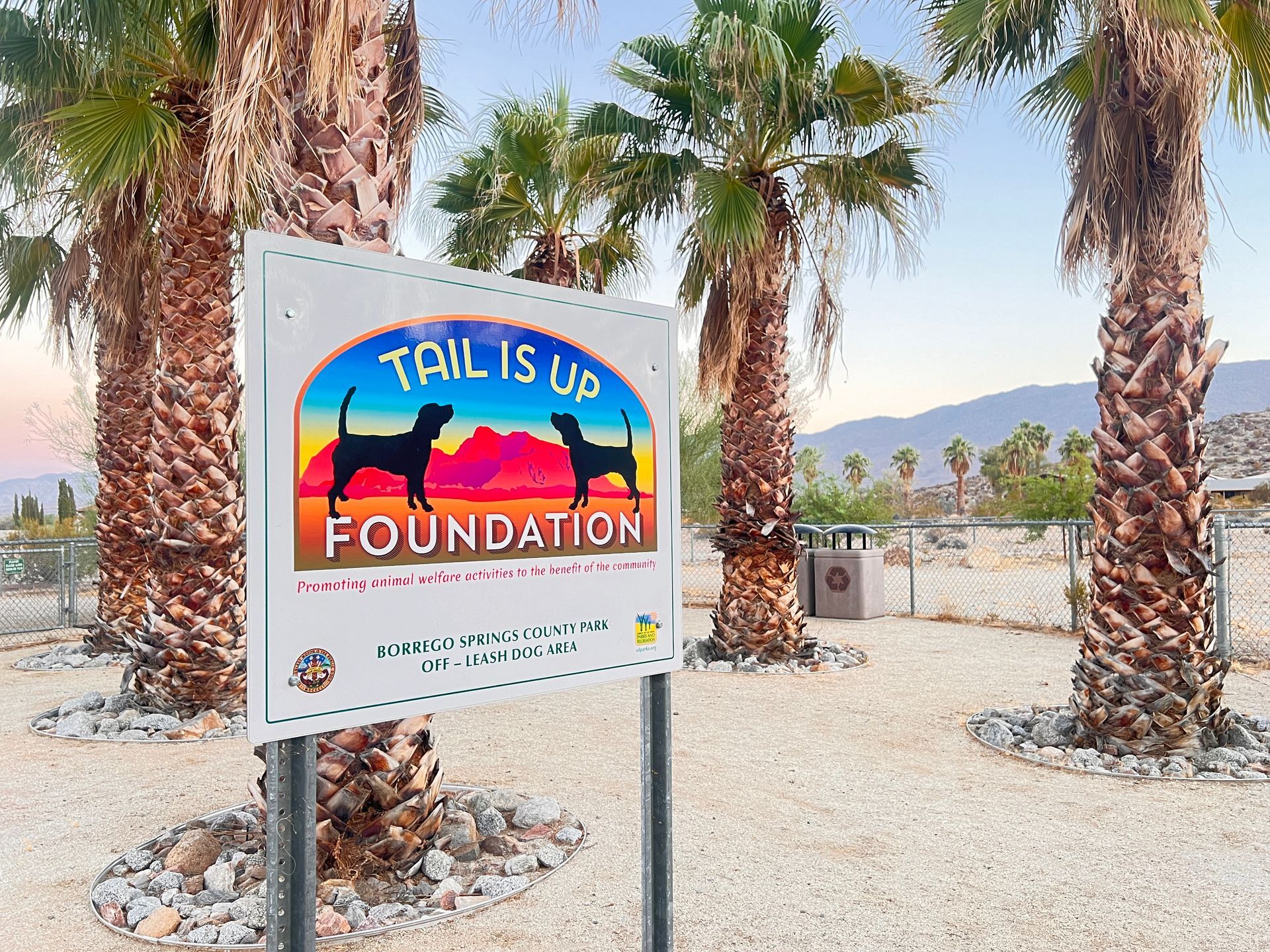
Borrego Springs County Park - Tails Up Dog Park

By Andrea McKenna June 3, 2026
Discover Borrego Springs County Park, a pet-friendly haven with separate areas for small and large dogs, ample play spaces, safety features like double-gate entries, and amenities including water faucets and waste bags. Enjoy clean, spacious areas for pets and scenic views, making it the perfect destination for relaxation and fun..
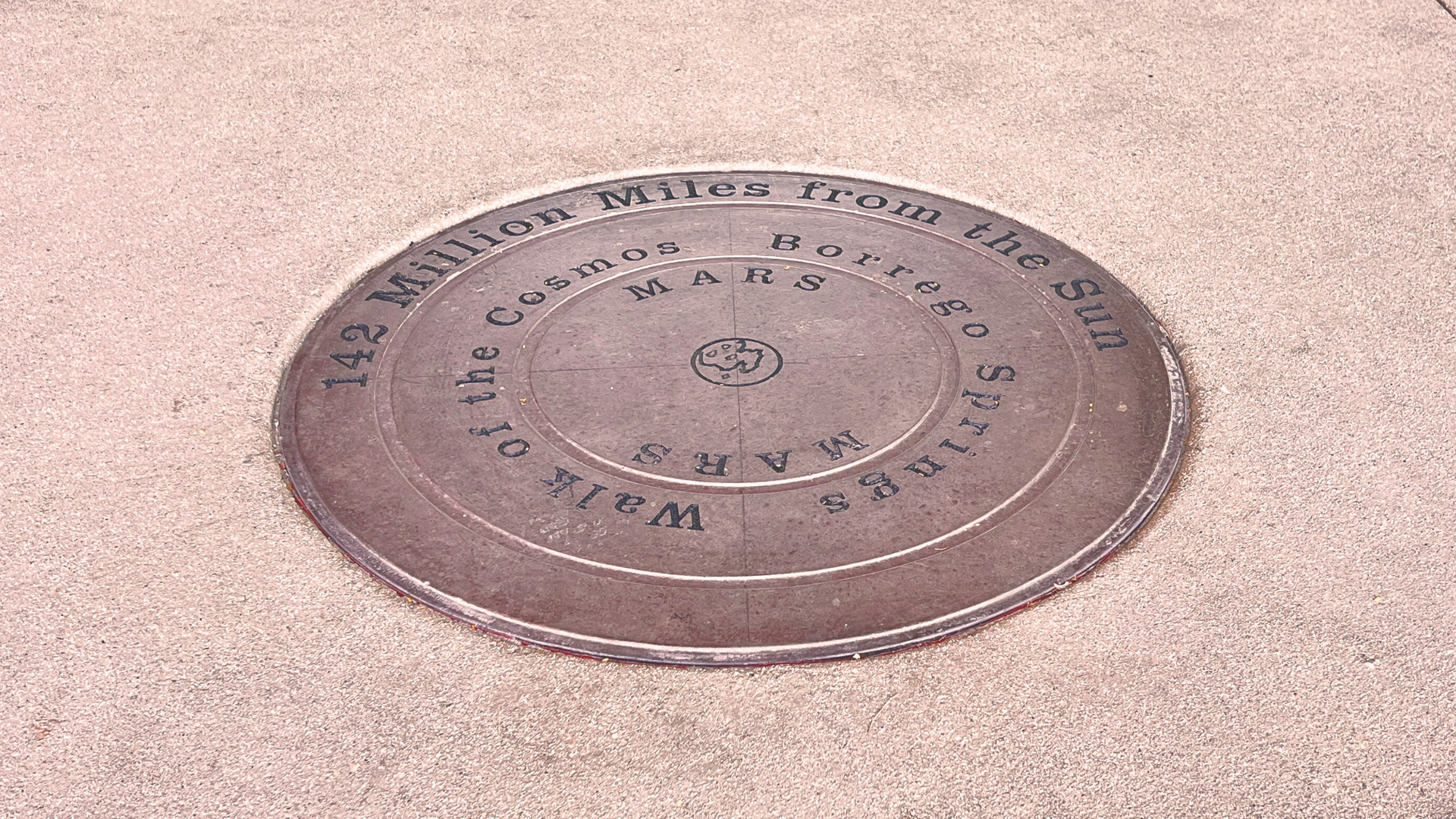
Walk of the Cosmos
By Andrea McKenna May 17, 2026
Experience the Walk of the Cosmos in Borrego Springs—a journey through the solar system in a beautiful desert park with playgrounds, sports courts, and stargazing opportunities.
Show More

Share This Post