The 2025-26 activity calendar is now available, filled with exciting opportunities to explore and learn.
Jake Hinton • October 19, 2025
ABDNHA 2025-26 Activity Calendar is Out!
Share
Explore the ABDNHA 2024-2025 Activity Schedule
The Anza-Borrego Desert Natural History Association (ABDNHA) is a community-driven organization dedicated to fostering appreciation of the Anza-Borrego Desert. Founded in 1971, ABDNHA offers educational programs, hikes, and community events to connect people with the desert's unique environment.
ABDNHA's Mission and Impact
ABDNHA's mission is to educate residents and visitors about the ecology, geology, and cultural history of the Anza-Borrego region. Through expert-led programs, hikes, and lectures, the organization promotes sustainable practices and encourages stewardship of the desert.
Educational Programs and Activities
- Nature and Science Education: ABDNHA offers webinars, stargazing events, and other programs to explore the desert's wonders.
- Guided Hikes and Field Trips: Led by knowledgeable volunteers, these hikes immerse participants in the desert landscape, highlighting native plants, animals, and geology.
- ABDNHA Desert Garden: The Desert Garden showcases native and adapted desert plants, providing insights into desert landscaping and the ecological importance of desert flora.
- Conservation Efforts: ABDNHA promotes sustainability and protects the region’s unique habitats for future generations.
- Community Engagement: Events like the Borrego Days Parade and member appreciation days foster community spirit and celebrate desert life.
Visit the Nature Center
The ABDNHA Nature Center in Borrego Springs offers interactive exhibits, a gift shop, and information on activities. It’s an ideal starting point for learning about the region and upcoming events.
Join the ABDNHA Community
Get involved by attending hikes, workshops, or supporting conservation efforts. The 2023-2024 activity calendar features a variety of events—many of which are free. Some activities require registration due to limited space. For the latest schedule, visit ABDNHA's Activity Calendar or call 760-767-3098.
Connect with nature and join a community passionate about the wonders of Anza-Borrego.
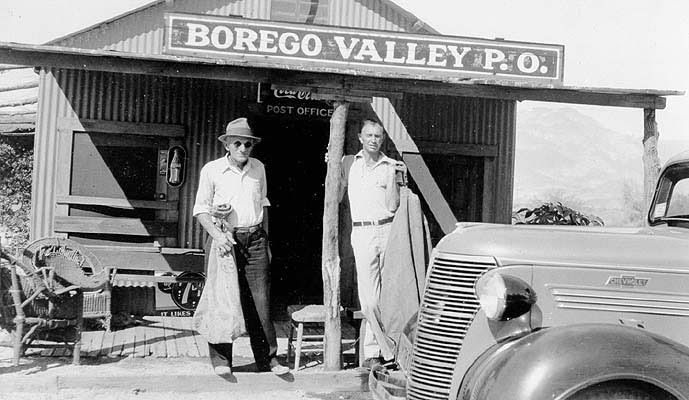
Please join the Civic Foundation for its annual Old Borego Days celebration No, Borrego is not misspelled in the title above. This is the way Borrego was spelled back in 1928, when the first post office opened in what is now called “Old Borego.” The site is located at 1580 Rango Way. Please join the Civic Foundation for its annual Old Borego Days celebration of the historic heart of the Borrego Valley on Sunday, November 8, from 1 p.m. to 3 p.m. The turnoff from Rango Way will be marked with a sign. Please note that no restrooms are available. Visitors will be able to enter the old post office and general store, originally run by Eslie Wynn, and view a fascinating video from the 1950s extolling the virtues of life in Borrego Springs. One of the first homes in Borrego Springs will also be open for public viewing, offering a nostalgic look back at life in the community’s earlier years. In addition, Borrego Springs Elementary School fourth graders, who study California history, will have their essays on display. Three students will receive awards for their writing on “Borego Now and Then.” Old Borego Days Sunday, November 8, 2026 1 p.m. – 3 p.m. 1580 Rango Way, Borrego Springs

The National Weather Service is monitoring Tropical Storm Marie, which developed near Baja California and could bring a chance of showers to San Diego County over Labor Day weekend.
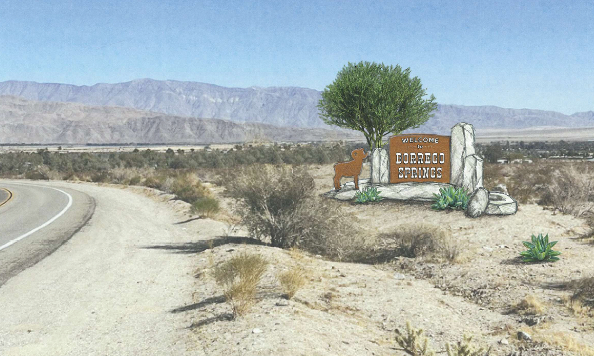
New sign by artist John Richen is planned for installation soon!