By by Michael Plekon
•
February 1, 2026
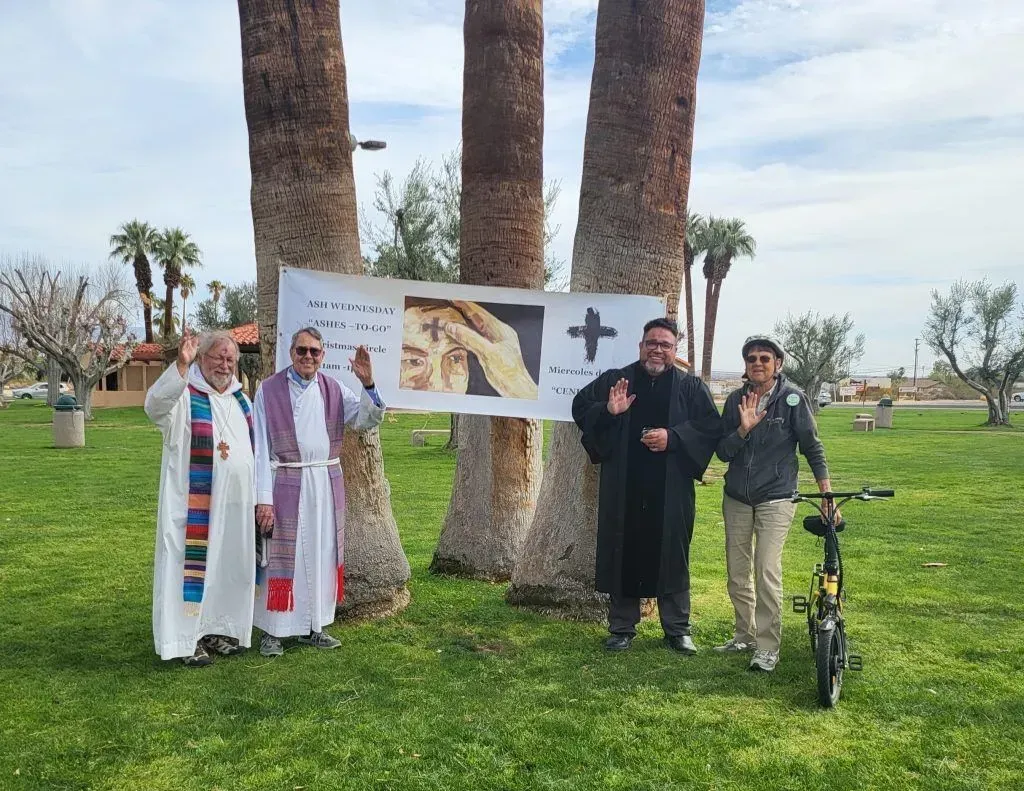
by Michael Plekon Every year, Christians move through the months with different seasons and festivals. The Christmas-Epiphany season is just finishing, and before that, in December, was Advent, is a time of preparation and anticipation of the Christmas feast of Jesus’ birth in Bethlehem. This year, on Ash Wednesday, February 18, Christians will start the season of Lent, a forty-day period of prayer and good works. It leads up to Holy Week, when Jesus’ last supper, his trial, crucifixion, death and burial are commemorated on Maundy Thursday, Good Friday and Holy Saturday. Jesus’ resurrection is celebrated on Easter Sunday, April 5. Borrego churches and the BMA gather behind the Methodist Church for a Sunrise Service. St. Barnabas has a simple Eucharist right afterwards and a festive service at the regular 9:30am time. Why ashes? The Hebrew Bible has many references to ashes as a sign of sorrow and repentance for the evil one has done. Job places ashes on his head to acknowledge his failing in faith (42:6) Tamar also. (2 Sam. 13: 19) The entire people use ashes to express their desire to turn away from sin and back to God. (Numb. 19:9) And there are quite a few other examples. In our time there are gestures of admitting guilt and asking forgiveness, something that happens in courthouses after a trial concludes. In our families and circles of friends, at times we need to humble ourselves and ask forgiveness of those we have wronged. And accept the forgiveness of others as well. The ashes are put on a person’s forehead with the words, “Remember you are dust, and to dust you shall return.” (Gen. 3:19) Usually there are other things about which people ask for prayers—relatives who are ill, friends facing tough times with finances, work, relationships. Contrary to what some might think, ashes and Lent are anything but gloomy or self-imposed sorrow. The word “lent” comes from an Old English word for the spring slowly com ing, lencten. Yes, it connotes the lengthening of the days, more sunshine and warmth, which in years long ago meant release from cold, planting of crops, and the joy of spring and summer. Easter and its Jewish precedent, Passover/ Pesach, bears some of the same meanings—release from bondage, life triumphing over death. The encounters with folks on the Christmas Circle and in church are anything but morose, whether they drive up and stay in their vehicles or park and walk up, or line up for ashes after the BYOB music or at the afternoon service. There is joy, maybe even a lightness in their step. The clergy of Borrego will be there at The Circle in shifts starting at 8am, continuing till noon. And ashes will be available as mention, at church. In addition to taking daily prayer mor seriously, there are many things one can do in Lent. It used to be assumed that alcohol and desserts would be given up. This is fine if you so choose. Giving more for food insecurity, volunteering at food banks, even seeking out family and friends to make sure you are at peace with them—all of these are wonderful Lenten practices. Happy Lent.