November 13, 2025

Veterans Day Ceremony 2025

Share

Veterans Day Ceremony Honors Service and Sacrifice

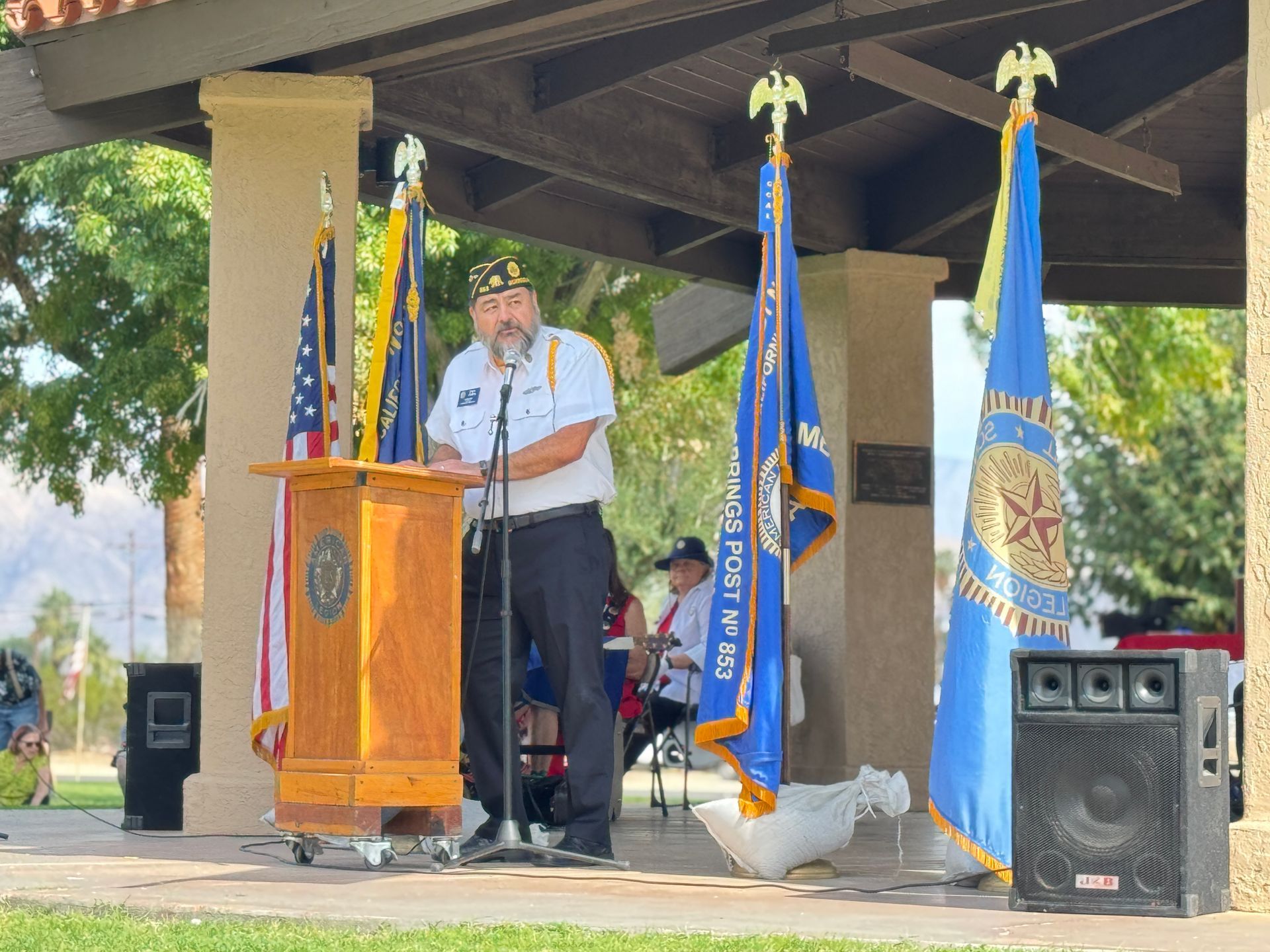
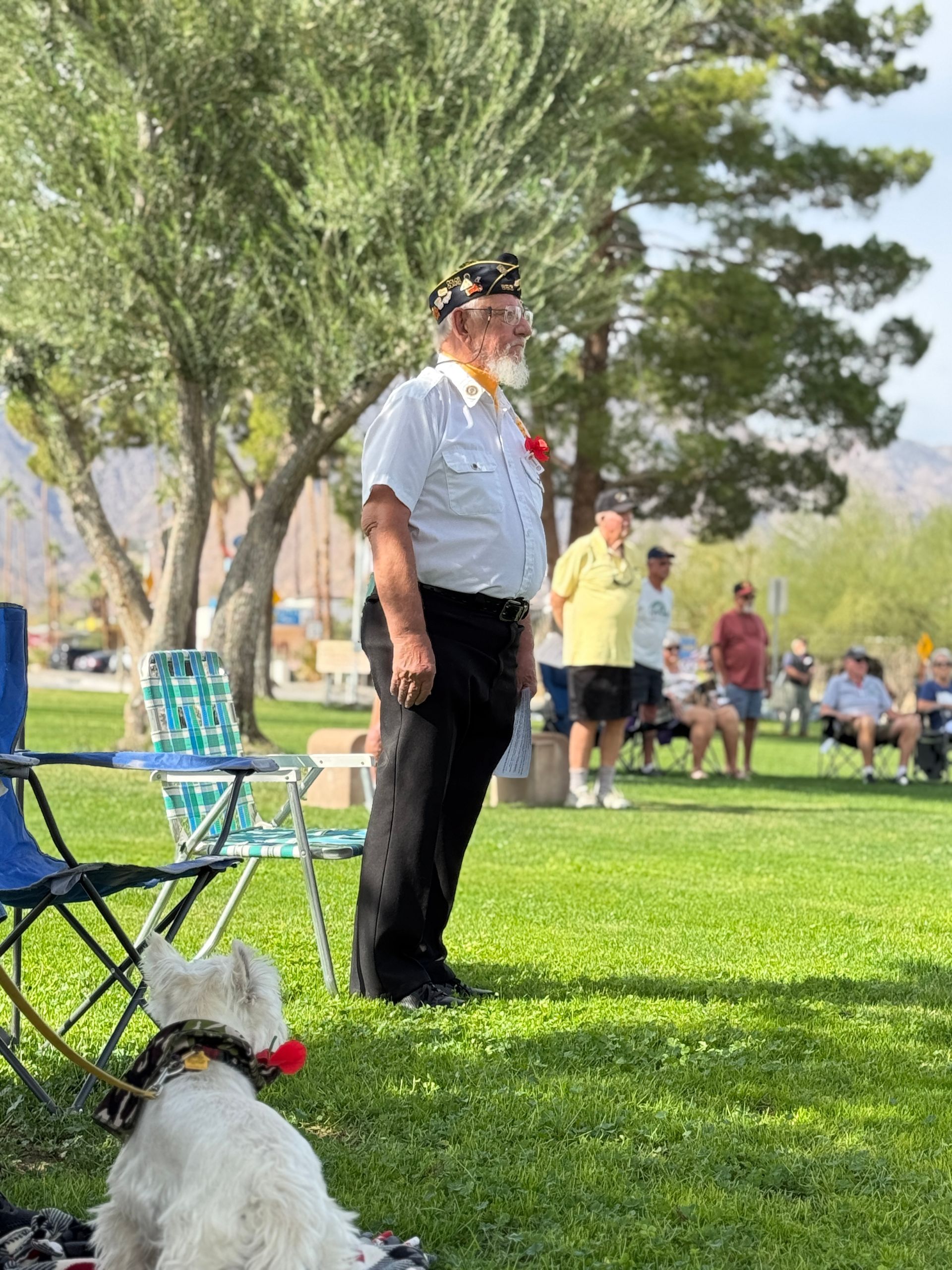
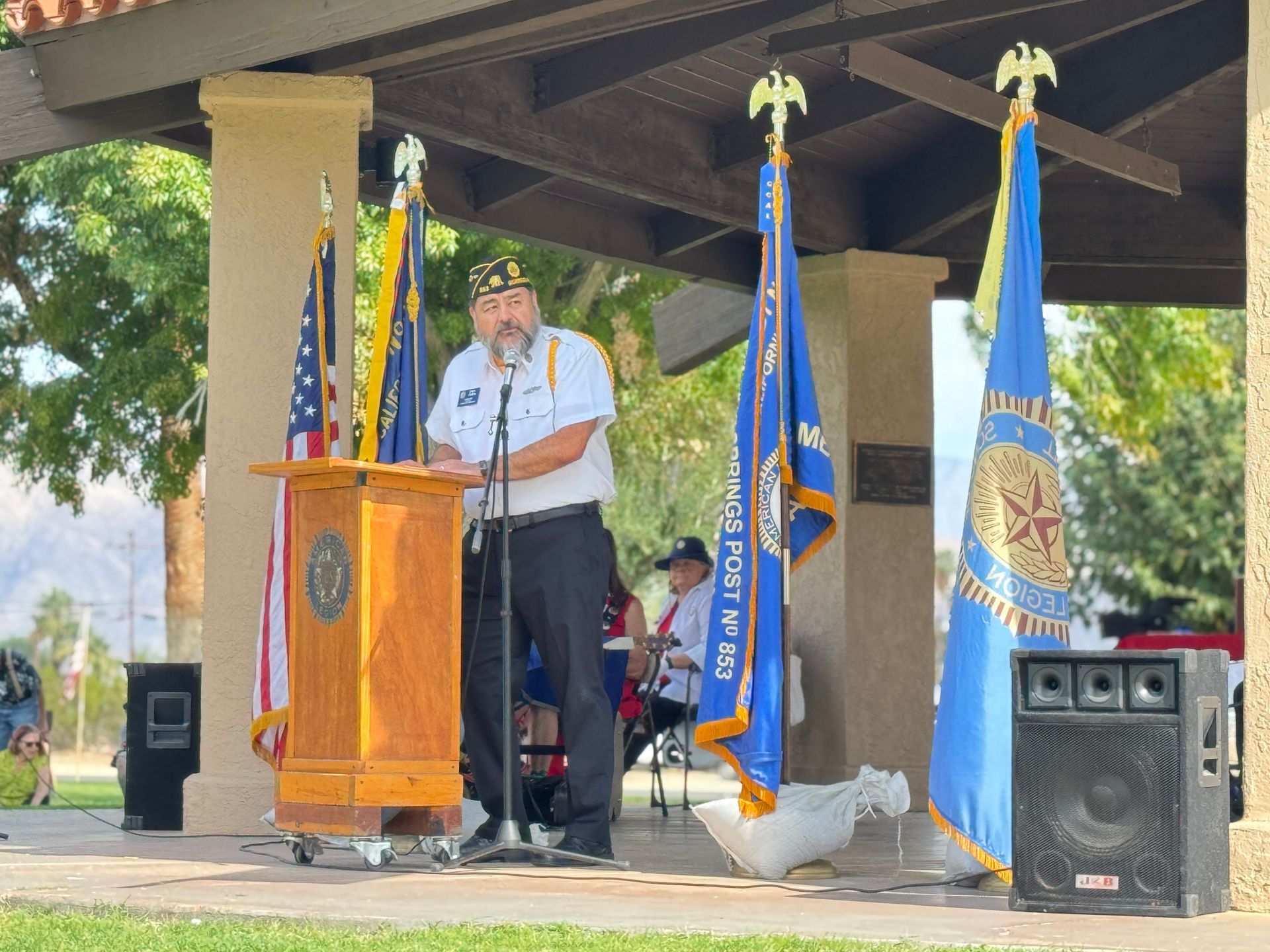
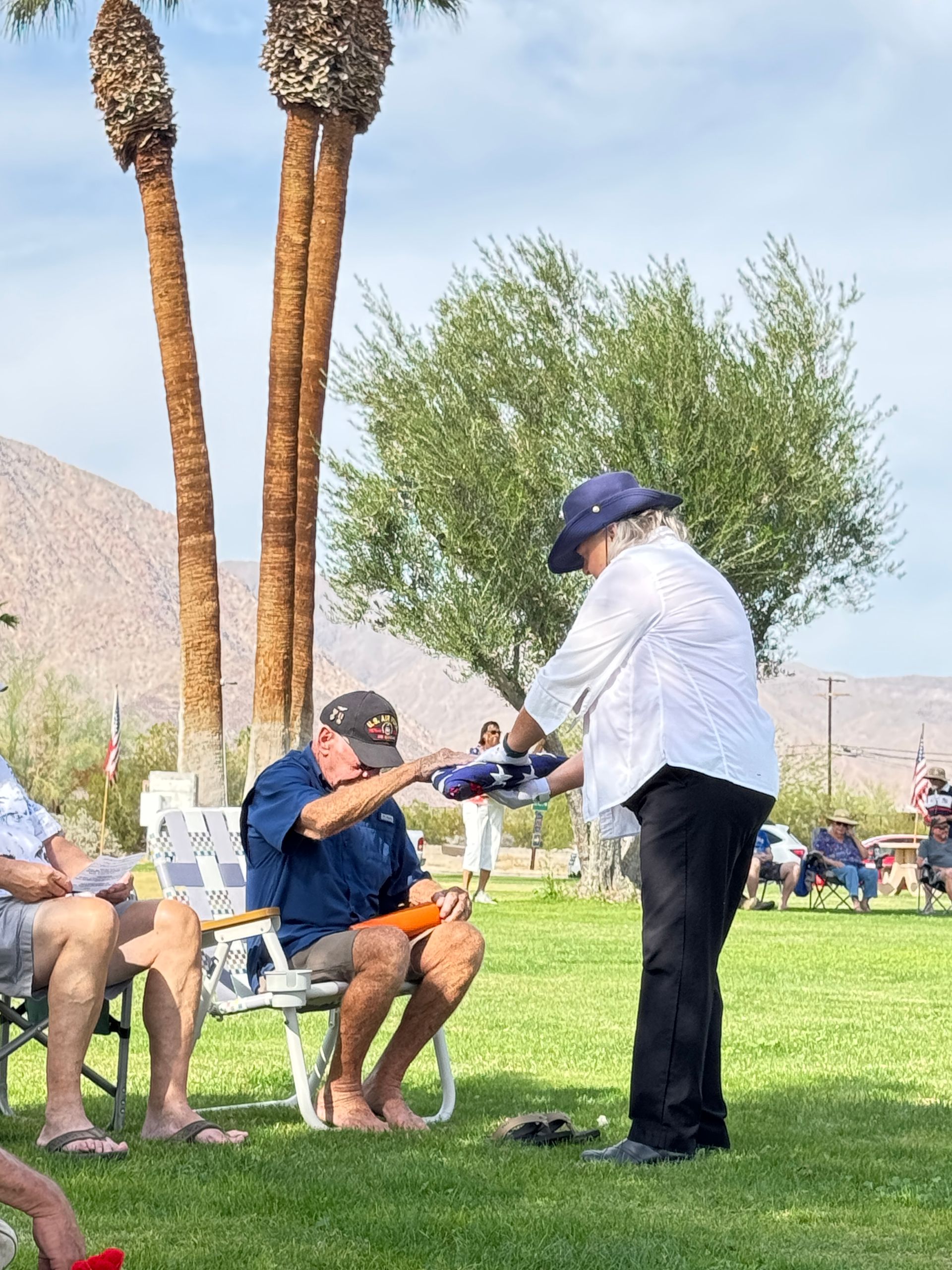
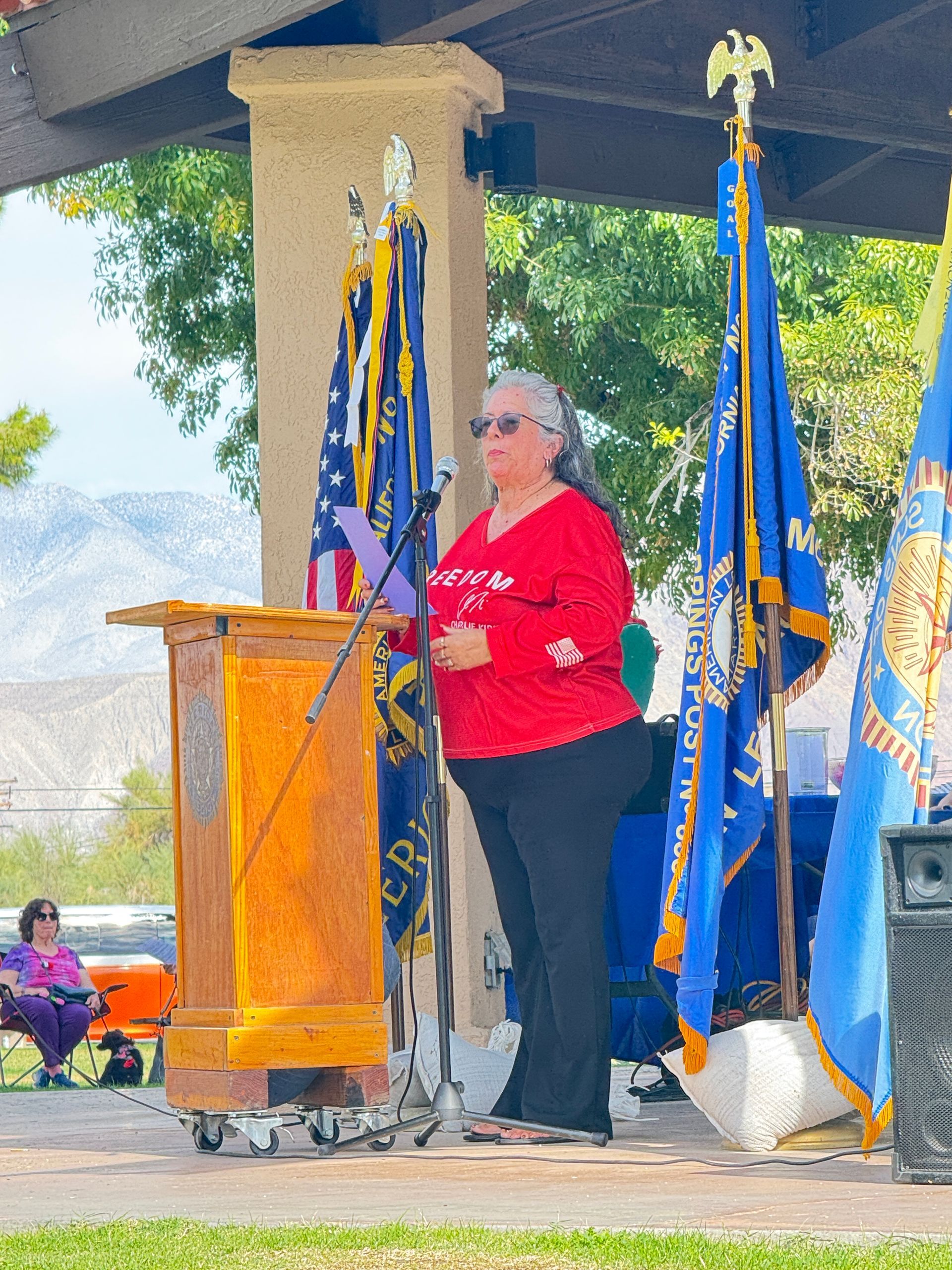
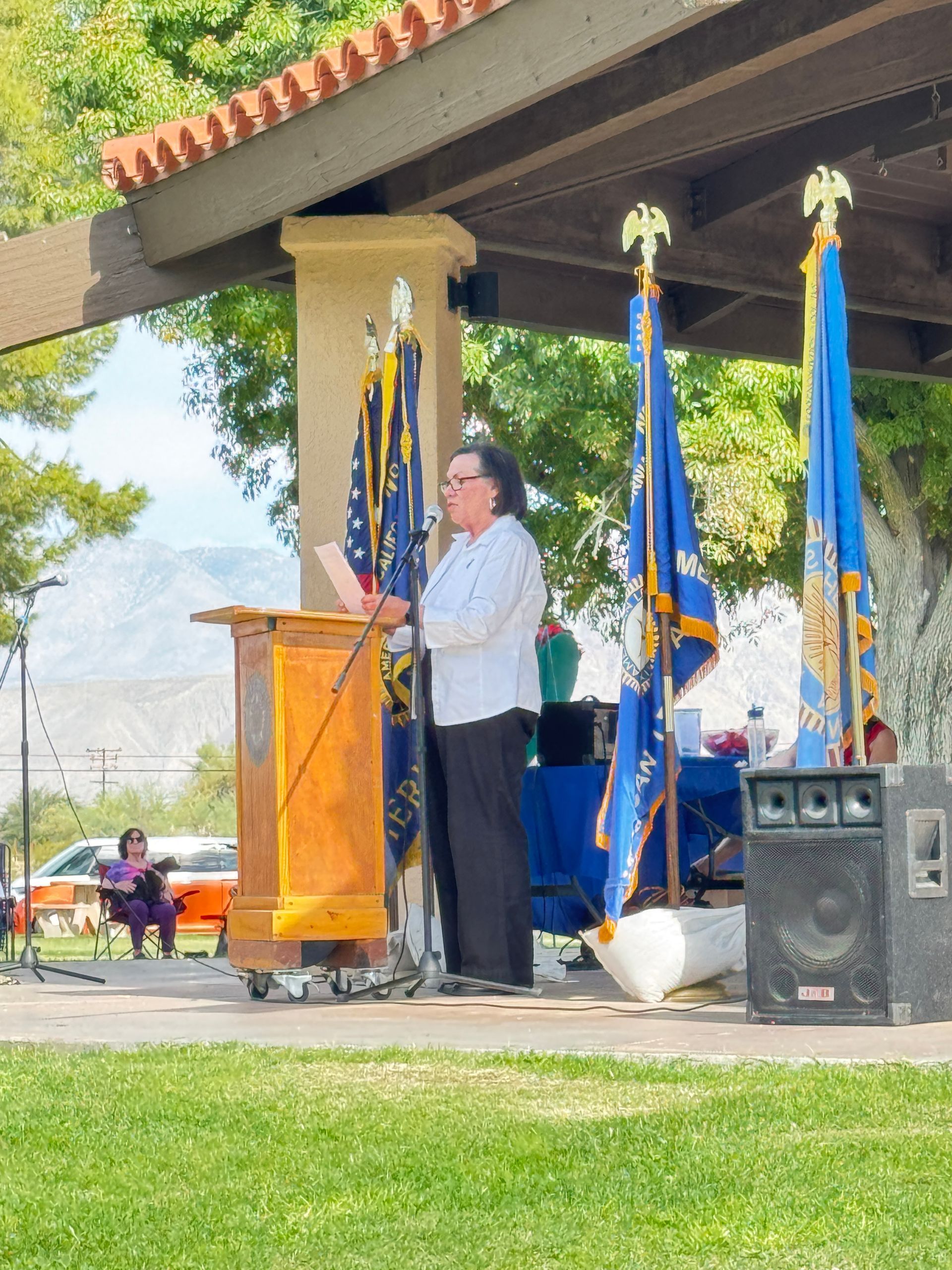
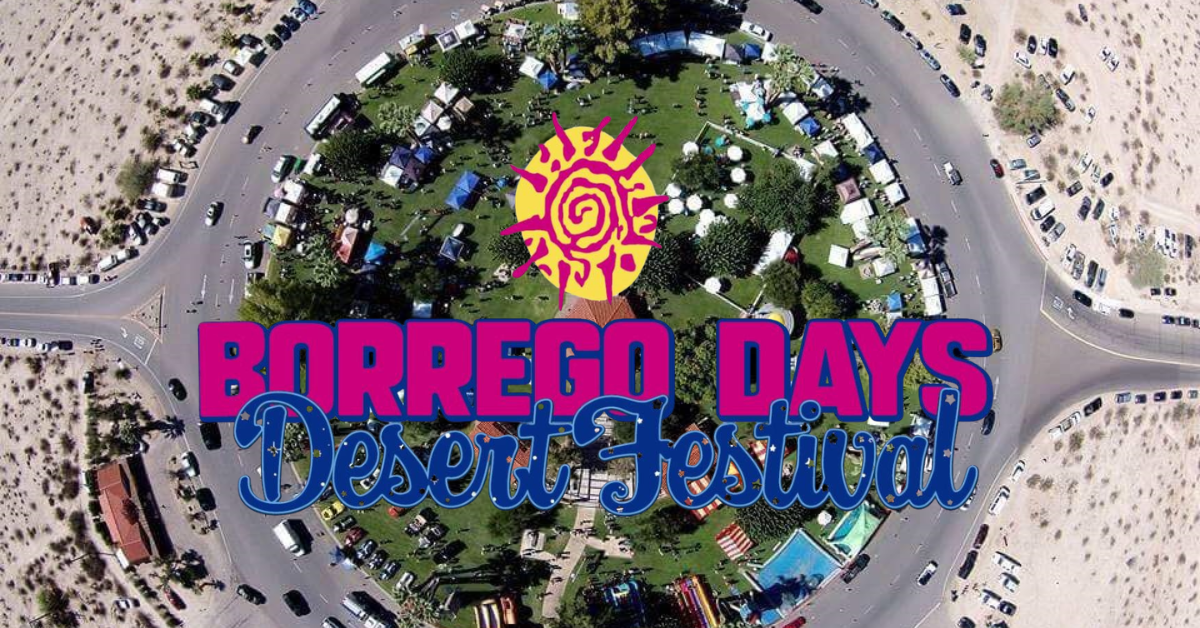
The Borrego Springs Veterans Day Ceremony took place at Christmas Circle on November 11, 2025, at 11:00 a.m., hosted by American Legion Post 853 in collaboration with the American Legion Auxiliary (ALA) and Sons of the American Legion (SAL).


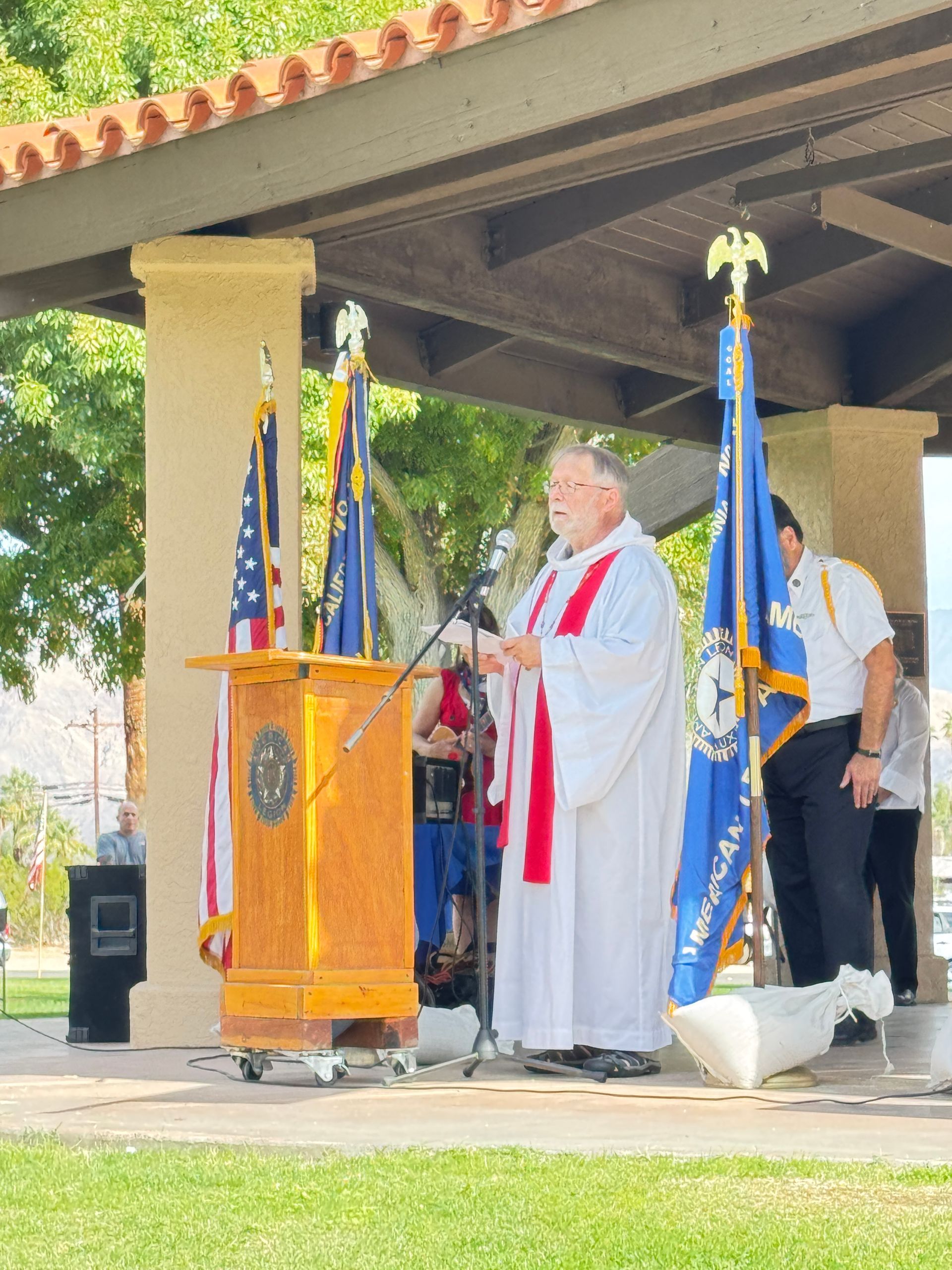
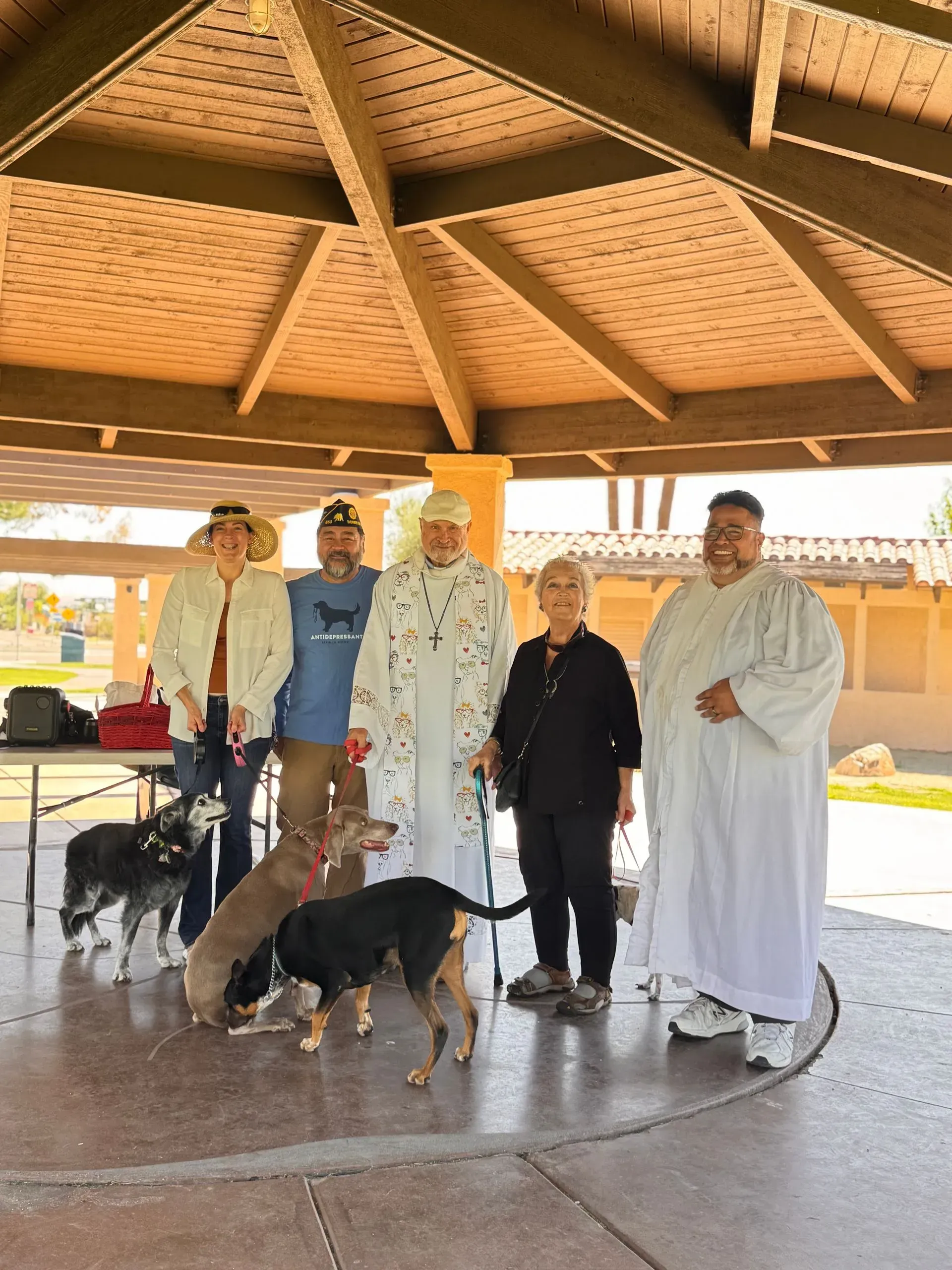
The program opened with the National Anthem performed by Judy Taylor, followed by the Pledge of Allegiance led by John Peterson, a Vietnam veteran and Gold Star family member. Fr. Michael Plekon of St. Barnabas Episcopal Church offered the Invocation, and Post Commander Dale Jones extended a formal welcome.


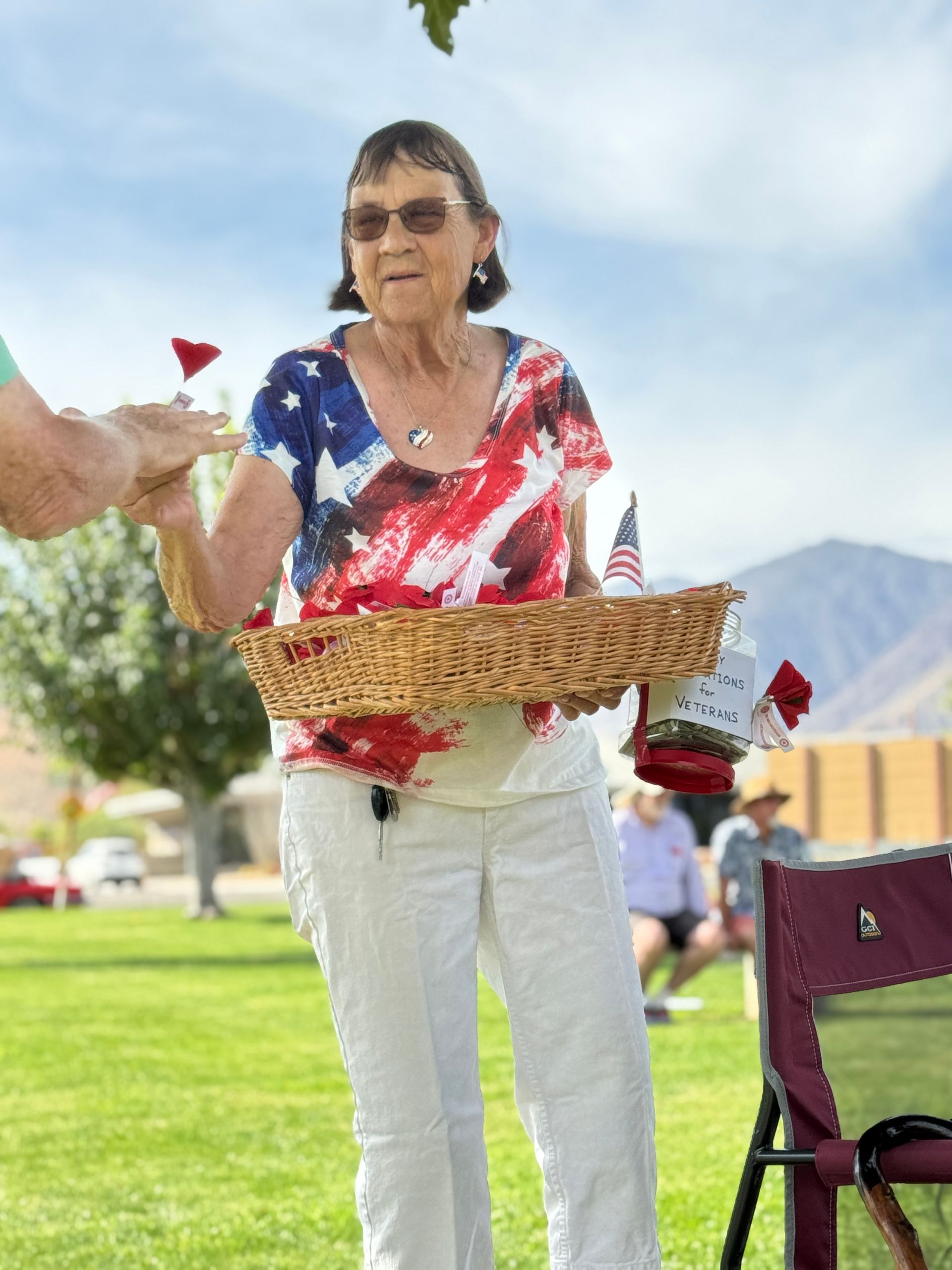
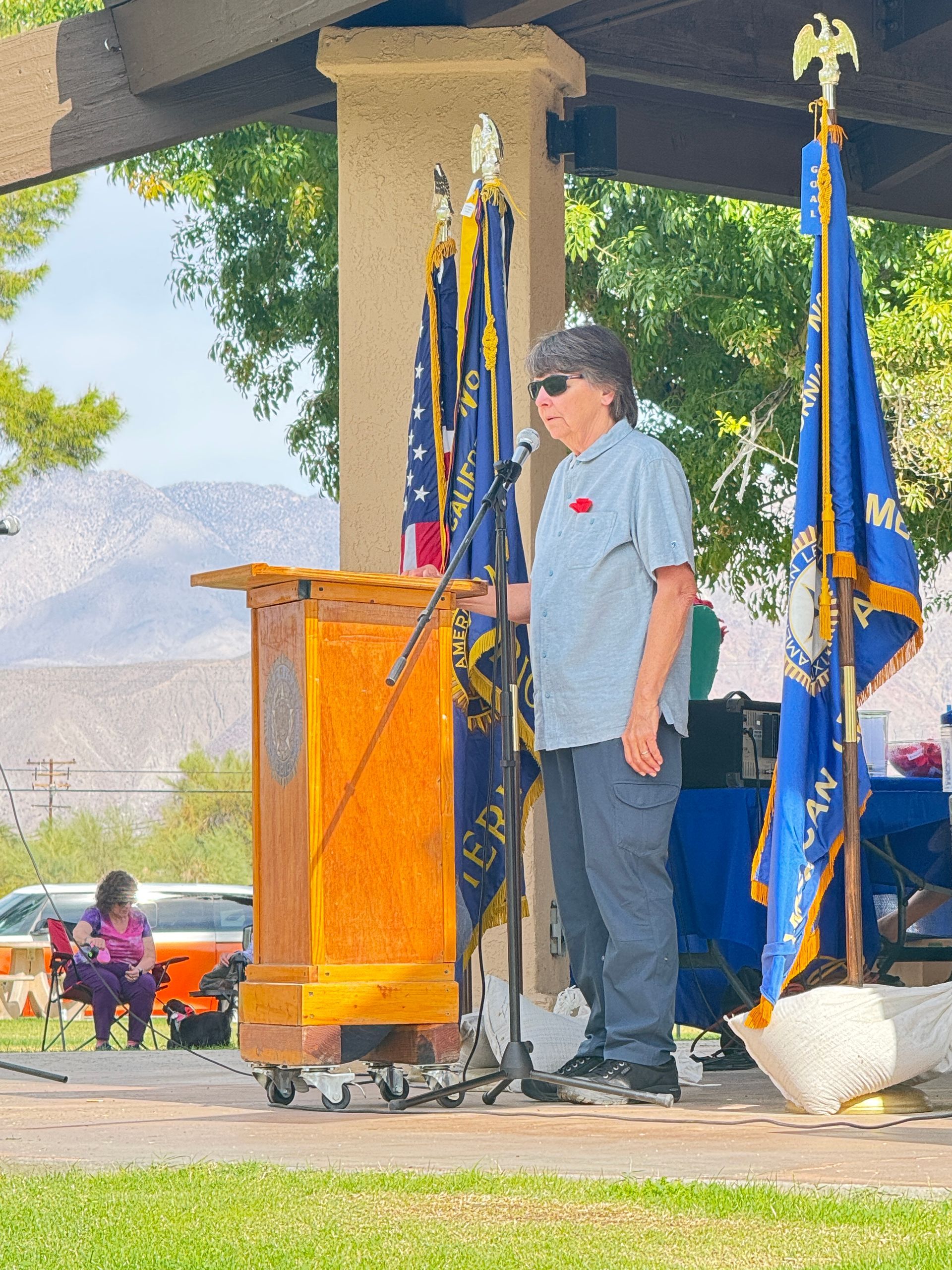
Participants included local leaders and organizations: Gina Moran of the Borrego Water District led the Walk of Honor, and ALA member Marjorie Schuessler distributed remembrance poppies. Girl Scout Troop 8171 co-leader Christina Portilla read the poem We Owe Them a Lot, and Vietnam veteran Sue Bosworth recited In Flanders Fields. American Legion Auxiliary Past President Rosa Sanchez delivered the Auxiliary address.


The Veterans Day Address was given by Fr. Michael Plekon, assistant priest at St. Barnabas Episcopal Church and co-chair of the Borrego Ministers Association, who shared the story of his father, Henry (Hrihori) Plekon, a World War II Army Engineer who landed in the first wave at Omaha Beach on D-Day and later received both the Purple Heart and Silver Star.


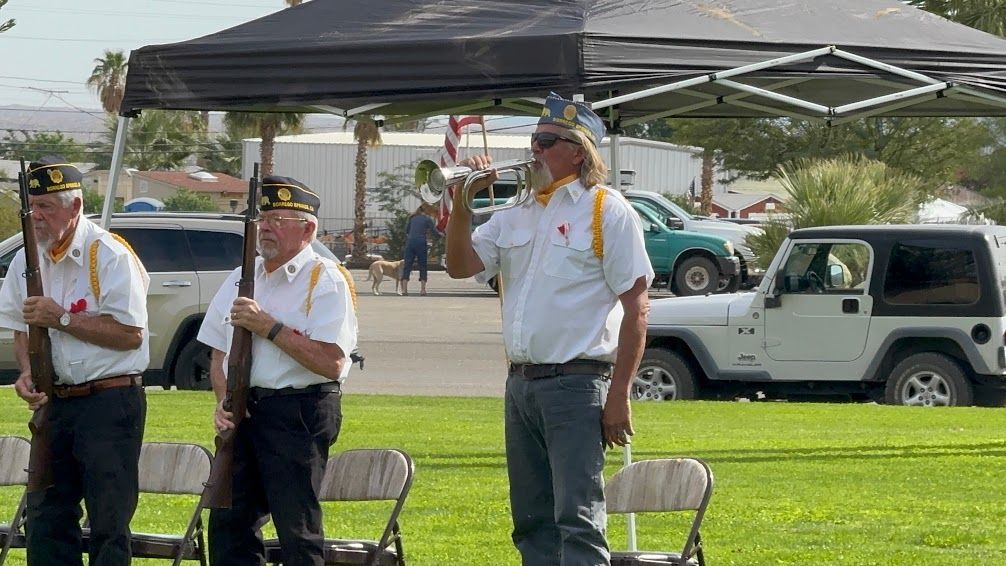
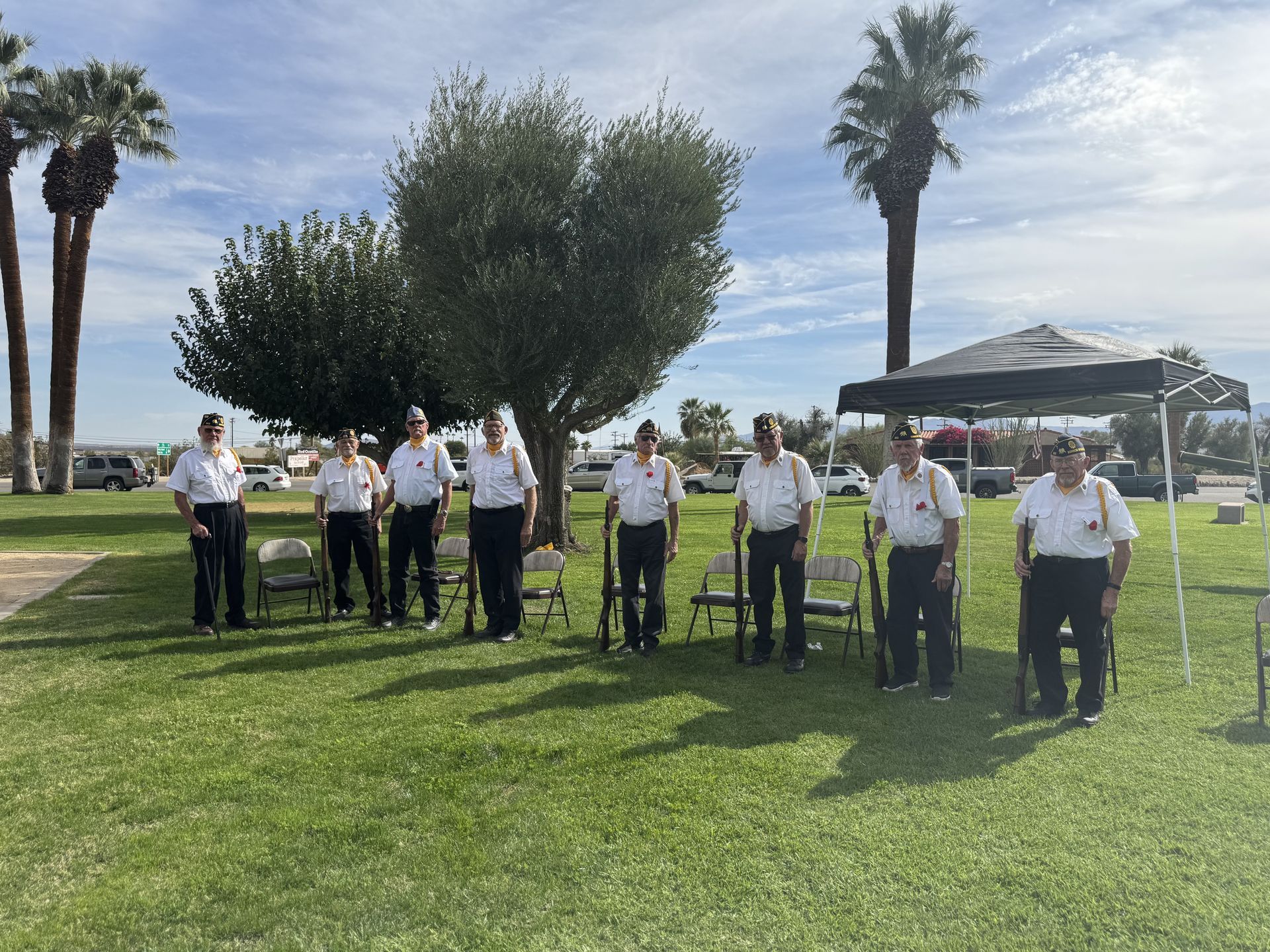
Music throughout the ceremony was performed by Judy Taylor, and the service concluded with a Benediction by Fr. David Madsen of St. Barnabas Episcopal Church, followed by a rifle salute from Post 853’s rifle team led by Paul Schuessler, and Taps played by Chris Pedersen.


After the ceremony, the community gathered at Post 853 for lunch, prepared by the Legion Family kitchen and volunteer teams. Donations from the event support veteran and local programs through The American Legion Post 853.


Learn More About Borrego Springs

May 15, 2026
There are photographers who chase spectacle, and there are photographers who quietly ask people to slow down and look more carefully. The work of Brice Weaver belongs firmly in the latter. Through film photography, remote landscapes, abandoned spaces, layered histories, and reflective atmosphere, Weaver explores ideas surrounding memory, impermanence, and the traces humanity leaves behind. His images often feel suspended somewhere between documentary observation and emotional archaeology, asking viewers not simply to look at a place, but to consider who stood there before, what remains after time passes, and how photography itself becomes evidence that something briefly existed. From trekking to Everest Base Camp carrying the cremated remains of a fallen Marine Corps brother, to diving with great white sharks in fulfillment of a childhood dream inspired by Jacques Cousteau, Weaver’s photographic journey is deeply tied to exploration, personal reflection, and the emotional relationship between people and place. We spoke with Weaver about photography, memory, travel, film, and the evolving body of work he calls Evidence. Photography & Creative Beginnings “My interest in photography really began long before I ever owned a serious camera,” Weaver says. “Growing up around Washington D.C., some of my earliest school field trips were to places like the Smithsonian and the National Gallery of Art.” Those early experiences left a lasting impression. “I still vividly remember standing in front of the massive Megalodon jaws at the Smithsonian as a kid, completely in awe, and thinking, ‘That’s what I want to do someday.’ At the time, I was obsessed with the expeditions of Jacques Cousteau and dreamed about exploring the ocean and diving with sharks myself one day.” He also recalls standing in front of paintings such as Daniel in the Lions’ Den at the National Gallery and being struck by the emotional atmosphere they carried. “At home, I would spend hours in my grandparents’ basement reading old National Geographic magazines and musty volumes of Encyclopaedia Britannica, completely fascinated by exploration, history, wildlife, and distant places.” Photography eventually entered his life during a period of uncertainty. “At the time, I was working on an ambulance and had taken time off to hike the Pacific Crest Trail. Around mile 250, an old hip injury from the Marines resurfaced badly enough that I eventually needed surgery. Suddenly I went from constantly moving and working in high-intensity environments to being laid up in bed wondering what came next.” During recovery, he reflected on the photographs he had casually taken during his travels. “People had responded well to photos I was taking on my phone and GoPro, and eventually I thought, why not actually buy a real camera and take it seriously?” What began as a creative outlet quickly became something deeper. “I realized the camera was changing the way I observed the world. I became less interested in simply documenting places and more interested in atmosphere, memory, light, and the emotional weight certain environments carry.” Exploration, Travel & Perspective For Weaver, travel has always represented more than movement. “A lot of my creative influences came less from photography specifically and more from exploration, atmosphere, and visual storytelling,” he explains. “There was always this sense of discovery, history, and wonder tied to imagery for me.” That fascination eventually took him across environments ranging from the Amazon and Peru to Nepal and Patagonia. One journey in particular remains deeply personal. “Trekking to Everest Base Camp was deeply meaningful for me,” he says. “One of my closest friends from the Marine Corps, someone I served with in Iraq and who was like a brother to me, and I used to talk about making that journey someday.” After his friend was murdered unexpectedly, Weaver decided to carry some of his cremated remains with him to Everest Base Camp. “So the trek became much more than just travel or adventure. There were moments on that mountain where I found myself thinking about friendship, mortality, memory, and how small we really are within landscapes that have existed for thousands of years.” Those experiences altered not only his worldview, but the way he approaches photography itself. “The more I’ve explored the world, the more I’ve realized how small we are within the larger scope of history, nature, and time. I think that perspective has shaped not only the way I photograph, but the way I move through life in general.” Travel, he says, has also taught him adaptability. “Travel places you into unfamiliar environments constantly, different cultures, languages, conditions, and situations where you have to learn to navigate uncertainty and trust yourself. There have been moments ranging from communication barriers in remote places to genuinely dangerous situations, including one experience in Nepal that almost resulted in me being kidnapped, which is probably a story for another day.” A Full Circle Beneath the Surface One of the most unforgettable moments of Weaver’s career came underwater at Guadalupe Island. “Growing up, I had spent countless hours fascinated by sharks, ocean exploration, and the expeditions of Jacques Cousteau ever since I was a kid standing in awe beneath the Megalodon jaws at the Smithsonian,” he says. Years later, that childhood fascination came full circle while photographing great white sharks. “One experience I’ll never forget was diving with great white sharks and photographing the image that later became known as Great Bite . What stayed with me most was the sense of respect and presence you feel underwater with an animal like that. There’s an intensity to it, but also an incredible calm. Everything becomes very quiet and focused.” The photograph would later receive international recognition and become one of his most widely known images. “Looking back, I think that photograph became meaningful to me not just because of the recognition it later received, but because it represented the realization of something that had lived in my imagination since childhood.” Atmosphere, Memory & Evidence Much of Weaver’s work focuses on subtle details, quiet environments, and traces of human presence. “What usually stops me first is light, specifically the way it interacts with a subject or environment and creates atmosphere,” he explains. “But beyond that, I’m often drawn to places because of the sense of history and human presence they carry.” He recalls sitting on a hillside overlooking the Acropolis in Greece and imagining the continuity of human experience across centuries. “I found myself thinking that I could quite literally be standing in the same place where someone like Socrates once stood thousands of years ago. Moments like that change the way you experience a landscape. It stops feeling like scenery and starts feeling connected to memory, history, and human continuity.” That fascination with traces of existence has become central to his evolving body of work. “I think I’m often responding to evidence of people more than the places themselves. When I encounter an abandoned building, a quiet landscape, or subtle traces left behind, I find myself wondering who those people were, what their lives were like, and what that place felt like in its prime.” For Weaver, photography exists in a complicated relationship with time. “Memory plays a significant role in my work because I think photography exists in this strange space between preservation and impermanence. On one hand, a photograph acts as evidence that something existed, a place, a moment, a specific atmosphere in time. But at the same time, even the things we photograph remain vulnerable to change, decay, and disappearance.” He points to his award-winning photograph Deserted Refuel as an example. “I recently went back to that location after the image had already received recognition. Part of the building had burned down, and even the graffiti on the gas station canopy had completely changed from what appears in the photograph. It was a reminder that the image had already become a document of something that no longer fully exists in the same way.” That realization helped shape the conceptual direction of his broader body of work, Evidence . “If I had to summarize my work philosophically, I think it revolves around evidence of existence and the fleeting nature of time. We are only here for an incredibly brief moment within a much larger continuum of history and existence, and photographs become small records of those moments before they disappear or change.” Film, Presence & Intentionality Although Weaver works across both film and digital formats, analog photography remains deeply important to his process. “What keeps me connected to analog film photography is the level of presence and intentionality it requires,” he says. “With film, every frame matters. When I press the shutter, I’ve consciously decided that particular moment is worth preserving.” For him, film photography changes not only the image, but the photographer. “With digital, there’s often an element of instant gratification, you can immediately review images, adjust, and continue shooting. Film removes that safety net entirely.” The uncertainty, he says, is part of the emotional connection. “With film, there’s always a degree of trust involved. So many factors exist outside your control, from how the film was stored, to lab processing, to whether airport security refuses to hand check it and sends it through scanners. You don’t fully know what you captured until much later.” Oddly enough, that unpredictability has become part of the appeal. “Getting scans back from a roll of film almost feels like opening a Christmas present because there’s still an element of discovery involved. Sometimes imperfections or unexpected moments become part of what gives the image character and emotional weight.” Recognition & Creative Growth Recognition arrived relatively quickly after Weaver first picked up a camera. “Not long after buying my first DSLR, I was already being published in places like Backpacker Magazine, and then receiving recognition such as the International Photography Awards Honorable Mention for Great Bite in 2019.” One moment still stands out vividly. “I remember attending the IPA gala in New York City wearing a black tie tuxedo and suddenly finding myself standing next to Annie Leibovitz. It was one of those moments where I had to pause and think about how unexpected the entire journey had been.” Despite the accolades, Weaver says recognition has not fundamentally changed his creative direction. “I still create the work I feel personally drawn to and photograph environments the way I naturally see and experience them. I think if you start chasing recognition too heavily, it can pull you away from authenticity and toward trying to predict what other people want to see.” The greater challenge, he says, has been visibility. “One of the biggest challenges in growing as a photographer has been simply being seen in an environment where attention moves incredibly fast. Social media algorithms tend to reward constant output, speed, and short attention spans, while a lot of the work I’m interested in creating is slower, more reflective, and asks people to spend time with an image.” Reflection & What Comes Next When asked what he hopes viewers experience through his work, Weaver’s answer is simple. “Curiosity and reflection.” “I’m more interested in creating images that invite people to slow down, look more carefully, and spend time thinking about what they’re seeing.” As for inspiration, he still returns to the same sources that shaped him early on. “I think staying creatively inspired starts with staying true to yourself and remaining curious about the world around you. For me, inspiration often comes less from social media and more from physically experiencing places, museums, galleries, history, travel, and simply paying attention.” And his advice to younger photographers? “Don’t become overly consumed with gear or the idea that equipment alone creates meaningful work. Far more important is developing your eye, learning how to observe, recognize atmosphere and emotion, and tell a story through an image.” Looking ahead, Weaver is preparing for the next chapter of his creative journey. “Right now, one of the things I’m most looking forward to is attending Les Rencontres d’Arles in France. It’s an opportunity to immerse myself in a space centered around photography, conversation, and creative exchange at an international level.” He also plans to continue expanding Evidence , the interconnected body of work exploring memory, atmosphere, and human presence through film photography. “I’m increasingly interested in creating work that feels interconnected conceptually rather than just individual images,” he says. And perhaps no place reflects those ideas more naturally than the desert community he now calls home. “What I love about Borrego Springs is the silence, the space, the light, and the sense of time that exists there. It’s an environment that constantly reminds you how temporary we are compared to the landscapes around us. I think that perspective inevitably finds its way into my work.” Learn more about Brice Weaver here: briceweaverphotography.com
May 14, 2026
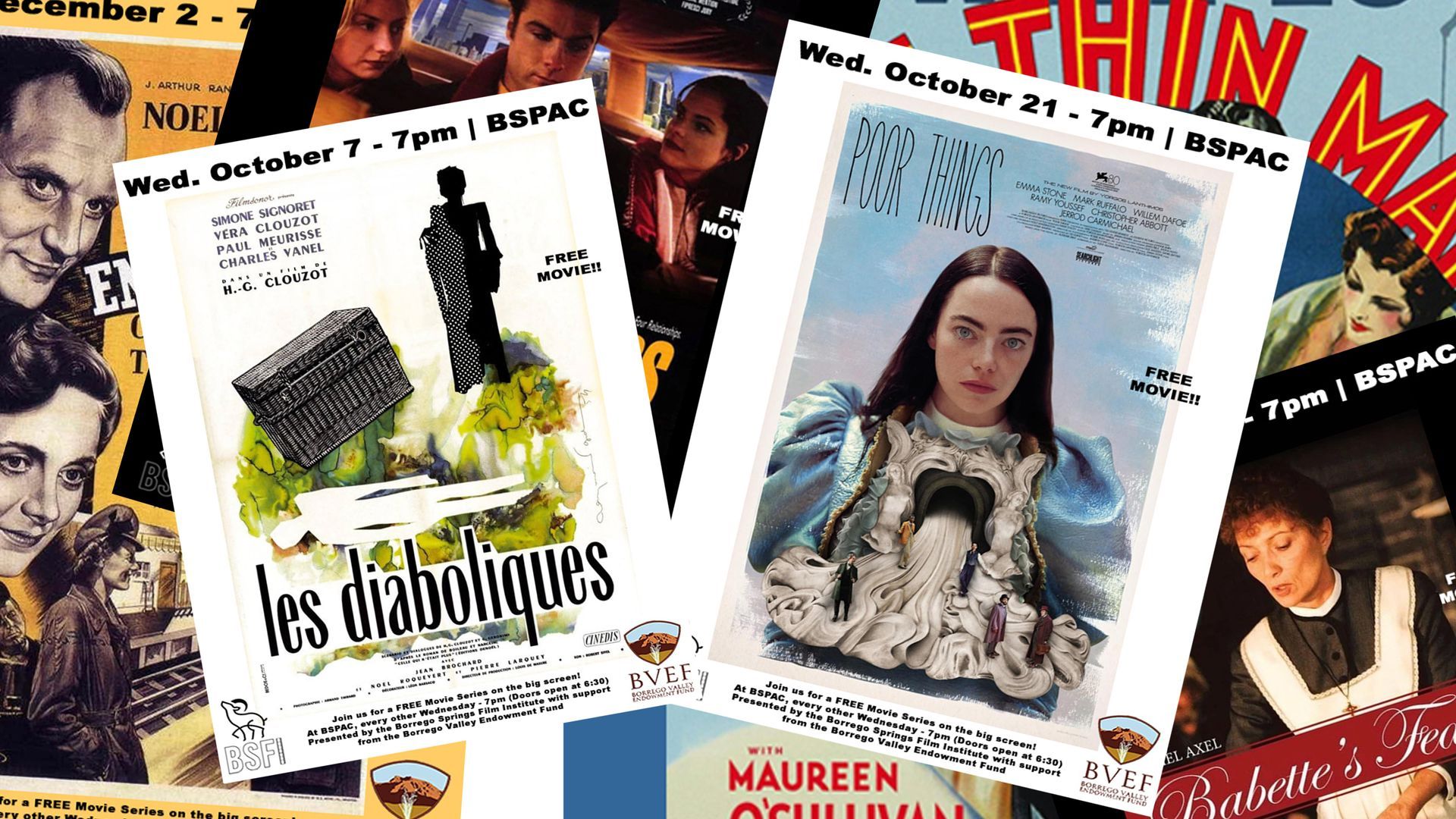
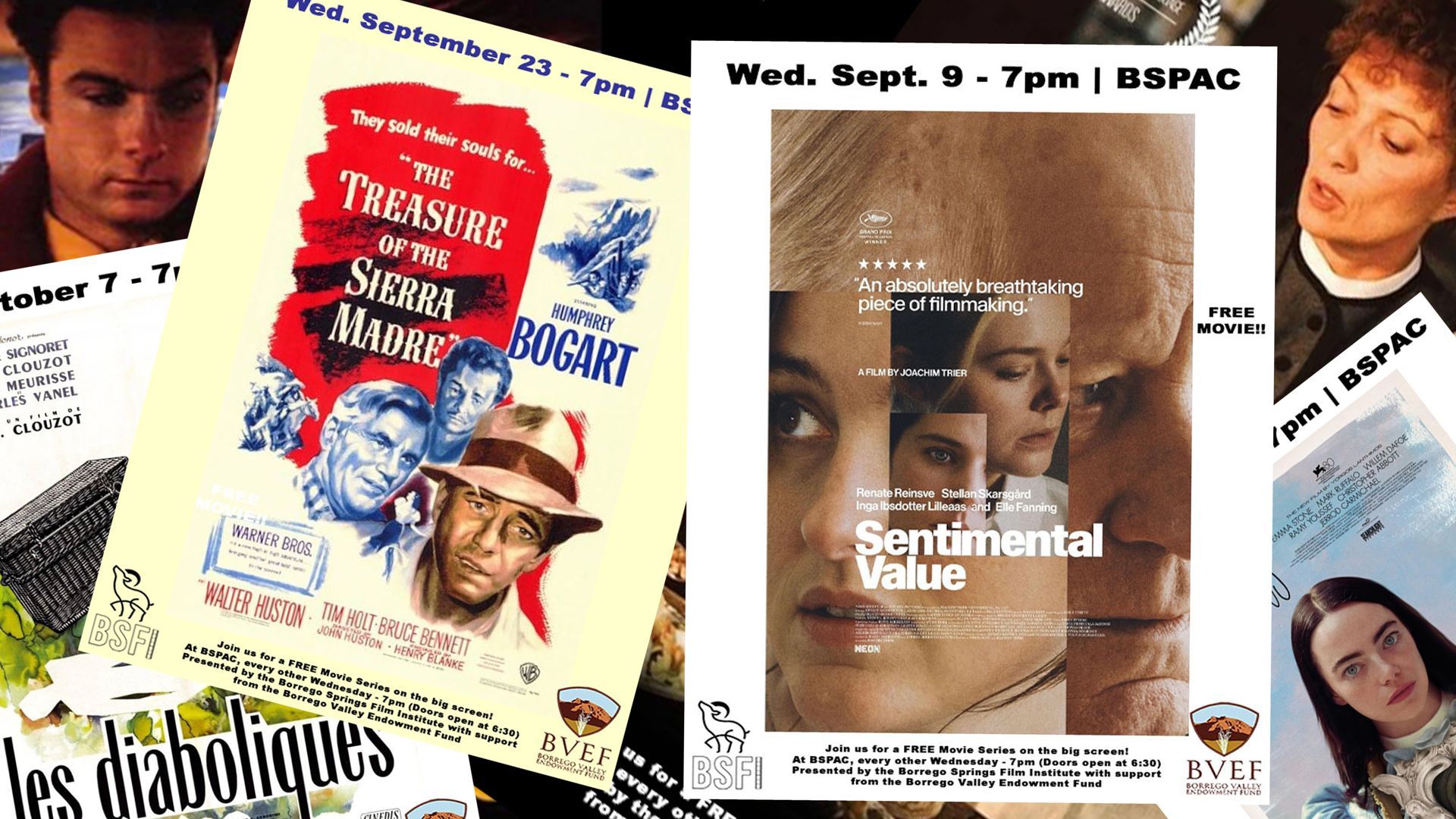
The Borrego Springs Film Institute presents Mother at BSPAC on Wednesday, May 20 at 7:00 PM as part of the free 2026 Film Series. Borrego Springs Performing Arts Center 590 Palm Canyon Drive, ​Borrego Springs, CA, 92004 Written, directed by, and starring Albert Brooks, Mother is a sharp comedy-drama about John Henderson, a twice-divorced sci-fi novelist who moves back in with his mother, Beatrice, played by Debbie Reynolds, hoping to understand where his life went wrong. As old tensions resurface, John discovers that his mother once had writing ambitions of her own — ambitions shaped and limited by marriage, family expectations, and the era in which she lived. The result is a funny, uncomfortable, and surprisingly tender look at family, resentment, creativity, and the stories people never get to tell. Co-written by Brooks and Monica Johnson, the film also features Rob Morrow, Lisa Kudrow, and John C. McGinley. Reynolds’ performance marked her first starring film role in 27 years and earned wide praise. All BSFI 2026 Film Series presentations are free community screenings, underwritten by the Borrego Valley Endowment Fund. Learn More About Borrego Springs
By Andrea McKenna May 14, 2026
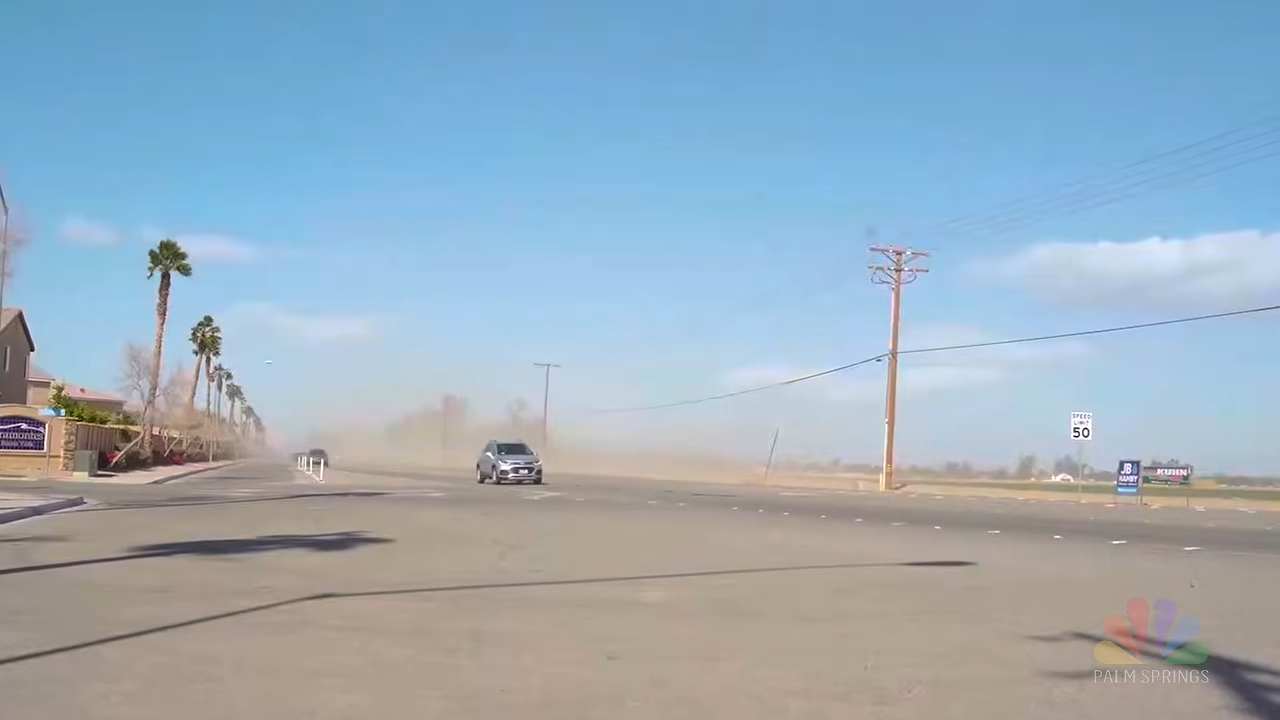
Borrego Bob’s weather station data has helped track conditions in Borrego Springs for years through BoblandUSA.com.
May 14, 2026
California’s Primary Election will be held Tuesday, June 2, 2026. The last day to register to vote and receive a ballot by mail is May 18. All active registered voters in California will receive a ballot for the Primary Election. County elections officials began mailing ballots May 4, and secure ballot drop-off locations opened May 5. Voters may return ballots by mail, at a secure ballot drop-off location, or at a county elections office. Early in-person voting begins May 23 in Voter’s Choice Act counties, and in-person early voting locations throughout California will be open Saturday, May 30. June 2 is the final day to vote in person or return a ballot by 8 p.m. Polls are open from 7 a.m. to 8 p.m. Vote-by-mail ballots must be postmarked no later than Election Day. Learn More About Borrego Springs
By Rossy Sanchez May 14, 2026
A desert sanctuary for women’s wellness, healing, connection, and personal renewal. More than a wellness center or spa where women can go for temporary self-care, Yellow Woman Ranch (YWR) is a sanctuary where women can get in touch with who they truly are and heal from anything that’s come before as they look to reach their full potential--at whatever age. Our focus is on holistic wellness. To that end, we offer a wide range of practices, classes, and events that help integrate body, mind, and spirit. Our menu of offerings is varied and always growing: meditation, tai chi, sound healing, biofield tuning, acupuncture, Tui Na massage, reiki, and kundalini yoga, to name a few. We also partner with medical professionals who are available for consultations, specifically in naturopathic medicine and pelvic, digestive, and women’s health. YWR is a magical place to just come and be, to quiet the mind, to find solace, to connect with nature, with yourself and others and we love to share it with couples, groups, or anyone looking to rent it for a special occasion: a retreat, corporate event or team building, birthday party, wedding–you name it. It is an enchanted space that lends itself to countless options and comes with several unique lodging selections, as well. Most recently we launched Experiences – a custom combination of wellness practices, outdoor activities, and specialty social events that can be tailored to meet the needs of a single couple or a large group. For more information, please email rossy@yellowwomanranch.com or call/text 760-399-7159. 
By Jim Dion May 13, 2026
Borrego Springs, CA, May 2nd, 2026 by Jim Dion The Borrego Springs High School Interpretation Course and Internship Program is an innovative Career Technical Education (CTE) initiative that prepares students for careers in hospitality, public service, and environmental interpretation. Launched in the 2019–2020 school year, the program integrates classroom instruction, industry-recognized certification, and hands-on internships. It is implemented through the Borrego Springs Unified School District and aligned with its Hospitality CTE pathway. Students in isolated communities such as ours often face limited access to career exploration opportunities, professional certifications, and paid work-based learning experiences. This program addresses those gaps by providing structured pathways into local and regional employment sectors, particularly within public lands management, tourism, and community-based organizations. The program is a two-year sequence: Year 1: Certification and Coursework Students complete an in-class, for-credit course culminating in interpretive guide and host certification through the National Association for Interpretation. Participants also earn Emergency First Aid and CPR certification through American CPR Training. Year 2: Paid Internship Experience Students who successfully complete Year 1 transition into internships conducted in partnership with Anza-Borrego Desert State Park. Interns rotate through operational units, gaining exposure to park management, visitor services, and interpretive programming. Additional placements include the Borrego Water District, Anza-Borrego Foundation, and Borrego Art Institute. Goals and Objectives of the Program Provide students with industry-recognized certifications and workforce-ready skills Expand access to paid, career-aligned internship opportunities Increase awareness of careers in public lands, hospitality, and local government Strengthen partnerships between schools, public agencies, and community organizations Outcomes and Impact By the end of the 2025–2026 school year, 75 students will have completed the certification and internship program Students gain hands-on experience, professional mentorship, and exposure to career pathways The program has demonstrated sustained student interest and strong community support Funding and Sustainability The Borrego Village Association recently secured a grant from Parks California, securing funding through the 2028 school year. This funding enables the program to provide paid internship opportunities, ensuring equitable access for all students. Additional support is, and has been since 2018, provided by the San Diego County Board of Supervisors, Borrego Springs Rotary Foundation, Borrego Springs Education Foundation, and the Borrego Valley Endowment Fund. Program Leadership and Partnerships The program is led by local educator Stacy Valdez and supported by district leadership and community partners, including California State Parks. We greatly appreciate California State Parks - Colorado Desert District Supervisor, Ray Lennox for his dedication to making this program a success and making available his staff and resources, to support the youth of our community. These collaborations ensure high-quality instruction, mentorship, and real-world learning experiences. An Opportunity for Students! Due to demonstrated success, the program will continue into the 2026–2027 academic year, expanding to serve new cohorts of sophomores, juniors, and seniors. If you are a student at Borrego Springs High School that is interested in participating in this two year CTE, for credit course elective, please contact Borrego Springs Hogh School Principal Victoria Baay.
Share This Post