June 16, 2023

The Importance of Standing Trees in Anza Borrego State Park

Share
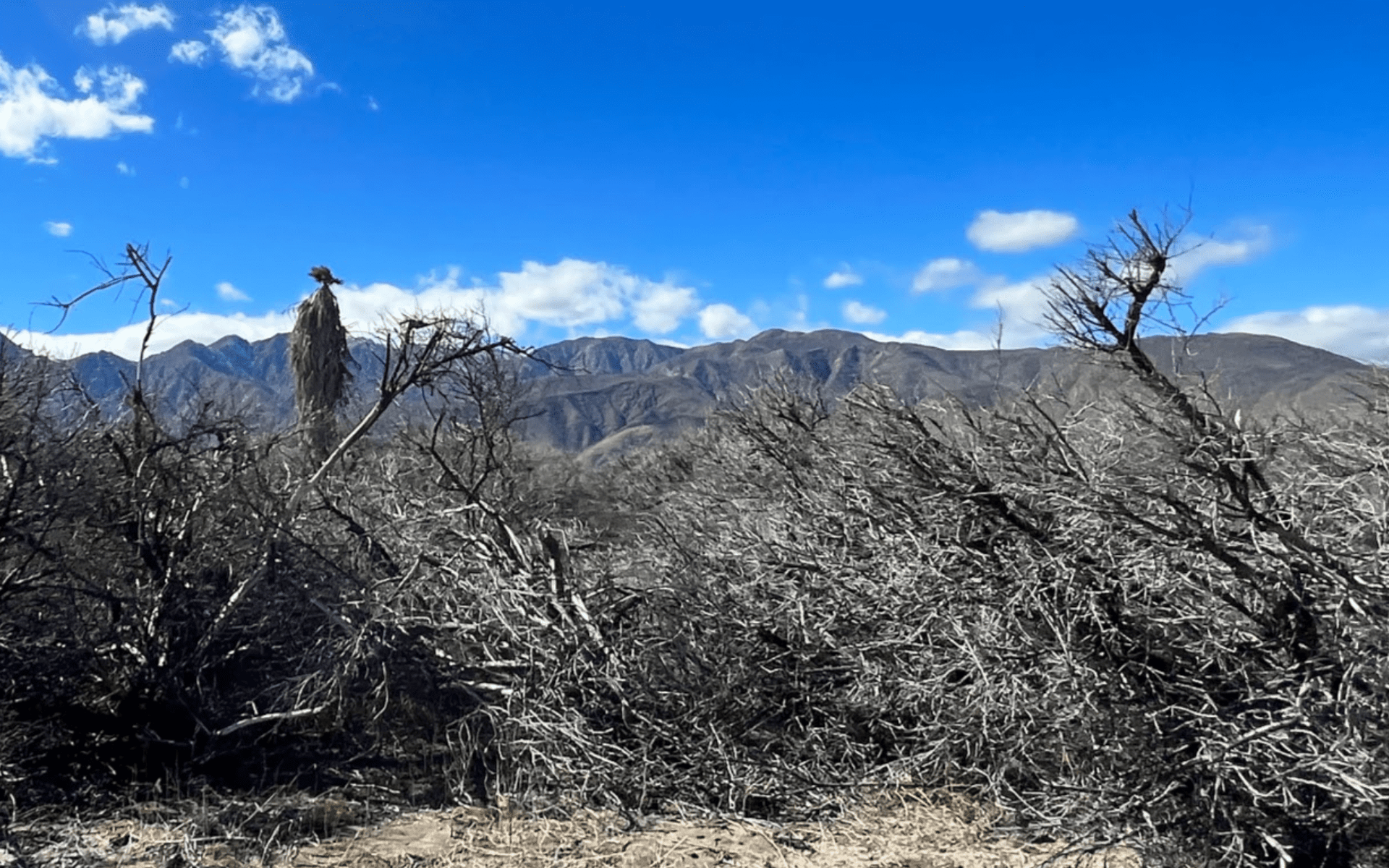
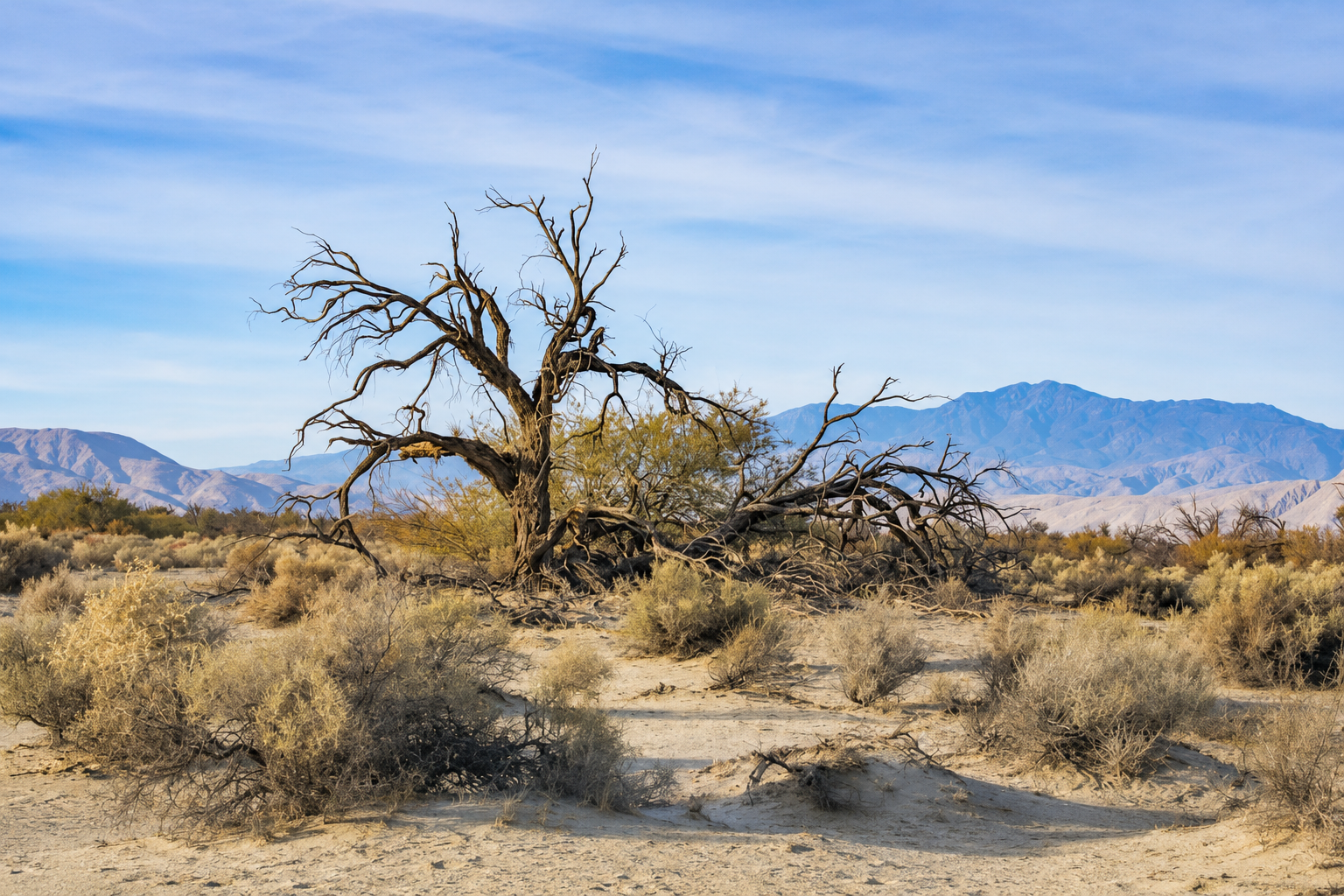
Anza Borrego State Park, a remarkable natural reserve in Southern California, presents a fascinating study in desert ecology and wildfire management. Its diverse range of wildlife and plant life, including the iconic desert bighorn sheep and standing dead trees, makes it a vital ecological habitat.


The Vital Role of Standing Trees in Anza Borrego


A Natural Haven for Wildlife


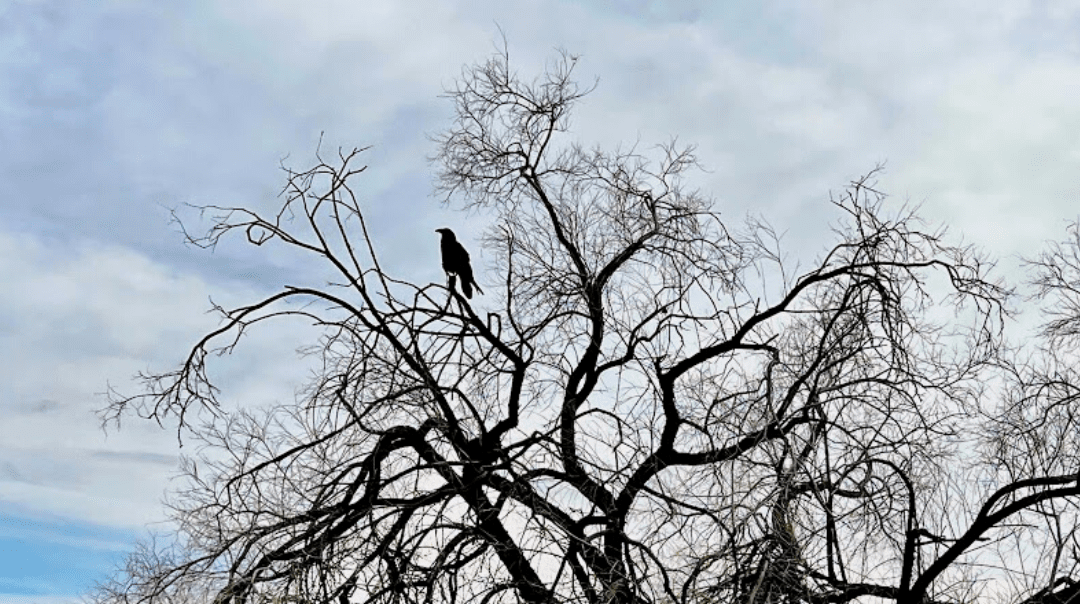
The standing dead trees, or snags, of Anza Borrego State Park are more than just remnants of the past. They form an integral part of the park's ecosystem. These trees provide essential habitats for various species, including birds and small mammals. They offer nesting sites, shelter, and perches, playing a critical role in maintaining the park's biodiversity.


Decay Classes and Ecosystem Health


Standing dead trees undergo a natural decay process, contributing to the forest's ecological balance. The decay stages, from losing bark and twigs to becoming more susceptible to windthrow, represent a cycle of life that supports numerous species and contributes to the forest's structural diversity.

Low Wildfire Risk in Anza Borrego State Park


A Desert Landscape Resistant to Wildfires


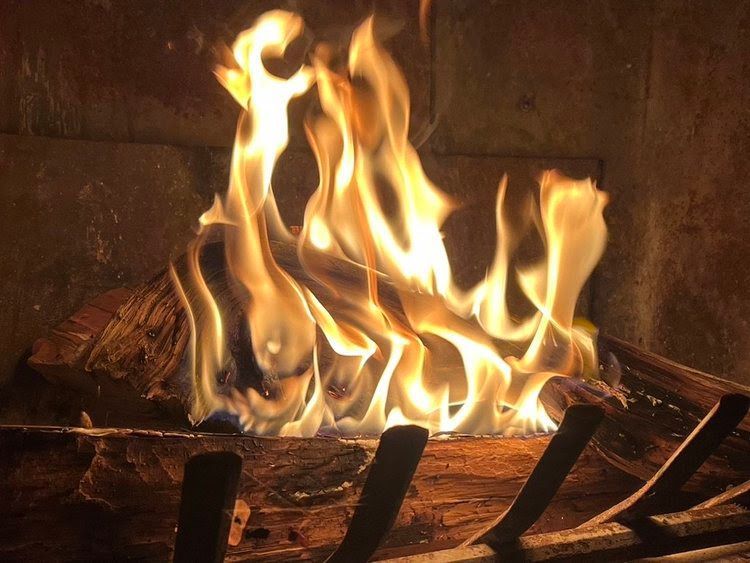
Unlike many other parts of California, Anza Borrego's desert environment, characterized by sparse vegetation, significantly reduces the risk of large-scale wildfires. This lower density of flammable material, coupled with the park's proactive fire management strategies, such as fuel reduction and controlled burns, keeps the wildfire threat at bay.


CAL FIRE's Low Fire Danger Rating


Anza Borrego falls in a low-risk zone according to CAL FIRE's wildfire danger rating system. This system, which evaluates factors like temperature, humidity, and wind, indicates a lower propensity for wildfires in the park compared to more densely vegetated areas of California.


Safe and Sustainable Wildfire Management


Anza Borrego's effective fire management program is key to maintaining its ecological balance and ensuring visitor safety. Regularly conducted controlled burns and debris management help minimize the impact of potential wildfires, making the park a safe destination for nature enthusiasts.


Conclusion: Anza Borrego's Environmental Significance


Anza Borrego State Park stands out as an exceptional example of desert ecosystem management. Its standing dead trees are not just a unique landscape feature but a crucial element of the habitat, while the park's effective wildfire management strategies ensure a safe environment for both wildlife and visitors.

By Fr Plekon March 16, 2026
by Fr. Michael Plekon All Christians see the days before Jesus’ death, burial and being raised as a holy week. Much of the liturgy we have for it, especially the last Three Days, comes from observances in Jerusalem recorded by a Spanish nun, Egeria, in the 300s. Still today, the processions on Palm Sunday and later after Good Friday are carried out by Christians of diverse church backgrounds in the Holy City. For some, Palm Sunday’s cries of “Hosanna” float over to the “Hallelujahs” of Easter Sunday. So much is missed if one does not come to the services during the week. Indeed, it is a lot to go to church not once but three more times in a week, but those who do come away with a deepened sense of what we celebrate around Easter every year.
March 15, 2026
Local comedy returns to BSPAC Borrego Laughs Again returns to the Borrego Springs Performing Arts Center for three performances on March 20 and 21 at 7 p.m. and March 22 at 3 p.m., 2026. This BSPAC production features local talent, making it a fun chance to see Borrego Springs performers on stage. Events like this are part of what keeps live entertainment active in Borrego Springs and gives the community something special to support. Tickets are expected to go quickly, so it is a good idea to buy early at bspac.org.  Learn More About Borrego Springs
March 6, 2026
By Dennis Mammana Week of March 8-14, 2026 If you hear the word "superstar," what immediately comes to mind? Perhaps names like Tom Hanks, Taylor Swift or LeBron James? That's certainly understandable; they are all undisputed superstars who attract the attention of paparazzi and fans alike. If you're an astronomer, however, you may answer this question differently. For example, when I hear the word "superstar," I think of UY Scuti, WOH G64 or RSGC1-F01. Yes, these are superstars, but not quite how people may think. These are some of the largest stars known in our galaxy and, for that reason, are quite intriguing to us celestial paparazzi. Regular readers of this column know that our sun is also a star. It appears big and bright in our daytime sky because not only is it rather close (about 93 million miles away), it's also pretty large (nearly a million miles across). It sounds huge, but our star is rather small on a cosmic scale, and believe it or not, there are stars out there that would dwarf our sun and make it look tiny. These are the true superstars! Until recently, the largest star known was given the hopelessly poetic name of UY Scuti. At a distance of some 9,500 lightyears from Earth, UY Scuti is what is known as a red hypergiant star, with a diameter some 1,700 times that of the sun! All that changed recently, however, when astronomers found a gargantuan star some 2,150 times larger than our sun! It's named Stephenson 2-18, and if you'd like to get a peek at this stellar behemoth, you'll need more than your eyes. At a distance of some 18,900 lightyears, it appears 5,100 times fainter than we can see without a telescope. If you have no telescope but would still like to see a celestial superstar, you're in luck. There's one shining in our night sky right now; it's one of the brightest up there and is named Betelgeuse. Betelgeuse sparkles brightly in the northeastern corner of Orion, the hunter, and you can see its orange light midway up in the southern sky after dark this week. With about 15-20 times more mass than our sun, Betelgeuse is known as a red supergiant star for good reason. While we could align 109 Earths across the face of our sun, we would need at least 700 suns to cross the face of Betelgeuse! Indeed, this star is so immense that if it replaced our sun at the center of our planetary system, Betelgeuse would engulf the orbits of Mercury, Venus, Earth and Mars, and stretch part of the way to Jupiter! Yet it appears as a simple point of light in our night sky because of its tremendous distance from us — some 3,100 trillion miles, or about 520 lightyears. Betelgeuse is easily one of the largest known stars, though its size fluctuates by as much as 60% as the star shudders and pulsates on its way to an eventual supernova explosion, thousands or millions of years from now. Or tonight. We just don't know.  I hope you'll step out under the night sky soon to meet this remarkable superstar for yourself! Visit Dennis Mammana at dennismammana.com. To read features by other Creators Syndicate writers and cartoonists, visit the Creators Syndicate website at www.creators.com. Learn More About Borrego Springs

March 5, 2026
SDG&E Planned outage has been canceled. As part of SDG&E’s reliability initiatives in Borrego Springs, two planned outages have been planned. The first outage will occur Wednesday, March 18, 2026, from 7:30 p.m. to 6:00 a.m. Thursday, and the second outage will occur on Tuesday, March 24, 2026, from 7:30 p.m. to 6:00 a.m. Wednesday for infrastructure maintenance and to make improvements to our system. “We understand these outages can be disruptive and appreciate your patience while we conduct this important work to build a more resilient electric system,” SDG&E states. Learn More About Borrego Springs

By Elizabeth Rodriquez March 4, 2026
COMING SOON: The Gallery at the Palms
March 4, 2026
Artists painted live during the Plein Air Quick Draw at Rams Hill in Borrego Springs.
Show More

Share This Post