Jake Hinton • March 13, 2023

Native Palm Trees of Borrego Palm Canyon in Anza-Borrego Desert State Park

Share

Discover the beauty of Borrego Palm Canyon and its native palm trees, the Washingtonia filifera, commonly known as the California fan palm. Learn about the canyon’s history, location, and trail information.


The Only Native Palm Tree Species in California: The Washingtonia filifera


The Washingtonia filifera, commonly known as the California fan palm, is a fascinating and unique species of palm tree that is native to California.


Here are some interesting facts about this iconic tree:


  • The California fan palm is the only native palm tree species in California. While other types of palms can be found throughout the state, they were all introduced from other regions.


  • California fan palms are also known as desert fan palms because they are typically found in desert regions. In addition to Borrego Palm Canyon, they can be found in other parts of Southern California, as well as in parts of Arizona and Mexico.


  • These palms can grow up to 75 feet tall, with a trunk that can reach 3 feet in diameter. They have fan-shaped leaves that can be up to 10 feet in length.


  • The California fan palm is an important cultural symbol for the indigenous people of Southern California, who have used its leaves for basket weaving, thatching, and other purposes for thousands of years.


  • In addition to their cultural significance, these palms are also important to the desert ecosystem. They provide shade and shelter for animals, and their fruit is an important food source for birds and other wildlife.


  • Unfortunately, the California fan palm is also under threat from climate change and habitat loss. As temperatures rise and the desert becomes drier, these trees may struggle to survive. It’s important that we take steps to protect and preserve these iconic trees for future generations to enjoy.


Overall, the Washingtonia filifera is a fascinating and important species that is well worth a closer look. If you’re visiting Borrego Palm Canyon or any other desert region in California, take some time to appreciate the beauty and uniqueness of these native palms.
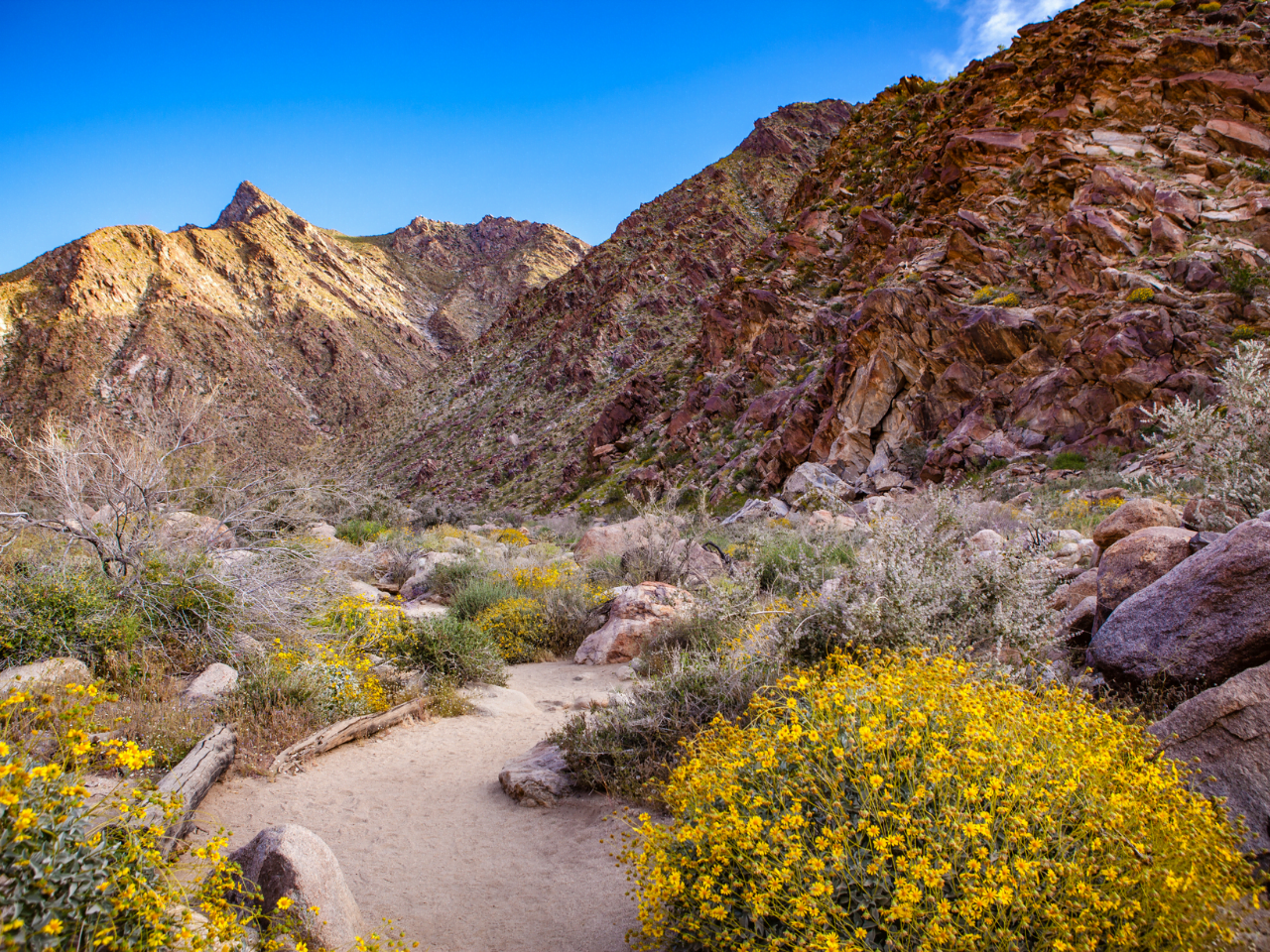
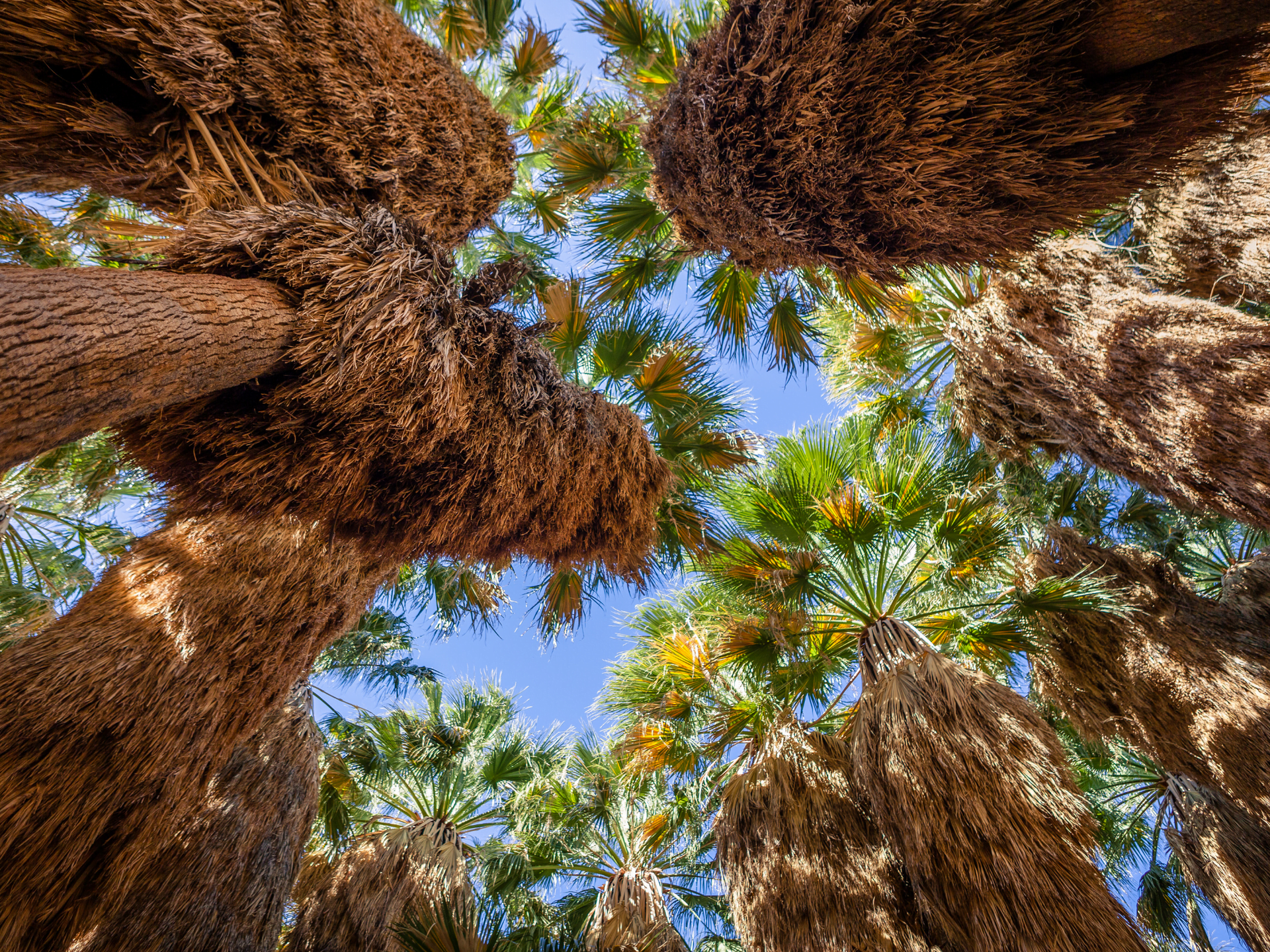
  • Borrego Palm Canyon

    Slide title

    Write your caption here
    Button
  • Slide title

    Write your caption here
    Button

History and Location: Borrego Palm Canyon and Anza-Borrego Desert State Park


Borrego Palm Canyon has a rich history that is intertwined with the establishment of Anza-Borrego Desert State Park. The canyon was one of the main attractions that helped to secure protection for the park, which covers over 600,000 acres of land in eastern San Diego County and is the largest state park in California.


Anza-Borrego Desert State Park was established in 1933, following years of lobbying and advocacy by conservationists and local residents. The park was named after Spanish explorer Juan Bautista de Anza and the Spanish word for bighorn sheep, which are native to the region.


Borrego Palm Canyon, with its stunning display of California fan palms, was one of the key areas that helped to convince lawmakers to protect the park. The canyon provides an important water source for plants and wildlife in the area and is an oasis in an otherwise arid landscape.


Today, visitors to Anza-Borrego Desert State Park can explore Borrego Palm Canyon and other areas of the park to appreciate the unique beauty and history of this region. The park offers a variety of activities, including hiking, camping, stargazing, and wildlife viewing.


Borrego Palm Canyon is located just north of the park’s Visitor Center in the town of Borrego Springs. To reach the canyon, visitors should turn left onto Palm Canyon Drive from Montezuma Valley Road and then turn right on an unnamed road after Hoberg Road and before the ranger station. The trailhead parking area is located a short distance from the road.


How to Get to Borrego Palm Canyon and What to Expect on the Trail


Trail Information


The 3.25-mile loop trail in Borrego Palm Canyon is relatively easy to follow, as long as you obey the numbered trail markers and stay on the correct side of the boulder hedges. The trail climbs 450 feet and can get hot and dry, so it’s important to bring plenty of water and wear comfortable, sturdy shoes. There are also a couple of creek crossings, so be prepared to get your feet wet.


Exploring the Canyon


The highlight of Borrego Palm Canyon is, of course, the palm trees. The California fan palm is a majestic sight, towering above the canyon floor and providing shade and shelter to a variety of desert wildlife. These trees can live up to 200 years, but many of the older palms in Borrego Palm Canyon were wiped out by flooding in 2004. However, the canyon is still home to a significant number of palms, making it the largest palm oasis in Anza-Borrego Desert State Park.


Protecting the Natural Beauty of Borrego Palm Canyon


Protecting the natural beauty of Borrego Palm Canyon is crucial to ensuring that this unique and beautiful ecosystem can be enjoyed for generations to come. Here are some ways that visitors to the canyon can help preserve its natural resources:


  • Stay on designated trails: The canyon has well-marked trails that visitors should follow to avoid damaging the delicate desert plants and disturbing the wildlife. Avoid creating new trails or shortcuts, as this can lead to soil erosion and habitat destruction.


  • Pack it in, pack it out: Visitors should pack out any trash they generate and dispose of it properly. Littering not only ruins the natural beauty of the canyon but can also harm wildlife that may ingest or become entangled in it.


  • Leave no trace: In addition to packing out trash, visitors should avoid disturbing the natural environment by not camping, building fires, or bringing pets into the canyon. These activities can harm the fragile ecosystem and wildlife that call it home.


  • Respect wildlife: Visitors should maintain a safe distance from wildlife and avoid feeding or touching them. Wildlife should be observed from a distance to avoid disturbing their natural behaviors and risking injury to both the visitor and the animal.


  • Support conservation efforts: Anza-Borrego Desert State Park relies on donations and volunteer efforts to protect and maintain its natural resources. Consider supporting conservation efforts by donating or volunteering with the park or other local conservation organizations.


By following these guidelines, visitors can help protect the natural beauty of Borrego Palm Canyon and ensure that it remains a unique and beautiful destination for generations to come.


The Importance of Palm Trees in the Desert Ecosystem


The importance of palm trees in the desert ecosystem cannot be overstated. These trees play a crucial role in providing food and shelter for a variety of animals, including birds, bats, and insects. They also help to stabilize the soil and prevent erosion, as well as providing shade and moisture in an otherwise arid landscape.


Here are some more details on the importance of palm trees in the desert ecosystem:


  • Habitat: Palm oases, like the one in Borrego Palm Canyon, provide important habitat for a variety of animals. In addition to the California fan palm, the canyon is home to a variety of wildlife, including desert bighorn sheep, coyotes, and several species of birds.


  • Food: Palm trees provide a valuable food source for wildlife in the desert. The fruit of the California fan palm, in particular, is an important food source for birds and other animals. The palms also attract insects, which in turn attract birds and other predators.


  • Erosion Control: Palm trees help to stabilize the soil and prevent erosion in the desert. The root systems of these trees are able to hold onto soil and prevent it from being blown away by the wind.


  • Shade and Moisture: Palm trees provide much-needed shade and moisture in the desert landscape. Their large, fan-shaped leaves provide shade for animals and help to cool the surrounding area. In addition, the trees are able to capture and retain moisture, making them an important source of water in an otherwise arid environment.


Protecting the natural beauty of Borrego Palm Canyon is crucial to preserving this delicate ecosystem. Visitors to the canyon should take care to stay on designated trails, avoid disturbing the plants and wildlife and pack out any trash they generate. By respecting the natural beauty of the canyon and its inhabitants, we can help to ensure that this unique and beautiful ecosystem remains intact for generations to come.


In conclusion, Borrego Palm Canyon is a unique and beautiful destination that offers a glimpse into the natural wonders of the desert.


Learn More About Anza Borrego
By Andrea McKenna August 13, 2026
www.youtube.com/@under-the-borrego-sky
By Karen Pearlman August 5, 2026
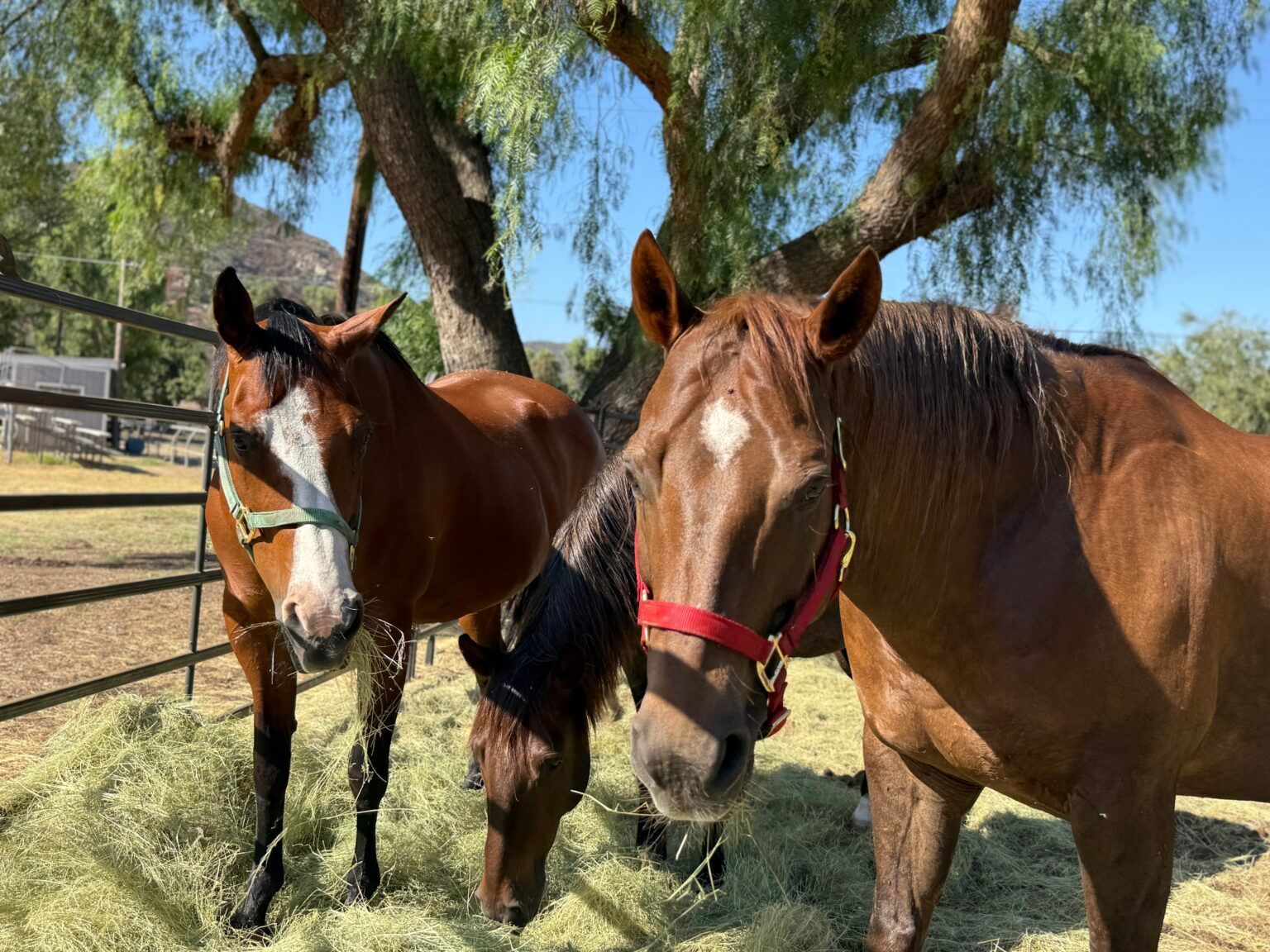
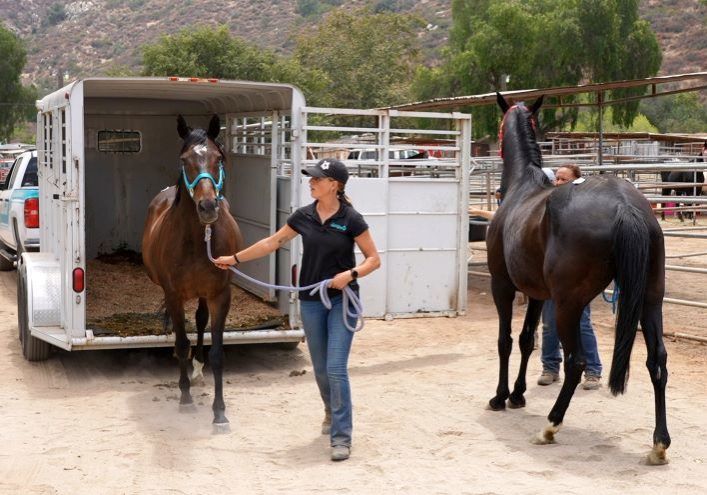
By Karen Pearlman, East County Magazine Aug. 4, 2026 (Descanso) — Three months after the San Diego Humane Society took custody of more than 700 neglected animals, including more than 150 horses, from the Villa Chardonnay property in Julian, some of the animals are trotting off to the next chapter of their lives. Eight of the horses have found a forever home in East County at Horses of Tir Na Nog in Guatay, near Descanso. Established in 2003, the volunteer-powered nonprofit is the longest-operating equine sanctuary in San Diego County, serving as a non-riding safe haven for horses with medical conditions and advanced age. The arrival of the new horses was a bittersweet moment for the rescued horses-focused sanctuary that is also home to alpacas, sheep, goats, llamas pigs, ducks, cats and dogs: Horses of Tir Na Nog is concurrently mourning the passing of several of its aging, longtime residents, including several horses and burros. “Although we are excited to welcome home the new horses from San Diego Humane Society’s Villa Chardonnay case, the joy of their arrival is tempered by the pain of a number of recent losses,” said Amy Pat Rigney, Administrator for Horses of Tir Na Nog. “As a forever home for residents with medical conditions and often advanced ages, saying goodbye is part of the nature of our sanctuary work. However, it never gets easier to lose a resident.” The San Diego Humane Society reports that other rescued horses are stepping into entirely new roles. Oscar, a horse previously highlighted by SDHS, left last week for the Unconditional Love Foundation in Murrieta, where he will serve as a therapy horse for veterans with PTSD, SDHS officials report. Oscar didn’t make the trip alone; he was accompanied by his pony “girlfriend,” Loretta Lynn, and a horse named Knight King Julian. They join Runner and Alfred, two other horses previously rescued from the Julian property by Unconditional Love Foundation. Of the roughly 165 horses and ponies originally rescued from Villa Chardonnay, 48 remain in SDHS care, with 37 currently ready for adoption. In July, the remaining horses were relocated from Julian to the Willow Glen Equestrian Centre in El Cajon to make them more accessible for staff, volunteers and potential adopters. Four horses requiring more advanced care are now housed at the SDHS Escondido Campus. The 37 horses waiting for homes are looking for patient, experienced owners, SDHS officials report. Because many received little to no veterinary care in the years prior to their rescue, they are being adopted out strictly as companion animals. SDHS notes their rideability is unknown, and riding should not be expected. Interested adopters must complete an application at sdhumane.org/horses and, if approved, make an appointment to meet the horses in El Cajon. The ongoing placements mark a significant milestone in what SDHS officials have called one of the largest and most complex rescues in their history that raised awareness throughout Southern California earlier this year. On May 1, SDHS carried out a massive, multi-agency rescue operation and authorities served a search warrant at the 40-acre Villa Chardonnay, Horses With Wings LLC property amid bankruptcy proceedings and mounting reports of extreme animal neglect. While the Julian area encompasses the County of San Diego and its Department of Animal Services’ jurisdiction, due to the scale of the situation, DAS handed the case to SDHS. The case was officially transferred from DAS to SDHS on April 24, due to the extreme scope of the rescue and complexities stemming from the bankruptcy issue. SDHS was subsequently granted legal ownership of all 728 animals on site — including cats, dogs, farm animals and equines — many of which were suffering from emaciation, untreated injuries and a severe lack of basic care. The investigation into the Julian facility remains ongoing.
By Karen Pearlman July 21, 2026
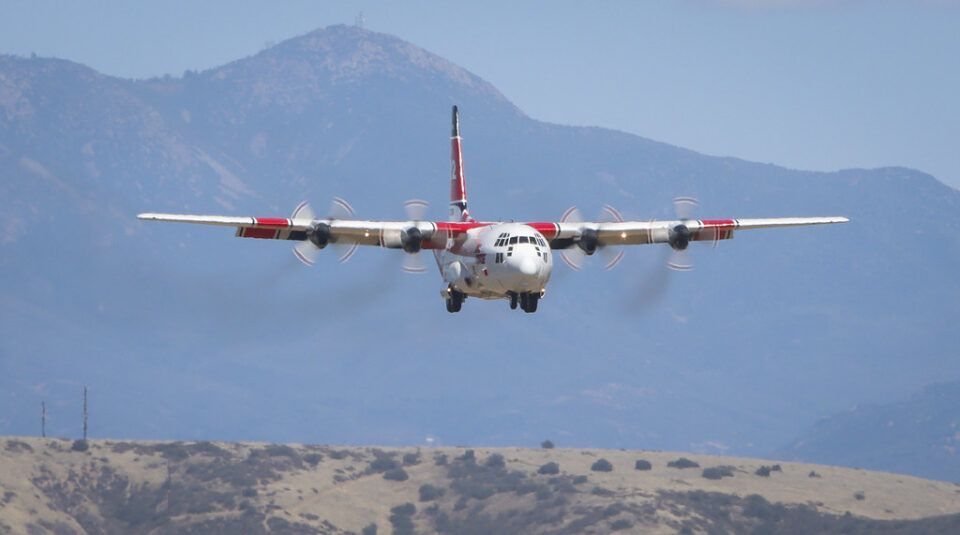
By Karen Pearlman, East County Magazine July 20, 2026 (Ramona) — San Diego County’s aerial firefighting capabilities have been boosted with the reopening of the modernized Ramona Air Attack Base, where state and local officials on Monday morning unveiled nearly $20 million in upgrades designed to get aircraft back into the air faster and expand around-the-clock wildfire response. The renovated base at 2498 Montecito Road now houses a new 4,000-gallon CAL FIRE C-130 Hercules air tanker, a night-capable S-70 CAL FIRE Hawk Helicopter, two S-2 air tankers and an OV-10 Air Tactical aircraft. The group of aircraft is creating what officials called one of California’s most advanced aerial firefighting hubs. The base’s aging infrastructure has been replaced with a modern retardant mixing plant capable of storing 20,000 gallons of fire retardant, redesigned aircraft loading bays that dramatically reduce turnaround times, and expanded ramp space to accommodate additional air tankers during major wildfire incidents. “This base is a regional asset,” CAL FIRE/San Diego County Fire Chief Tony Mecham said at a press conference that was livestreamed on YouTube . “When there is smoke in the sky, the citizens don’t care what color the fire engine is or what patch is on the uniform. They just want people to show up quickly.” The improvements come as California faces increasingly destructive wildfire seasons fueled by hotter temperatures, prolonged drought and more extreme weather conditions. CAL FIRE Director and Fire Chief Joe Tyler said the Ramona facility reflects years of investment in modernizing California’s aerial firefighting fleet. Over the past two years, CAL FIRE aircraft have flown more than 11,500 flight hours annually while maintenance crews logged more than 90,000 hours keeping aircraft mission-ready, Tyler said. Among the most significant additions is the C-130 Hercules air tanker, capable of dropping 4,000 gallons of fire retardant — more than three times the capacity of CAL FIRE’s traditional S-2 air tankers. The aircraft is part of the state’s new fleet of converted military transport planes that entered service beginning in 2024. Also based in Ramona is the county’s new S-70 Firehawk helicopter, which can perform water drops after dark — a capability officials said is already proving invaluable. It has an integrated 1,000-gallon water tank with hoist rescue capability and the ability to transport helicopter crews into remote terrain. San Diego County Board of Supervisors Chair Terra Lawson-Remer pointed to last week’s Thorn Fire, where the Firehawk flew nighttime suppression missions that slowed the fire’s progression and helped prevent flare-ups the following morning. “Our days are getting hotter, our nights are getting warmer, the winds are stronger and fuels are drier,” Lawson-Remer said. “Wildfire does not stop when the sun goes down.” She urged residents to prepare for wildfire emergencies by signing up for emergency alerts, planning evacuation routes and heeding evacuation orders when issued. For East County backcountry communities, the upgrades could mean quicker aerial response to fires threatening homes. Aircraft assigned to Ramona regularly respond throughout the county. Mecham twice shared the importance of coordinated and consolidated efforts between firefighting agencies across the county. “We fight fire without boundaries and without egos,” he said. Mecham said the modernization project focused on improving efficiency as much as expanding capabilities. Previously, air tankers were forced to maneuver awkwardly into a single retardant loading area, creating backups during major wildfire incidents. The redesigned facility features three drive-through loading pits that allow aircraft to taxi in, reload and immediately return to the fire. “The S-2s can reload in about two to three minutes,” Mecham said. “The C-130, under 10 minutes, it’s on the ground here at Ramona before it’s back in the sky responding to the next fire.” The expanded ramp now allows up to six air tankers to stage simultaneously. During last week’s Thorn Fire, officials said 11 air tankers were assigned to the incident, underscoring the need for increased loading capacity. Additional improvements are in the planning stages. Construction is expected to begin next year on a 14-person barracks to support future 24-hour operations, along with further expansion of the helicopter facilities. Monday’s ceremony also highlighted the historical significance of the Ramona Air Attack Base, which opened in 1957 as CAL FIRE’s first aviation base. While the facility received new buildings in 2000, much of its underground infrastructure — including water lines, electrical systems and retardant delivery equipment — had remained unchanged until the recent reconstruction. San Diego County Supervisor Joel Anderson, who lives in the fire-prone area of Alpine, thanked leaders for their understanding of the importance of the Ramona airport site… “not just in San Diego County but for Southern California in general.” “CAL FIRE has been an essential partner for the County Fire, providing joint fire protection in emergency services for more than 1.7 million acres,” Anderson said. “Since CAL FIRE’s creation in 2008, the Board of Supervisors have invested over a billion dollars into fire protection in emergency medical services. “In the years since we created County Fire, we have also expanded our partnership in collaborations. In 2022, CAL FIRE successfully collaborated with the Ramona Municipal Water District to establish the Ramona Airport as a hub for aerial firefighting teams, in addition to replacing fire engines and adding a third ambulance, which was so important to the backcountry and to all my constituents.” 
By Karen Pearlman July 20, 2026
Photo courtesy County of San Diego
By Marine Science Institute July 20, 2026
Marine Science Institute has named Lisa Biasillo its new Executive Director, succeeding longtime leader Marilou Seiff.
By Karen Pearlman July 19, 2026
Photo courtesy County of San Diego
By Andrea McKenna July 13, 2026
Chase the Perseids in Borrego Springs: Summer’s Best Getaway Is Under the Stars If you've been waiting for a reason to visit Borrego Springs, t he Perseid meteor shower is a pretty great excuse. If you live nearby, consider this your reminder to book a staycation, get out of the house, and look up. Summer is one of the best values of the year. You'll find lower hotel rates, fewer crowds, and a slower pace , making it the perfect time to experience one of nature's most spectacular events. The Perseid meteor shower is active from July 17 through August 24 and is expected to peak the nights of August 12–13 . With little moonlight during the peak and Borrego Springs' internationally recognized dark skies, conditions are ideal for viewing. Under clear skies, you may see 50 to 100 meteors per hour , including brilliant fireballs that leave glowing trails across the sky. Borrego Springs is California's first International Dark Sky Community , making it one of the best places in Southern California to experience the Perseids. No telescope is needed. Just bring a chair or blanket, find a safe location away from lights, let your eyes adjust for about 30 minutes, and enjoy the show. The best viewing is generally after midnight through the hours before dawn, although meteors can appear throughout the night. During the day, take advantage of summer savings with a stay at La Casa del Zorro , a Stay & Play package at Rams Hill , or seasonal rates at The Palms at Indian Head . Sleep in, relax by the pool, enjoy lunch or dinner in one of Borrego's air-conditioned restaurants, and check BorregoEvents.com for local happenings. Browse the locally owned shops that remain open year-round, visit art galleries, enjoy some night photography, or take a stroll down Palm Canyon Drive and browse homes for sale in the windows of Coldwell Banker and other local real estate offices. Summer offers a quieter, more relaxed way to experience Borrego Springs. Whether you're planning a weekend getaway or just escaping for a night, there's no better time to discover why Borrego Springs is known for its dark skies, hospitality, and desert beauty. Come for the summer savings. Stay for the Perseids. Leave with memories—and maybe a few shooting stars.





By By Tammy Murga / Environment Reporter July 6, 2026
Photo courtesy Christina Aiello /Wildlands Network
By Andrea McKenna July 1, 2026
A Hollywood fun fact courtesy of longtime Park Ranger Fred Jee.
By Andrea McKenna July 1, 2026
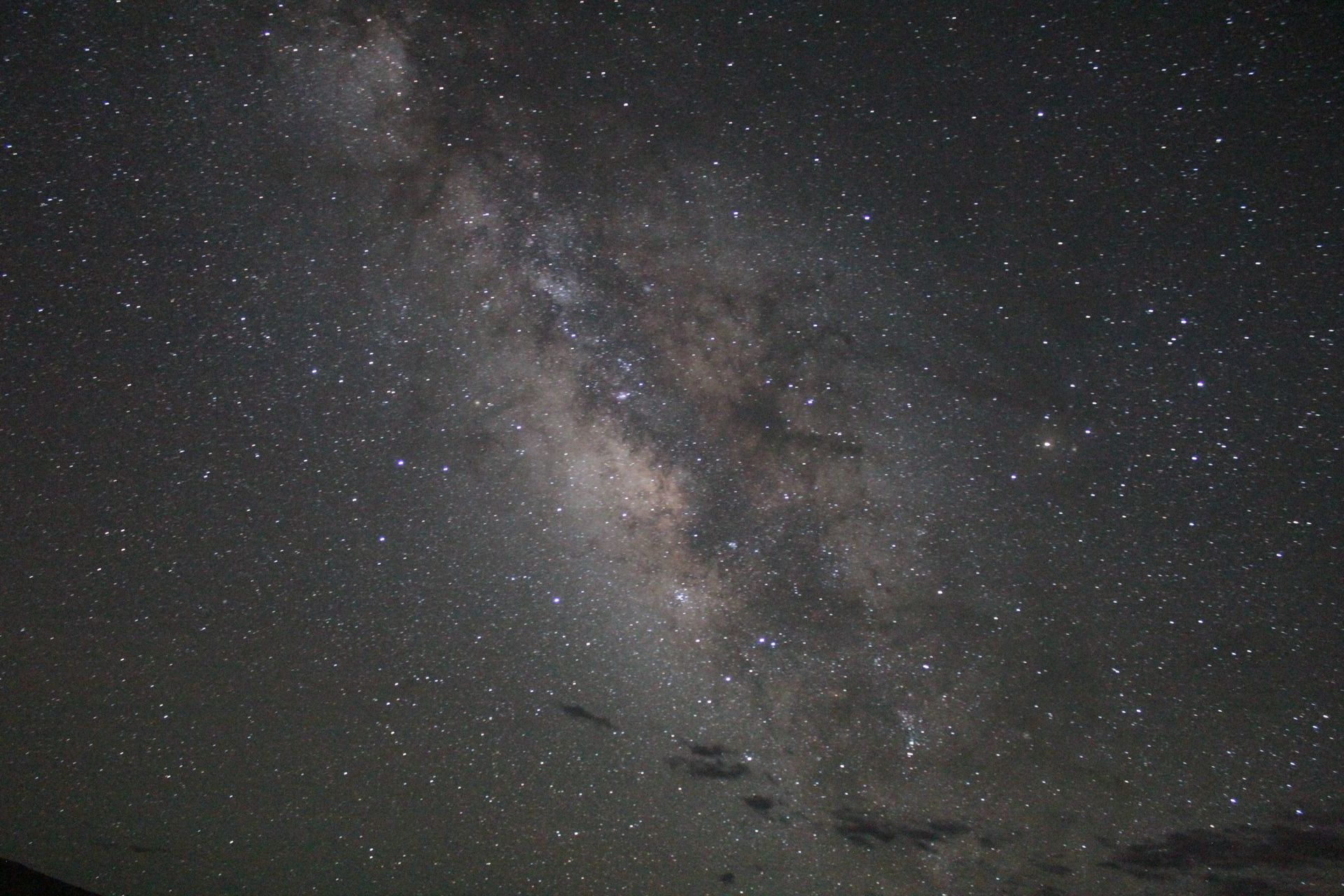
Don't Miss These Summer Night Sky Events
By Explore With Jeven Dovey June 17, 2026
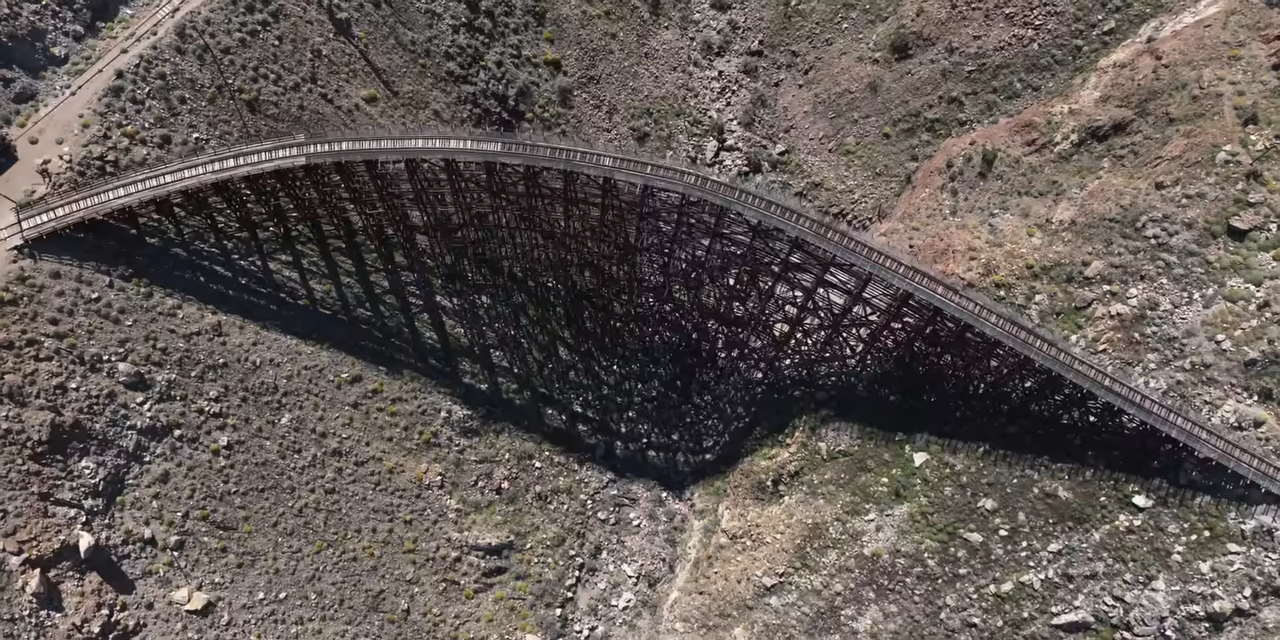
Exploring Goat Canyon Trestle Before It's Gone Adventure filmmaker Jeven Dovey documents one of Southern California's most remote railroad landmarks
By Andrea McKenna June 16, 2026
One of the things that makes Borrego Springs special happens after the sun goes down. Borrego Springs became California's first International Dark Sky Community in 2009 and was only the second community in the world to receive the designation. The certification recognizes communities that actively work to reduce light pollution and protect the night sky for future generations. Earlier this year, a Dark Sky presentation highlighted K-RAM 90.5, XL Fuel Stop, and Borrego Holiday Homes as examples of businesses using responsible lighting practices that help preserve Borrego Springs' internationally recognized night skies. Ram Media Foundation Updates Exterior Lighting The Ram Media Foundation building at 730 Christmas Circle, now home to K-RAM 90.5, the Borrego Sun, and Borrego Valley Realty, removed older unshielded, high-lumen fixtures that reflected light outward around the property. The updated lighting includes shielded fixtures and a downward-facing reflector along the front walkway. These improvements provide lighting where it is needed while reducing unnecessary glare and light escaping into the night sky. XL Fuel Stop Reduces Sky Glow XL Fuel Stop was highlighted for using fully shielded lighting that directs light where it is needed instead of into the night sky. According to the presentation, a bright light mounted atop a high pole was turned off, and after-hours lighting levels were reduced. These changes help minimize sky glow while maintaining safety and visibility for customers. Borrego Holiday Homes Improves Efficiency Borrego Holiday Homes was highlighted as another example of responsible lighting practices. The property reduced excessive brightness by lowering lumen levels and using shielding that directs light downward. The result is reduced glare, improved efficiency, and lighting that better serves guests without unnecessarily illuminating the surrounding area. Why Dark Skies Matter According to the Borrego Springs Dark Sky Coalition, light pollution is the human-made alteration of outdoor light levels from those occurring naturally. Excessive brightness can create visual discomfort, affect wildlife behavior, disrupt human circadian rhythms, and diminish our ability to see the stars. Responsible lighting does not mean eliminating outdoor lighting. Instead, it means using the right amount of light, directing it where it is needed, and avoiding unnecessary brightness. The Borrego Springs Dark Sky Coalition was formed in 2007 by local residents seeking Dark Sky certification. Facilitated by the Anza-Borrego Desert Natural History Association (ABDNHA), the coalition continues to educate residents, businesses, and visitors about responsible lighting practices that help preserve Borrego Springs' exceptional nighttime environment. The improvements made by K-RAM 90.5 , XL Fuel Stop, and Borrego Holiday Homes demonstrate that protecting dark skies can go hand in hand with safety, efficiency, and good business practices. For residents and visitors alike, these efforts help ensure that Borrego Springs remains one of the best places in Southern California to experience a sky filled with stars.


Show More
Subscribe for Free Updates!