Borrego Springs Local • September 7, 2022
Managing the Invasive Volutaria (Volutaria tubuliflora) in Borrego Springs
Share
Borrego Springs, California is home to various plant species, but one invasive species that has been causing concern in recent years is Volutaria (Volutaria tubuliflora).
This invasive weed can quickly invade native habitats and outcompete native plants for resources. In this guide, we will discuss the impacts of Volutaria on the ecosystem of Borrego Springs, the ways in which it arrived and how to effectively manage and get rid of it.
What is Volutaria and How Did it Arrive in Borrego Springs?
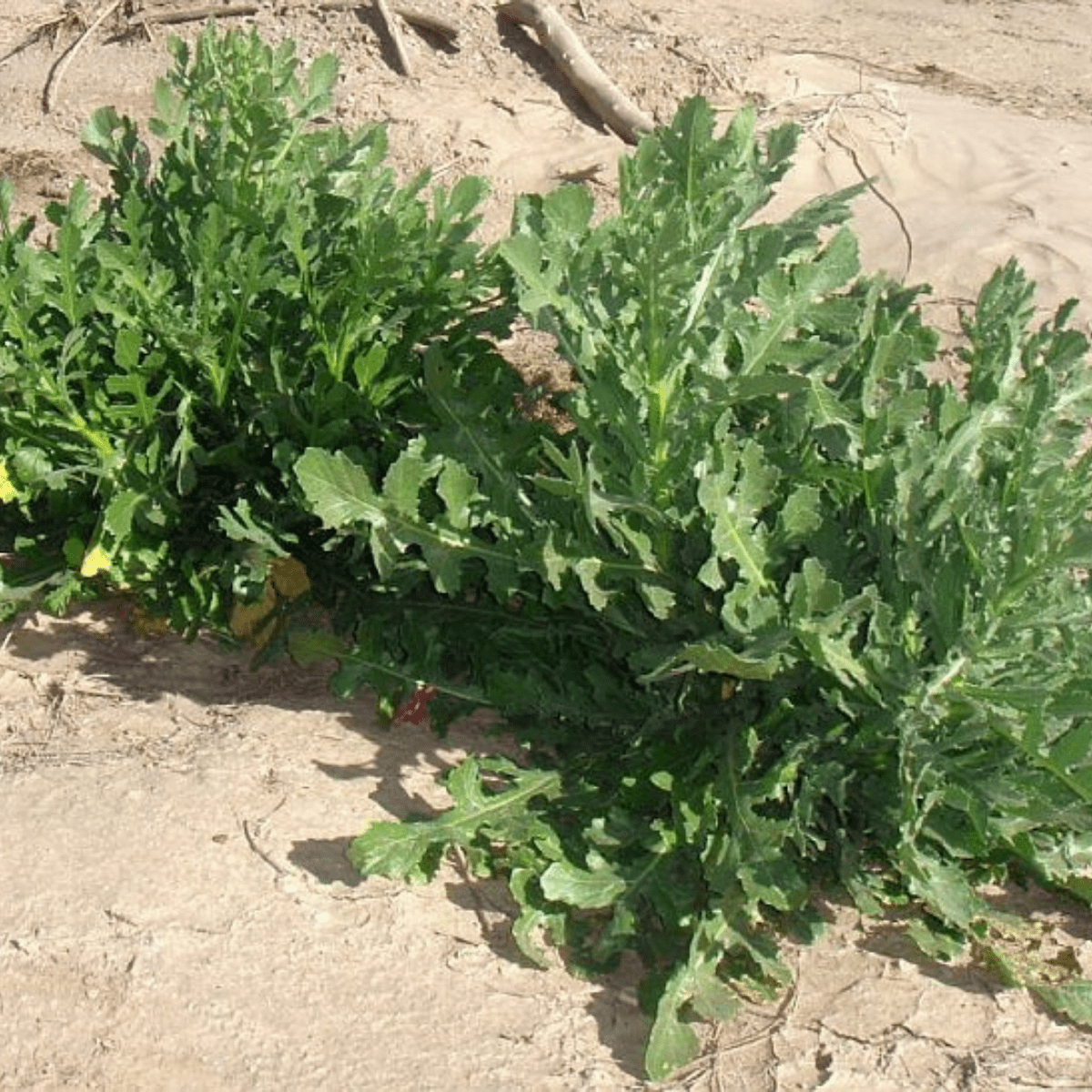
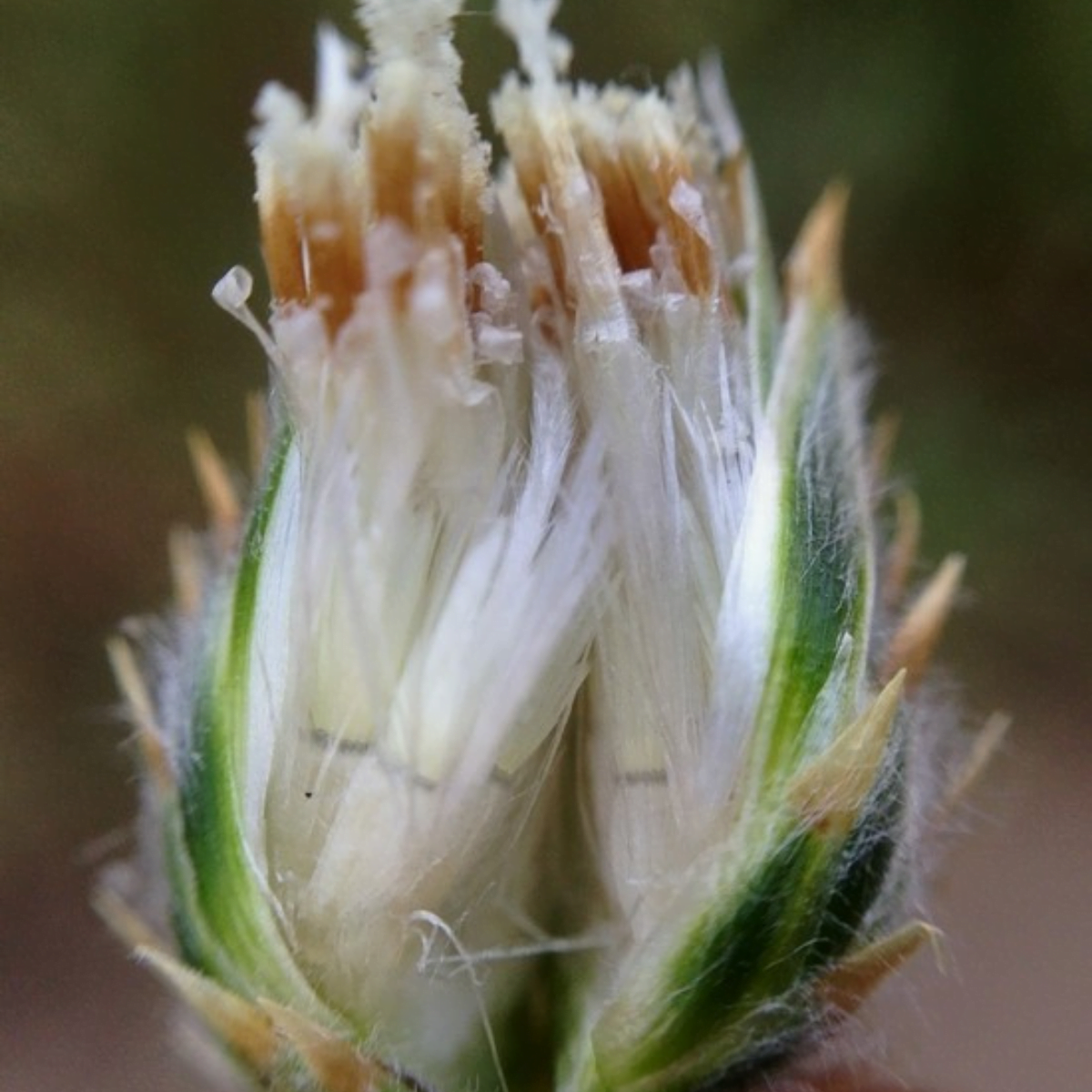
Volutaria, also known as Volutaria tubuliflora, is an invasive weed that is native to the Mediterranean region. It is a perennial herb that can grow up to 6 feet tall, and has small, tubular flowers that bloom in the spring. The plant is known to be aggressive, spreading quickly and outcompeting native plants for resources.
It is believed that the plant was first introduced to Borrego Springs through human activity, likely as an ornamental plant. However, once it was introduced, it quickly spread to nearby wildlands through its ability to produce both seeds and underground rhizomes. This allows the plant to reproduce and establish itself in new areas, making it difficult to control and remove.
Control measures for Volutaria include manual removal, chemical control, and biological control. However, it is important to use the right control method, otherwise, the plant can quickly spread again. It is also important to monitor the area after control measures have been implemented to ensure that the plant does not re-establish itself.
Impacts of Volutaria on the Ecosystem
Volutaria, as an invasive weed, can have a significant impact on the ecosystem of Borrego Springs. The aggressive nature of the plant and its ability to outcompete native plants for resources such as water and sunlight can result in a decline in native plant populations. This can also lead to a decline in the populations of animals that rely on native plants for food and habitat, as they will have less food and shelter available. This can have a cascading effect on the entire ecosystem, altering food chains and habitats for animals.
In addition to the ecological impact, Volutaria can also have economic consequences. It can reduce the productivity of agricultural lands, decrease the value of rangelands, and negatively impact recreation and tourism in the area. Control and management of Volutaria is important to minimize its impact on the ecosystem and human activities in Borrego Springs
Managing and Getting Rid of Volutaria
Managing and getting rid of Volutaria in Borrego Springs requires a combination of methods. One of the most effective methods is manual removal, which involves physically pulling up the plants and removing the roots. Removing as much of the root system as possible is important to prevent regrowth. This method is most effective when done regularly and consistently before the plant can produce seeds.
Another effective method is the use of herbicides. Herbicides can be applied directly to the leaves of the plant, which will then be absorbed by the roots and kill the entire plant. It’s important to follow the manufacturer’s instructions when using herbicides and to be mindful of the potential effects on native plants and animals.
In addition, it’s important to prevent the spread of Volutaria by controlling its seed production. This can be achieved by removing the flowers before they have a chance to produce seeds.
It’s important to note that managing and getting rid of Volutaria is an ongoing process and requires a long-term commitment. It’s also important to work with local authorities and organizations, such as the Bureau of Land Management and the Anza-Borrego Desert Natural History Association, to coordinate efforts and ensure effective management strategies.
In summary, Volutaria (Volutaria tubuliflora) is an invasive weed in Borrego Springs, California that can quickly take over native habitats and outcompete native plants for resources. It is believed to have arrived in Borrego Springs due to human activity. Managing and getting rid of Volutaria requires a combination of methods such as manual removal, herbicides, and control of seed production. It’s important to work with local authorities and organizations to effectively coordinate efforts.


Learn More About Borrego Springs