Borrego Springs Local • May 3, 2022
Declining Cotton Tail Rabbit Population in Borrego Springs: What Residents Can Do?
Share
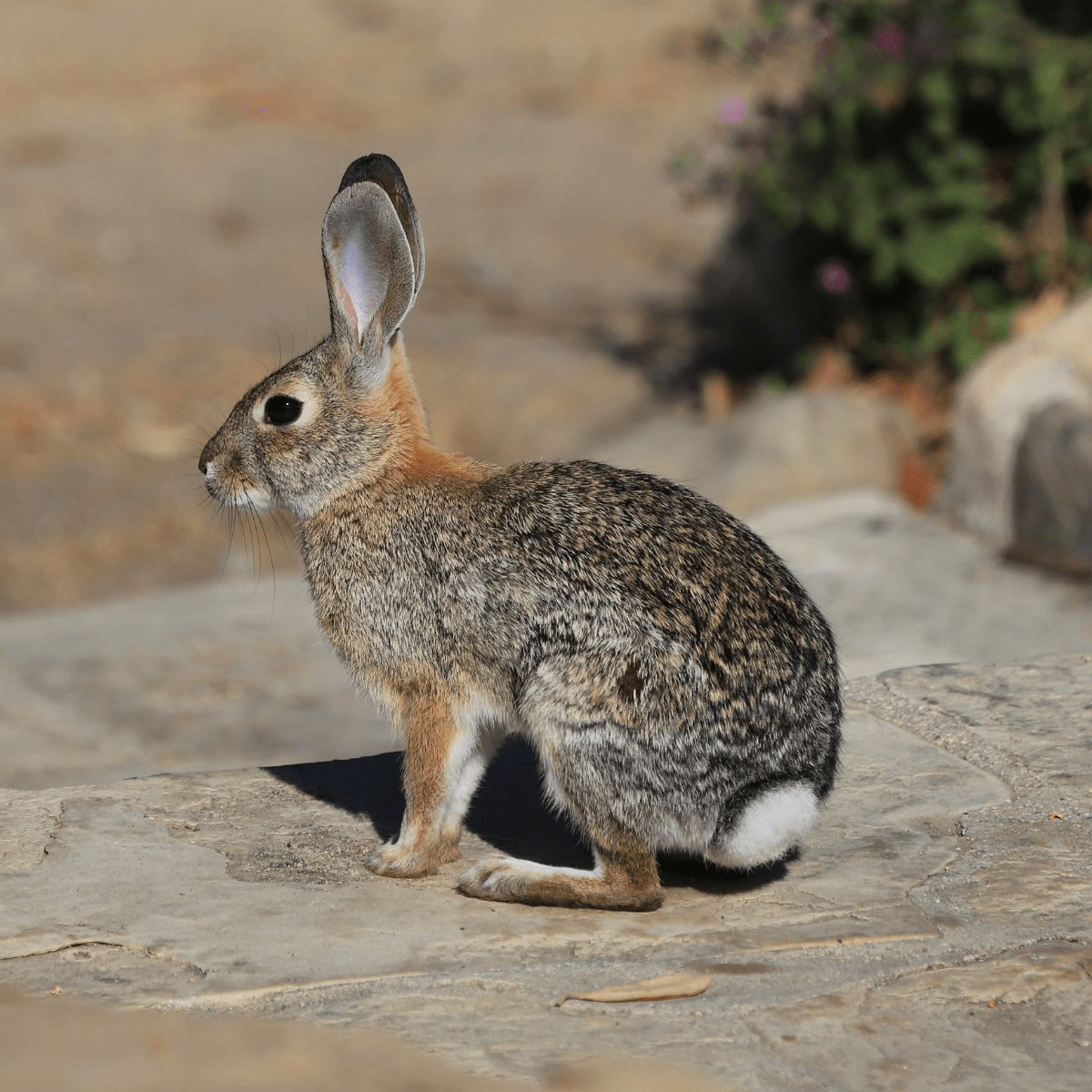
The cotton tail rabbit is a common sight in Borrego Springs, a desert community in Southern California. These small, timid animals are known for their distinctive cotton-white tails and are beloved by residents and visitors alike. However, in recent years, the cotton tail rabbit population in Borrego Springs has declined. This article will explore the causes of this decline and what residents can do to help preserve these important desert inhabitants.
Causes of Decline
Several factors have may be contributing to the decline of the cottontail rabbit population in Borrego Springs. One of the leading causes could be habitat loss. As the human population in the area has grown, more and more natural habitats have been destroyed or altered. This can led to a decrease in the suitable habitat for cottontail rabbits. Additionally, increased predation by domestic animals such as cats and dogs has also contributed to the decline. However, as a resident with no scientific background and a giant heart for these animals, my guess is disease .
Another major cause of the decline is disease
Cottontail rabbits are particularly susceptible to certain diseases, here are a few:
1. Tularemia , also known as rabbit fever or deer fly fever, is a bacterial infection caused by the bacterium Francisella tularensis. It can be found in a variety of wild and domestic animals, as well as in certain insects. Tularemia can infect humans and animals through several routes, such as skin contact, inhalation, and ingestion.
Tularemia is found in many parts of the United States, including California. The California Department of Public Health (CDPH) reports that the disease is relatively rare in the state, with an average of fewer than 5 cases reported annually. However, it is essential to note that Tularemia can be severe and even fatal if not treated promptly. Hence, it’s important to be aware of the symptoms and take precautions when handling wild animals or spending time in areas where the disease is known to occur.
2. Rabbit Haemorrhagic Disease (RHD) is a highly contagious and often fatal viral disease that affects domestic and wild rabbits. The virus is believed to have originated in China and was first identified in 1984. It is caused by a calicivirus (RHDV), and it’s highly infectious and can cause a range of symptoms including fever, loss of appetite, and sudden death.
RHD is spread through contact with infected rabbits or contaminated objects such as clothing, feed, and equipment. The virus can also be spread by insects and other animals, as well as through contaminated water and soil. RHDV can survive in the environment for long periods and can be transmitted in the form of a vaccine or a virus strain.
This disease can have a significant impact on wild rabbit populations and can also cause significant losses in commercial rabbit production. There is no specific treatment for RHD; infected animals usually die within 36-72 hours of showing symptoms. Vaccination is available for domestic rabbits and is the best way to protect them from the disease.
What Residents Can Do
Despite these challenges, there are things that residents of Borrego Springs can do to help preserve the cotton tail rabbit population. One of the most important things is to protect and preserve natural habitats. This can be done by reducing pesticides and fertilizers, which can harm the rabbits and their food sources. Residents can also work to create or restore habitats in their backyards by planting native plants and creating brush piles that provide shelter for the rabbits.
Another important step is to reduce predation by domestic animals. This can be done by keeping cats and dogs indoors or on leashes when outside and by using humane pest control methods, such as live traps, instead of poisons or other harmful methods.
A Solution for Declining Rabbit Population in Borrego Springs
Rats and mice can be a major problem for homeowners. Still, traditional methods of control, such as using poison and traps, can also negatively affect the environment and other animals. Fortunately, there are non-toxic alternatives for rat and mouse control that are both effective and environmentally friendly. Trapping, exclusion, and natural repellents are all effective methods for controlling rat and mouse populations without harm to the environment and other animals. By using these non-toxic alternatives, you can protect your home and the environment at the same time.
Moreover, using these non-toxic methods can also help with the decline in the rabbit population in Borrego Springs. By controlling rat and mouse populations, we can reduce the predation pressure on the rabbits, allowing them to thrive in their natural habitats. Using natural repellents and exclusion methods can also help protect the rabbits’ habitats from destruction. By using these non-toxic methods, we can protect our homes and the environment and help preserve the beloved cotton tail rabbit population in Borrego Springs.
The cotton tail rabbit population in Borrego Springs is facing a decline by taking simple steps such as preserving habitats, reducing predation, and reducing the spread of disease, residents can help preserve these beloved desert creatures. By working together, we can help ensure that the cotton tail rabbit remains a part of the Borrego Springs community for generations to come.
How Else Can You Help?
If residents in Borrego Springs, California are concerned about a decline in rabbit populations, they should reach out to local authorities for help. This could include contacting the proper authorities, these organizations may be able to provide information on the causes of the decline and potential solutions, as well as assist with monitoring and conservation efforts. Additionally, they may be able to direct you to local groups or experts who may be able to assist you.
Contact information
- California Department of Fish and Wildlife 909-484-0167 | AskRegion6@wildlife.ca.gov
- California Department of Food and Agriculture 916-654-0466 (Sacramento) General Information AskGovOps@govops.ca.gov
- United States Department of Agriculture (USDA) askusda@usda.gov
Request for Assistance in Investigating Decline of Cottontail Rabbits in Borrego Springs – Sample Letter
Dear [Authority],
We, the residents of Borrego Springs, have recently noticed a decline in the population of cottontail rabbits in our area. As residents who value and appreciate the natural wildlife in our community, we are deeply concerned about this decline and would like to request assistance in investigating the cause.
We have heard reports from locals that the decline may be due to Rabbit Haemorrhagic Disease (RHD), a highly contagious and often fatal illness that affects wild rabbits. We request that proper authorities conduct tests to determine if RHD is present in our cottontail rabbit population and implement measures to contain and control the spread of the disease if necessary.
Additionally, we request that any steps be taken to protect and conserve these important animals. We understand that cottontail rabbits play an important role in the ecosystem, and their population decline can have negative effects on the environment.
We appreciate your attention to this matter and look forward to your prompt response. If you require further information or have questions, please do not hesitate to contact us.
Thank you for your attention to this important issue.
Sincerely, [Your Name]
Residents of Borrego Springs, California.