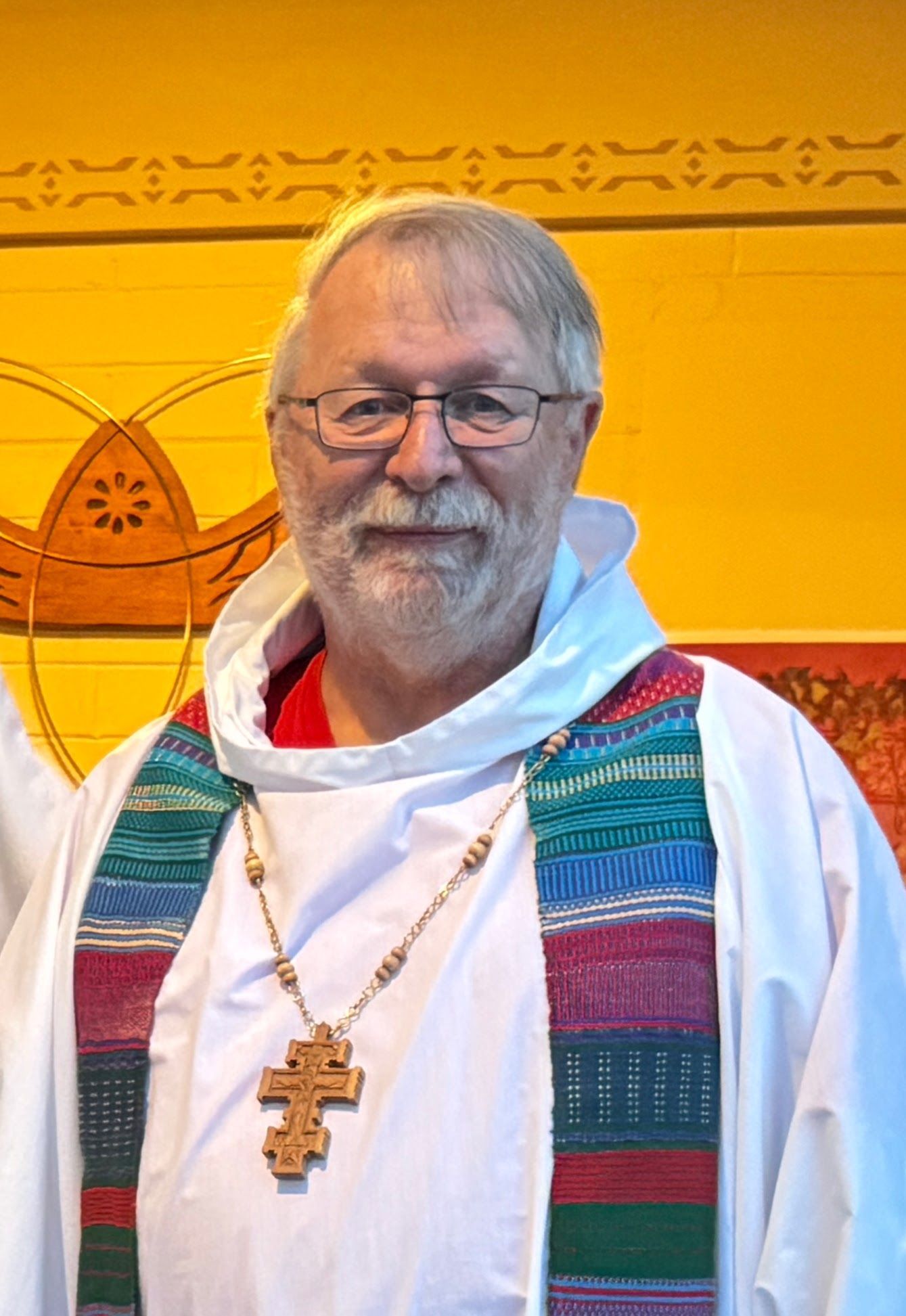
I am not surprised that in 2026 there are those who ask such questions. My parents were in church with me and my brothers when we were growing up in the 1950s and after. (I am in my later 70s!) I have been involved in the institutional church since I was 13 and went to church prep school, looking toward being a priest. And now I have been a priest for almost 45 years, in several church bodies. Presently I am an assistant priest at St. Barnabas Episcopal Church here in Borrego Springs. When we are back East, I help out at St. James Church, an historic stone church in the old downtown of Danbury CT, once the hat making capital of the US. Years ago when I began ordained ministry alongside being a fulltime professor at The City University of New York, there were a lot of people in church on Sundays, families with kids, as well as older people. Nowadays, it’s mostly my peers, seniors, who I see on Sundays at the service, and also engaged in the community outreach work churches do, from food banks to soup kitchens, thrift shops, and support of safe housing for mothers and children.
Many I encounter tell me they grew up in the church. And then grew out of it, for all kinds of reasons. Some found what they heard in sermons repulsive, a lot of negativity and condemnation and rules. In addition, they felt churches were constantly asking for your money, when not scaring you with threats of hell.
And did any good come of all those contributions? Some of the most generous and engaged neighbors of mine here has said that they found little to attract them to church. Others simply were too busy, first when they worked and later when retired they were even busier with volunteering, hobbies, golf, travel and more. What’s fascinating is that for quite a few people in Borrego, the food banks, the Community resource Center and its programs, volunteer work like tutoring and other great things they were doing had become “church” for them. I have published about this,
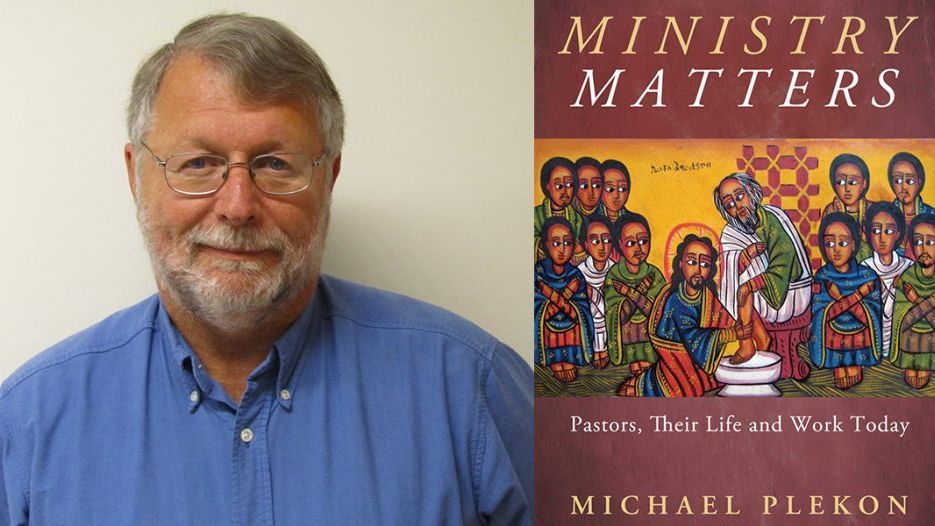
Community as Church, Church as Community, Ministry Matters, and soon to be published
Community and Communion. I believe on
https://www.gotoborregosprings.com/ you can find several interviews and articles about these books.
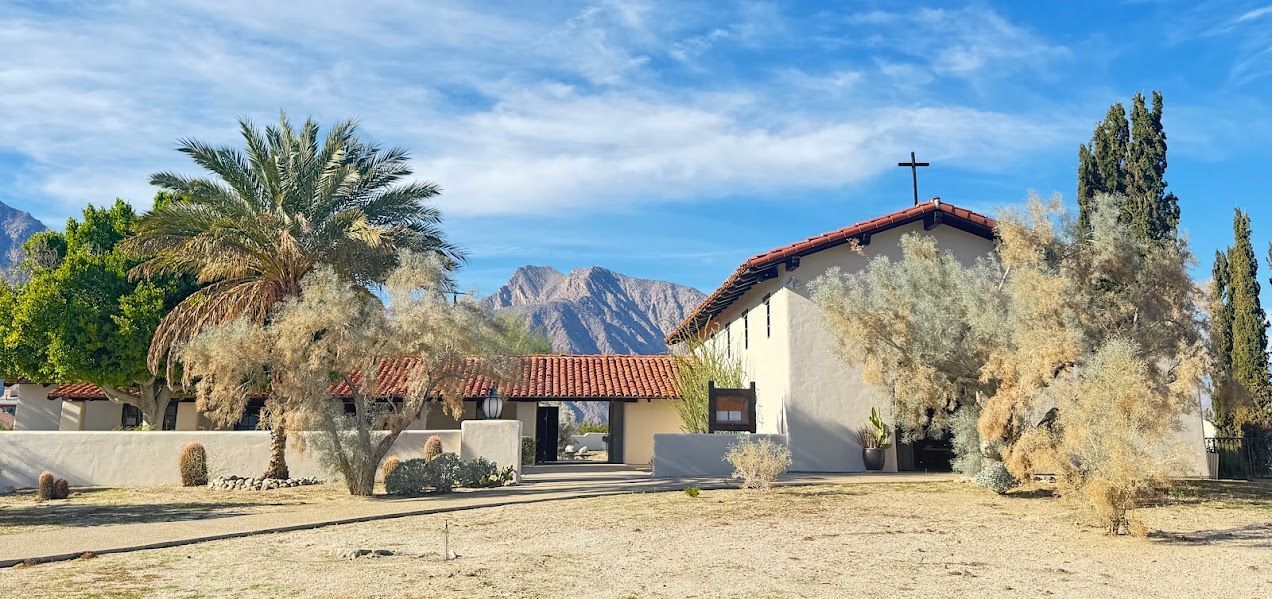
Those who know me even a little know I don’t chase people to church or judge them if they’re not interested. This is the case with the other find pastors here such as Fr. David Madsen, Pastor Mateo Mamea and Fr. Emilio Mangana, all of whom work with me at the congregations on Church Lane and in the Borrego Ministers Association (BMA). Once after listening to someone’s honest complaints about religious narrow mindedness and almost hateful intolerance, I replied that he would not find any of that on Church Lane. Rather, anyone will find welcome and acceptance and friendship there.
Which brings me back to the question that’s the title here. Those who volunteer, for example, at the monthly St. Barnabas sponsored food bank or the BMA do not all attend services with St. Barnabas, Borrego United Methodist, St. Richard’s or the Lutheran churches or other ones. However they do identify with the love for the neighbor that all of our food banks and the BMA monthly food coupons express. I can say that we have had people come and sing with our choir at St. Barnabas without joing the church. Same is true for those who come out to the choirs assembled for the BMA Thanksgiving and Easter Sunrise services and the Christmas Cantata when it’s performed. I know that people come to all of our Church Lane congregations because they find there real community and belonging, others who have compassion and are happy to share their resources for those who are in need. This especially happens through the BMA, but as well through the Community Resource Center, the Soroptimists, BASIC, Rotary, the BAI, Valley Endowment Fund and Art Guild, among our wonderful nonprofits. It’s true that when you meet someone who gives of themselves and their resources in any of these groups and the churches, you will see them again and again across the activities of these nonprofits.
I hear someone reading this saying, “Ah, but don’t you have creeds and teachings, readings from the scripture and holy communion and other specifically religious activities in church?” Well of course the churches do. These are ancient ways of expressing faith, praying for those who are ill, in need, ways of celebrating births, marriages and deaths as well.” No one is interrogated however on their belief or on anything else in our communities of faith. Rather everyone is a sister or brother to be loved and supported. Back during lockdown, zoom classes I offered were attended by people who otherwise had little if anything to do with church.
What good are they, churches, what are they for. I believe if you’ve followed what I ‘ve said here, you could say they are for building up and sustaining community, for doing good, for the good of the entire town. And God, for whom these communities exist would agree.