Borrego Springs Local • November 11, 2023

The Stopping Sexually Violent Predators Act

Share
The Stopping Sexually Violent Predators Act: A Legislative Overview

Congressman Darrell Issa (CA-48) has introduced a significant piece of legislation, The Stopping Sexually Violent Predators Act. This act represents a comprehensive approach to address a pressing community safety issue. The legislation aims to reset the current system concerning the placement of sexually violent predators (SVPs) in residential communities.


Issa made the announcement at a news conference in Poway, saying the state has released 111 SVPs, including 11 in his district alone.


“Sexually violent predators are a special group, this is not somebody who’s committed a crime once, this is somebody who’s been determined, usually based on multiple crimes that they clinically cannot help themselves,” Issa said.

Key Features Of The Act


  1. Termination of Federal Funding for SVPs in Non-Secure Settings: The act proposes to end federal funding for SVPs located outside correctional or secure medical facilities. This move is intended to prevent the placement of these individuals in residential communities, a concern that has been voiced by many citizens.
  2. Mandatory Reporting to the Department of Justice: The legislation requires states to report all convicted SVPs to the federal Department of Justice. This step is for the review of potential federal charges, ensuring a more thorough and unified approach to handling SVPs.


The Rationale Behind The Legislation

Rep. Issa has expressed concern over the safety of communities, particularly in California, due to the relocation of SVPs into neighborhoods. He highlights that this is not solely a California issue but one that requires a federal solution. The act is seen as a way to prevent the compulsory placement of SVPs in communities and to develop a more effective system than the current one, which has been described as broken.


“One of those predators, Douglas Badger, was eventually placed in a home in Borrego Springs earlier this year, just months after Michael Martinez, another convicted child molester, was placed in a home nearby.


“It’s a constant concern for the neighbors, they’re still there, so people that have children, people as kids that go back and forth to school ground playing, well they can’t be doing that anymore,” Borrego Springs resident Lee Rogers said.” Source: Fox5


Background Information On Sexually Violent Predators

SVPs are clinically diagnosed individuals convicted of sexually violent crimes. These individuals are often designated by medical professionals as incurable and are not undergoing treatment or in recovery. The legislation addresses concerns raised in cases like the 2002 People v. Superior Court of Marin County, where it was determined that SVPs pose a substantial danger without proper treatment and custody. A notable statistic from Issa’s office states that 70% of SVPs released into communities in California were returned to custody for violating their release terms.


For more detailed information on the Stopping Sexually Violent Predators Act and related statements by Congressman Darrell Issa, please refer to his official website: Issa’s Press Releases on the Legislation.


By Andrea McKenna August 6, 2026
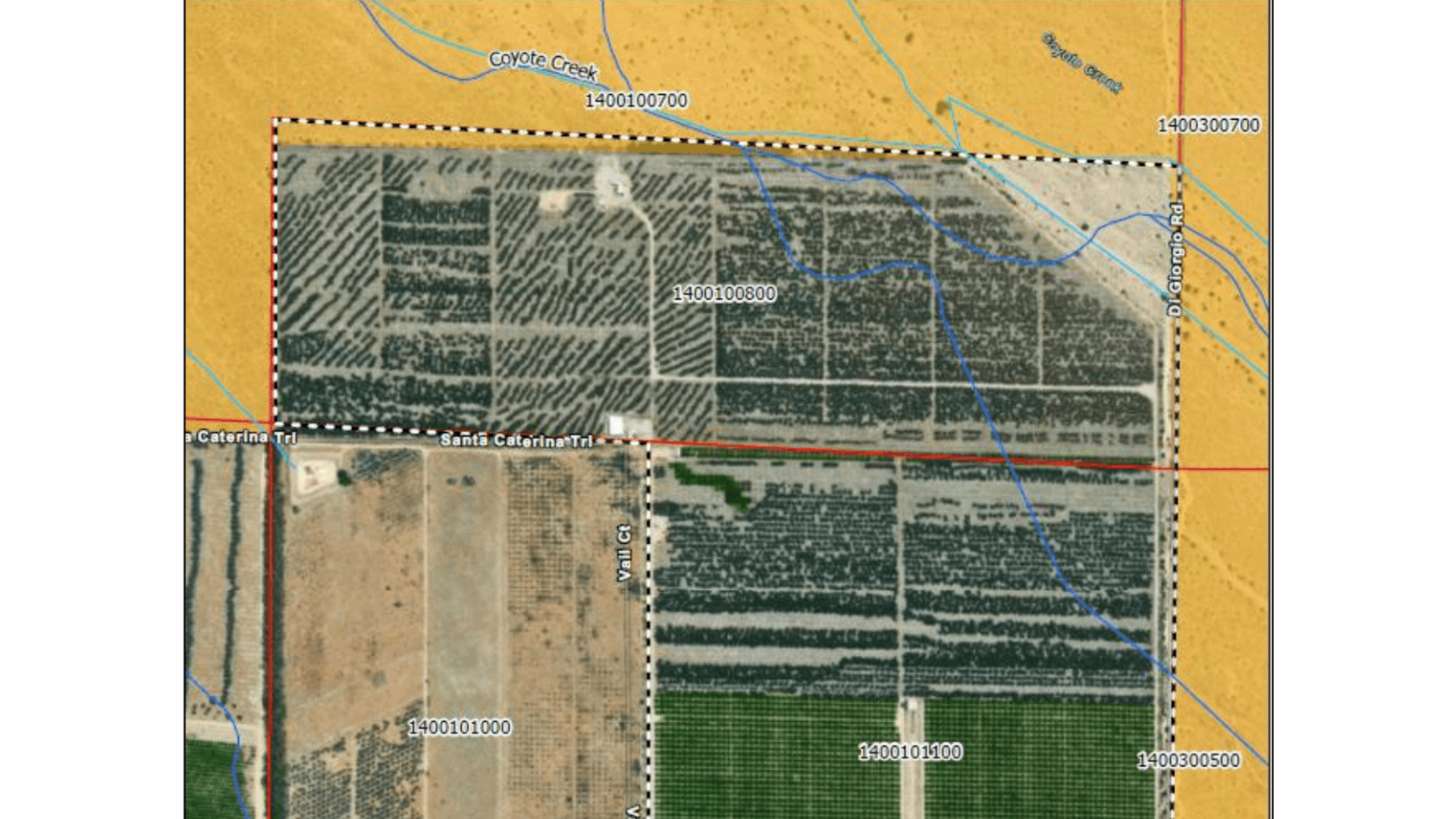
Former agricultural land near Anza-Borrego Desert State Park could be restored with native wildflowers and desert vegetation A proposal would restore approximately 261 acres of former agricultural land at Bauer Ranch into native desert habitat as part of a potential California Proposition 4 climate grant project. Bauer Ranch is a Borrego Water District property located adjacent to Anza-Borrego Desert State Park , within the Borrego Palm Canyon and Clark Lake area north of central Borrego Springs. The project documents identify the site as fallowed agricultural land that is no longer in production because of groundwater-use reductions. The project is titled “From Fallowed Fields to Wildflowers: A Desert Revival & Restoration Initiative.” The Anza-Borrego Foundation would serve as the lead applicant, while the Borrego Water District was asked to consider participating as the landowner and co-applicant. California State Parks is anticipated to become the long-term owner and steward of the restored habitat if the proposal moves forward. Restoring former farmland Agricultural production on the property was discontinued as part of efforts to reduce groundwater pumping in the Borrego Springs Subbasin. According to the proposal, the former fields would be restored with native wildflowers and other desert vegetation to improve ecological function and long-term landscape resilience. The project documents explain that large areas of exposed, fallowed farmland can contribute to dust, higher surface temperatures and degraded soil conditions. Restoring native vegetation could help stabilize the soil, reduce dust and improve habitat near the state park. Proposed project goals The proposal identifies four main goals: Restore approximately 261 acres of fallowed farmland to native desert habitat. Increase vegetation to reduce exposed soil, dust and extreme-heat impacts. Evaluate opportunities to support groundwater recharge through soil improvements and land recontouring. Include Tribal consultation, community education and long-term stewardship in the planning process. The restoration could include soil work, land recontouring, native seed development, habitat establishment and long-term monitoring. Hydrologic, biological and cultural studies would also be completed during the planning process. Proposition 4 funding Funding would be sought through California’s Proposition 4 Extreme Heat Grant Program , which supports projects intended to reduce extreme-heat impacts and improve community resilience. The Anza-Borrego Foundation approached the Borrego Water District about the grant opportunity. Helix Environmental Planners was selected to assist with developing and submitting the application and to explain the responsibilities and possible costs associated with the Water District serving as a co-applicant. Potential model for other fallowed land The proposal describes Bauer Ranch as a possible model for restoring former agricultural land throughout the Borrego Valley and other groundwater-limited desert regions. Project documents estimate that approximately 9,000 acres of agricultural land in the Borrego Valley could be fallowed by 2040 as groundwater pumping is reduced. If successful, the Bauer Ranch project could demonstrate how those lands might be managed to reduce dust, restore habitat and improve climate resilience. The Bauer Ranch project remains a proposal . The Borrego Water District was asked to receive an overview and consider whether it should participate as a co-applicant in the grant process. The project documents do not establish that restoration work has been approved or funded. Source: Borrego Water District July 14, 2026 Board Package
By County of San Diego Communications Office June 18, 2026
Registrar conducts required hand count to verify June election results
March 25, 2026
Grants, Environment, Infrastructure, and Future Planning
Show More
Subscribe for Free Updates!

Share This Post