Borrego Springs Local • November 9, 2023

Snake Awareness and Safety Borrego Springs

Share
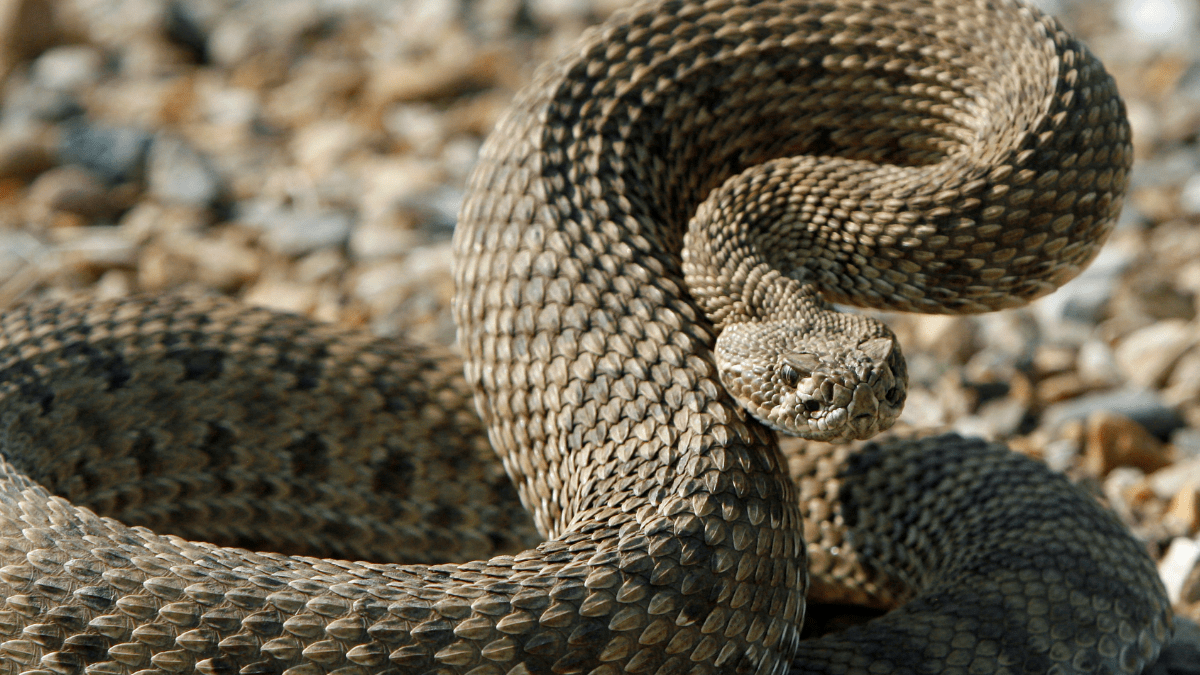
Snake Awareness and Safety in Borrego Springs: Navigating the Desert with Confidence


Nestled in the heart of the Colorado Desert, Borrego Springs offers an idyllic escape into nature’s untouched beauty. However, amidst its scenic landscapes, the desert is also home to various wildlife, including a number of snake species. While encounters with these reptiles can be an exciting aspect of the desert experience, it's crucial to approach them with awareness and respect. This blog delves into the essential knowledge and precautions needed for snake awareness and safety in Borrego Springs.


Understanding the Local Snake Population


The Anza-Borrego Desert, surrounding Borrego Springs, is a vibrant ecosystem teeming with over 50 species of snakes and lizards. Among these, only a few, such as certain rattlesnakes and the sidewinder, are venomous. The sidewinder, in particular, is known for its unique sideways movement and the distinctive horn-like scales above its eyes, adapting seamlessly to its sandy surroundings.


Identifying Venomous Snakes


Venomous snakes in the Borrego Springs area typically include several rattlesnake species:


  • Western Diamondback: Recognizable by its distinctive diamond-shaped pattern and rattling tail.
  • Mojave Rattlesnake: Known for its potent venom, this species often inhabits the higher, cooler elevations.
  • Sidewinder: This smaller rattlesnake is notable for its horned appearance and unique movement across sand.


Familiarizing yourself with these species can enhance your safety and appreciation of the desert’s natural inhabitants.


Safety Precautions for Desert Adventurers


When exploring the desert landscapes of Borrego Springs, consider the following safety tips to minimize the risk of snake encounters:


  • Stay on Designated Paths: Snakes often hide under rocks and in crevices, so stick to clear paths where visibility is higher.
  • Wear Protective Clothing: High boots and thick pants can provide a barrier against bites, especially in dense underbrush or rocky areas.
  • Use a Walking Stick: A stick can be used to rustle bushes or grass ahead of you, giving snakes a chance to move away.


In Case of a Snake Encounter


If you come across a snake, it's vital to remain calm and follow these steps:


  • Do Not Disturb: Give the snake plenty of space and avoid sudden movements that could be perceived as a threat.
  • Slowly Back Away: Increase your distance from the snake by slowly moving away without turning your back on it.
  • Do Not Attempt to Capture or Kill the Snake: This significantly increases the risk of a bite. Remember, snakes are protected under local wildlife conservation laws.


What to Do in Case of a Snake Bite


Despite all precautions, snake bites can still occur. Here’s what to do if you or someone you’re with is bitten:


  • Stay Calm and Immobilize the Affected Area: Keep the bitten limb at heart level to slow the spread of venom.
  • Seek Immediate Medical Attention: Call emergency services right away. Antivenom treatment may be necessary.
  • Do Not Apply a Tourniquet or Ice: These methods can cause further damage and are not recommended.


Local Resources and Assistance


For assistance with snake removal from your property or in public areas, contact the Borrego Springs Fire Protection District. They offer safe, professional removal services, ensuring the safety of both the residents and the wildlife.


Fire Dept:

2324 STIRRUP RD, BORREGO SPRINGS, CA 92004

760-767-5436


Conclusion


Borrego Springs is a stunning destination offering unique encounters with nature, including its diverse reptile population. By staying informed and prepared, visitors and residents can safely enjoy all the natural beauty this desert oasis has to offer. Remember, snakes are an integral part of the ecosystem, playing a crucial role in the balance of nature. Respecting these creatures and their habitat allows for a harmonious coexistence and a richer desert experience.


Learn More About The Animals In Anza Borrego

By Karen Pearlman July 21, 2026
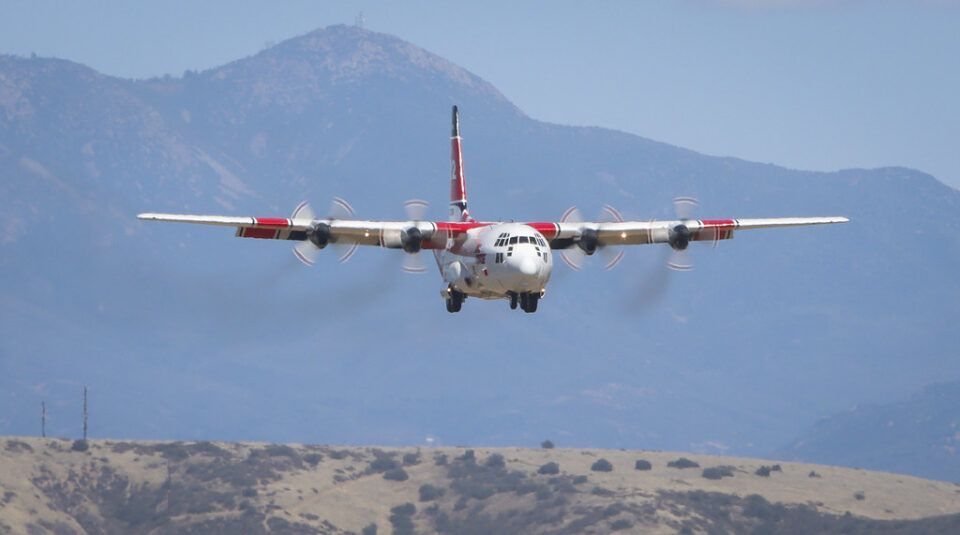
By Karen Pearlman, East County Magazine July 20, 2026 (Ramona) — San Diego County’s aerial firefighting capabilities have been boosted with the reopening of the modernized Ramona Air Attack Base, where state and local officials on Monday morning unveiled nearly $20 million in upgrades designed to get aircraft back into the air faster and expand around-the-clock wildfire response. The renovated base at 2498 Montecito Road now houses a new 4,000-gallon CAL FIRE C-130 Hercules air tanker, a night-capable S-70 CAL FIRE Hawk Helicopter, two S-2 air tankers and an OV-10 Air Tactical aircraft. The group of aircraft is creating what officials called one of California’s most advanced aerial firefighting hubs. The base’s aging infrastructure has been replaced with a modern retardant mixing plant capable of storing 20,000 gallons of fire retardant, redesigned aircraft loading bays that dramatically reduce turnaround times, and expanded ramp space to accommodate additional air tankers during major wildfire incidents. “This base is a regional asset,” CAL FIRE/San Diego County Fire Chief Tony Mecham said at a press conference that was livestreamed on YouTube . “When there is smoke in the sky, the citizens don’t care what color the fire engine is or what patch is on the uniform. They just want people to show up quickly.” The improvements come as California faces increasingly destructive wildfire seasons fueled by hotter temperatures, prolonged drought and more extreme weather conditions. CAL FIRE Director and Fire Chief Joe Tyler said the Ramona facility reflects years of investment in modernizing California’s aerial firefighting fleet. Over the past two years, CAL FIRE aircraft have flown more than 11,500 flight hours annually while maintenance crews logged more than 90,000 hours keeping aircraft mission-ready, Tyler said. Among the most significant additions is the C-130 Hercules air tanker, capable of dropping 4,000 gallons of fire retardant — more than three times the capacity of CAL FIRE’s traditional S-2 air tankers. The aircraft is part of the state’s new fleet of converted military transport planes that entered service beginning in 2024. Also based in Ramona is the county’s new S-70 Firehawk helicopter, which can perform water drops after dark — a capability officials said is already proving invaluable. It has an integrated 1,000-gallon water tank with hoist rescue capability and the ability to transport helicopter crews into remote terrain. San Diego County Board of Supervisors Chair Terra Lawson-Remer pointed to last week’s Thorn Fire, where the Firehawk flew nighttime suppression missions that slowed the fire’s progression and helped prevent flare-ups the following morning. “Our days are getting hotter, our nights are getting warmer, the winds are stronger and fuels are drier,” Lawson-Remer said. “Wildfire does not stop when the sun goes down.” She urged residents to prepare for wildfire emergencies by signing up for emergency alerts, planning evacuation routes and heeding evacuation orders when issued. For East County backcountry communities, the upgrades could mean quicker aerial response to fires threatening homes. Aircraft assigned to Ramona regularly respond throughout the county. Mecham twice shared the importance of coordinated and consolidated efforts between firefighting agencies across the county. “We fight fire without boundaries and without egos,” he said. Mecham said the modernization project focused on improving efficiency as much as expanding capabilities. Previously, air tankers were forced to maneuver awkwardly into a single retardant loading area, creating backups during major wildfire incidents. The redesigned facility features three drive-through loading pits that allow aircraft to taxi in, reload and immediately return to the fire. “The S-2s can reload in about two to three minutes,” Mecham said. “The C-130, under 10 minutes, it’s on the ground here at Ramona before it’s back in the sky responding to the next fire.” The expanded ramp now allows up to six air tankers to stage simultaneously. During last week’s Thorn Fire, officials said 11 air tankers were assigned to the incident, underscoring the need for increased loading capacity. Additional improvements are in the planning stages. Construction is expected to begin next year on a 14-person barracks to support future 24-hour operations, along with further expansion of the helicopter facilities. Monday’s ceremony also highlighted the historical significance of the Ramona Air Attack Base, which opened in 1957 as CAL FIRE’s first aviation base. While the facility received new buildings in 2000, much of its underground infrastructure — including water lines, electrical systems and retardant delivery equipment — had remained unchanged until the recent reconstruction. San Diego County Supervisor Joel Anderson, who lives in the fire-prone area of Alpine, thanked leaders for their understanding of the importance of the Ramona airport site… “not just in San Diego County but for Southern California in general.” “CAL FIRE has been an essential partner for the County Fire, providing joint fire protection in emergency services for more than 1.7 million acres,” Anderson said. “Since CAL FIRE’s creation in 2008, the Board of Supervisors have invested over a billion dollars into fire protection in emergency medical services. “In the years since we created County Fire, we have also expanded our partnership in collaborations. In 2022, CAL FIRE successfully collaborated with the Ramona Municipal Water District to establish the Ramona Airport as a hub for aerial firefighting teams, in addition to replacing fire engines and adding a third ambulance, which was so important to the backcountry and to all my constituents.”
By Karen Pearlman July 20, 2026
Photo courtesy County of San Diego
By Karen Pearlman July 19, 2026
Photo courtesy County of San Diego
By Andrea McKenna June 15, 2026
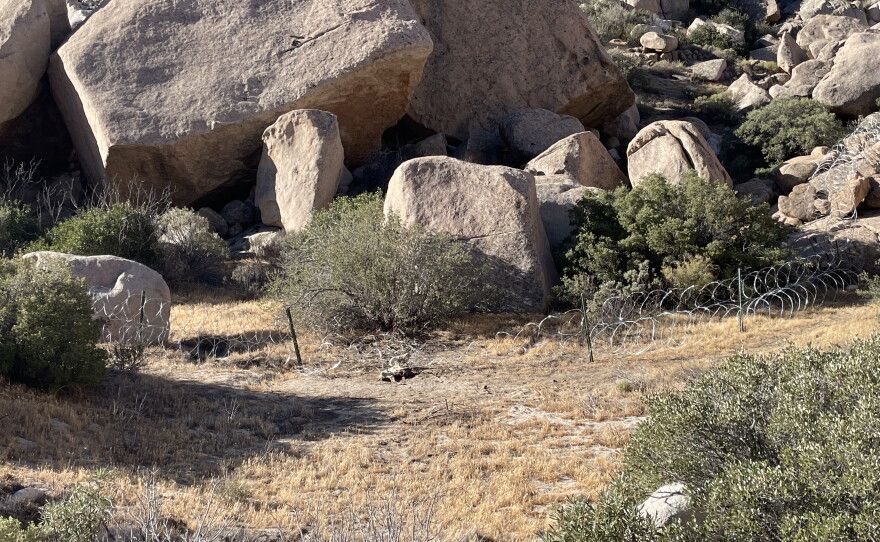
A recent KPBS report shared heartbreaking news: an endangered Peninsular bighorn sheep was found dead after becoming entangled in concertina wire near the U.S.-Mexico border in the Jacumba Wilderness. The story highlights growing concerns from wildlife biologists and conservationists about how border fencing and razor wire can affect protected species, including bighorn sheep, mountain lions, and wild horses. Wildlife biologist Christina Aiello has been among those warning that barriers can cut animals off from food, water, and safe movement corridors. This issue matters to Borrego Springs and the surrounding desert region because Peninsular bighorn sheep are part of our shared desert landscape. Protecting wildlife movement, water access, and habitat is essential to the long-term health of the Anza-Borrego region. Read the full KPBS report here: [ https://www.kpbs.org/news/environment/2026/06/10/endangered-ram-dies-after-getting-caught-in-concertina-wire-at-us-mexico-border ]


By East County News Services  June 13, 2026
Photo courtesy County of San Diego
By Jake Hinton September 22, 2024
Fascinating Facts About the Desert Sun Spider (Solifugae) The desert sun spider, scientifically known as Solifugae, is not a true spider but rather a member of the arachnid family closely related to scorpions and mites. Commonly referred to as windscorpions or camel spiders, these fascinating creatures are native to the arid desert regions of the southwestern United States, including Borrego Springs, California. Appearance and Size Desert sun spiders are known for their distinctive appearance and impressive size, with some reaching up to 5 inches in length. They typically have reddish-brown bodies and long, spiny legs that help them move swiftly through the sandy desert terrain. Their most notable feature is their powerful jaws, which they use to capture and subdue prey. Behavior and Habitat Unlike spiders, desert sun spiders do not spin webs. They are active hunters, using their strong jaws to capture insects, small reptiles, and rodents. They thrive in various desert habitats, including sandy dunes, rocky outcrops, and dry washes. Nocturnal by nature, they are most active at night, when they search for food and mates. Are They Dangerous to Humans? Despite their fearsome appearance, desert sun spiders are not dangerous to humans. They are non-venomous and generally pose no threat. However, like any wild animal, they may bite if provoked. It’s best to admire them from a distance to avoid startling them. Impact on Animals As carnivorous predators, desert sun spiders primarily target small prey like insects and occasionally small mammals. Although they are capable of delivering a painful bite, they do not pose a significant threat to larger animals, including pets. These arachnids tend to focus on small, manageable prey rather than larger targets. How to Spot Desert Sun Spiders For those interested in observing desert sun spiders in their natural habitat, nighttime in the desert offers the best opportunity. Visiting areas like Anza-Borrego Desert State Park in Borrego Springs during the evening or early morning hours increases the likelihood of an encounter. Use a flashlight or headlamp, as the reflection of light in their eyes can help spot them easily. Be sure to respect their space and avoid disturbing them to prevent defensive behavior. A Unique Desert Experience in Borrego Springs Borrego Springs is home to a wide range of fascinating desert creatures, including the desert sun spider. Exploring this region offers opportunities to witness a diverse array of wildlife in their natural desert environment. Whether you're an amateur naturalist or simply curious, Borrego Springs is a great destination to learn more about these unique creatures.






Show More

Share This Post