Borrego Springs Local • June 15, 2022

Salton Sea Land Ownership

Share
Owning Land Near the Salton Sea


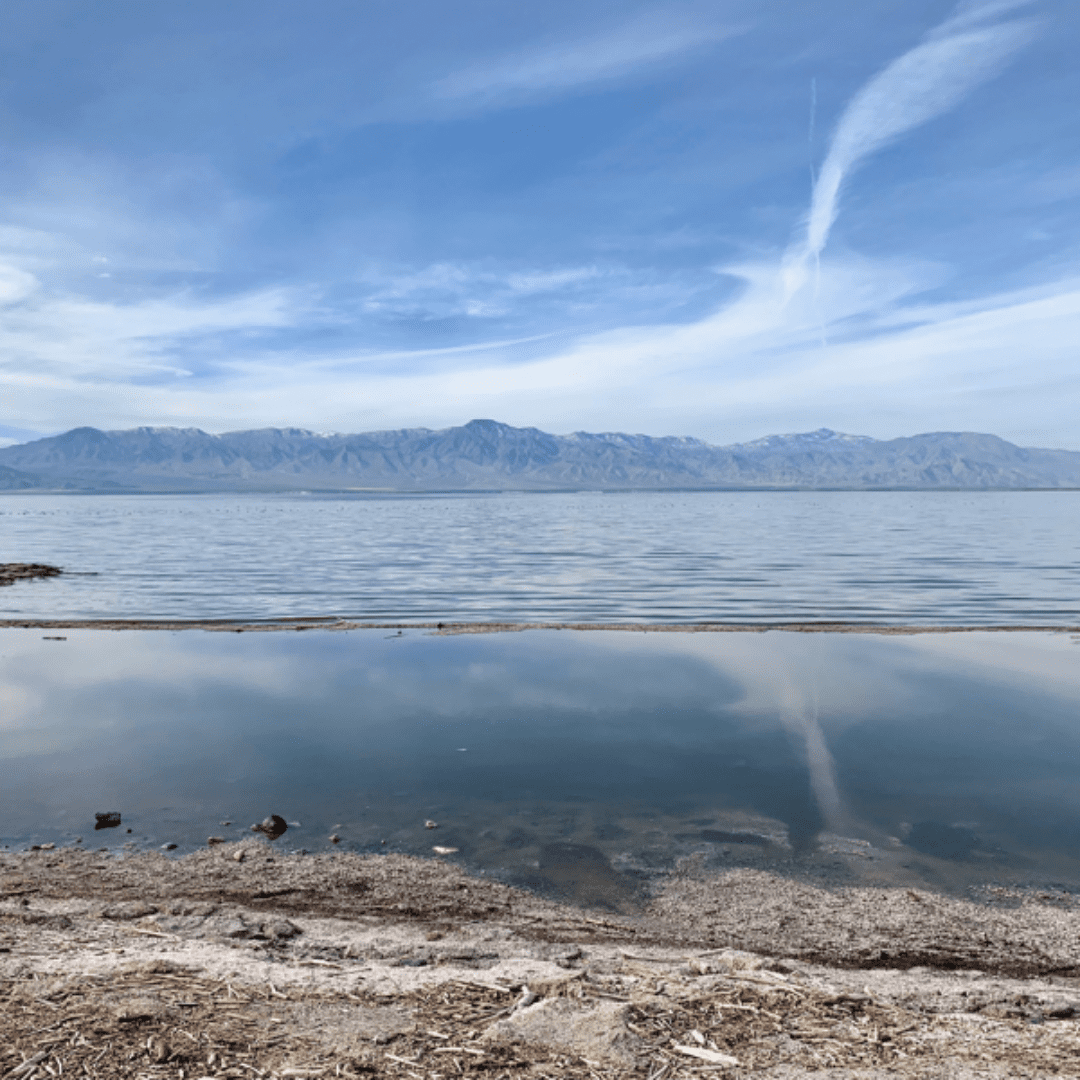
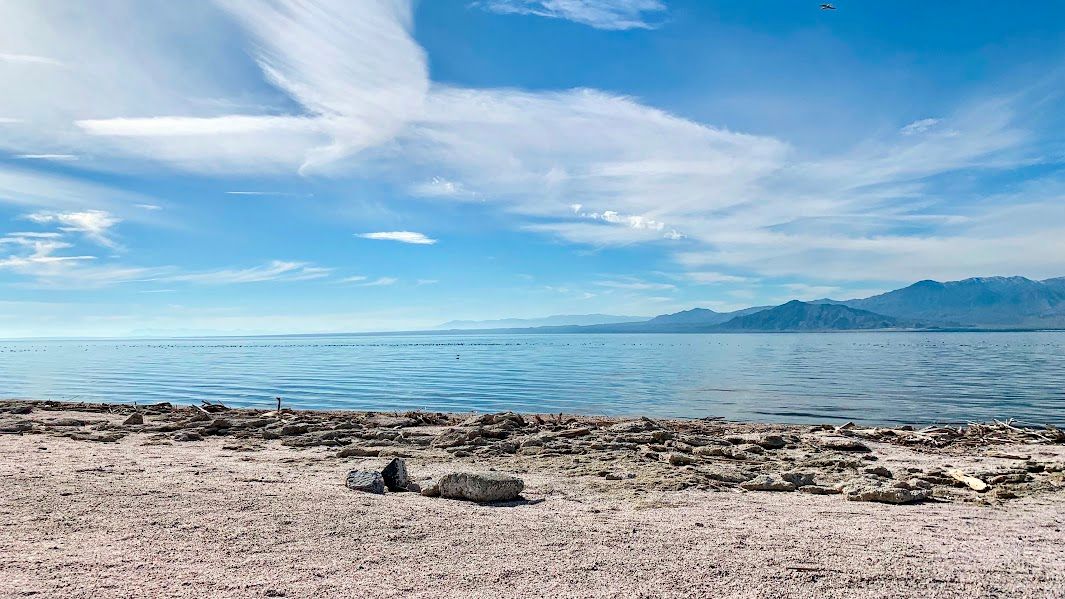
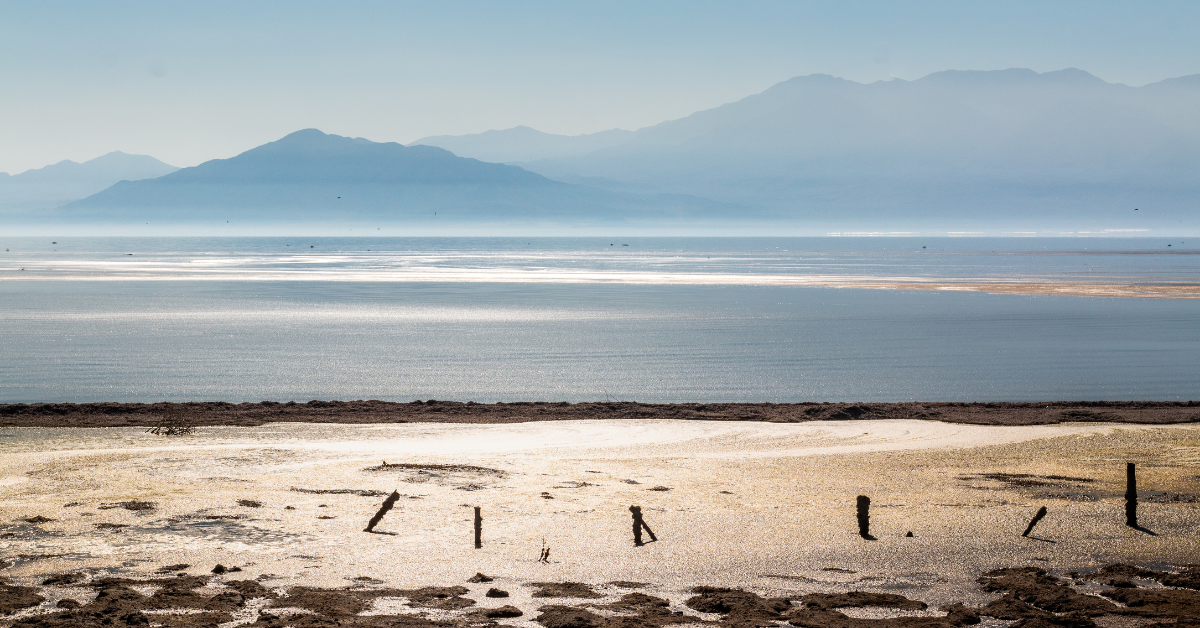
Owning land near the Salton Sea, situated in Southern California, presents unique opportunities and challenges. The area surrounding the Salton Sea, such as Salton City, offers potential for residential, recreational, and agricultural uses. However, prospective landowners should be mindful of the environmental issues affecting the sea and its vicinity, including fluctuating water levels, salinity changes, and ecological concerns.


Investing in property near the Salton Sea requires due diligence to understand the local real estate market, land use regulations, and ongoing restoration efforts aimed at improving the sea's health and stability. The allure of owning land near a large body of water, coupled with the natural beauty of the desert landscape, makes it an intriguing option for those looking to invest in real estate or seeking a unique living environment.


For current listings and more information about owning property in this area, you can explore Redfin's Salton City page. This resource provides valuable insights into available properties, pricing, and the community, helping potential buyers make informed decisions when considering land near the Salton Sea.

Who Owns the Land Underneath California's Salton Sea?


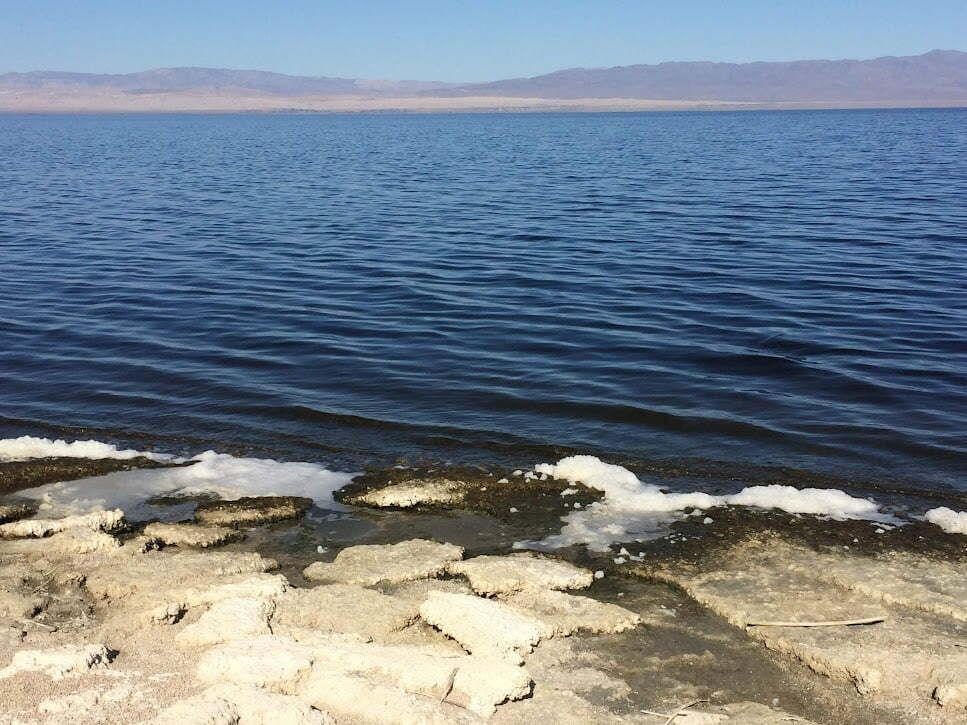
The land beneath California's Salton Sea, a significant inland water body spanning over 300 square miles, is subject to complex ownership that involves federal and state entities, the Imperial Irrigation District, and private stakeholders. Originating from a 1905 flood caused by the Colorado River, the Salton Sea has since been maintained by agricultural runoff and municipal wastewater.


The Legislative Analyst’s Office of California notes that the federal government, particularly the Bureau of Reclamation and the U.S. Fish and Wildlife Service, owns a considerable portion. The state of California and the Imperial Irrigation District also hold significant stakes, alongside various private landowners in the vicinity.


The Torres Martinez Desert Cahuilla Indians have historically contested the land's ownership, leading to a 2003 settlement where they were awarded $36.2 million and management rights over some areas. A Borrego Valley local emphasized the necessity of collaborative restoration efforts for the Salton Sea, highlighting environmental and health concerns over legal disputes.

Despite the intricate legalities of land ownership, the priority remains addressing the Salton Sea's ecological challenges and health hazards to nearby communities. Collaboration is essential for the sustainable management of this vital resource.

By By Gabriel Wisdom, Ram Media Foundation August 29, 2026
What happens at the Salton Sea over the next decade will very likely have a large effect on Borrego Springs, both environmentally and economically. The biggest immediate concern is air quality. The biggest potential opportunity is economic and tourism spillover from a transformed Salton Sea/Lithium Valley region. Clearly, the downside Borrego should take most seriously is air quality. This isn't hypothetical. San Diego County's own Borrego Springs Community Plan specifically instructs the community to monitor the Salton Sea because windblown sand and chemical particulates can reach the Borrego Valley. California's Water Resources Control Board (CARB) says the retreating shoreline creates public-health risks because dust can be emitted from soils containing decades of accumulated agricultural and wastewater material. CARB is now funding research specifically to determine how much Salton Sea dust reaches surrounding communities, what chemicals it contains, and how climate change could alter those exposures. That makes successful Salton Sea restoration directly beneficial to Borrego Springs. The new Salton Sea Conservancy , launched this year, is particularly important because it creates a permanent state institution charged with restoration, habitat management and air-quality improvement. California is also filling portions of the Species Conservation Habitat project with water and expanding dust-suppression work. If those efforts stabilize significant areas of exposed playa, Borrego could receive an environmental dividend without spending Borrego groundwater to obtain it. Conversely, if Colorado River cutbacks accelerate the Sea's decline faster than restoration can cover newly exposed playa, Borrego could experience worsening regional particulate pollution. Research modeling the shrinking Sea has projected significant increases in regional PM10 as additional playa is exposed. While the future is always unknown, here’s where things get interesting. Lithium Valley could change Borrego economically. The Salton Sea is no longer simply an environmental-restoration story. It is increasingly becoming an energy, minerals and infrastructure story. Controlled Thermal Resources (CTR) announced in March a $4.7 billion transaction intended to finance development of its Hell's Kitchen geothermal/lithium project. CTR is targeting 50 MW of electricity by 2028 and 25,000 metric tons of lithium annually by 2029. The technology still has to prove itself commercially, so those targets should not be treated as certain. Meanwhile, another part of the geothermal industry is looking increasingly toward supplying electricity to AI/data centers. If even a substantial portion of those plans materializes, southeastern California could develop something it has never really had before: a significant clean-energy/critical-minerals industrial cluster. Borrego could become the attractive western gateway to this emerging region. That potentially means more visitors, executives, investors, scientists, journalists, researchers, government officials and environmental organizations moving through the area. Some will want lodging, restaurants, meeting space and recreation without staying at the Salton Sea or an industrial operation. Borrego could offer precisely what the southern Salton Sea cannot: a beautiful, quiet desert destination next to a state park and protected landscape. Tourism could be the sleeper opportunity. There's another development that hasn't received nearly as much attention. California State Parks is developing a new long-term vision for recreation at the Salton Sea, potentially including more trails, camping, interpretation, wildlife viewing and other forms of public access. A draft general plan is expected in 2027. Combine that with Anza-Borrego and you could eventually have a much stronger regional tourism proposition. Imagine Borrego Springs, Gateway to the Salton Sea combining desert ecology, geology, energy technology, wildlife, water recreation, and dark skies. More to come as the Borrego Sun considers a number of plausible future scenarios. References Borrego Springs CP Salton Sea Program What one company’s shift towards data centers says about Imperial County’s lithium industry | KPBS Public Media More hiking trails, campgrounds could come to the Salton Sea
By Andrea McKenna August 8, 2026
Historic protections proposed amid Lithium Valley development.
By Andrea McKenna August 5, 2026
Nearly every issue from 1958 to 2008 is now searchable online.
Show More
Subscribe for Free Updates!