By Jake Hinton
•
June 10, 2026
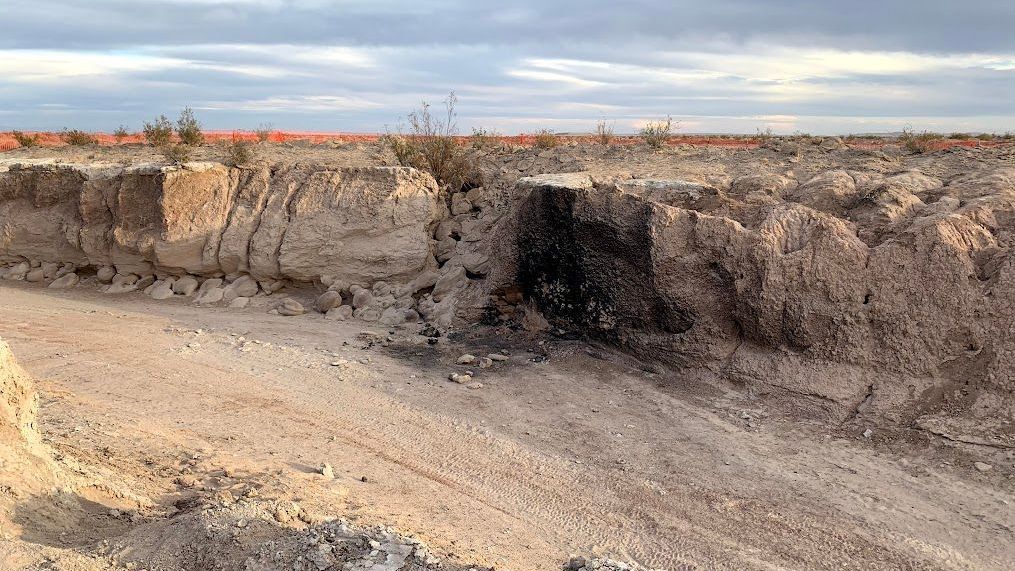
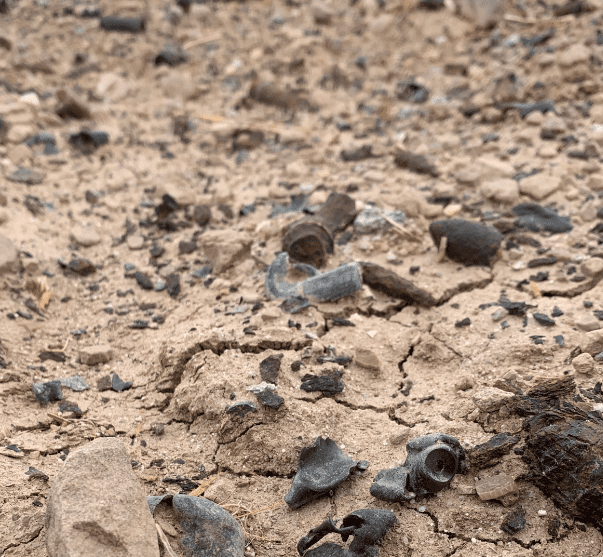
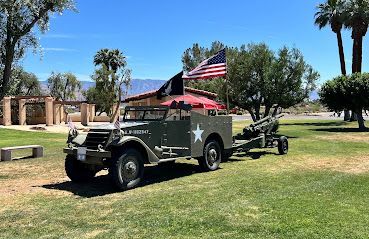
The Military History of Borrego Springs and Anza-Borrego During World War II, the Borrego Valley became an important military training area for the U.S. Army and Navy. Between 1942 and 1944, large portions of what is now Borrego Springs and Anza-Borrego Desert State Park were used for troop training, aerial gunnery practice, bombing exercises, and anti-aircraft operations. Borrego Maneuver Area Established in 1942, the Borrego Maneuver Area covered approximately 400 square miles of desert extending across the Borrego Valley, the eastern Badlands, and areas reaching present-day Highway 86 and Highway 78. Army troops used the area for desert acclimatization, field exercises, and live-fire anti-aircraft training. Military activity occurred at locations including Borrego Valley, Ensign Ranch, Clark's Dry Lake, Borrego Sink, Coyote Canyon, Borrego Mountain, and the eastern Badlands. Observation posts were established on surrounding high points, including Yaqui Pass and Fish Creek Mountain. One lasting improvement from the military presence was the paving of Yaqui Pass Road and portions of Palm Canyon Drive to improve access to training areas. Navy Bombing and Gunnery Ranges The U.S. Navy leased several locations in the Borrego Valley for bombing, strafing, and emergency landing operations. Major target areas included Borrego Wash (Military Wash), Clark's Dry Lake, Benson Dry Lake, and the Borrego Hotel site near Half-filled Dry Lake. Clark's Dry Lake served as a shared Army and Navy bombing range, while Borrego Wash contained rock-circle targets and observation stations used to evaluate pilot accuracy. Benson Dry Lake and the Borrego Hotel site provided emergency landing fields and additional aerial target areas. Rocket Testing and Anti-Aircraft Training In 1943, scientists from the California Institute of Technology (Caltech) conducted rocket experiments in the Borrego Mountain area to provide realistic targets for anti-aircraft units. Army gunners used .30-caliber, 40 mm, and 90 mm weapons during training exercises throughout the region. Carrizo Impact Area Following World War II, the military established the Carrizo Impact Area, which remained active from approximately 1945 through 1959. The U.S. Navy used more than 20,000 acres for bombing, rocket, and strafing exercises. Today, the Carrizo Impact Area remains closed to the public because unexploded ordnance may still be present. Legacy Although military operations ended decades ago, evidence of this history can still be found throughout the desert. Visitors should never disturb military artifacts or suspected ordnance. Any discoveries should be reported to Anza-Borrego Desert State Park staff. Today, these former training grounds are part of the protected landscapes of Anza-Borrego Desert State Park, preserving both the natural environment and an important chapter of Borrego Springs history.