Jake Hinton • October 29, 2023

The Bighorn Sheep of Anza-Borrego: Conservation

Share

Safeguarding Anza-Borrego's Bighorn Sheep

Dive into the heart of Southern California's Anza-Borrego Desert State Park and meet its iconic inhabitant: the Peninsular Bighorn Sheep. This majestic species not only captures the wild spirit of Anza-Borrego but also plays a pivotal role in the park's ecosystem, symbolizing the area's commitment to conservation.


The Majestic Peninsular Bighorn Sheep: Anza-Borrego's Pride


The Peninsular Bighorn Sheep, emblematic of Anza-Borrego's untamed landscapes, are more than mere inhabitants; they are a key piece of the park's ecological puzzle. Their survival and thriving populations reflect the area's dedication to preserving the natural world.


Adaptation and Survival: The Bighorn Sheep's Legacy


With their distinctive spiraled horns and muscular builds, these sheep are a testament to the desert's challenges. Their every move—from navigating steep cliffs to their diet of the desert's sparse vegetation—demonstrates an unparalleled adaptability to the harsh desert environment.


The Bighorn's Domain: A Diverse Habitat


Anza-Borrego's varied landscape, from its low-lying badlands to towering mountains, provides a dynamic backdrop for the Bighorn Sheep's life. Their migration patterns, driven by the seasons, reveal a deep connection to the land and its resources.


Safeguarding the Future: Conservation Efforts Unite


Faced with modern threats like habitat encroachment and climate change, the Peninsular Bighorn Sheep's conservation has become a rallying point for the community. Legal protections, scientific research, and local stewardship are crucial in ensuring their continued presence in Anza-Borrego.


Join the Conservation Movement: How You Can Help


  • By engaging with ethical tourism practices and supporting organizations like the Anza-Borrego Foundation, visitors and locals alike play a crucial role in the conservation of these magnificent creatures and their desert home.


  • Embrace the story of resilience and conservation in Anza-Borrego Desert State Park, where the Peninsular Bighorn Sheep continue to roam free, inspiring efforts to preserve the natural beauty and biodiversity of this unique ecosystem.


Related:


Learn More
By Marine Science Institute July 20, 2026
Marine Science Institute has named Lisa Biasillo its new Executive Director, succeeding longtime leader Marilou Seiff.
By Andrea McKenna July 1, 2026
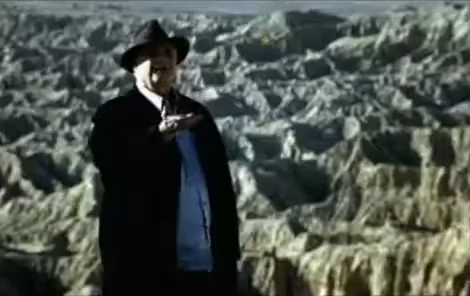
A Hollywood fun fact courtesy of longtime Park Ranger Fred Jee.
By Andrea McKenna July 1, 2026
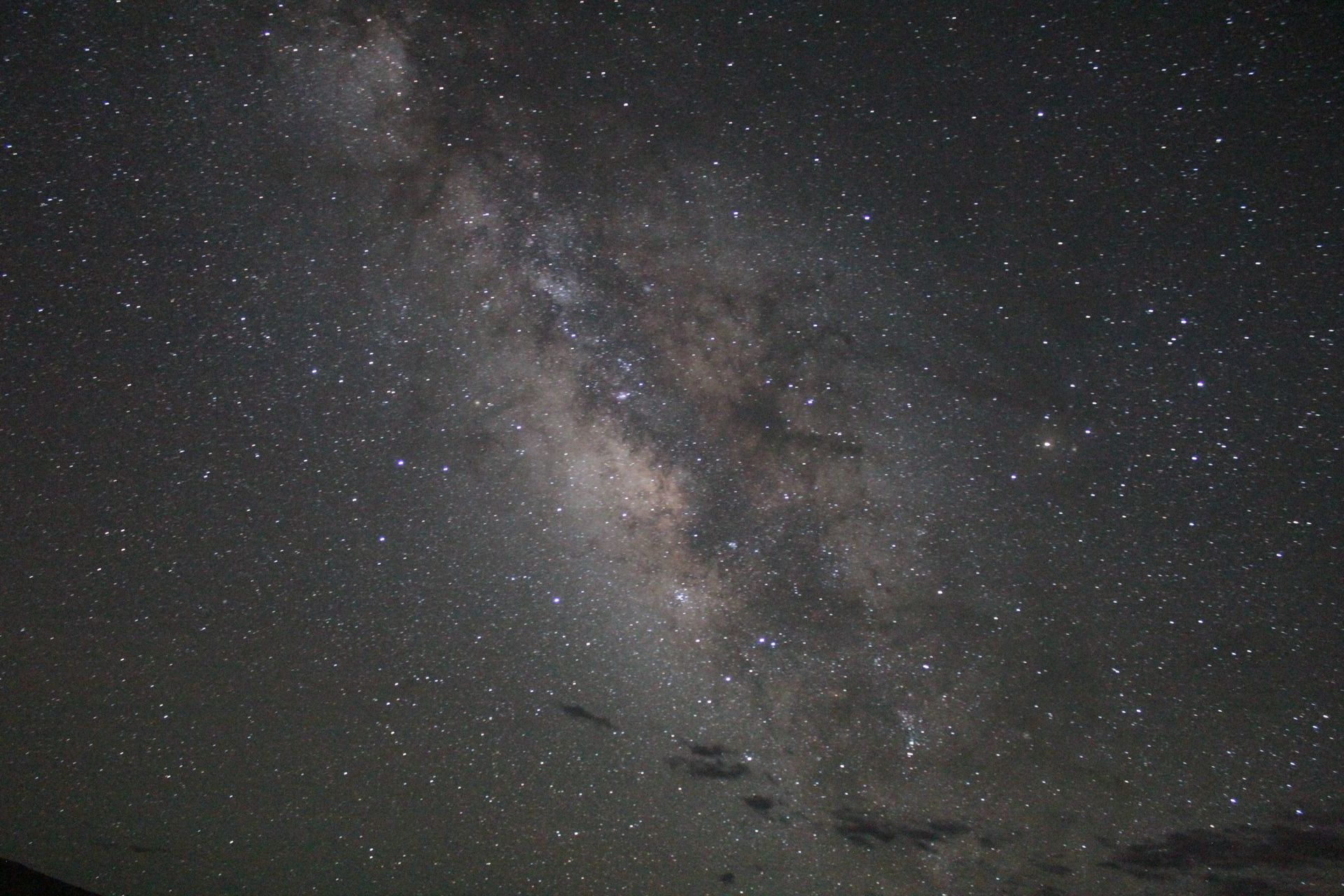
Don't Miss These Summer Night Sky Events
June 21, 2026
Prepared with information from ABDNHA's Dark Sky resources, Michael Poirier, Astrophotographer, and the Sky Calendar from Michigan State University. Learn more about Borrego Springs dark skies at: https://abdnha.org/darksky/sky / Note: You can subscribe to the Sky Calendar from Abrams Planetarium, Michigan State University, 755 Science Rd, East Lansing, MI 48824. Borrego Springs offers some of the darkest skies in Southern California, making summer an excellent time to observe the Milky Way, planets, meteor showers, and other celestial events. Here's what to look for in June and July 2026. Early June Sunrise: 5:38 a.m. Sunset: 7:50 p.m. PST Day Length: 14 hours 12 minutes June Highlights June 1 (Monday) Venus and Jupiter appear within 8° of each other in the west-northwestern sky after sunset. June 3–16 Milky Way viewing conditions are excellent, with dark, moonless skies after nightfall. The Milky Way rises at 10:57 p.m. on June 7 and as early as 10:30 p.m. on June 14. It remains visible for up to 4 hours and 29 minutes. June 6–13 Grand Canyon Star Party, Arizona. Learn more at www.grandcanyon.org . June 11 (Thursday) Venus, Jupiter, and Mercury span their shortest angle in the evening sky, just 13.2° apart. June 15 (Monday) New Moon — one of the darkest nights of the month for stargazing and astrophotography. June 15 (Monday) Mercury reaches greatest elongation, 24.5° from the Sun, making it the best evening appearance of the year shortly after sunset. June 21 (Sunday) June Solstice marks the beginning of summer in the Northern Hemisphere. It is the longest day of the year with 14 hours and 20 minutes of daylight. June 22–July 2 June Bootids Meteor Shower. June 29 (Monday) Full Moon rises at 8:17 p.m. and sets at 5:04 a.m. June 30 (Tuesday) Asteroid Day. Early July Sunrise: 5:41 a.m. Sunset: 7:59 p.m. Day Length: 14 hours 18 minutes July Highlights July 5 (Sunday) The Milky Way rises at 9:38 p.m. and remains visible for 3 hours and 58 minutes. July 12 (Sunday) The Milky Way rises at 9:34 p.m. and remains visible for 3 hours and 35 minutes. July 14 (Tuesday) New Moon — ideal conditions for stargazing and astrophotography. July 15 (Wednesday) Mercury reaches greatest elongation, 24.5° from the Sun. July 28–29 (Tuesday–Wednesday) Delta Aquariids Meteor Shower peaks. July 29 (Wednesday) Full Moon rises at 8:17 p.m. and sets at 5:04 a.m. The Planets and the Milky Way in June Evening Planets Venus and Jupiter dominate the western sky after sunset throughout June. Around June 8–9, the two planets appear in conjunction, creating a striking close encounter in the west-northwestern sky. Venus, often called the "Evening Star," shines brilliantly as it moves from Taurus toward Gemini and climbs higher in the evening sky each night. Jupiter remains nearby and is also easily visible. Mercury becomes visible low in the western sky during the second half of June. June 15 offers the best viewing opportunity, as Mercury reaches its greatest elongation and highest apparent position above the horizon. Morning Planets Saturn and Mars are visible before sunrise. Mars remains low in the east-northeast, while Saturn rises higher from the east to east-southeast. Early June provides a chance to see the two planets relatively close together. Summer Milky Way Summer is the prime season for viewing the bright central core of the Milky Way. From June through August, the galaxy's core rises in the southeastern sky and becomes one of the most spectacular sights available to dark-sky observers. June Bootids Meteor Shower The June Bootids occur annually from June 22 through July 2 and peak around June 27. Most years produce only one or two meteors per hour. However, this shower has occasionally surprised observers with dramatic outbursts. In 1998, rates briefly reached approximately 100 meteors per hour. The shower originates from debris left by Comet Pons-Winnecke, which orbits the Sun every 6.3 years. June Bootids are known for their unusually slow speed, entering Earth's atmosphere at approximately 14 kilometers per second. Asteroid Day – June 30 Asteroid Day is a United Nations-sanctioned global awareness campaign held annually on June 30. The event educates the public about asteroid impacts, planetary defense, and ongoing research into near-Earth objects. The date commemorates the Tunguska Event of June 30, 1908, when a massive airburst explosion flattened approximately 830 square miles of Siberian forest. The blast is estimated to have released energy equivalent to between 3 and 50 megatons of TNT, making it the largest recorded impact event in modern history. For more information, visit www.un.org. Delta Aquariids Meteor Shower The Delta Aquariids meteor shower peaks on the night of July 28 and the morning of July 29. This annual shower can produce up to 20 meteors per hour under ideal conditions and is associated with debris from Comets Marsden and Kracht. The shower runs from July 12 through August 23 each year. Unfortunately, the 2026 peak coincides with a Full Moon, which will wash out many fainter meteors. Patient observers may still catch some of the brighter meteors throughout the night. The meteors appear to radiate from the constellation Aquarius but can be seen anywhere in the sky. Learn More About Borrego Springs' Dark Skies Borrego Springs is California's first International Dark Sky Community and one of the best places in Southern California to experience the Milky Way, meteor showers, planets, and other celestial events. To learn where to observe, dark sky etiquette, upcoming programs, and more about stargazing in Borrego Springs, visit the Anza-Borrego Desert Natural History Association's Dark Sky resources: https://abdnha.org/darksky/sky/

By Andrea McKenna June 18, 2026
Regional event celebrates the night sky, science, and dark sky preservation Borrego Springs residents who enjoy stargazing, astronomy, and protecting the night sky may want to mark their calendars for the 2026 San Diego Dark Sky Festival , scheduled for August 15 from 3 p.m. to 11 p.m. at Julian Union High School in Julian. The festival will feature distinguished speakers, telescope viewing, hands-on activities, educational exhibits, and opportunities to learn more about the growing dark sky movement throughout San Diego County. The event is organized by DarkSky San Diego County and regional partners committed to reducing light pollution and preserving access to natural darkness. Activities are designed for families, students, amateur astronomers, and anyone interested in the night sky. Festival organizers describe it as a celebration of stars, science, and community. For Borrego Springs residents, the festival highlights a cause that has become part of the community's identity. Borrego Springs was California's first International Dark Sky Community , earning recognition for its efforts to reduce light pollution and preserve exceptional night-sky viewing. Julian followed with its own International Dark Sky Community designation in 2021, creating a network of dark-sky advocates in San Diego County's backcountry. The festival also showcases the growing regional movement to protect dark skies. Organizations from Borrego Springs, Julian, Fallbrook, Mission Trails Regional Park, and the Laguna Mountain area are working together to promote responsible lighting and preserve natural darkness for future generations. Visitors can expect telescope viewing, astronomy demonstrations, educational booths, and presentations on the importance of natural darkness for wildlife, human health, and energy conservation. Similar festivals have drawn large crowds and provided opportunities for the public to experience some of Southern California's best night skies. For many Borrego Springs residents, the event offers a chance to connect with neighboring dark-sky communities while celebrating one of the region's greatest natural resources—the star-filled skies that make both Borrego Springs and Julian special destinations for stargazing. ------------------ Fun Local Fact: K-RAM 90.5 FM at 730 Christmas Circle recently received a Night Sky Friendly Business Certificate of Merit from the Borrego Springs Dark Sky Coalition. The building also houses a Dark Sky visitor center and Borrego Valley Realty, where realtor Mary Watkins helps visitors learn more about protecting Borrego Springs' famous night skies.
By Explore With Jeven Dovey June 17, 2026
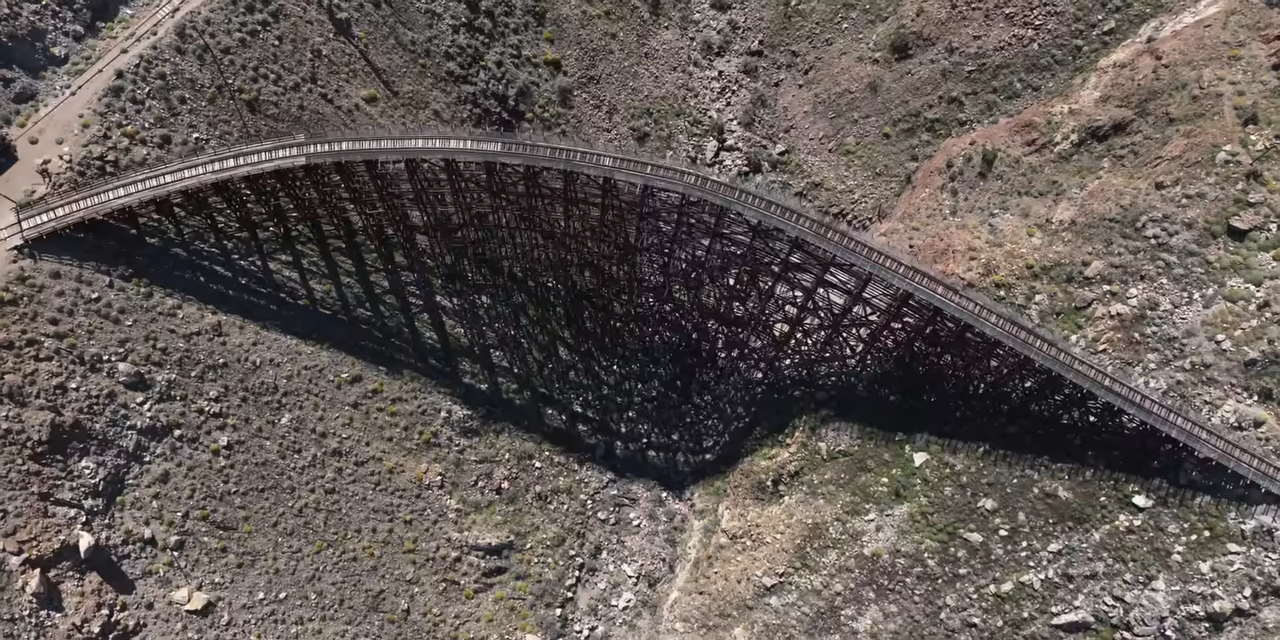
Exploring Goat Canyon Trestle Before It's Gone Adventure filmmaker Jeven Dovey documents one of Southern California's most remote railroad landmarks
Show More

Share This Post